
Beyond the Map

The Art of Keeping In Touch

“It is the correspondence that is her manner of living.”

“Imagine all that you have said to another, all the commentary you have exchanged with friends over drinks, over the phone with colleagues and distant relatives — really, the sum of this interpersonal communication is the substance of your life. Relationships being, as we know by now in our old ages, the meat of our lives. But all of that is gone. Vanished! And one day, you yourself will be gone.”

Virginia Evans, The Correspondent

When I read that first line, I stopped. It wasn’t describing me exactly — but it was pointing at something I recognize. We live in Valencia, Spain. Our sons, their families, and our grandchildren live in the United States. We are separated by an ocean and, on most days, by several time zones. So, one of the primary ways I experience being their mother and grandmother — the day-to-day texture of those relationships — is through correspondence.


That word, “correspondence,” carries the scent of another era. I think of fountain pens, wax seals, letters crossing the Atlantic by ship. Of course, my correspondence looks nothing like that. It is a text message on a Tuesday morning. A photo sent to a digital frame on the other side of the world. A FaceTime call where a grandchild drifts in and out of the conversation as they play. A blog post. A typed letter for a birthday. A handwritten thank-you note, because some things still deserve the ceremony of pen and paper.


Each form does something different. A text is immediate, it says: “I’m thinking of you. Right now.” The blog is slower, more considered; it’s where I try to articulate what my life in Spain and our travels feel like, what I notice, what surprises me. FaceTime is something else again — not quite a visit, but close enough that I can watch an expression change, catch a mood, be present for a small moment in a way that a message can’t replicate. The digital frame we recently bought for our grandchildren is, I think, another level of intimacy. Ed and I send them videos and photographs of our daily life: a market stall, laundry hanging from balconies, a huge pan of paella in a restaurant window, a street musician in the plaza – and of our travels. It’s a small window through which they see where their grandparents are. Correspondence is not what we do instead of being with them. Ed and I visit the States at least twice a year. We keep a home in the small Pennsylvania town where our grandchildren live, and we spend unhurried weeks there — the kind of time that allows for ordinary life together.


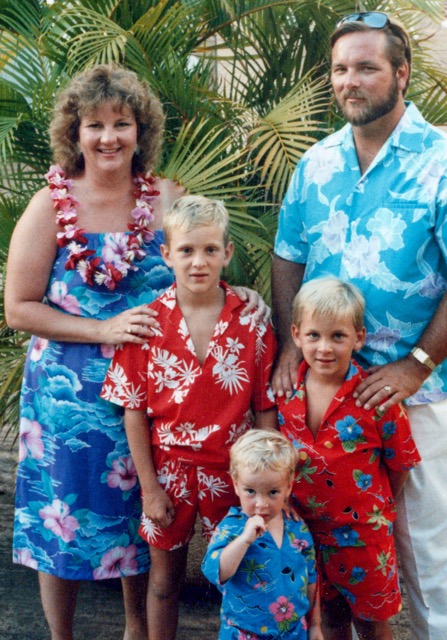
And every January, we manage something I treasure deeply: a family gathering built around a rare alignment of our three sons’ very different schedules. One is a college professor, on semester break. One owns a restaurant, which he closes for a week or so after the holiday rush. The third works in hospitality, where January is reliably slow. For a few days, the calendars open at the same time, and we are all in the same place.


Those weeks and that gathering are my bedrock. But they are not the whole of the relationship — and this is where Evans’s first line rings true for me. What correspondence does is keep the connection warm between those times. It means that when we walk through the door in Pennsylvania, we haven’t drifted. The grandchildren already know what we’ve been up to. They’ve watched our videos and seen the photos on the frame. We don’t have to spend the first days becoming reacquainted. We can simply pick up where we left off, because we never quite put it down. Still, I won’t pretend it’s effortless.


Evans puts it more starkly in that second passage: she asks us to imagine all we have said to another — the conversations over drinks, the phone calls with distant relatives, the messages typed quickly into a phone — and observes that the sum of all that communication is the substance of a life. Relationships are the meat of our lives. And then she delivers the blow: all of it vanishes. And one day, so do we. That’s the stakes, really. Which is why correspondence requires something that doesn’t come automatically: intention. There are weeks when time slips by and I realize I’ve been quiet for too long. There are time zones to navigate, days when everyone is tired, moments when reaching for the phone feels like one thing too many at the end of a full day. But you must decide, again, and again, that the connection matters enough to reach for it. Because the alternative — letting it quietly thin — is its own kind of loss, one that happens so gradually you might not notice until it’s too late.


But when I do reach — when I send the photo, write the letter, make the call — something is returned. Not always immediately, not always in kind. But the relationship stays warm. My grandchildren are growing up with a sense, however partial, of who their grandmother is and how she lives. And I am watching them grow in ways I would otherwise only hear about secondhand.


It is the correspondence that is her manner of living. I understand that now. It isn’t a workaround or a consolation. For those of us who live far from the people we love most, it is one of the primary ways we inhabit those relationships — a daily practice of reaching across distance to say: “I am here. You are not forgotten.” The ocean that separates us does not have to mean silence. It never has.

Author’s Note

This essay grew out of reading Virginia Evans’s debut novel The Correspondent with my book club in Valencia — a wonderful group of women from around the world, all English-speaking, who meet monthly to read and discuss, with tapas and wine always included. The novel sparked thoughts about distance, family, and connection that I couldn’t quite let go of.

The Art of Keeping In Touch Read More »

What endures

This post is a departure from our usual travel writing — a more personal reflection shaped by the journey.

Spending time with people in their late 80s and 90s has a way of clarifying things. It strips away abstractions about aging and replaces them with something far more concrete: a glimpse of one’s own probable future.

Eager to escape the snow and ice of western Pennsylvania, we flew to Northern California. Not surprisingly, an ambitious itinerary awaited our three days in California, with plans to rest and reflect in Santa Fe afterward. Winter, however, had other ideas.

We arrived in Sacramento after midnight on Tuesday, bleary-eyed but happy to be there. By noon Wednesday, still feeling the effects of jet lag, we met our good friends and travel companions, John and Debby, for lunch in Auburn. It was lovely. We caught up on family and life and talked excitedly about a planned meetup later this year in Egypt — a reminder that the future still holds adventures worth anticipating.

The immediate occasion for the trip was the 90th birthday of Ed’s mother, Vera. But it quickly became clear that aging itself would be a central theme. After celebrating Vera, we spent time with relatives Nayan and Jo. Nayan will turn 95 this spring and has slowed considerably. Being with three nonagenarians and one octogenarian offered a sobering glimpse into a possible future — assuming I’m fortunate enough to reach my own 90s. It’s one thing to think abstractly about aging; it’s another to sit across the table from it.

We brought along Outlive by Peter Attia, knowing we’d have long stretches of time in the car. The book explores how to extend not just lifespan, but healthspan — the years we live well. At 71, I may be late to the game but reading Attia’s work alongside these lived examples made the message feel immediate and personal. While it was reassuring to learn that my recent efforts around exercise and weight are aligned with current research, it also became clear that I need to be far more intentional going forward. There is still time — but not time to be casual.

Change appeared in other ways as well. A major winter storm disrupted our plans to fly to Santa Fe, forcing a last-minute Plan B. It had been five years since we sold our property on the Mendocino Coast, and we hadn’t returned since. The detour felt like an invitation to revisit the past — or perhaps to test the idea that some memories are better preserved than revisited.

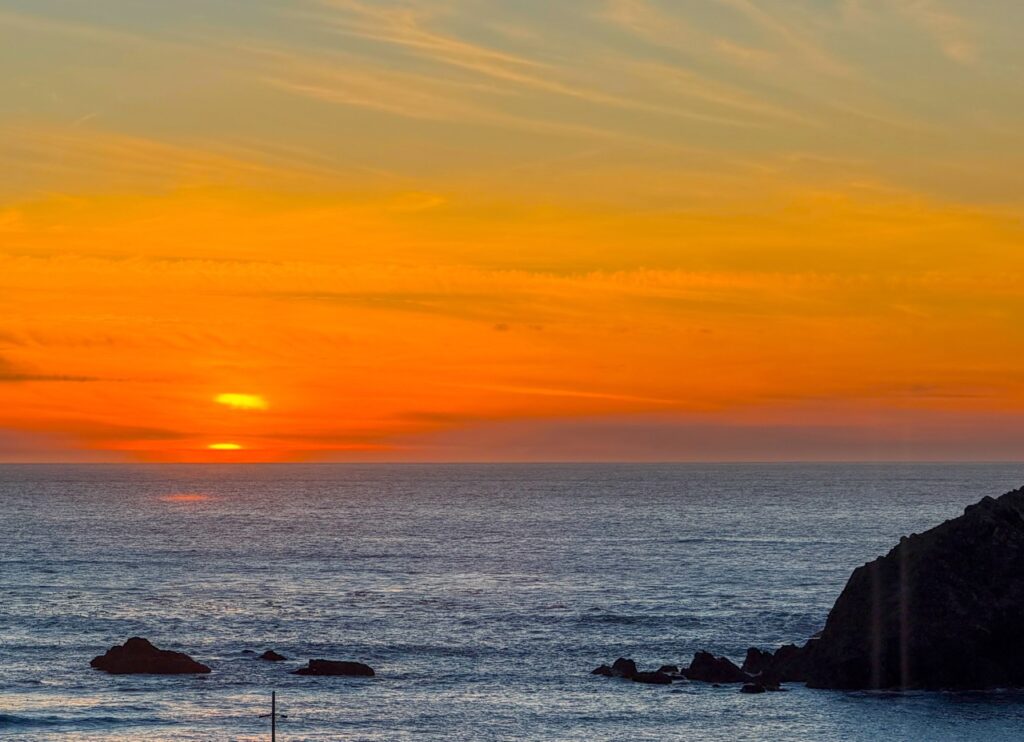
Our time on the coast and in the Anderson Valley was bittersweet. The natural beauty that first drew us there remains, but the forests have suffered. During our final years living there, we had already begun cutting down dying trees each year. Seeing how many more had succumbed to drought and invasive beetles in the years since was heartbreaking. At the same time, I was struck by how little else had changed. There was a stillness, a lack of vibrancy, that felt palpable.

And yet, amid loss, there were bright spots — reminders that community and connection endure even as landscapes and circumstances change. I spent time with colleagues and friends from the early days of the Mendonoma Health Alliance (MHA), now nearing its tenth anniversary. Remembering the moment we received funding to launch a rural health network — and seeing what the organization has become — reinforced a belief I hold deeply: meaningful work outlasts individual chapters. Under strong leadership and sustained commitment, MHA continues to make a real difference in access to healthcare along this remarkable stretch of coast.

At moments like this — and especially as we watch communities such as Minneapolis struggle through another season of grief and reckoning — the importance of connection, shared responsibility, and showing up for one another feels not abstract, but essential.

Another deeply meaningful visit was with my dear friend Cristi, whom I met years ago while volunteering as a mentor at the Women’s Empowerment Center in Sacramento. At the time, Cristi was homeless and working to rebuild her life after years of substance abuse. What was meant to be a short mentoring commitment grew into a friendship I treasure. Over burgers and fries, Cristi shared her life with hard-earned pride. Today, Cristi is a recovery counselor, grandmother, and homeowner. She often says that my belief in her made the difference. Perhaps. But my view is simpler and more humbling: she did the hard work.

Whether through my nursing career, community projects, or mentoring, much of my life has been about creating spaces for others to thrive — and seeing those lives flourish has been the most enduring reward. Legacy, I realize, is not measured in accolades or recognition, but in the lives we touch and the connections we sustain along the way.

In San Francisco, with only a few hours to spare, we revisited two favorite spots: the Ferry Building for oysters and a glass of Albariño, and Kokkari for a perfect Greek meal. Though the city has changed since my time living there in the 2000s, these familiar places allowed me to hold onto cherished memories. Maybe sometimes it’s enough to revisit a few familiar places, and leave the rest undisturbed.

Eventually, we were able to resume our plans to visit Santa Fe, where our reflections on longevity continued and the next chapters of Outlive awaited. It felt fitting to be thinking about endurance, adaptation, and renewal in the oldest capital city in the United States — a place shaped by centuries of change and continuity.

Aging reveals what endures — in our bodies, our landscapes, and our relationships. The task, it seems, is not to resist change, but to recognize what is worth carrying forward. As the years narrow their margins, questions of longevity naturally give way to questions of legacy — how our choices, relationships, and work ripple outward long after we move on.

Author’s Note

Written during a winter journey west, this essay reflects on aging, memory, and the sustaining power of community — themes sharpened by personal milestones and broader social unrest.

What endures Read More »
Exactly Where We Are

Winter Insists

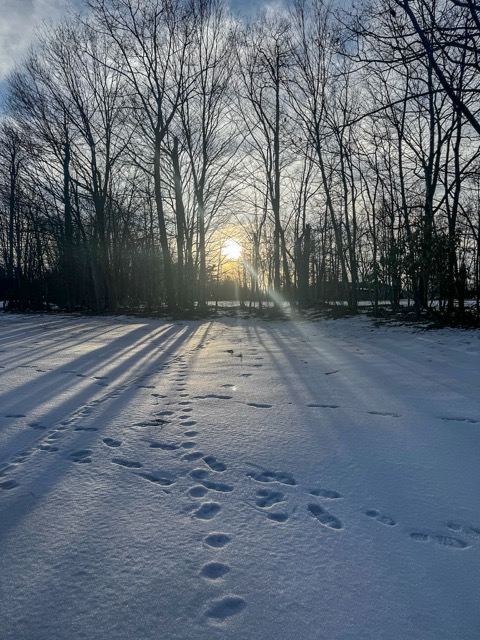
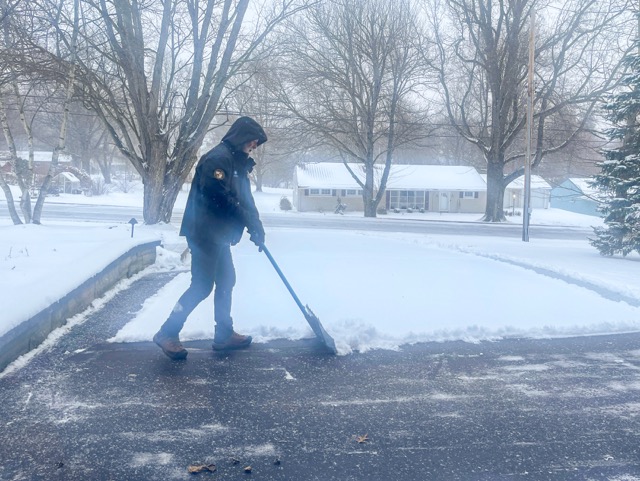
As I sat down to start writing this post, the weather forecast announced, “Expect snow in the next hour.” A curious thing to predict when snow had been falling steadily all day, and then blown almost sideways. Ed had shoveled the driveway first thing in the morning so we could run a necessary errand. Before long, he was back out there again, repeating the ritual. Winter has a way of insisting on our participation. And if it’s not already clear – no, we’re not in Valencia!

“Winter is not a season, it’s an occupation.”

Sinclair Lewis

A Blizzard of Fun

We arrived in New Wilmington on December 4, and the weeks since have been a blizzard – pun fully intended – of activity. It’s a busy season for Matt and Maggie at The Tavern, and we’re grateful to help where we can. Mostly, that means time with the kiddos: playing, reading, watching movies, making crafts (and cookies!). It feels like the best kind of work.

Of course, the holidays were woven in as well, along with celebrating Merr’s seventh birthday. In the midst of all that, a visit to Atlanta to see Mark and Shannon offered a welcome pause—time just for grown-ups. We lingered over great meals and spent unhurried hours wandering through bookstores together, a simple pleasure and a delight.

All Under One Roof

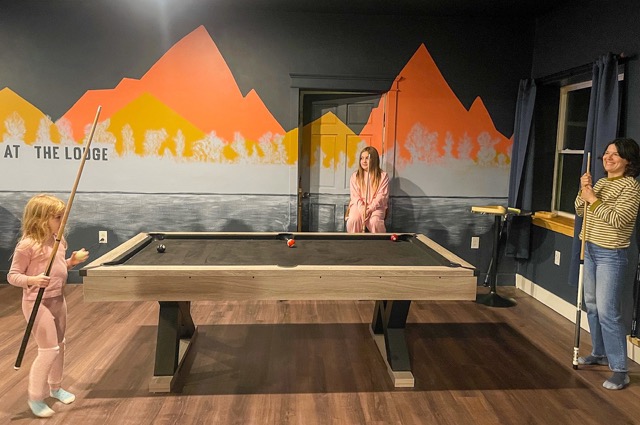
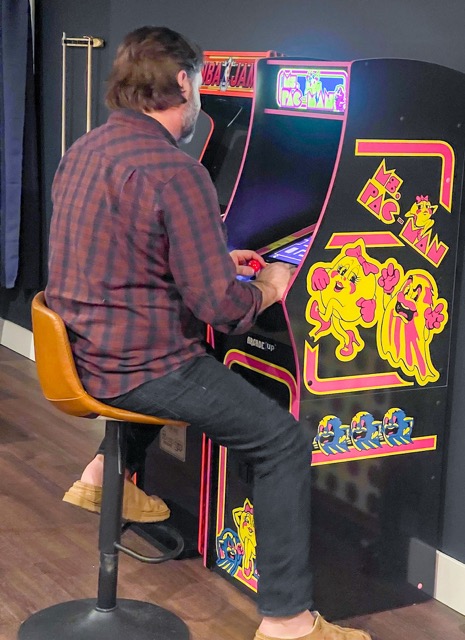
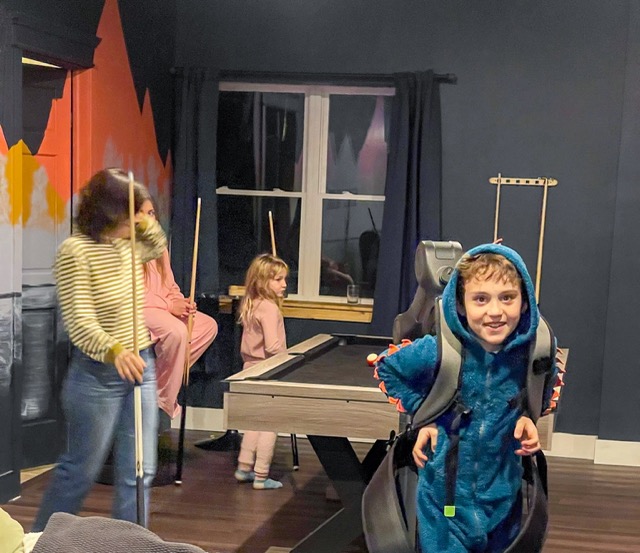
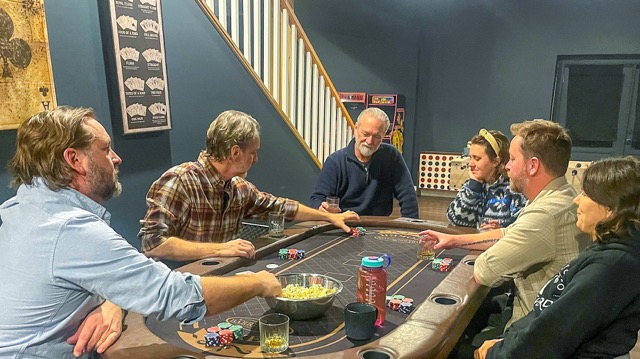
After the holidays, the Noble family – all twelve of us – gathered for a week in the Poconos. We rented a wonderfully oversized house with plenty of bedrooms and bathrooms, a generous kitchen, and a few extra comforts that quickly became favorites. The sauna and hot tub were well used, but the game room was where we kept finding one another. Evenings unfolded slowly – conversation, billiards, movie nights, video games, puzzles, and late night poker games. And always, the quiet comfort of knowing we were all under the same roof.

“The best moments in life are the ones you don’t plan.”

John Lennon

The Mountain was Kind

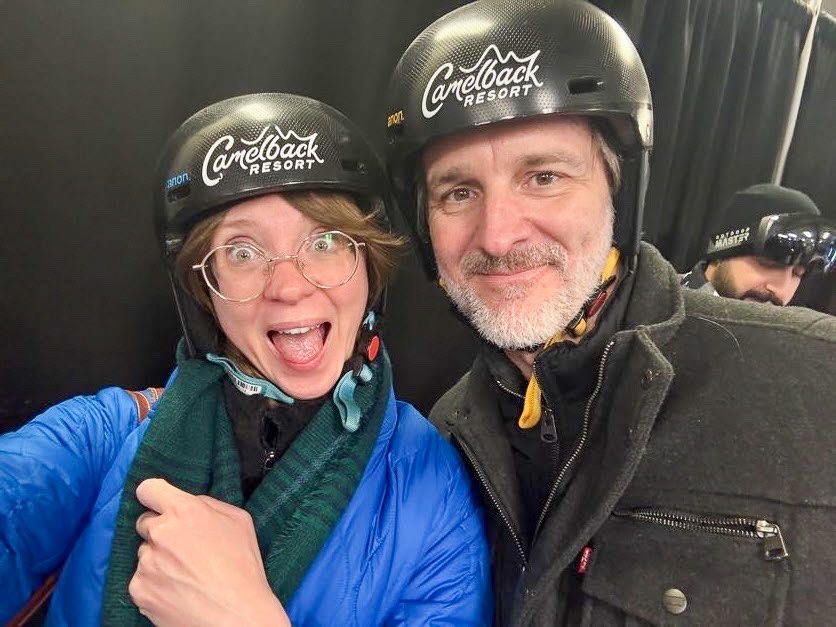
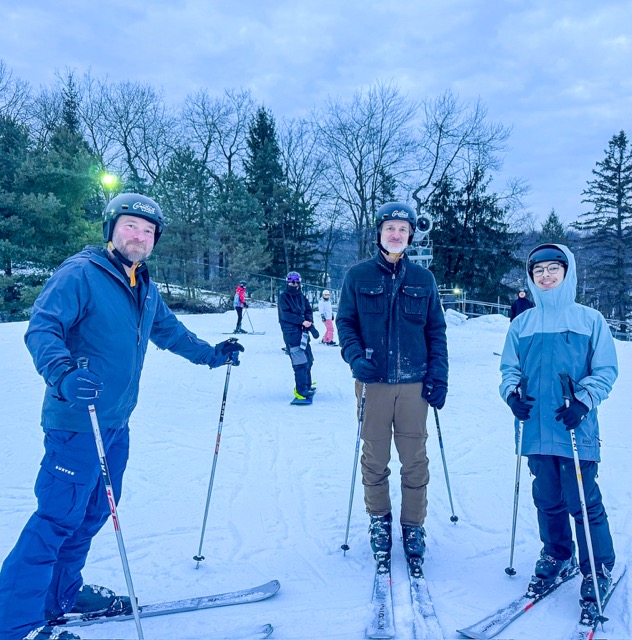
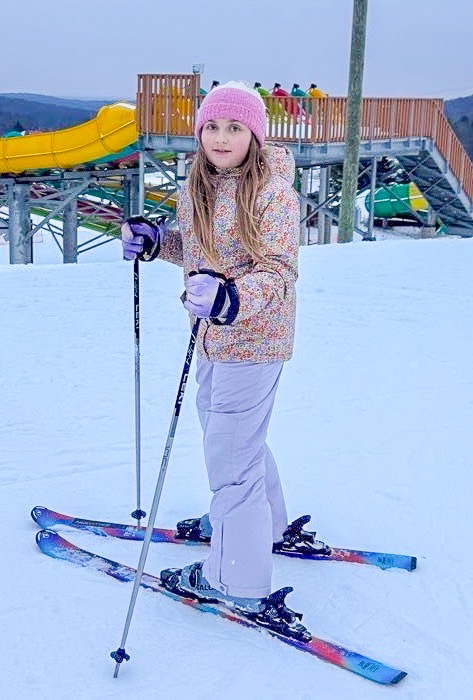
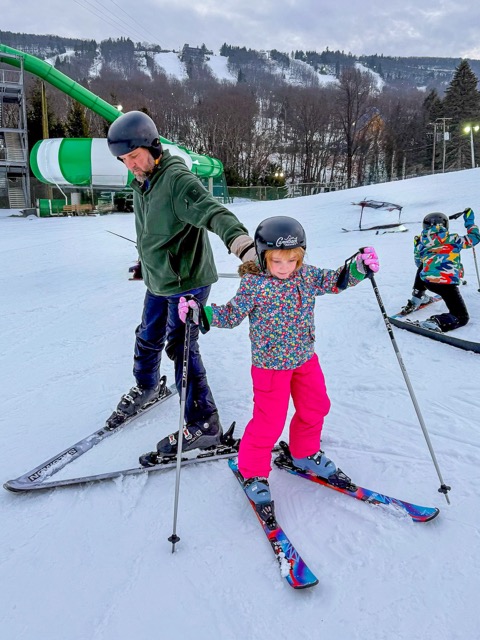
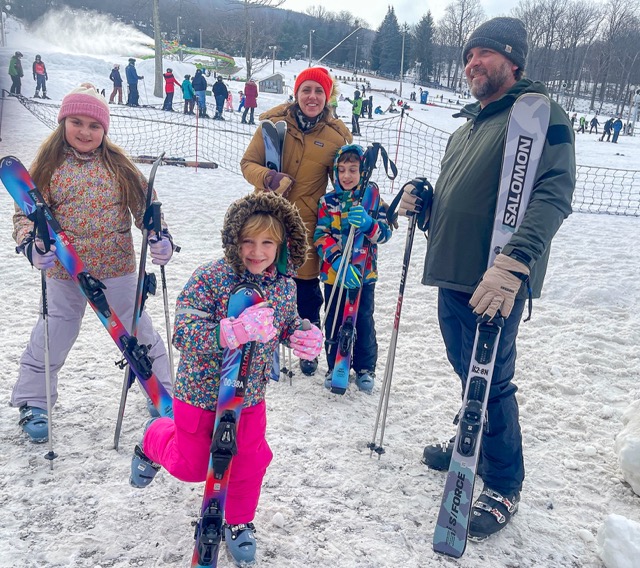
Days were for skiing. With several first-timers and others returning after a long break, I held my breath each morning as they headed out – imagining the sprains, bumps, and breaks that might result. Completely unnecessary, it turns out. The mountain was kind. Nearly everyone had a wonderful time. Confidence grew, joy followed. Shannon gave it her best before deciding that skiing wasn’t her thing. Knowing when to step away felt like its own kind of success. Ed and I chose not to ski this time. I’m content avoiding the cold, happy to watch from the sidelines. Ed, though, admitted to a hint of regret as the week came to an end.

“Life is either a daring adventure or nothing at all.”

Helen Keller

Different Landscape, Same Heart

Last January, we gathered in Valencia, warm and sunlit. This January looked very different – layers of clothing, early sunsets, snow piled high. Still, the heart of it was the same: time together, shared meals, familiar stories, and new memories layered gently on top of old ones. As we imagine where next January might take us, one thing feels certain: we’ll be hoping for warmth, in every sense of the word.

As I was getting ready to publish this post, the world outside was white and the thermometer hovered at one degree. We were preparing to head west—California first, to visit family and friends, with a planned stop in Santa Fe on our way back to New Wilmington—hoping winter might loosen its grip, at least geographically. But no such luck. A major storm co-opted our Santa Fe plans, and after our visits with loved ones, we’ll instead spend a couple of days on our beloved Mendocino Coast.

Winter, it seems, has its own ideas. And in yielding to them, the lesson feels quietly familiar: nothing more is required of us than to be fully where we are.

“Nothing is worth more than this day.”

Johann Wolfgang von Goethe

Exactly Where We Are Read More »
THE BOOK REVIEW

READING TIME

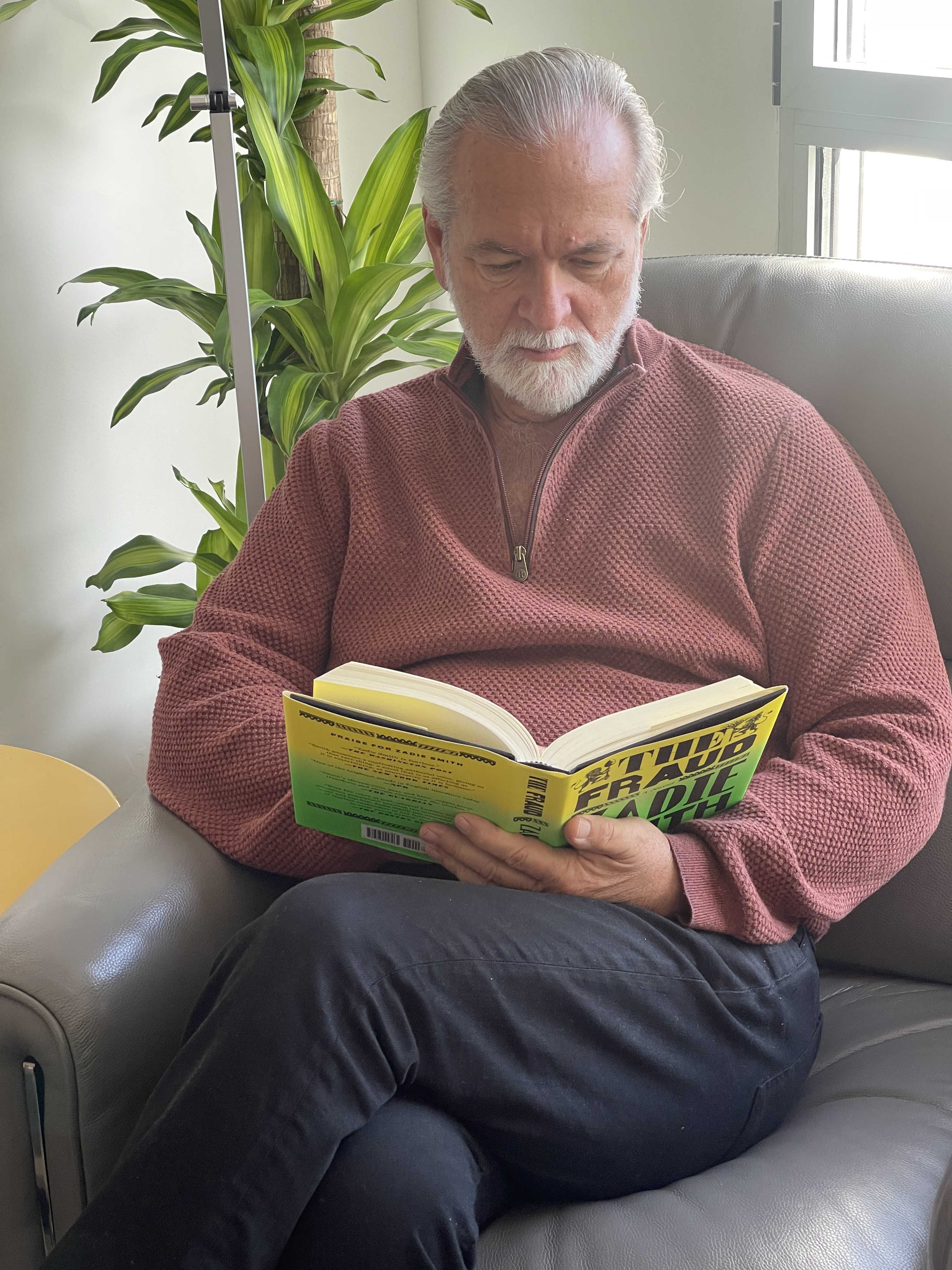
One of the pleasures of retirement is to allow myself time to read with a minimum amount of guilt for not doing something productive. I’m currently reading Zadie Smith’s newest novel “The Fraud”. She’s a writer I have been enraptured by from the moment I picked up her earliest work. Just gob smacked. How to explain such talent? Maturity? Depth? I think she was about 22 years old at the time. As I am a perfectionist – with all the inherent tendencies to procrastinate and equivocate and generally avoid attempting projects that risk coming up short of my own standards – reading Smith obliterated any aspirational shreds I might have been harboring around writing fiction myself. I knew at my core I did not have that kind of talent, let alone the soul.

Regarding “The Fraud”, I recently read a lengthy essay in the London Review of Books commenting on Smith’s intentional inverting of the traditional form of the novel as broad commentary on the fiction of the nineteenth century. And, how she is subverting this and that convention, packing juicy little historical easter eggs into the details for the academics to uncover and pontificate about. Perhaps. And while I can see and appreciate some of this nuance, please. Just read the woman’s prose.

She had arrived at Elm Lodge on the twenty-third of April, 1830. Ever after she marked the day in her heart. No language attended it. No conscious ritual. If asked what the date meant to her she would have spoken the truth and called it St. George’s Day and denied attaching any personal significance to it. But somewhere deeper, past language, it was marked. A cluster of sensations. The climbing rose. Frances in the doorway. That first, unmistakable, impression of her goodness. The feeling of walking down grassy Willesden Lane, early in the morning, plucking wildflowers out of the hedgerows and trying to appreciate them. The happiness of knowing she would turn round and walk back to a house of steamed rags and strung-up rabbits, drying linens and chubby baby ankles, small hands with food on them, the smell of bacon, fruit cakes wrapped in cloth, the swampy whiff of pea soup, and simplest chords of Bach played clumsily but with good humor. All of this warm human sacred business she had almost forgotten existed.

– Zadie Smith, The Fraud, 2023

It sometimes feels that I took too long to finally accept retirement. So much I had nearly forgotten existed.

DRIVING SCHOOL

We are continuing the process of acculturating Valenciano norms. I tend to have a romantic notion about “living as a local” which it is increasingly obvious will always be very limited in reality. It turns out, however, that just navigating the fundamental requirements of Spanish society brings with it a shift in perspective and appreciation for the culture. For example, I’ve embarked on a journey to acquire a Spanish driver’s license. Now as an American, you may wonder how this could be characterized as a journey. How big a deal can it be if you’ve been driving all your life? Ahem.

It turns out the Spanish take awarding the privilege of operating a motor vehicle in their country quite seriously. My status as a safe driver for over 52 years counts for exactly nothing. And, as a resident of Spain for more than six months, neither my U.S. nor international driver’s licenses count for squat. I am required to begin again, from the beginning, like a teenager.

Attending a state regulated driving school is mandatory for all “new” drivers. The format and protocol are the same no matter which school you attend. You must take and pass a state administered written exam. When you have successfully completed the written test, you must take and pass an actual driving test with a state examiner. The proctored, written exam consists of 30 questions. You must score a 90% or better to pass. Each individual exam is randomly generated by a computer from a database of 3,000 questions, so to prepare for the written exam, the first phase of driving school involves answering 3,000 questions. Correctly. No, that’s not a typo. I am in the process of taking 100 practice exams of 30 questions each. And I must go back and correct every error when I have finished. Only when I have successfully completed this phase, will the driving school schedule my first attempt at the state exam. (My driving school is called “El Cid”. I have visions of Charlton and Sophia every time I sit down to work on this thing.)

I’m 10% done with the 3,000 questions.

How this process becomes interesting – and relevant to the cultural aspects I referenced earlier – is the contrast with our expectations in Los Estados Unidos. My first instinct was to say, “well, the Spanish laws and regulations are just far more detailed and comprehensive than in the U.S.” But as I thought about it, I realized that our U.S. laws and regulations are at least as complex, it’s just that we don’t really expect everyone to learn them all. For example, trucks in the U.S. are required to have certain signs and symbols on them that indicate weight, size, contents, etc., but we don’t expect the average driver to know and understand their meaning. (Missed multiple questions on the meaning of a square versus a rectangle symbol.) Perhaps it’s just that I haven’t taken a driving exam for over five decades and today’s new U.S. drivers are subjected to more rigor than I was. (Not really buying this based on my experience on U.S. roads.) So, one conclusion I have reached is that Spanish society simply expects more from its citizens, as in total mastery of their driving laws, not just a passing familiarity.

So far, I’m averaging 4 – 5 errors per exam. Obviously not good enough. Some of the errors can be attributed to the awkward syntax of translated questions. And some, just don’t seem to translate. It turns out, for example that “stopping distance” and “braking distance” are not synonymous, though I cannot for the life of me discern the difference. In other cases, it’s just a different way of thinking. Imagine tossing a cigarette butt out of a car window resulting in points against your driving record. One regulation I would love to see more often in the US is minimum speed rules. I’ve also missed a couple of questions regarding the rules for herding animals along the roadways – a skill I am almost certain to need at some point in life, right? For some strange reason, helmets are not required on bicyclists during “extremely hot weather”. Missed that one.

An on it goes. Just 2,700 to go. It’s all quite humbling.

THE BOOK REVIEW Read More »
WHY SPAIN?

When moving to Spain was in the planning stage, Maggie asked me “Why Spain instead of California?” It was a good question, but my answer was not a good one. I think I said something about the cost of living being less. While that’s true, and an important factor now that we’re approaching Ed’s retirement, there’s much more to say about Spain and about life in Valencia. Reflecting on the experience of living in Valencia for the last three months, these are the things that help me to better answer Maggie’s question.

PEOPLE ARE FRIENDLY

We have found Spanish people to be friendly and welcoming. It’s more than just friendly. They are kind and eager to help, even to strangers. Numerous times we’ve witnessed people coming to the aid of someone who has dropped something. This happened to Ed one day when he was coming home with groceries. A novice at pushing a wheeled cart around cobblestone streets, he lost his grip, the cart tipped over, and produce was scattered about the street. A young woman walking toward him rushed over to help him pick things up. We’ve seen people help a mother trying to carry a stroller up a flight of stairs, strangers on the street always willing to help with directions. Spanish people seem to always have time to help one another.

NO ONE IS IN A HURRY

Spaniards seem to take their time, deliberately, to appreciate the world and people around them. At first, this can be frustrating (e.g., while waiting in line, waiting to be served, waiting for a scoop of gelato), but it hasn’t taken long to adjust. I find myself following their example – take a breath, wait patiently for my turn, prioritize relationships over schedules, take time to help others, relax and enjoy each day. Live to enjoy life.

LA SOBRAMESA

It is considered normal for people to talk with family and friends after a meal, often for hours. If you reserve a table for dinner, it’s yours for the evening. The assumption is that you will spend lots of time during and after the meal talking with one another. This is such an ingrained part of the culture that there’s even a word for it – sobremesa.

LIFE ON THE STREET

People are always out and about. There are plazas, large and small, around every corner. People gather to mingle with neighbors and friends all day and especially in the evening. There are numerous restaurants, cafes, and bars within walking distance of everyone’s home. Socializing outside seems to reinforce an already strong sense of community.

SAFETY

Talking about being out and about, we’re comfortable walking around the city day and night. There’s very little violent crime here and it’s very comfortable to walk about at any hour. Valencia, just like many other cities in Spain, is ranked among the safest cities in Europe.

HAVING FUN

The Spanish love to celebrate. There’s often a celebration going on in the city. Parades, fancy traditional dresses, marching bands, fireworks, and firecrackers are all a frequent occurrence around Valencia. It’s the same everywhere we travel in Spain. There was the Aste Nagusia in Bilbao last August which celebrates Basque culture; the 20th anniversary of a Drag Queen Festival in Las Palmas, Gran Canaria (Canary Islands) in February; the festival of Sant Jordi (Saint George) in Tarragona and throughout Catalonia in April; and the Seville Flamenco Festival last October. It’s all about enjoying life today, together. Carpe diem!  

NOT SO MUCH MACHISMO

If there’s a family walking around the city, it will almost always be the man who is pushing the stroller, holding an infant, and holding hands with young children. Men are openly affectionate, including with one another. Hugs, a kiss on each cheek, and laughter seem to be a part of nearly every greeting. We were sitting in a small sidewalk café one day and a group of young men began to gather at the table next to us. Each time someone new arrived, they all got up and to embrace and kiss the newcomer, sometimes multiple times and with lots of laughter. It turns out it was a group of friends celebrating the marriage engagement of one of them.

A little research on this topic: On Jan. 1, 2021, Spain became the first country in the world to give mothers and fathers the same parental leave: 16 weeks, non-transferable and fully paid. A law passed in 2005 was the start of what one can only call a domestic revolution in the country. Spanish MPs drew up a marriage contract for use in civil ceremonies, which obliges men to share household chores and caring for children and older family members. Failure to do this could affect terms of any divorce settlement, with reduced access rights to children.

DIVERSITY

It may be different in small villages, but in Valencia, it’s a live and let live culture. People here are accepting of people from all walks of life. Just be yourself, relax and enjoy life. We experience that here every day. For example, LGTBQ+ rights are not only practiced in everyday life but also celebrated. Our favorite little sidewalk coffee shop (in the mornings) and bar (at night) is openly gay-friendly (signs on the window) and frequented by all sorts of people – straight, gay, families, elderly.

A little research on this topic: The Spanish equality ministry (yes, that’s for real) recently launched a campaign to combat the beauty ideals that pile pressure on women. The message? Come and enjoy the beach just as you are, however you are.  The campaign slogan is “diverse bodies, free of gender stereotypes, occupying all spaces.”

Changing your gender became legal in 2006. Same-sex marriage has been legal since 2005, making Spain the 3rd country in the world to allow it. Same-sex adoption has been legal in Spain since 2005. Since 1995, prejudice against sexual orientation and gender identity in the housing sector has been illegal. Spain banned hate speech targeting sexual orientation and gender identity in 1995. An act of violence motivated by one’s sexuality and gender identity has been considered a hate crime since 1995. LGBTQ+ discrimination in the workplace due to sexual orientation has been illegal in Spain since 1994. Since 1977, members of the LGBTQ+ community can openly serve in the military.

PRIORITIES

People here just seem happy. I always tell Ed; these Spanish people have a good life. They don’t need a large home (not many have one) or a high-paying job (salaries are low) to enjoy life. Instead, they find happiness in the company of others, enjoying a beer and good conversation as they sit outdoors at a bar or sidewalk café on a sunny day, enjoying sobremesa after dinner, participating in countless celebrations and fiestas. An expat friend went shopping for a new summer wardrobe last year and after buying several items at a small shop in Valencia, the proprietor of the shop closed for the day. Apparently, she was satisfied with the amount of money she’d made that day and opted to spend time with family and friends rather than working for the rest of the day.

FUTURE THINKING

Spain, extremely vulnerable to climate change, is working hard to address this. Most Spaniards see addressing climate change as the biggest challenge facing us today. While this is not something you see every day on the city streets and at the cafes, even a cursory read of the Spanish news and government actions, reveal a strong commitment to sustainability and protecting the environment. These are serious topics in Spain.

A little research on this topic: In Spain, there are over 70 million acres of protected land. That’s nearly a third of Spain’s terrestrial space and about 12% of the marine surface areas. 81% of Spanish people say they are in favor of stricter measures imposing changes on people’s behavior. 89% say they want to replace short-distance flights by fast, low-polluting trains in collaboration with neighboring countries. 70% would welcome a tax on products and services that contribute most to global warming.

It’s not paradise. There are serious problems to address. The 2008 global financial crisis sharply exacerbated both food insecurity and poverty and the impact is still evident today. Also, Spain was no exception to the devastation of the Covid-19 pandemic. There does, however, seem to be a government that is working to address these issues. And people here are happy…happy to be alive, happy to be Spanish.

We are thrilled and honored to be able to live here, to experience Spanish culture, and as always, to learn and to grow. 

P.S. We’re back to the U.S. as of Sunday, May 14 and while it was difficult to leave our new home in Valencia, we’re looking forward to spending time with our stateside family and friends.

WHY SPAIN? Read More »
NOT A CHALLENGE

It’s no secret that we’re foodies! We’re having such a great time discovering the food scene in Valencia.

EXPAT LIFE DAY #75

Previously, I’ve shared some of the challenges of expat life in Valencia – buying peanut butter, opening a bank account, acquiring a Spanish phone number, buying bed sheets, and (of course!) communicating in Spanish. This time, I’d like to share one aspect of expat life in Valencia that has not been the least bit challenging. Let’s talk about food, specifically eating out. I’ve read that there are 6000 restaurants in Valencia. Let’s say a quarter of them meet our standard of “good to really good food.” If we eat out 10 times a week (I know that sounds like a lot, but to be clear, this includes breakfast, lunch, and dinner), we’d be able to try all 1500 or so eateries in about 6 months. To do so, we’d need to remain in Valencia that entire time and have no repeats. I’ll admit, that might be a bit of a challenge, even for us. But don’t worry, we’re off to a good start!

ETHNIC FOOD!

In addition to lots of Spanish food (more on that next time), we’ve sampled a few of the many ethnic restaurants in Valencia. So far, we’ve had wonderful meals at couple of French bistros, a great Thai restaurant, a Moroccan café, a Chinese restaurant, a tiny Sushi bar, and a Mexican street taco joint, to name a few. And the Italian food here is amazing! (it seems there a lot of Italians living in Spain.) Oh yeah, and we have found two places that serve the best hamburgers ever. Our current list of places to try includes Peruvian, Ukrainian, Persian, and Indian restaurants…all within walking distance!

See what I mean? The biggest dining challenge we face is deciding where to eat next. 

WHEN TO EAT?

One other relatively minor dining challenge is timing. Here’s the deal – lunch is normally served from 1:30PM to 4PM and dinner from 9PM to 11:30PM. There are a few restaurants that are open all day, but those are typically in tourist areas and let’s just say they’re not always serving the best food. Reservations are a must, even at lunch because Valencians LOVE to eat out. We’re adjusting just fine…lunch at 2, siesta around 3:30, Ed starts work about 5 and finishes around 9-10, just in time for dinner.

If our timing is a bit off, there’s always the tapas bars to save the day. We can quench our hunger while waiting for the restaurants to open with a snack of tapas since many of the tapas bars are open from 11AM to Midnight without the siesta break. At least we don’t have to worry about starving.

NOT SO EXPENSIVE

You might be wondering if we’re going to spend our life savings on eating and drinking. I suppose that could happen, but it will take a while here in Valencia. A glass of wine is €2-4 (at the current exchange rate that comes to about $2.50-4.50), and a nice bottle of wine is €5-7. Beer and café con leche are €1-2, street tacos are €3 each, and one of those awesome burgers is a bit pricy at €10-12.

MENU DEL DIA

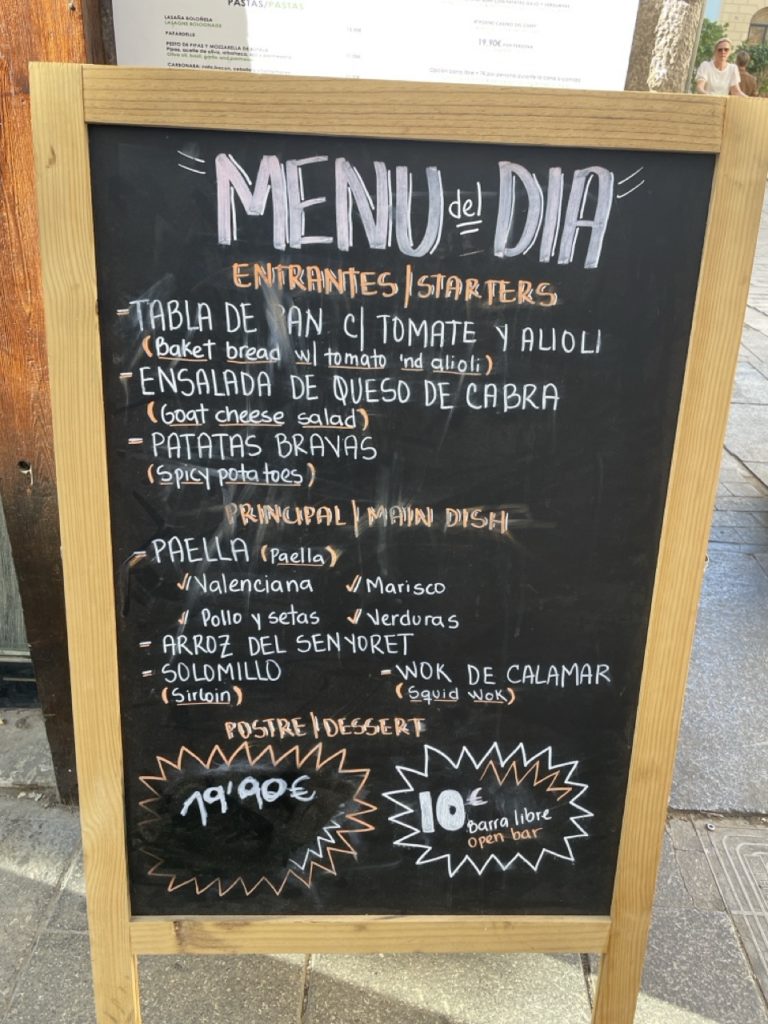
One of the best deals around is menú del día which is offered at midday (typically the largest meal of the day in Spain). Siesta, as I’ve mentioned once or twice, is the traditional work break from 1:30 to 4:30PM. Basically, just imagine that the restaurants work when no one else does (during siesta and after the working hours) and they rest (as in close their doors) when everyone else is at work. It’s a nice arrangement for everyone. All this to say, menú del día is a wonderful midday repast. These menus often include a starter, main course, dessert, wine, bread, and coffee and sometimes you even get a “chupito” to finish off (that’s a shot of some tasty digestivo type liquor). To get the best deal, it’s important to pay attention to small details. For example, the difference between “o” and “y” as in Postre y Café or Postre o Café. The “y” is better of course because then it means dessert AND coffee. Prices for the menú del día range from 8 Euros to around 15 Euros. Of course, some of the high-end restaurants charge more, but there are plenty of good options in the €8-15 range. So, we’re not too worried about breaking the bank!

 ¡Que Aproveche la Comida!  (Spanish version of Bon Appétit).

NOT A CHALLENGE Read More »

SHOP TIL YOU DROP

Buenas! (shortcut for Buenos Días, Buenos Tardes, Buenos Noches…a sweet and simple way to say “Hello” at any time of the day.) We had wonderful visit with Mark and Shannon during Valencia’s crazy annual festival – Las Fallas. Ed has some thoughts to share about that wild experience, but that’s another post for another day. Stay tuned. In the meantime, we’ve embraced the “shop til you drop” approach to life as an Expat.

Expat day #53

Mark & Shannon in Valencia!

El Corte Inglés is a Madrid-based department store chain (largest in Europe) with a big presence throughout Spain. The Valencia store is in two separate buildings – one is household stuff, the other clothing and personal care items. The El Corte Inglés household goods store feels like our second Valencian home. The six floors contain everything you could possibly imagine, and it can be a bit overwhelming. One day, I was looking for an iron and found the iron section in two rows – steam irons on one row, dry irons on the other. My decision to buy a plancha de vapor narrowed the options down to about 30. That’s right, 30 different steam irons to choose from. On our way out with my new iron, we passed the row displaying immersion blenders – 28 different brands.

It’s been a busy time in Valencia! We were so thrilled to have Mark and Shannon visit us for a week. We enjoyed sharing our new city with them. The week they were here was the final week of Valencia’s annual festival – Las Falles. Wow! What an experience that was! It’s difficult to describe the scene and the experience – think Mardi Gras on massive steroids with lots of firecrackers. Stay tuned for Ed’s insights about this amazing event.

Learning to Shop

We’ve made good progress making a home here. The new mattress is comfy, and the sheets fit! We make and receive calls using our Spanish phone numbers. We have a debit card to draw Euros from our Spanish bank account. We moved out of the temporary rental and are settling into our new place. Of course, this has required lots of shopping. Our three main shopping options have included El Corte Inglés, various el Chinos, and Amazon (still trying to wean myself). Each provide plenty of opportunity for learning!

Another item on my shopping list was a throw – you know, those small, decorative blankets we throw over the sofa. I thought I’d have to consult Google Translate to be sure the clerk didn’t think I was planning to toss a sofa somewhere. Instead, I looked around and saw the word “manta” on signs above blankets for the bed and I came up with “¿Tienes una manta pequeña?” It worked! (I’m so proud of myself for this small accomplishment, but also for finding that upside down question mark using my keyboard just now.) El Corte Inglés can be mentally exhausting. Fortunately, there’s a taxi stand just outside to make getting the goods home a breeze and a glass of wine to enjoy at one of numerous cafes near our new place.

Lastly, the Amazon shopping experience is a familiar one but does contribute to my goal of becoming more proficient at communicating in Spanish. Amazon’s Spain website allows me to shop and purchase items in English, but all the follow-up emails regarding purchases and delivery status are in Spanish. Then, there’s the process of navigating the Amazon app in Spanish to open the delivery locker in the nearby small supermercado.  

CHINA STORES

Shopping option #2 – el Chino. When we were here last September, there was a store we walked past every day that seemed like a version of a Dollar Store in the U.S. Lots of cheap stuff, all made in China. Some of our expat friends mentioned shopping at the “China Stores” and I wasn’t sure how I felt about using this term – if felt pejorative and disrespectful. Now, I’ve shopped in a few of these stores and learned a bit about them. Usually they’re called something like “Chino Bazaar” or “Asia Bazaar” but locals refer to them as “el Chino.”  They’re everywhere – so far, I’ve found four el Chinos within a 5-minute walk from our apartment. They vary in size, and all are absolutely stuffed with every conceivable item you can think of.

Some interesting background…until relatively recently, there were no convenience stores in Spain. Retail had always been a highly regimented and regulated affair: you bought your newspapers from the newspaper stand; your cigarettes (and bus passes?) from the tobacco store; medicine from the pharmacy; bread and milk at the grocer’s – or more recently, the supermercado (supermarket); etc. There are thousands of these little shops all over Valencia, and they have similar opening and closing hours. Typically, they are open from 10am to 1:30pm and from 5.30pm to 8.30pm (lunch is at 2 and is followed by siesta). While shops in the tourist areas are an exception, it’s not uncommon to find even supermarkets closed for 2-3 hours every afternoon. Don’t worry, we’re learning to enjoy siesta time!

Anyway, back to the el Chinos. It would have been almost impossible to find a Chinese person in Spain prior to the 1980s. (General Franco’s dictatorship wasn’t too keen on communist China.) Since the early 2000’s, identifying a need, Chinese immigrants have dedicated themselves to the opening of these stores. They are all owned and staffed by Chinese families who sometimes speak a little Spanish and usually no English. These stores have been a game changer for Spain. There are often rumblings in the press about how success of these stores’ rests on sweatshop labor practices. But, their products, and especially the very low prices, are very popular. So, the el Chino is now a feature of Spanish life.

The el Chino store has three main characteristics: it stocks a little bit of everything; it is not luxuriously outfitted (let’s just say they don’t invest much in appearances); and it hardly ever closes (definitely not for siesta). Inside the el Chino things are often somewhat ramshackle. Also, being open all the time, reinforces the stereotype that exists among the Spanish of the hardworking Chinese. In fact, in Spain, the phrase for killing yourself working is “trabajando como un chino” (working liking a Chinese).

PLAN B

This week brings more adventure. In addition to our regular visit to El Corte Inglés, we have an appointment at the Police Department to get fingerprinted for our residence card, cocktail hour with a big group of expat friends, and we leave for a 12-day get-away to Italy on Friday!

Adiós, hasta la próxima.

SHOP TIL YOU DROP Read More »
IT’S THE LITTLE THINGS

It’s the little things that can get you sometimes, right? Life as an expat is full of those little things…from banks to beds!

EXPAT DAY #34

First, to wrap up the bank account saga, I’d like to announce that after three trips to the bank, we have succeeded! The most curious thing about this experience is that we finally opened an account WITHOUT giving the bank any money. That means, of course, that at our initial bank balance was zero. However, because we were convinced by the person assisting us that we needed to buy a renter’s insurance policy, the first annual premium was automatically deducted from our account within minutes. This meant we were overdrawn on our first day of having a Spanish bank account. Kind of upsetting, but we were told not to worry; it won’t matter for a few days and there won’t be any fees. Crazy, right?

SPEAKING SPANISH

Did I mention there are two languages spoken in Valencia? Spanish (Castilian) of course, and Valencian which is a dialect of Catalan which is spoken in the autonomous community of Catalan, including Barcelona. (Valencia is in the autonomous community of Valencia.) All that to say that the word “plaza” in Spanish is “plaça” in Valencian. Likewise, street is “calle” (Castilian) or “carrer” (Valencian) – just a little confusing at times!

We’ve been working at improving our Spanish but hadn’t quite processed the need to learn Valencian as well. The local government makes sure it emphasizes the use of Valencian. For example, all signs and announcements are in Valencian, with Spanish translations underneath in smaller type. New street signs have the Valencian name for street (carrer), but older street signs (with the Spanish names) are only replaced when necessary. So, it’s common to see streets and squares referred to with their Castilian name, their Valencian name, or both. A bit of a challenge at times, but we’re getting the hang of it.

BEDS ARE COMPLICATED

We’re in the process of furnishing and setting up our new apartment. Our address is: Plaza Músico López-Chávarri, 5, piso 3, puerta 6, Valencia, 46003. That’s a lot to remember and spit out when someone asks about our address.

The priorities for getting our new place set up are: 1) setting up a place for Ed to work and 2) having a place to sleep. I’m working on the sleeping situation. There is a bed in the apartment, so you’d think this would be easy – buy bedding, wash it, assemble, lie down. Not so fast. I measured the bed to be sure I knew what size sheets to buy. My little tape measure told me the mattress is 55” x 78” which is not quite a U.S. queen (60×80). OK, maybe we can work with that if Ed remains on his 1/3 of the bed per our long-standing arrangement. Next, my handy-dandy calculator on my phone converted this mattress size to 139 x 198 centimeters. I Googled “bed sizes in Spain” and here’s that I got: “In Spain, standardized lengths are 180, 190 and 200 cm. Standardized widths are 80, 90, 105, 120, 135, 150 or 180 cm.” Seriously? Do we need so many options? As you can see, a width of 139 and length of 198 isn’t an option. UGH! It turns out the mattress is a not-so-comfortable IKEA product which resulted in the purchase of a new mattress – 150 x 200 cm (59 x 78 inches). This better – a more comfortable mattress and 4 more inches. I’ll even split those extra inches evenly with Ed!).

IT’S THE LITTLE THINGS Read More »
A HARD DAY AT THE BANK

Who new that opening a bank account could be so hard?

EXPAT DAY #17

A NEW HOME

On Friday, we signed a contract for along term rental in Valencia! Next step, set up accounts for the utilities – gas, electricity, phone & internet. No problem. we’ve done this a few times before. Over the weekend, we went to buy a SIM card for our cell phones, so we’ll have a Spanish phone number. The cell phone company (Moviestar) will also be our internet service provider and we figured out that to set up the billing, it would be much better to have a Spanish bank account. No problem. We put “open a bank account” on our to-do list for first thing Monday morning.

BANKING ADVENTURES

At 8:30 this morning (Monday), we were on our way to the bank. The bank we chose is a little over 1 kilometer from our apartment, so a nice morning walk. Except, it was nowhere to be found when we got to the address Google provided. Google gave us another option and on our second attempt, we found the bank, but were told that we could not open an account without our residence card which we won’t have until around mid-May. (Never mind that the bank’s website and a few of our expat friends said otherwise.) Our third bank attempt also failed because we didn’t have an appointment (a Spanish phone number is required to make an appointment).

Our fourth try was looking promising. After waiting a few minutes, we were escorted to Desk #8 where a friendly man invited us to take a seat. He spoke no English, so we communicated via our very limited Spanish and help from Google Translate. We presented all the documents that we knew would be required. Then, he asked for proof of income and said that our 2021 U.S. Tax Returns, proof of my Social Security payments, and Ed’s Helix income would suffice. It was amazing to watch Ed access our personal server using his phone and produce these documents within about a minute. I’m impressed! We were feeling hopeful until he asked for our Spanish phone number. UGH!!  Then, he agreed to let us use a friend’s number and were thrilled for a moment until he told us that he had other clients waiting (they had appointments) and we’d have to come back tomorrow.

Time for a café con leche and a good laugh.

GOING IN CIRCLES

Over coffee, we decided to go back to Movistar and get a Spanish SIM card with our U.S. credit card and then change the billing information later. We were in luck! A very friendly English-speaking young woman suggested we buy a pre-paid SIM card, so we’d have a Spanish number to give to the bank and then come back and transfer the new phone number to a phone and internet contract. (Seems like we could have thought of that or, maybe one of the dozen or so expat websites we researched might have suggested it.)  I’m not exactly sure why, but she said we’d need to come back tomorrow to do this. Oh well, laugh and move on. Mañana it is!

A FRENCH CAFÉ ALWAYS HELPS

We stopped at a favorite bakery and bought a loaf of bread and almost 5 kilometers and 4 ½ hours later, we arrived back at our apartment without a Spanish phone number or a bank account, but we did have a loaf of bread! We decided we’d earned a nice lunch. We walked to a little French café near our place and treated ourselves to a bottle of wine along with lunch. We made it home just in time for siesta. “Open a bank account” is on our to-do list for mañana.

A HARD DAY AT THE BANK Read More »
NOT SO SIMPLE

A few simple and familiar things can mean a lot while adjusting to life as an expat. It’s not always (usually?) easy, but the effort is worth it.

EXPAT DAY #10

We’re back in Spain! This time, we’re figuring out how to live here rather than being in tourist mode. I’ve read that living abroad is an enriching experience because it forces you to adapt to things that are unfamiliar. This means being open to new, exciting, or even terrifying challenges that you would never have encountered at home. The reward is the opportunity to learn and grow as a person. So, here’s some of my recent challenges (none have been terrifying) and what I’m learning.

METRIC CHALLENGES

Let’s start with measuring stuff. A liter is close to a quart. A meter is about the same as a yard. So far, so good. However, a centimeter isn’t even close to an inch. Walking for two kilometers isn’t as impressive as it sounds; it’s just a little over one mile. Buying a kilogram of fish means we need invite some of our new friends over for dinner!

PEANUT BUTTER ADVENTURE

Once I figure out how much I want, the next challenge is finding words. Google Translate can be helpful but is not always reliable. We were in a Supermercado (Supermarket) the other day and I was hoping to find peanut butter. After walking up and down all the aisles, I decided to ask for help. Before approaching the clerk, I asked Google to translate “peanut butter” and I got “mantequilla de mani” – OK, I know mantequilla is butter, so mani must be peanut. Perfecto! I’ve got this! When I approached the eager to help clerk, I said, “Donde es mantiquilla de mani, por favor?” Nope. He shook his head. Next, I showed him Google’s translation on my phone, he shrugged and shook his head again. So, back to my phone. I found a photo of a jar of peanut butter with peanuts scattered around it. When I showed him the photo, the clerk nodded, smiled, and said, “crema de cacahuete!” as he summoned another employee to guide me to the proper aisle. I made a mental note to sort this out later and when I finally found my treasure, the label on the jar was “PEANUT BUTTER.” Fifteen minutes after starting my search, I finally had one item in the cart. I felt so proud of myself!

GOOGLE COMES TO THE RESCUE

Another recent adventure was purchasing a sewing machine. We found a tiny little shop where the only person there spoke zero English. She had a couple of sewing machine brands that I am familiar with, and it was easy to point and hold up my credit card to indicate I wanted to purchase it. Then, I remembered I needed a couple of special accessories that must be purchased separately. Imagine the Google translate scenario above. This time, however, I needed to ask for a “walking foot” and a “quarter inch quilting foot.” What did we do before smartphones?

Para llevar (take-away): Slow down. Enjoy the process. Savor the journey. Laugh.

NOT SO SIMPLE Read More »
Scroll to Top