Land of Myth and History
My grandchildren (ages 5, 7, and 9) were arranged in a disheveled tangle around me on the leather sectional, fresh popcorn, pillows and stuffies spilling about. In my best melodramatic voice, I slowly read the chilling description of the Cyclops holding our hero and his men captive in the back of a dark, dank cave, “. . . broad and ugly, with a jutting nose and a thick, heavy brow.” Their rapt faces testified to the enduring power storytelling holds in our lives. I marveled as Homer’s tale of Odysseus’ struggles with sirens, sea monsters, and witches held this newest generation spellbound nearly 3,000 years after it was first recorded in the 8th century, BCE. I have to admit that the story still holds me spellbound! And so it was, with this sweet scene still in my heart, that we set off for the magical islands of the Ionian Sea, home to Odysseus, where Greek gods and legends lurk around every rock. And, of course, another rendevous with Mark and Shannon.
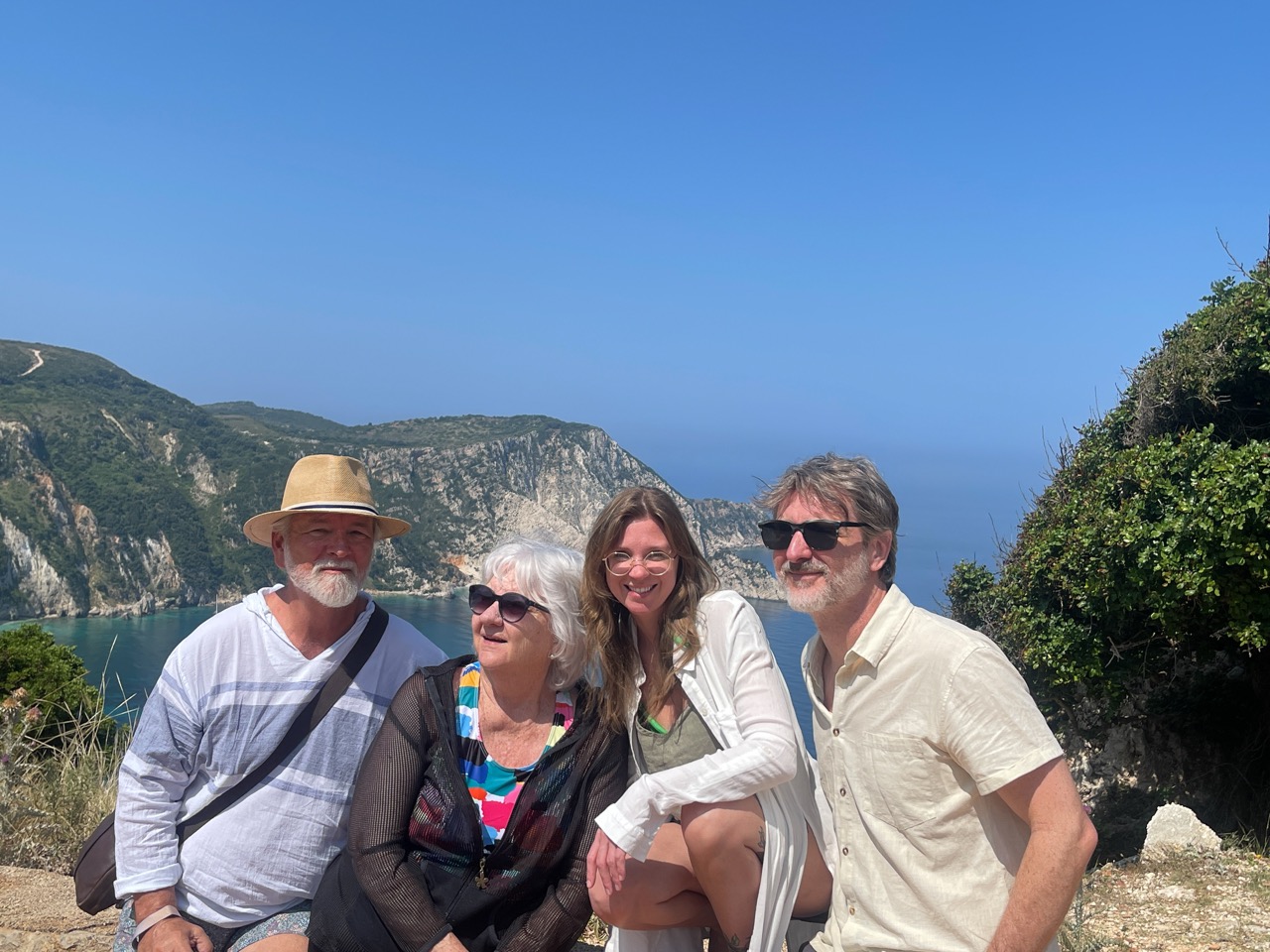
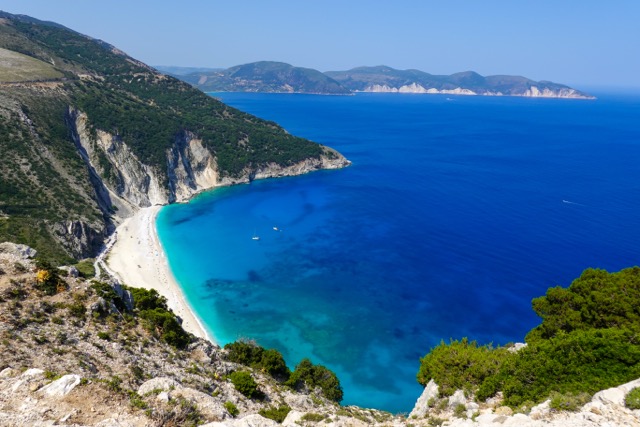
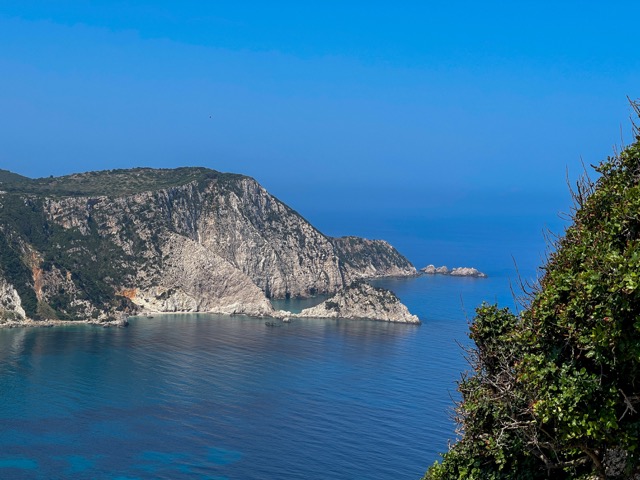
According to the internet, there have been 33 movie adaptations of the Odyssey with number 34 (a Christopher Nolan epic) set for release next year. The story of Oddesseus’ 10-year journey home from the Trojan War has been retold countless times yet retains its hold on our imaginations. There is some speculation that the Greek island of Kefalonia, our primary destination, was the actual site of Odysseus’ kingdom rather than its neighbor, modern day Ithaca. We decided on an itinerary that included both, just to be sure we’d cover all the bases. Also, you know, more beaches.
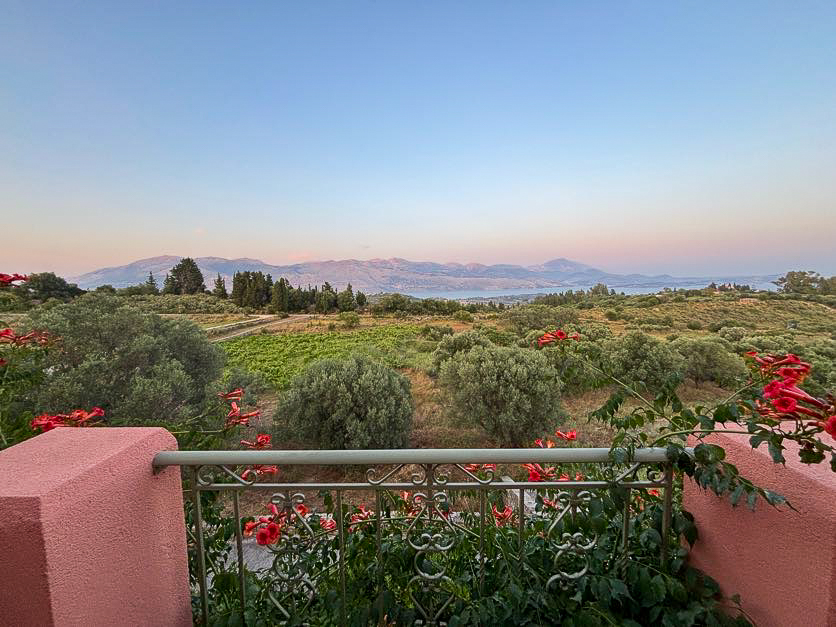
Our host on Ithaca has her own remarkable story. Angela is a daughter of Kefalonia. Her ancestors were Normans who first settled here sometime in the 11th century, were brutally massacred by a rival clan in the 15th century, then returned to start again a couple hundred years later, reestablishing the family estate under the Venetian rulers of that era. In the 20th century, Angela’s family migrated to the U.S. where she was raised and became a high-school English teacher in the Bay Area. It was a summer visit at age 17 that planted the seed. The family estate at the heart of the Paliki peninsula, now 250 years-old, neglected and uninhabitable, began to tug at her consciousness.
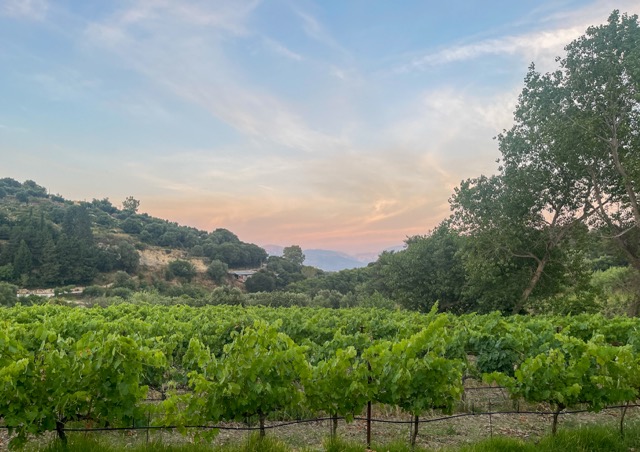
One of my favorite moments of Homer’s tale about Odysseus comes near the very end. Odysseus has finally returned home, and his beloved wife, Penelope, who has been chaste and steadfast for all the years of his absence, fears the gods may be playing tricks on her and is having trouble accepting that this is really her long lost husband returned. That she is a very cunning woman is clear from the machinations she conceived to survive two decades of her husband’s absence. So, as a test, she casually tells her maid to move the couple’s bed to another room. Odysseus immediately intervenes, protesting that the bed cannot be moved. He knew, having built the bed himself, that one of the bed posts was actually a rooted, living, olive tree! Having passed her sly test, Penelope falls into his arms at last.
Angela, it seems, may have a similar connection to these islands.
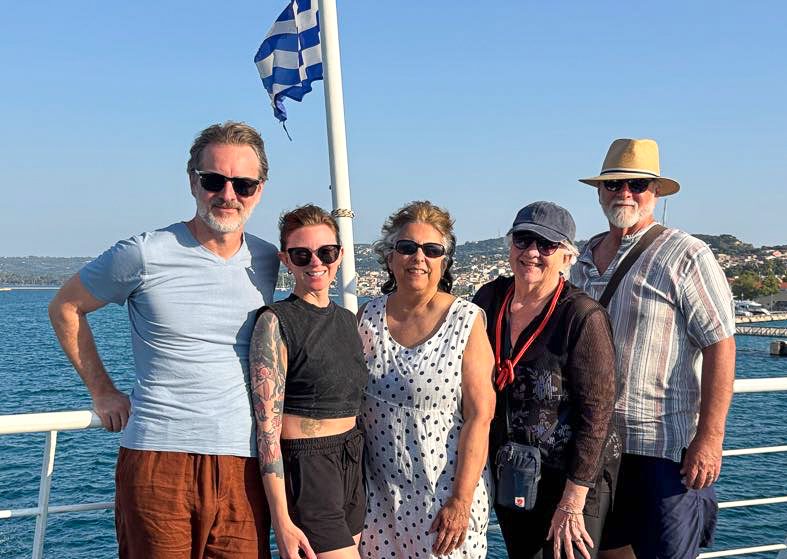
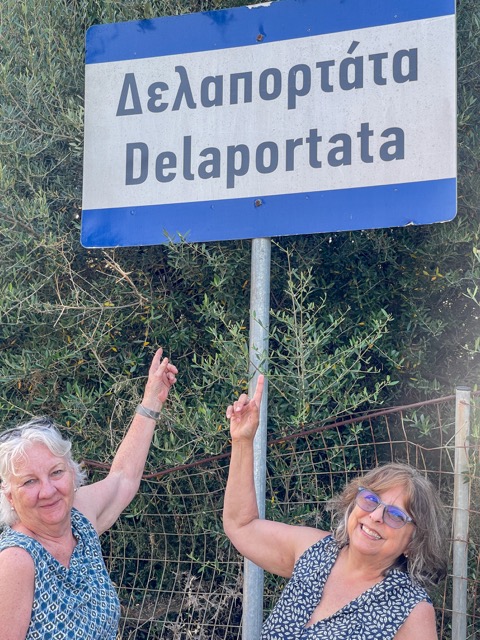
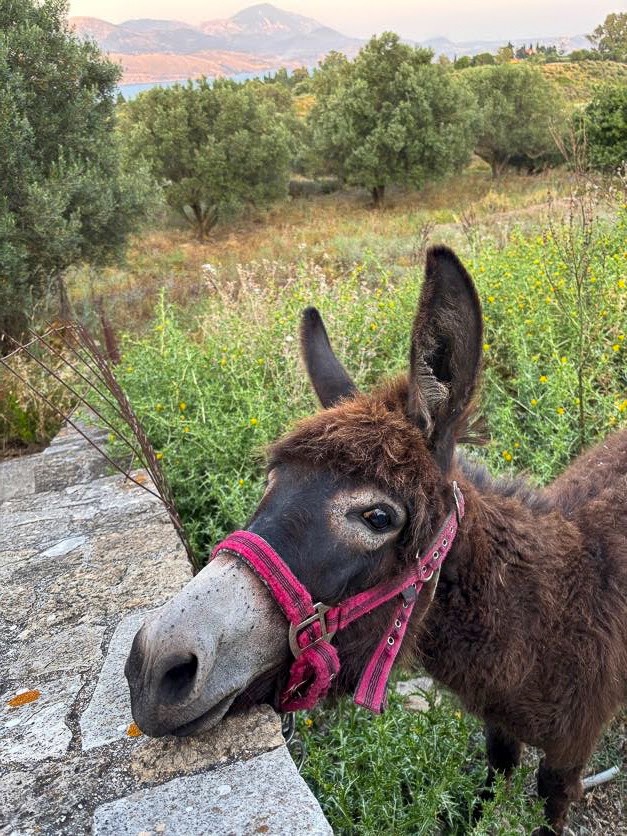
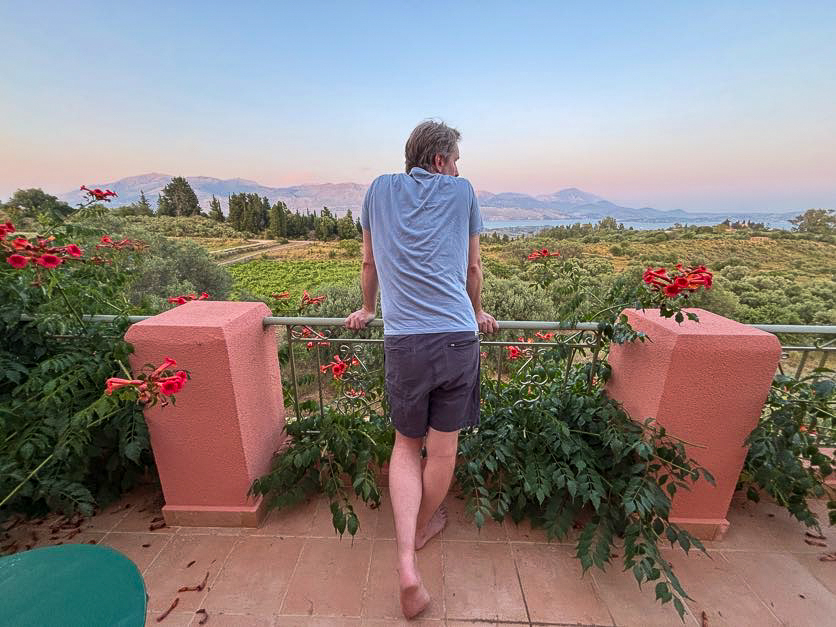
The legacy and stories were too much to resist, and she began rebuilding her ancient family home more than 20 years-ago, exploring its history, reestablishing relationships with local families, hiring local craftsmen, and learning the ways of the island’s agriculture. Slowly, one summer at a time, she has transformed 40 acres of neglected olive trees and vineyards into an estate, and herself from schoolteacher into mistress of the Delaporta legacy. We formally declared her the Duchess of Delaportata. Her hospitality and generosity were extraordinary and made our time on the island a profound experience.

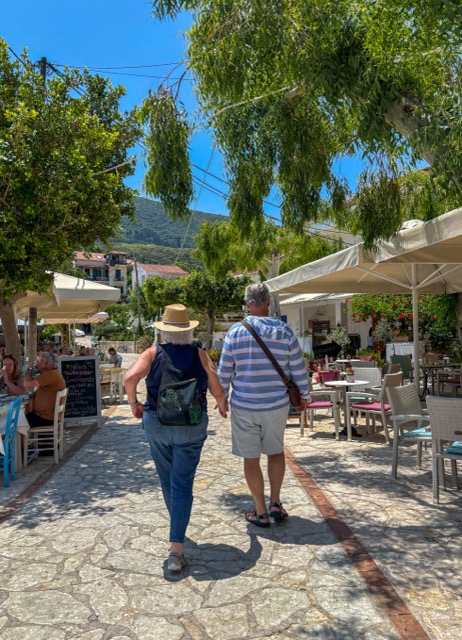
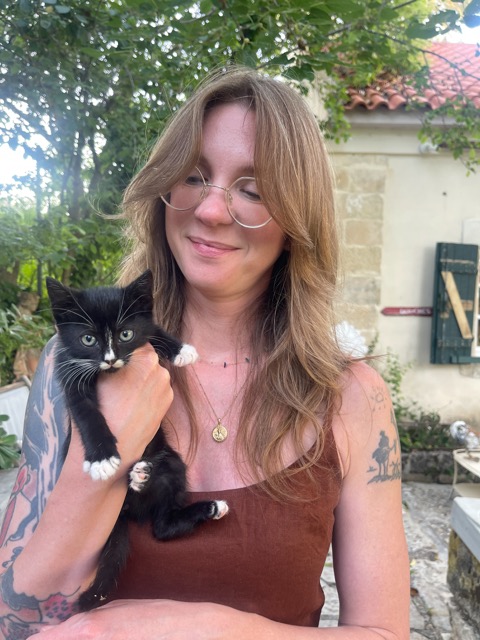
How privileged we are to have had such an inside view of Greek island life! The best tavernas, beaches, shops, wineries, villages and viewpoints were all ours. While Kefalonia receives a significant number of visitors, this is not the tourist mecca that so many of the Greek islands have become with cruise ships inundating the ports, and people jamming the narrow village lanes. It is a rugged landscape of rocks, mountains, chaparral, and forest that is circumscribed by the stunning blue of the Ionian Sea. It was also the place I was required to observe my &#%th birthday. So, to celebrate, we embarked on a day in pursuit of myths and legends on Kefalonia’s famous neighbor – Ithaca.
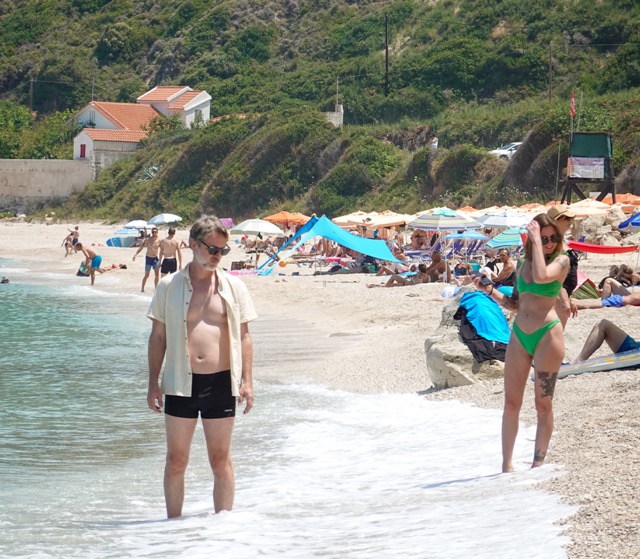
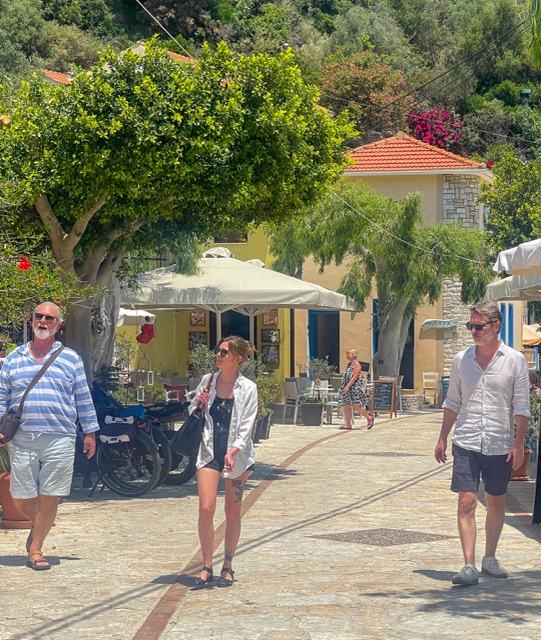
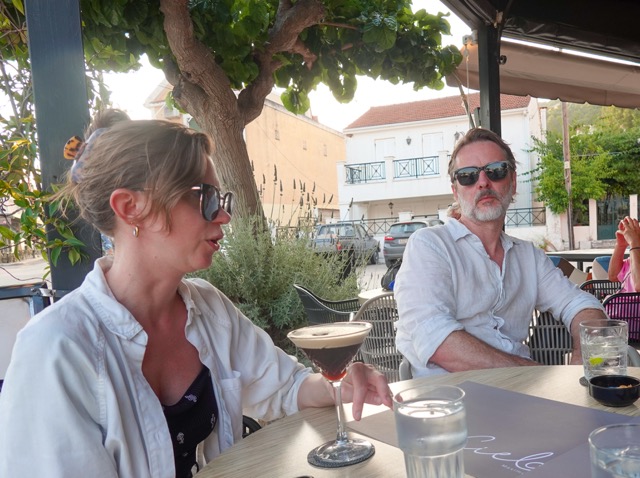
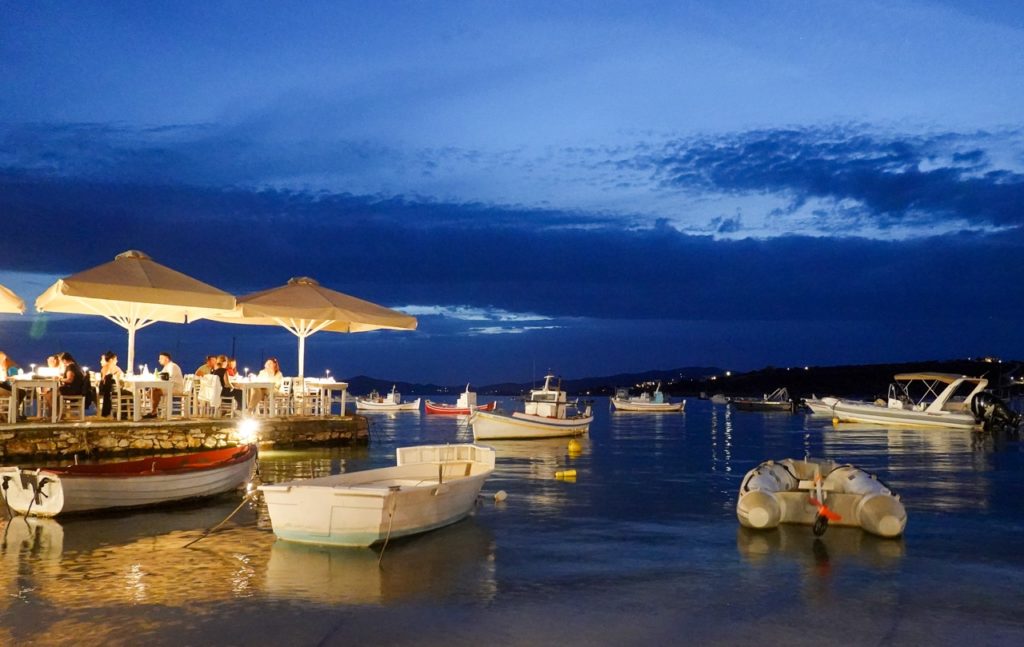
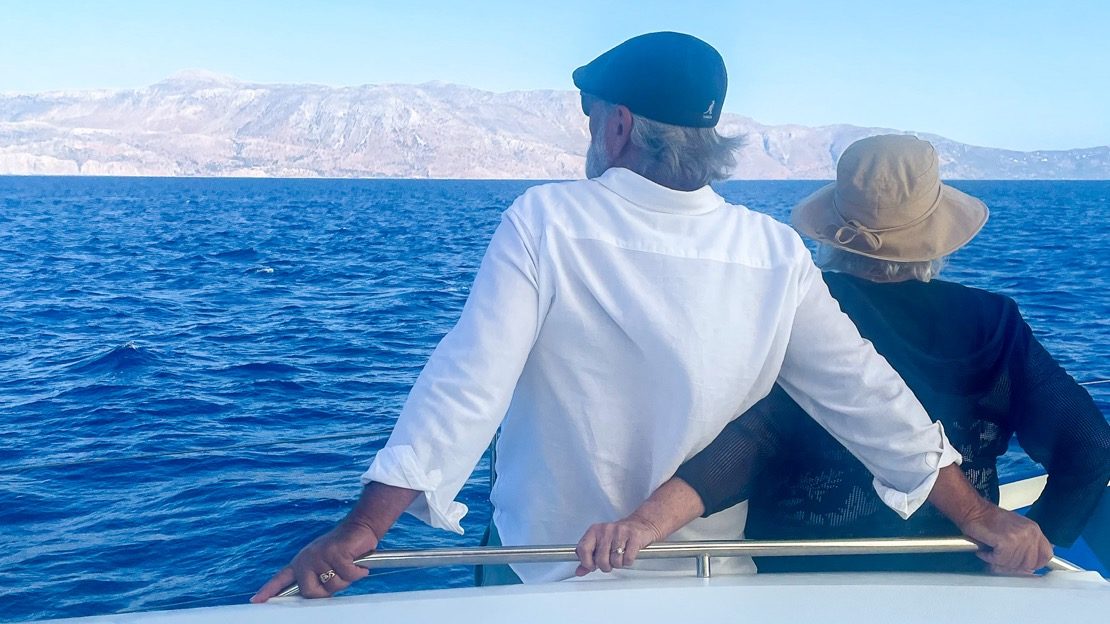
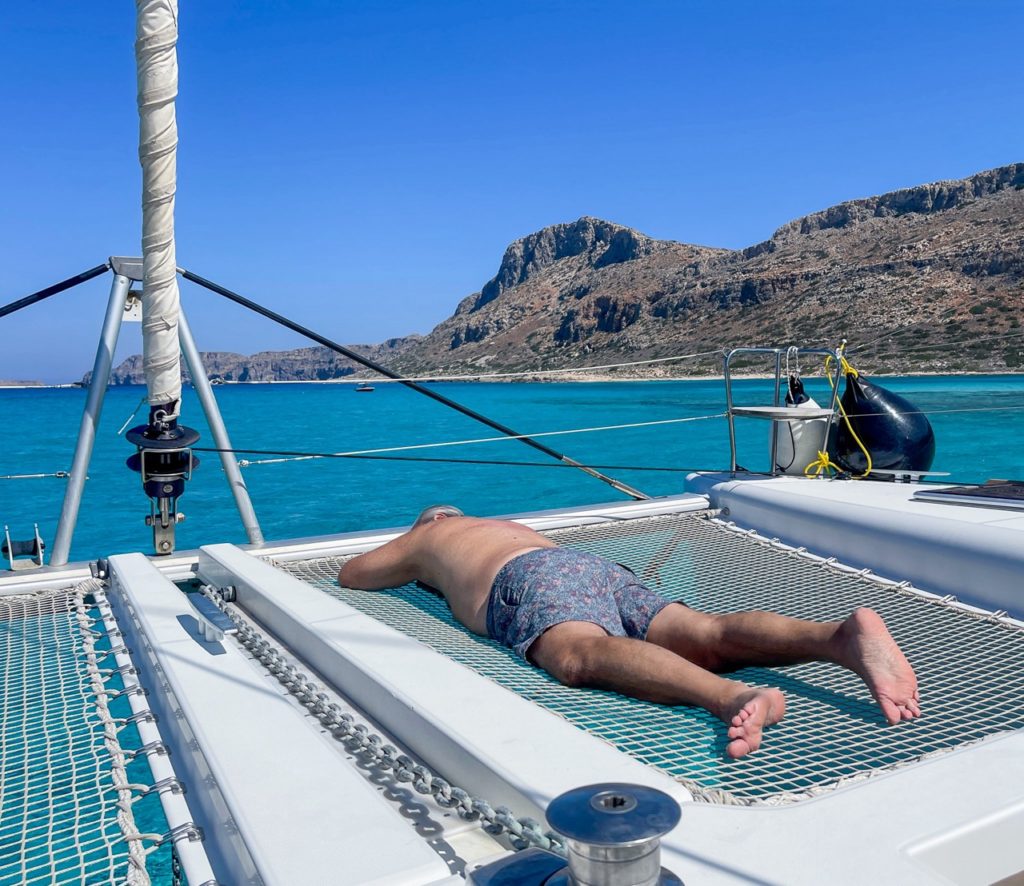
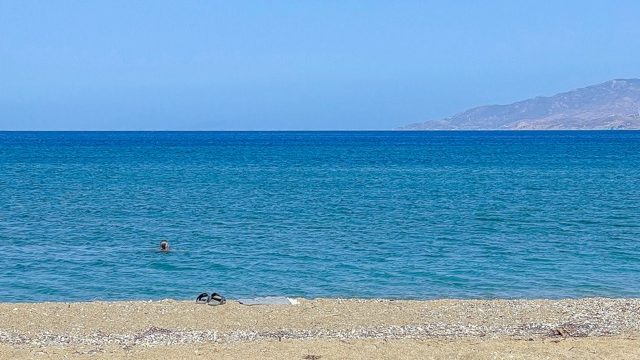
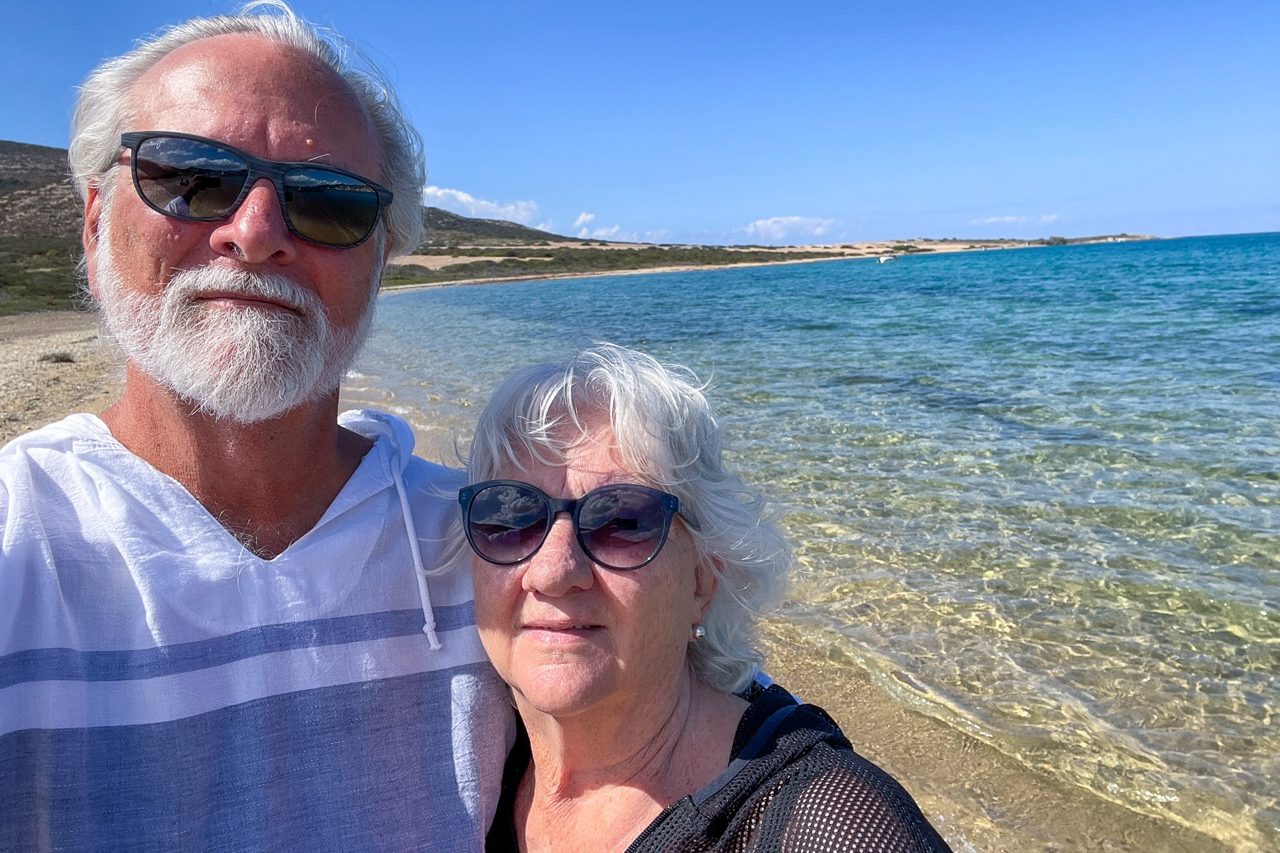
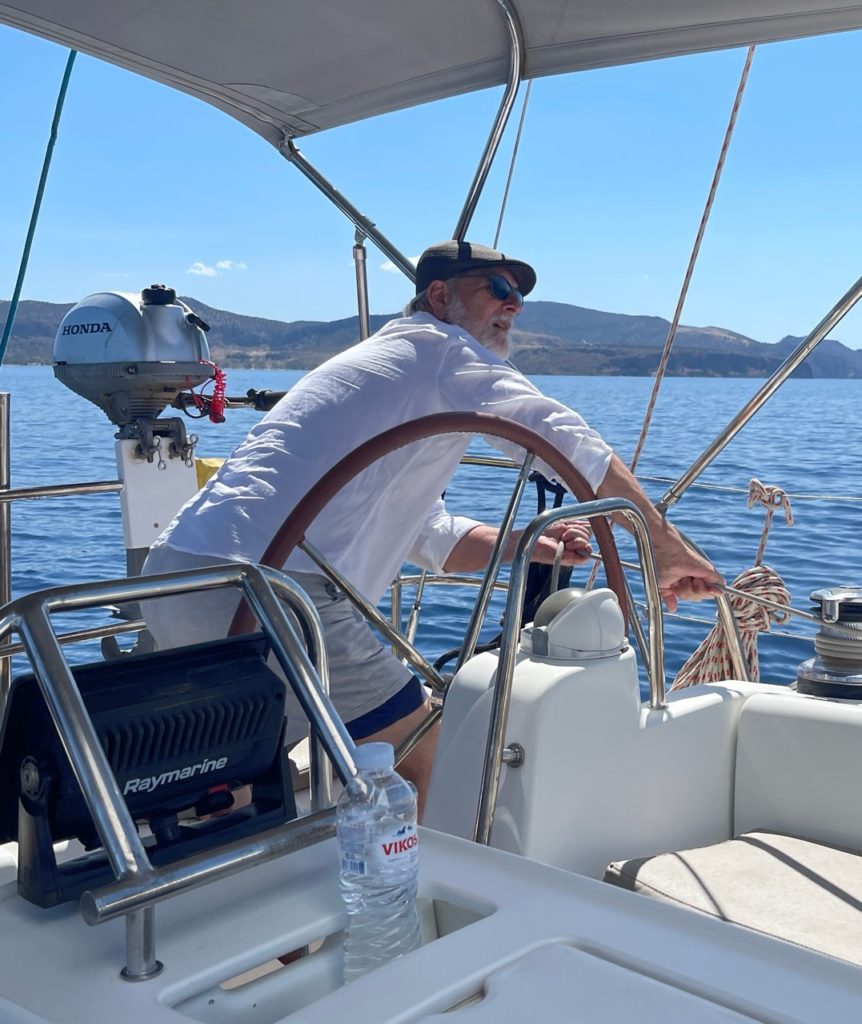
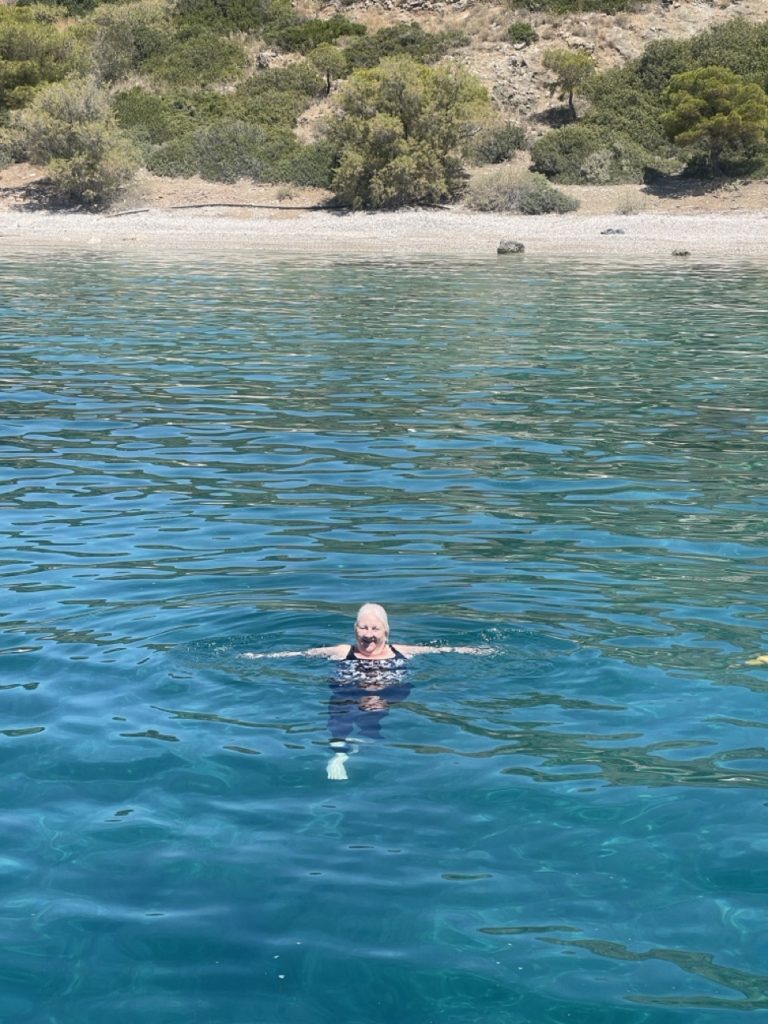
It has become clear to Bonnie and I that nothing the Mediterranean has to offer is better than sailing into a small, secluded cove, dropping anchor, and sliding into the welcoming sea. It’s like a narcotic – the more times you experience the euphoria, the more times you want to repeat it. Our charter captain promised us the finest Ionian swimming spots, but first, we would have to track Odysseus across Ithaka. We found Lilly, the 36-foot sailboat that would be ours for the day, tied to the quay in Agia Effimina, a small fishing village on the east side of the island. (Ask Bonnie, sometime, about walking the single plank across to the stern of the boat.) Our itinerary began with a quick trip across Steno Ithacis (the Straight of Ithaca) where we met our tour guide for a half-day trip through history and myth.
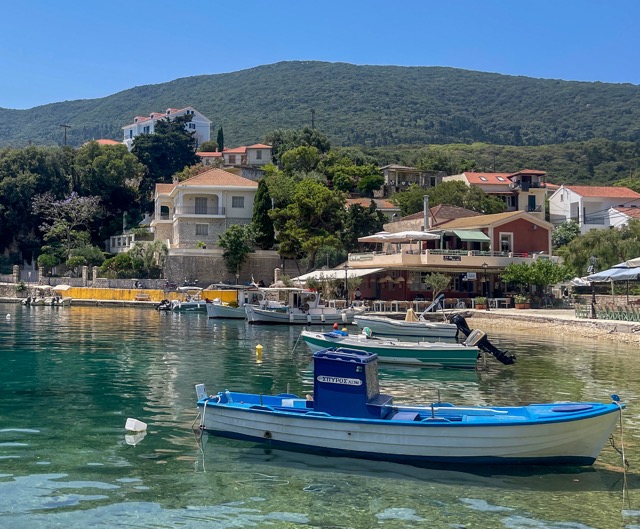
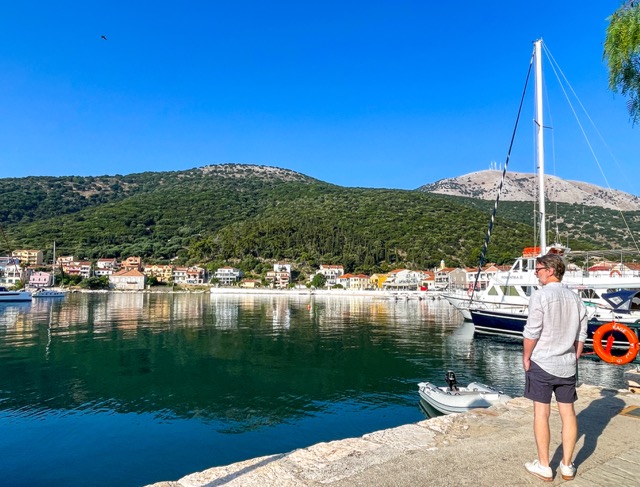
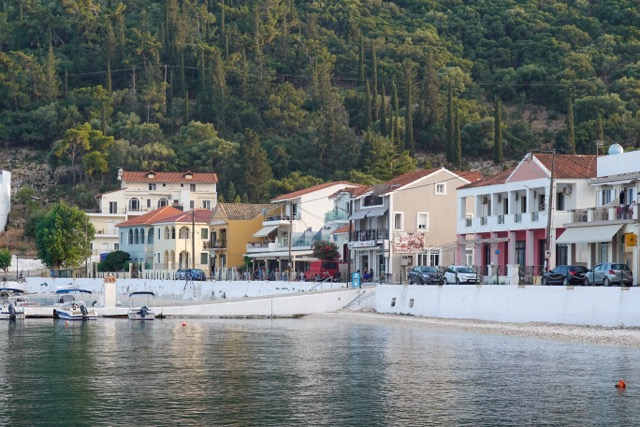
Our timing was somewhat unique. The week of our visit, the Greek Ministry of Culture released the news of a major new discovery at one of the most important archaeological sites on Ithaca, known as the “School of Homer”, and the primary destination of our little expedition.
The site’s significance grows exponentially with the confirmation of a sanctuary dedicated to Odysseus, evidenced by two newly discovered inscriptions from the late Hellenistic period: ΟΔΥCCEOC (Odysseus, genitive) and ΟΔΥCCEI (Odysseus, dative). These epigraphic findings align with a 1930s discovery in the Polis Bay cave, which bore the inscription “ΕΥΧΗΝ ΟΔΥCCΕΙ” (“Thanks, Odysseus”), and support the longstanding theory of hero cult worship centered on the island’s most famous son.
A miniature bronze bust of Odysseus and multiple ritual artifacts—including 34 fragments of clay votives, loom weights, gold and bronze jewelry, and over 100 coins from various city-states—underscore the site’s religious and social significance during the Hellenistic and early Roman periods (3rd century BCE – 2nd century CE).
. . . This discovery brings us closer than ever to verifying the physical roots of Homer’s epic legacy. Whether one views Odysseus as a myth, a man, or both, the sanctuary in northwestern Ithaca offers compelling evidence of his heroic cult and cultural importance across millennia.
As excavation and conservation efforts continue, the School of Homer stands not only as an archaeological treasure but also as a symbolic link between myth and historical memory—a place where Odysseus, king and wanderer, is honored in stone, inscription, and enduring human fascination.
Greek Ministry of Culture – June 9, 2025
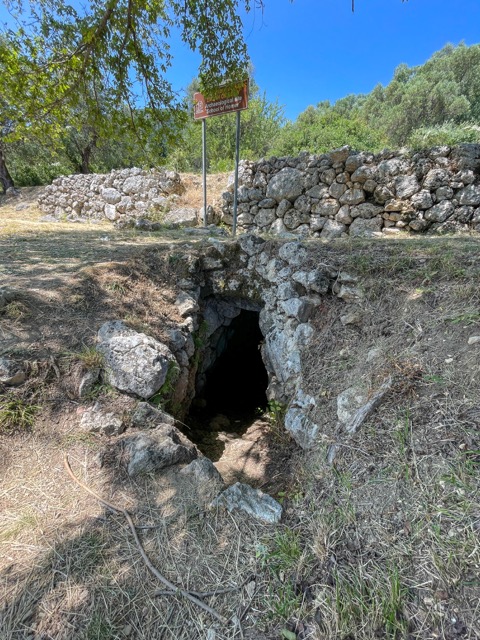
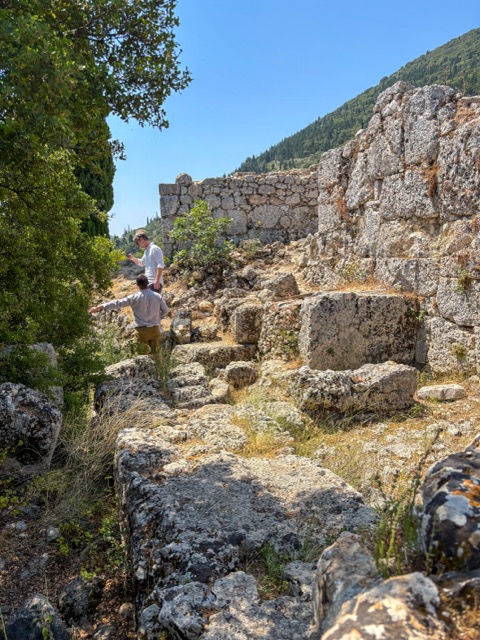
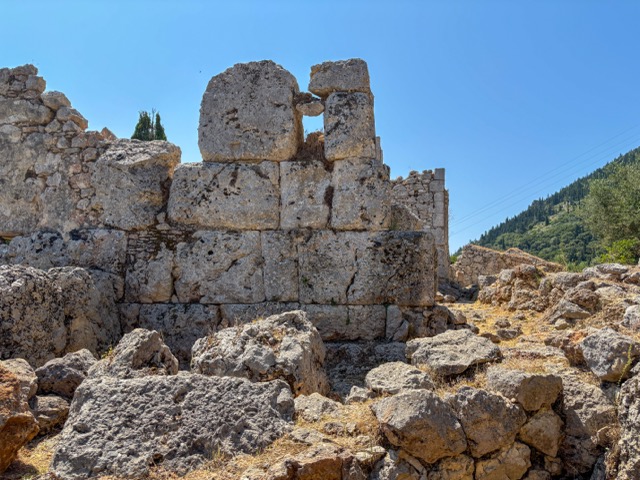
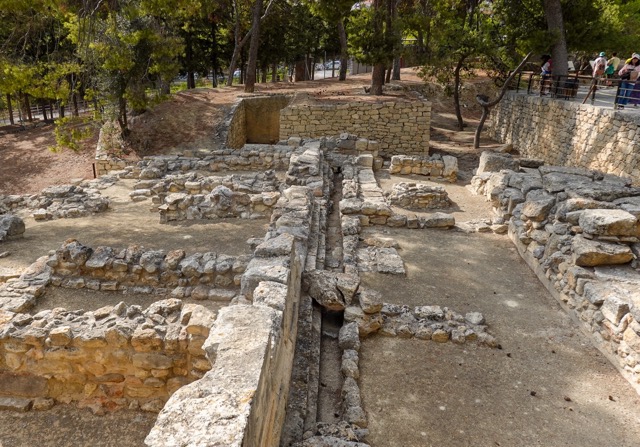
When we arrived at the site, the guide took us immediately to the location of the find described above, an underground cistern that had just recently been uncovered. There we stood, staring into a spring, lined with stone more than 3,000 years-ago, which may have served as the water source for Penelope and her household while Odysseus battled sea monsters to return home. “ . . . Loom weights, gold and bronze jewelry . . .” The words sent my mind spinning, Homer whispering in my ear tales of a wife, working at her loom, spinning scheme after scheme, holding her community together, buying time for her beloved husband to return to her here, on these terraces of rock, overlooking the sea on which he had disappeared.
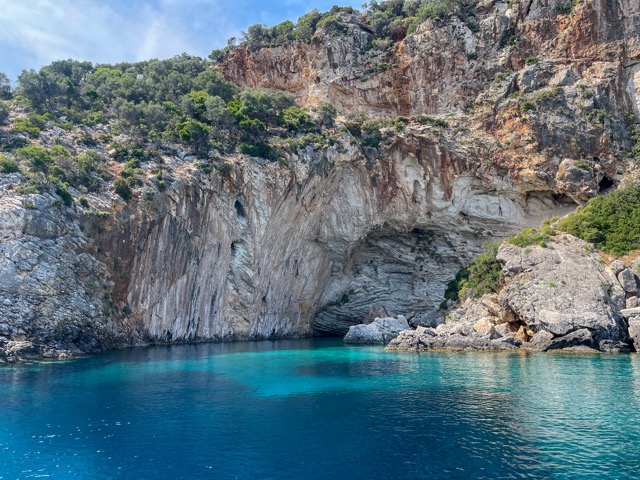
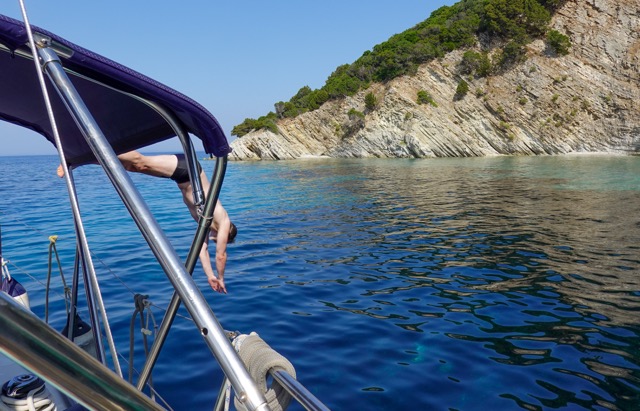
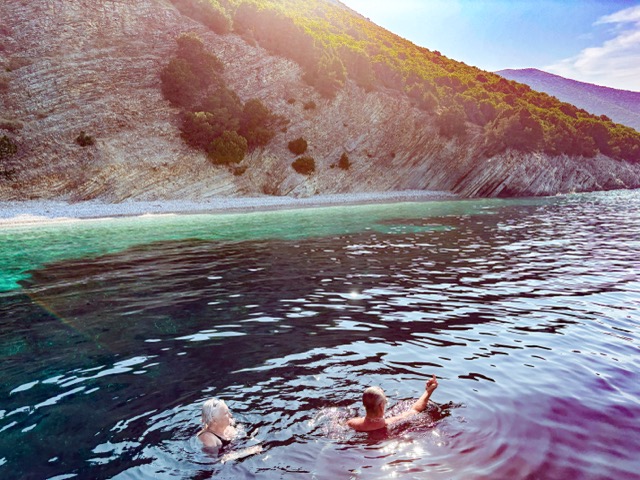
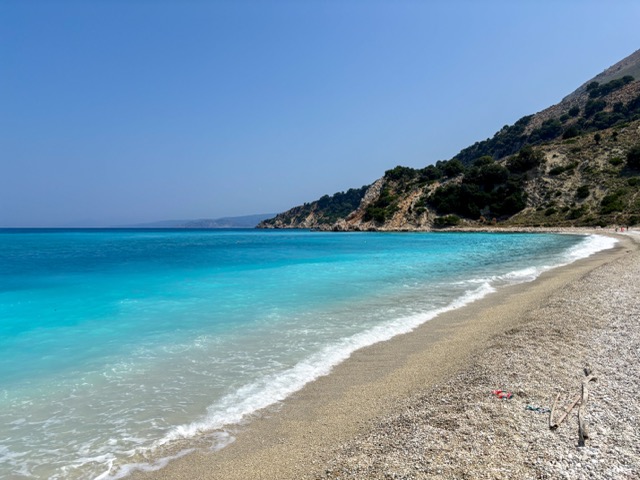
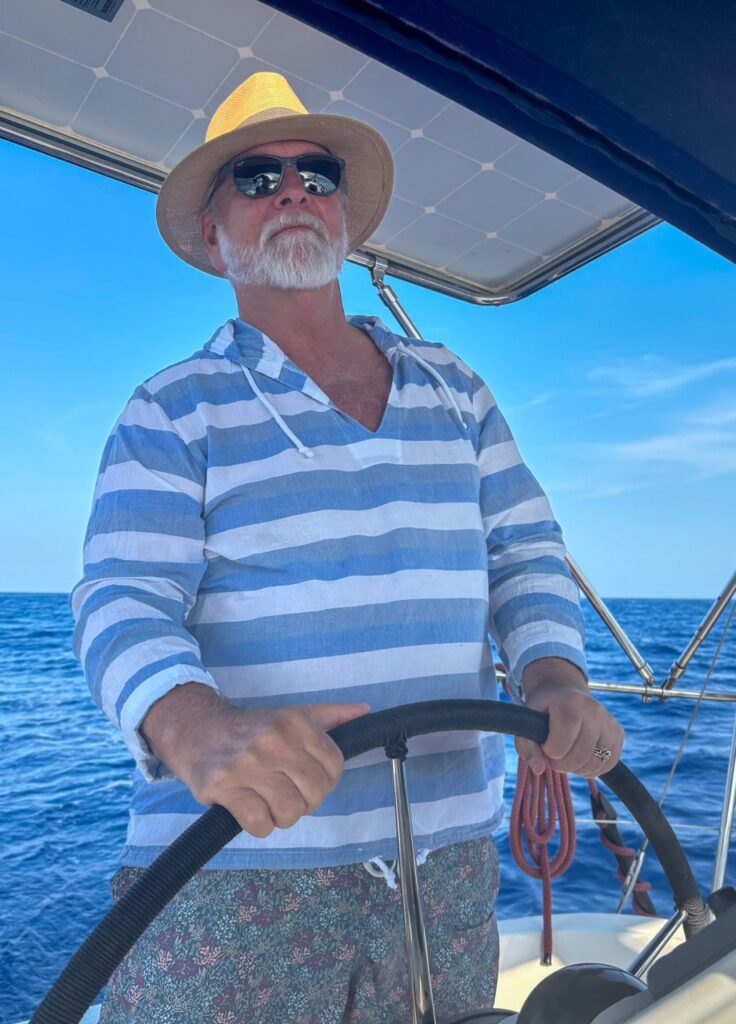
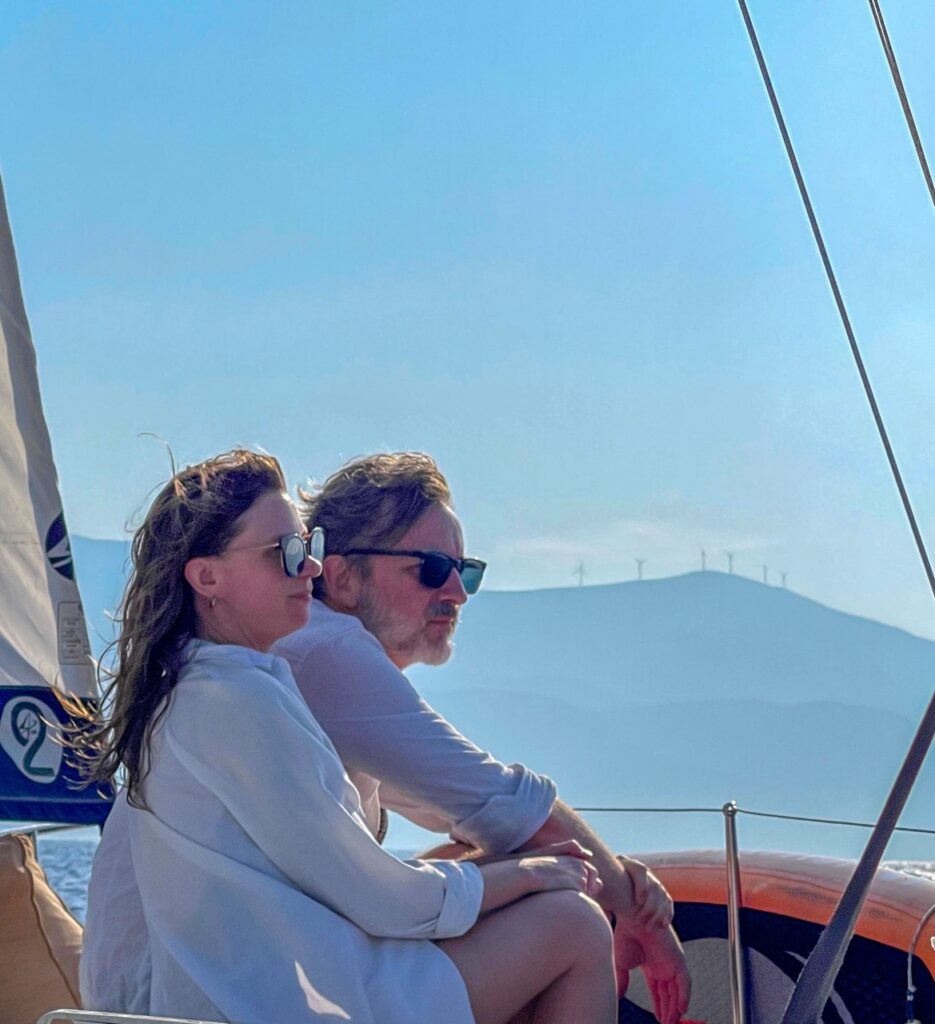
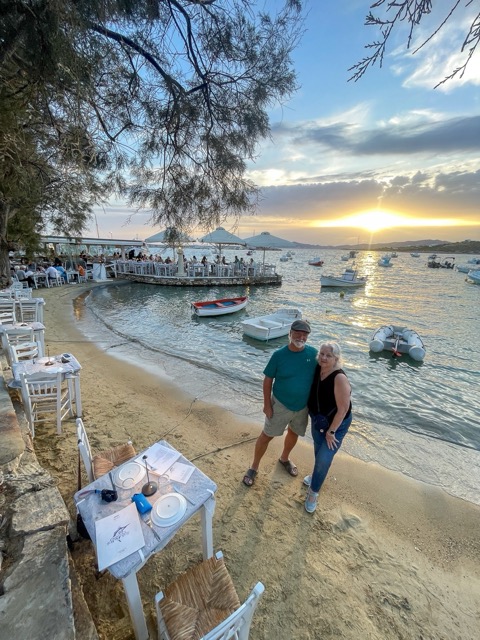
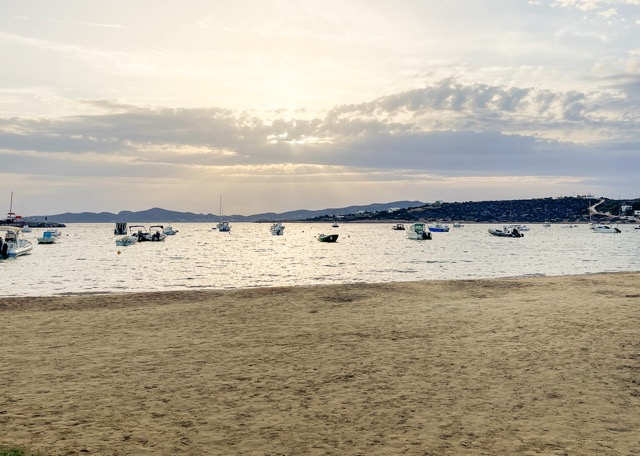
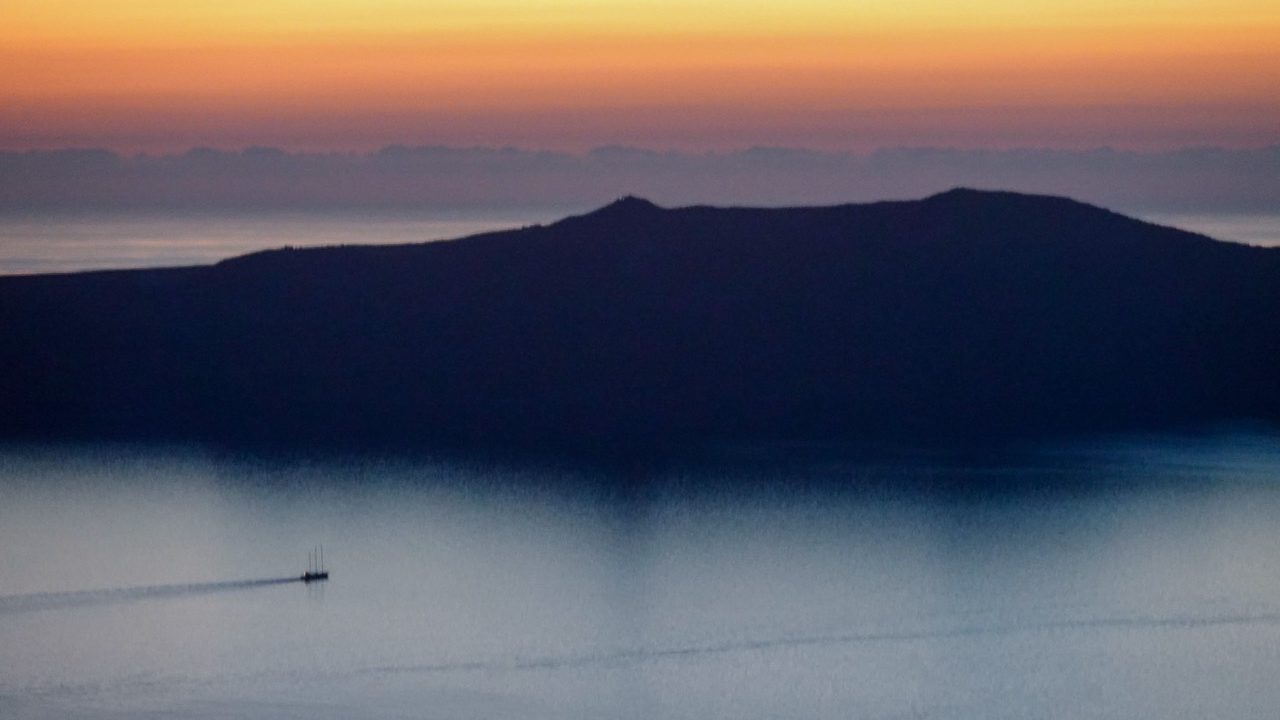
We wound our way down from the site, breathtaking views of the island and water around every bend, toward the village of Kioni for a seaside taverna lunch before reembarking on the Lilly for an afternoon of sailing and swimming. The day was giving way to sunset as the last of the breeze faded and we were forced to take down the sails and motor back into port back on Kefalonia. In my mind, I heard the creek of wood, the zing of rope, and the collapse of canvas, as the call went up to man the oars for home – Odysseus’ gaze searching the horizon.
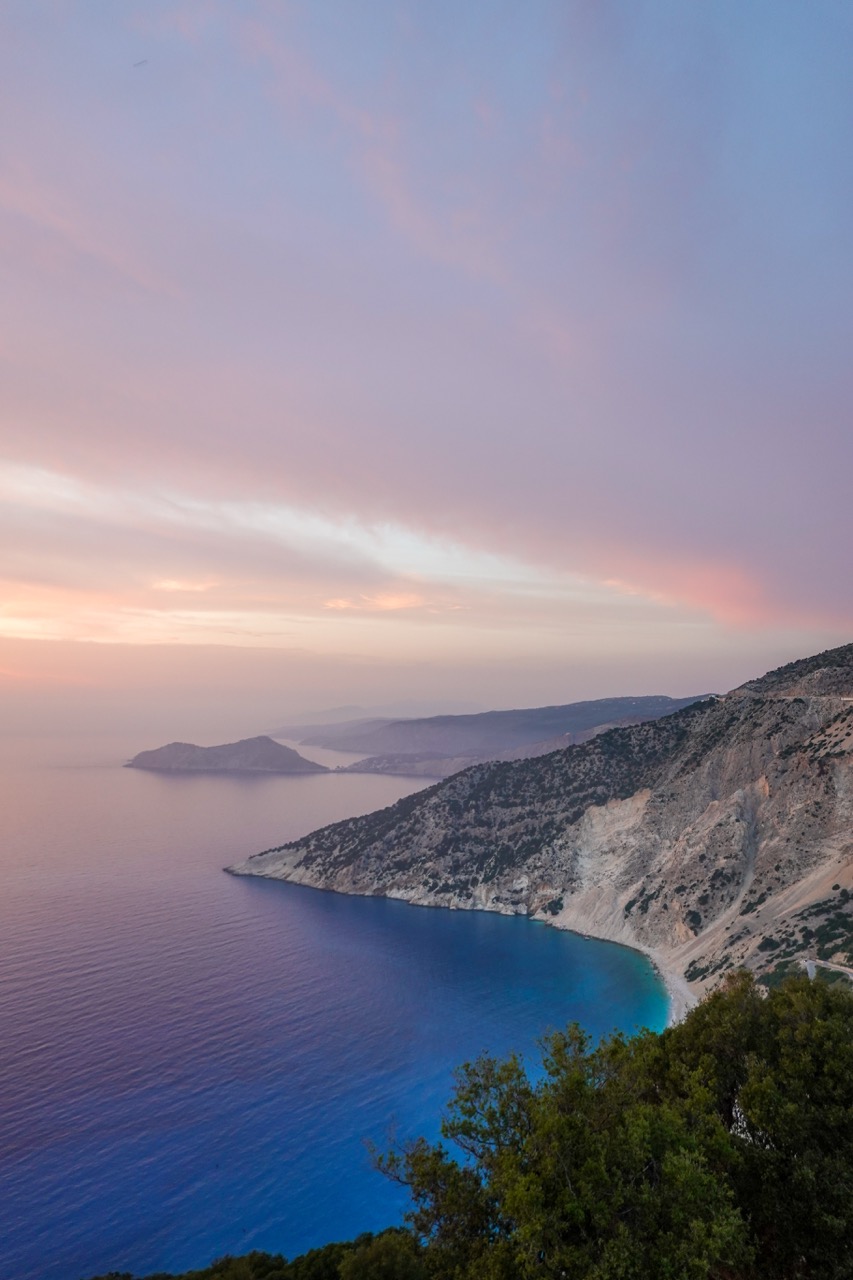
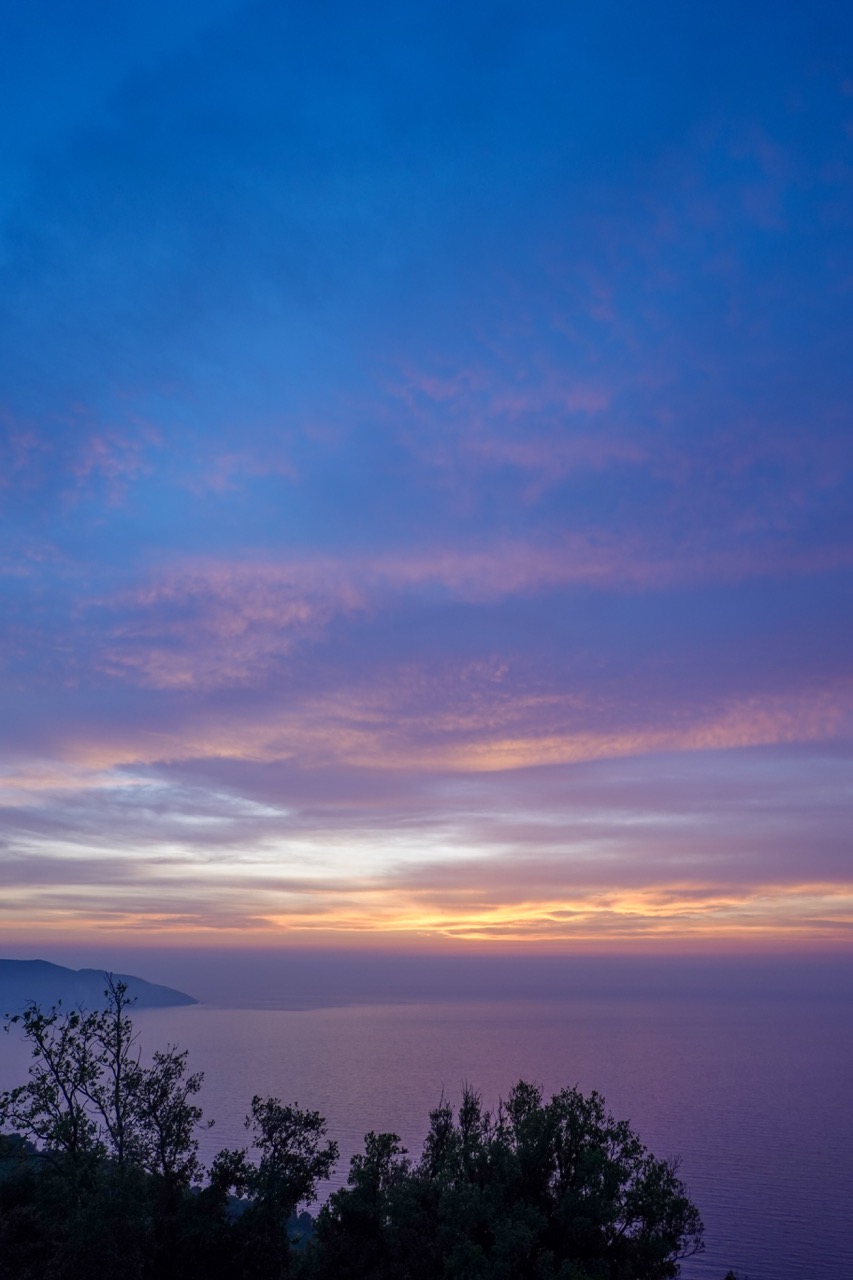
What a birthday!
Land of Myth and History Read More »