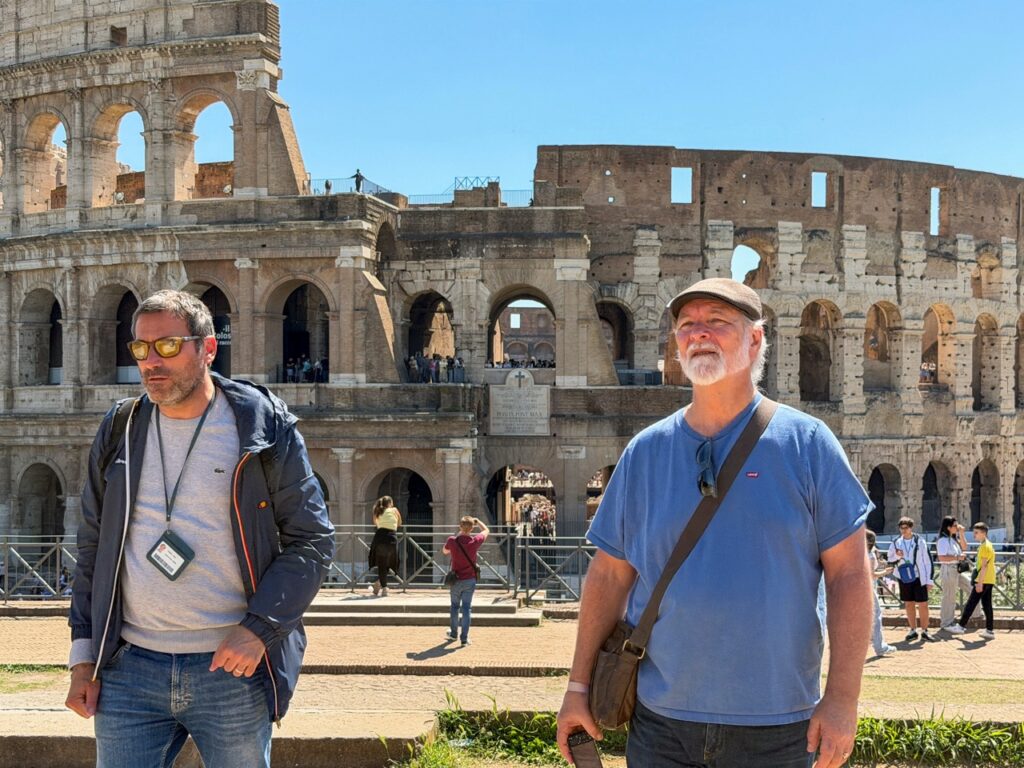
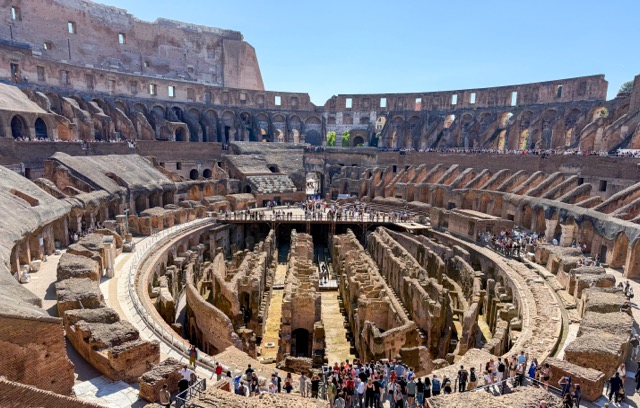
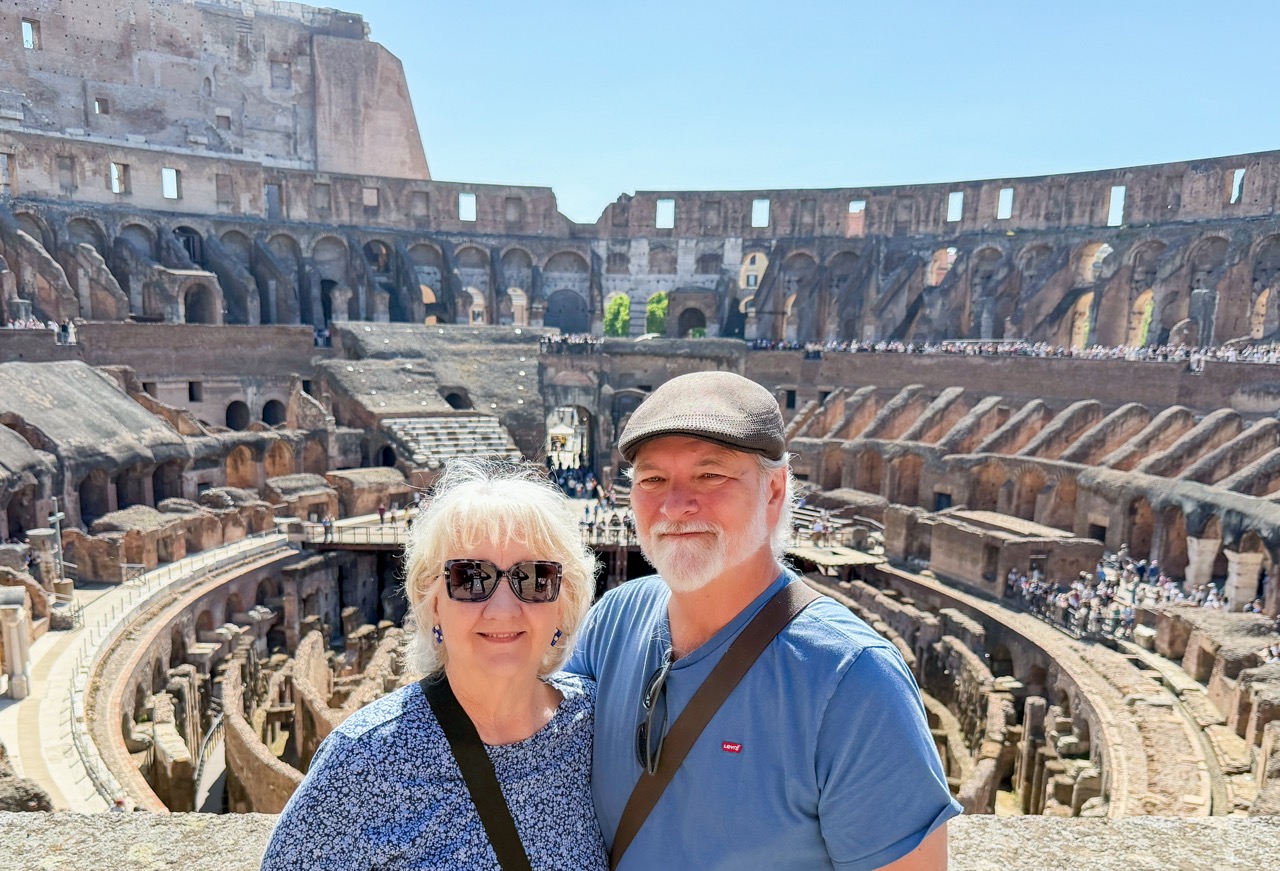
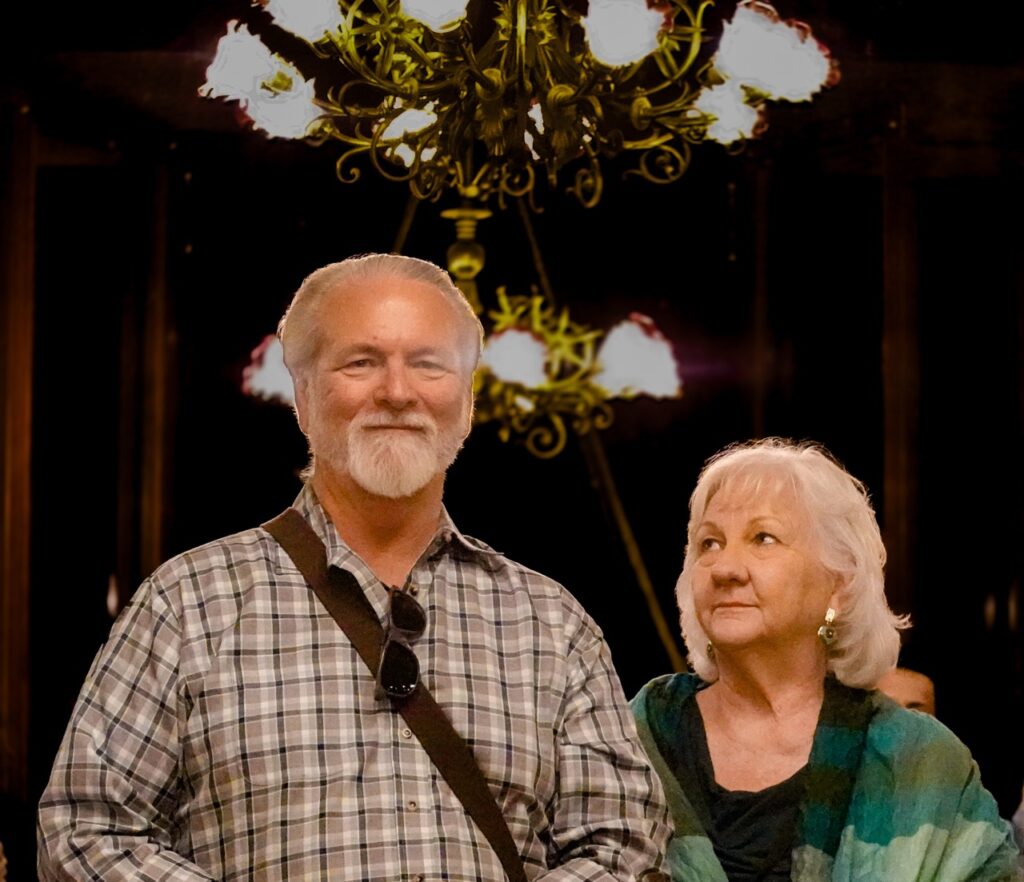
We agreed, Ed and I, that we would write about overtourism. It was going to be thematic, maybe even brutally honest. We had the titles ready: Rome: The Weight of the Past, and the Weight of the Crowd; Tuscany: Beauty Under Pressure. Cute, right? We had the evidence. We had, in fact, been traumatized by the crowds in Tuscany — turned away from not one but two restaurant reservations in two different hill towns, which is either a travel disaster or at least a feat of impressive logistical failure, depending on how you look at it.
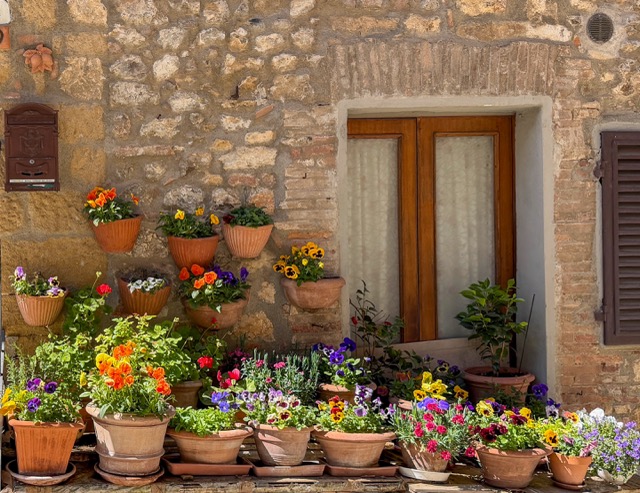
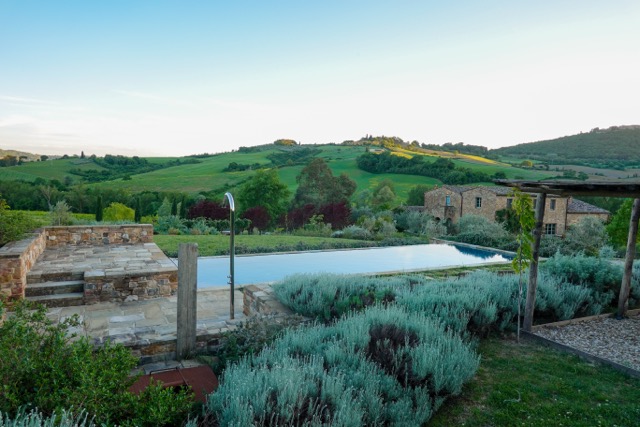
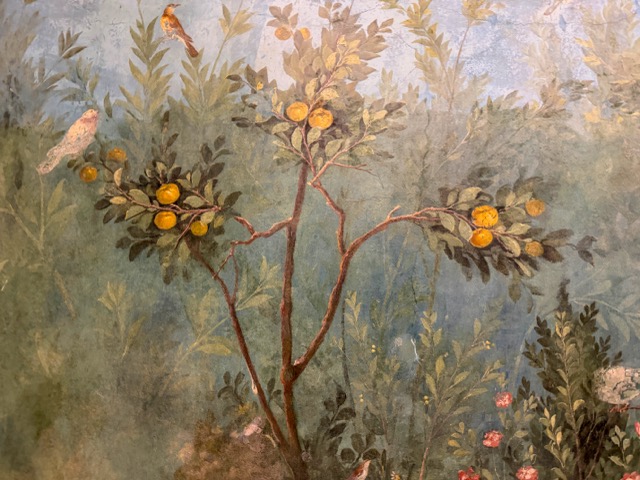
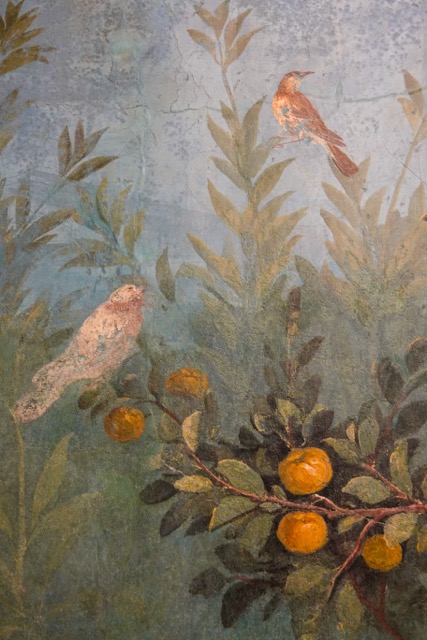
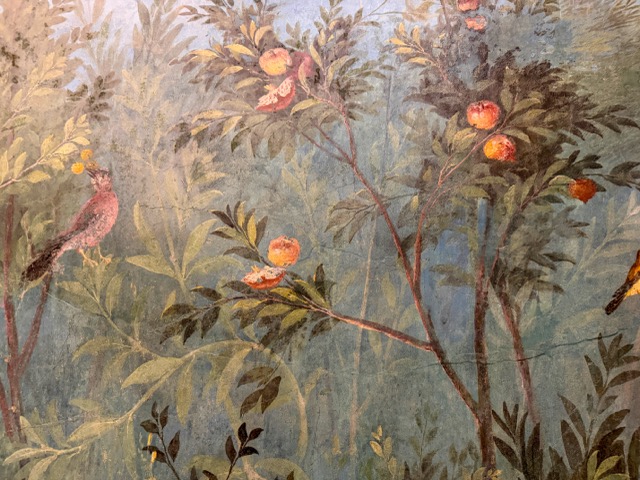
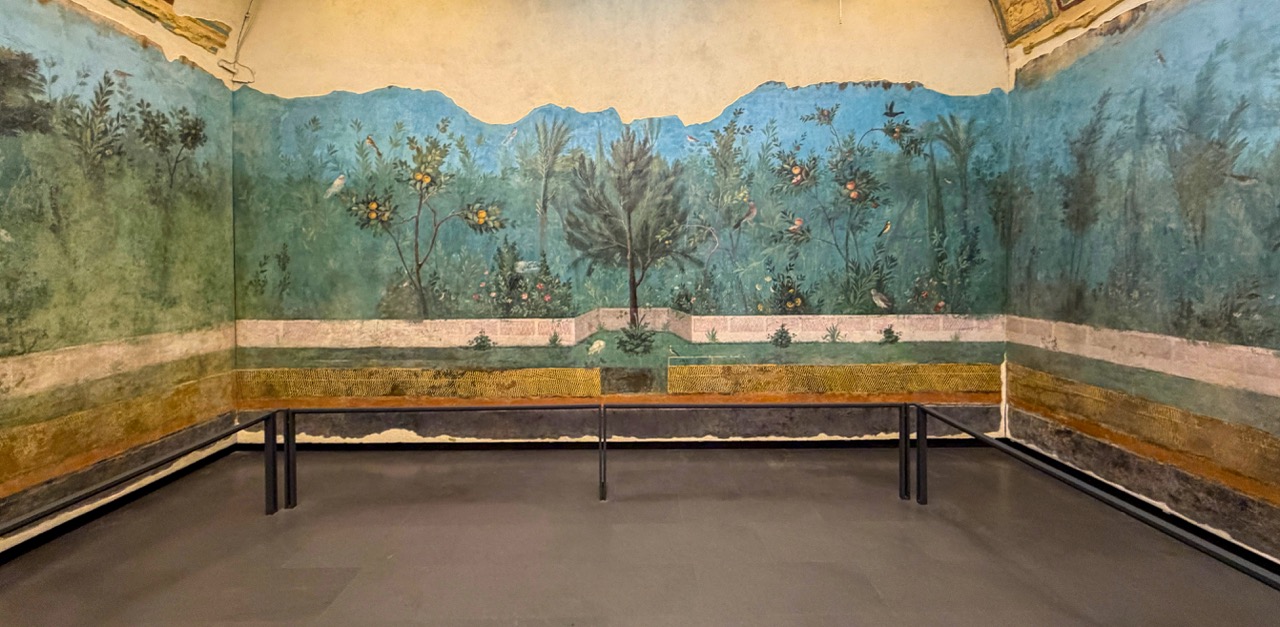
Then Ed sat down with our photos. And he blinked. One look at Livia’s garden room and the whole overtourism thesis evaporated. “I just want to bask in the beauty and joy of Italy,” he wrote. So here we are. Someone must file the actual report.
More Than One Kind of Friction
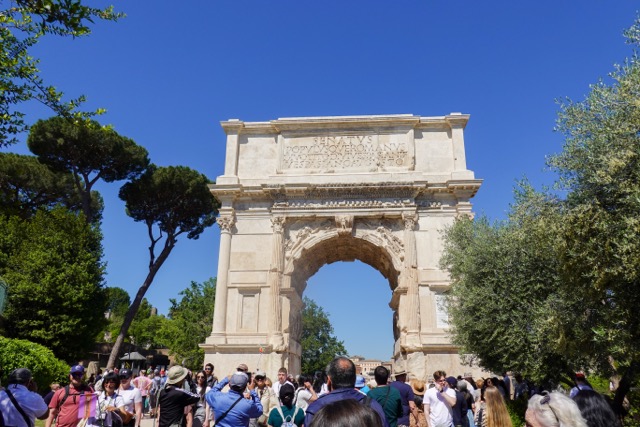
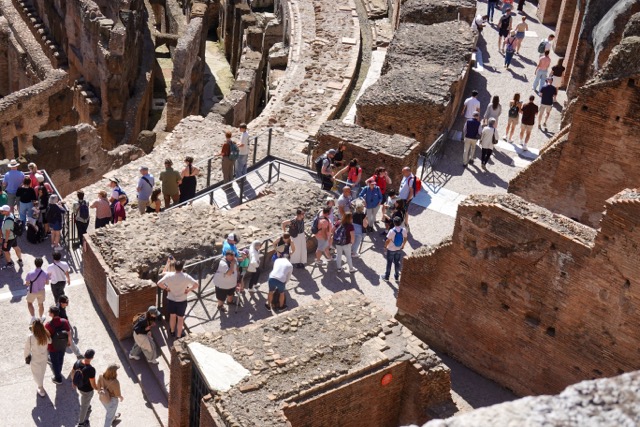
Rome was magnificent and full — full in the way that a container is full when someone keeps adding things to it anyway. There were queues that had been there long enough to develop their own social dynamics. Piazzas where the crowd itself had become the attraction. Monuments visible primarily through a forest of raised phones. At some point you stop asking whether something is worth seeing and start asking whether it is worth seeing right now, alongside everyone else who had the same idea at exactly the same moment. The answer, more often than not, is yes — but you need to brace for impact.
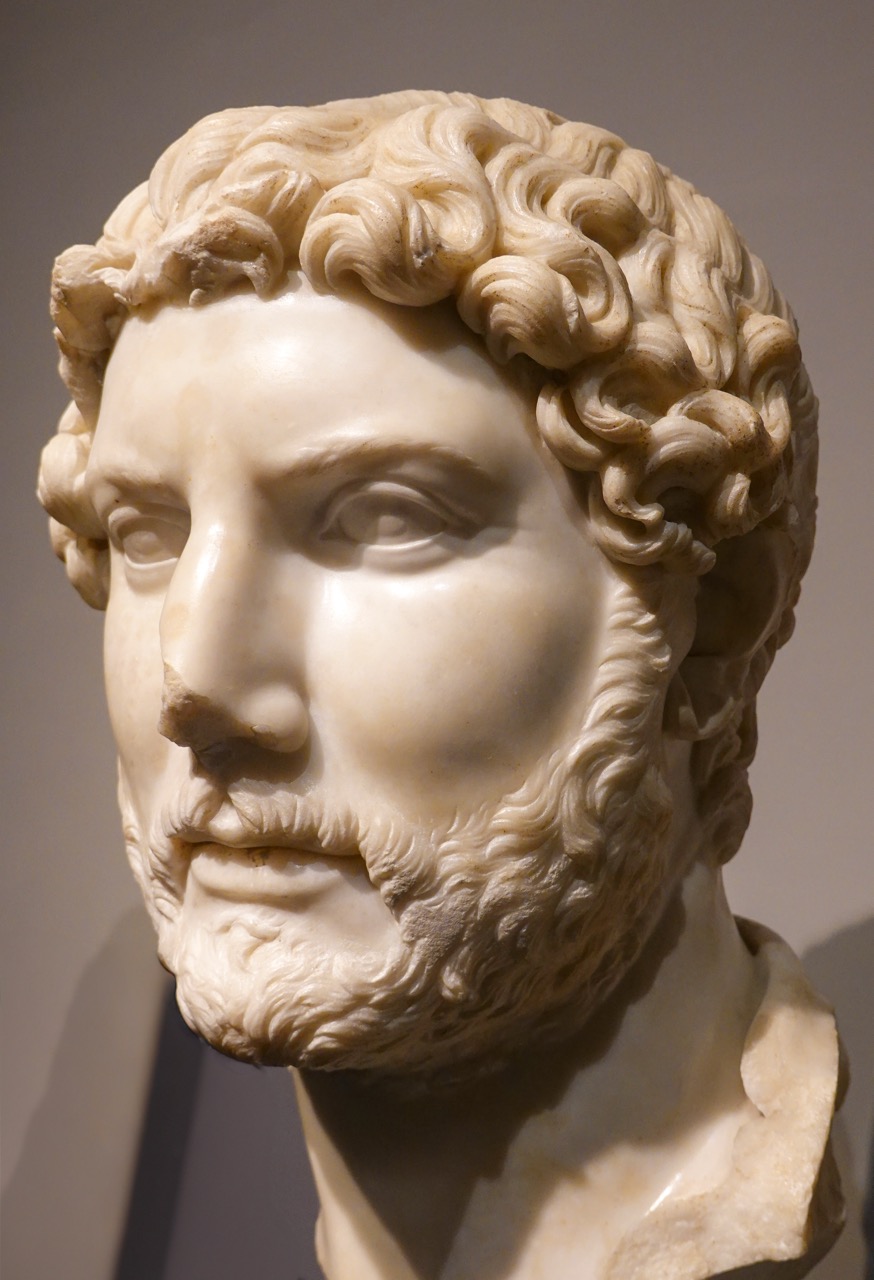
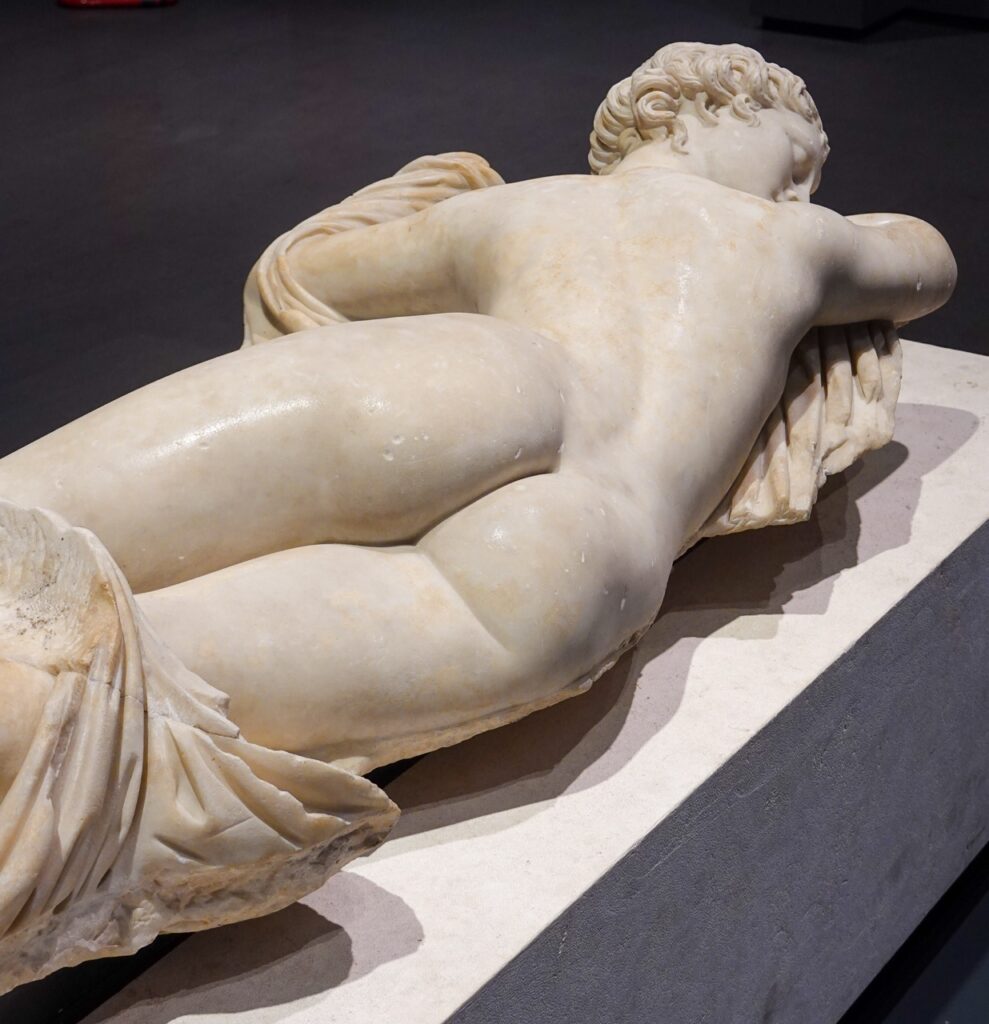
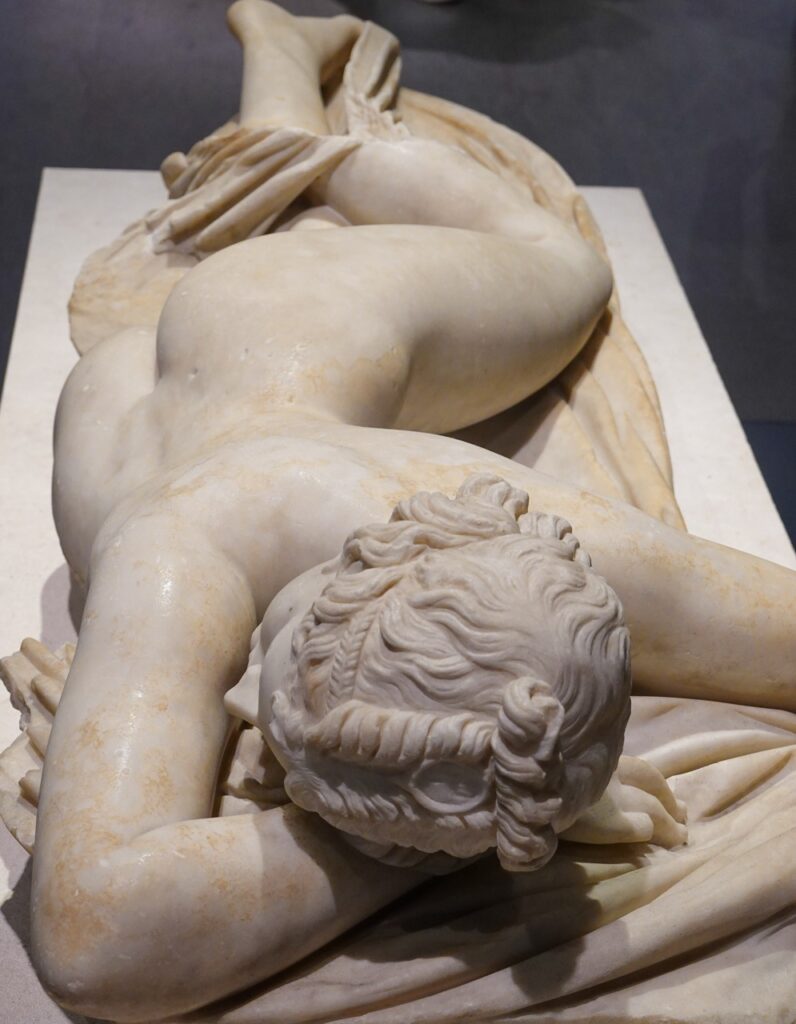
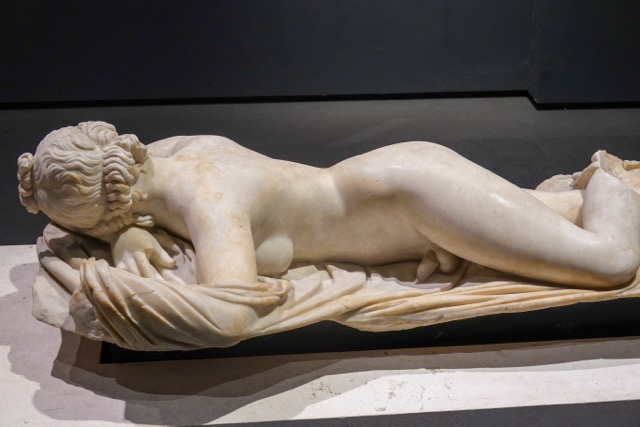
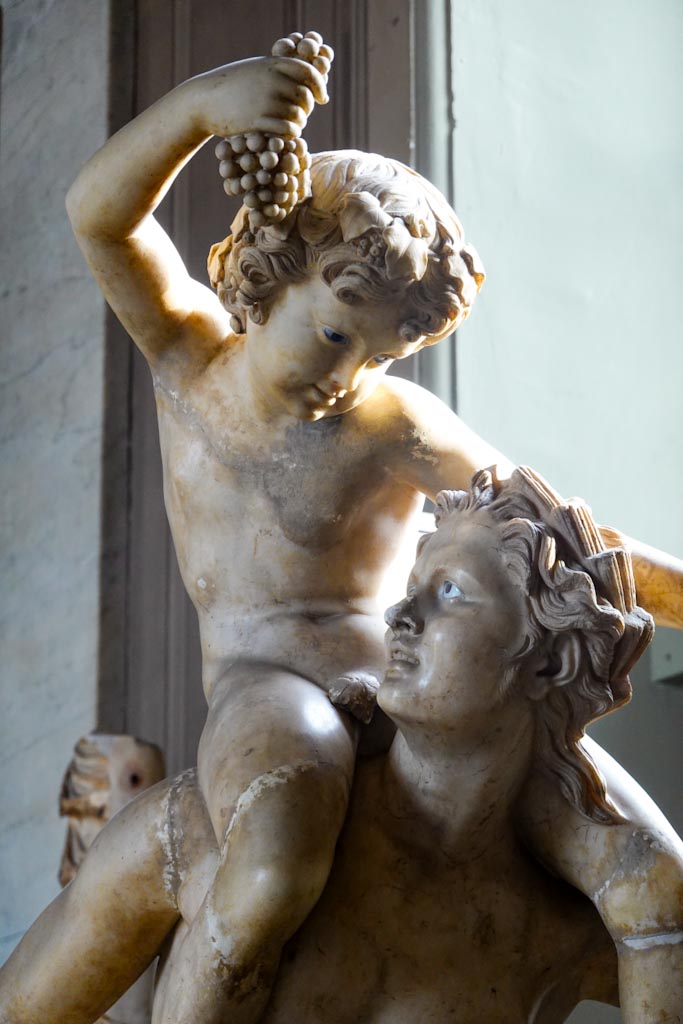
The crowds, though, were only one kind of friction. Not every moment of wonder landed the same way for both of us. Ed was moved by the Sleeping Hermaphroditus in ways he describes with considerable feeling. I stood there thinking about who made it, who it was made for, and what exactly was supposed to be surprising. Ed was also captivated by Livia’s garden room — and honestly, so was I. But where he felt the calming beauty of the space, I kept thinking about the woman herself: powerful, strategic, influential, and still remembered primarily as someone’s wife. But that’s a different essay.
The Cheat Codes, Demystified
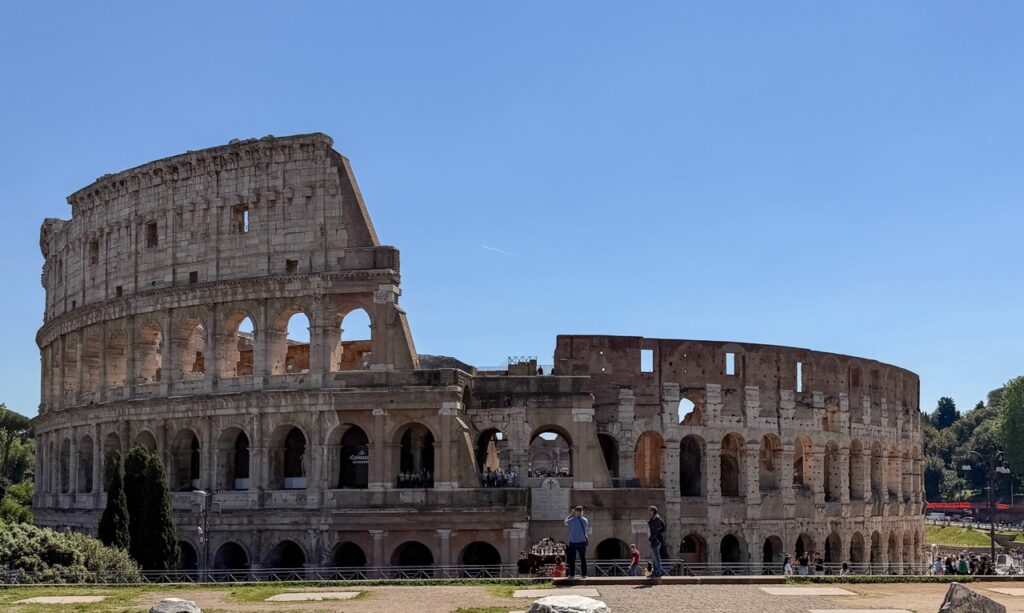
It feels a bit unfair to complain about overtourism while actively participating in it — like criticizing traffic from inside your rental car. But the difference between Ed’s account and mine is that he found the cheat codes (his words — used twice) while I was busy wondering what he meant by cheat codes. In practice: a nearly empty courtyard directly across from the Colosseum that almost no one finds, and a museum Ed had identified doing his pre-trip research. I don’t play video games, but I believe a cheat code is supposed to feel like cheating. This felt like being organized.
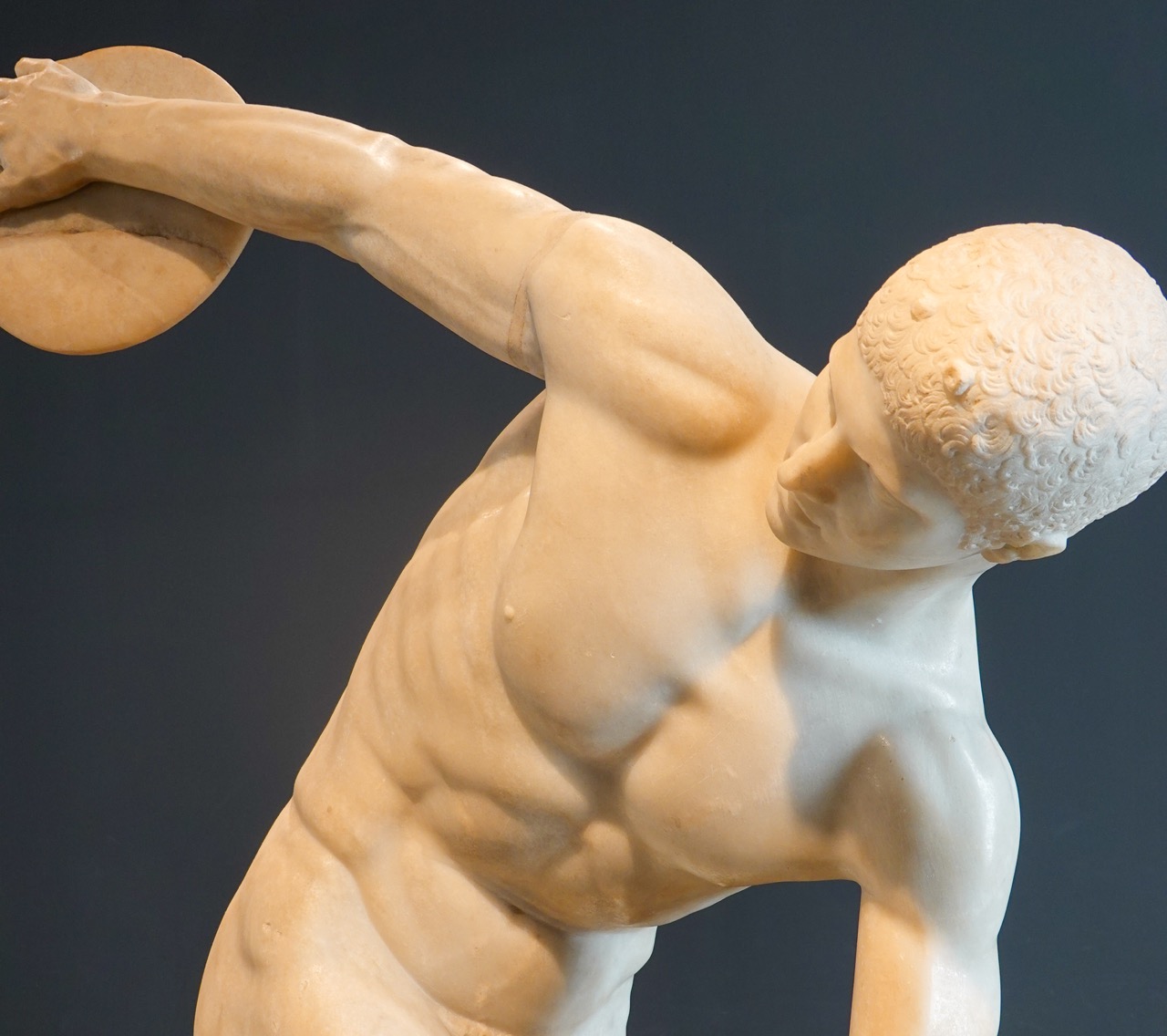
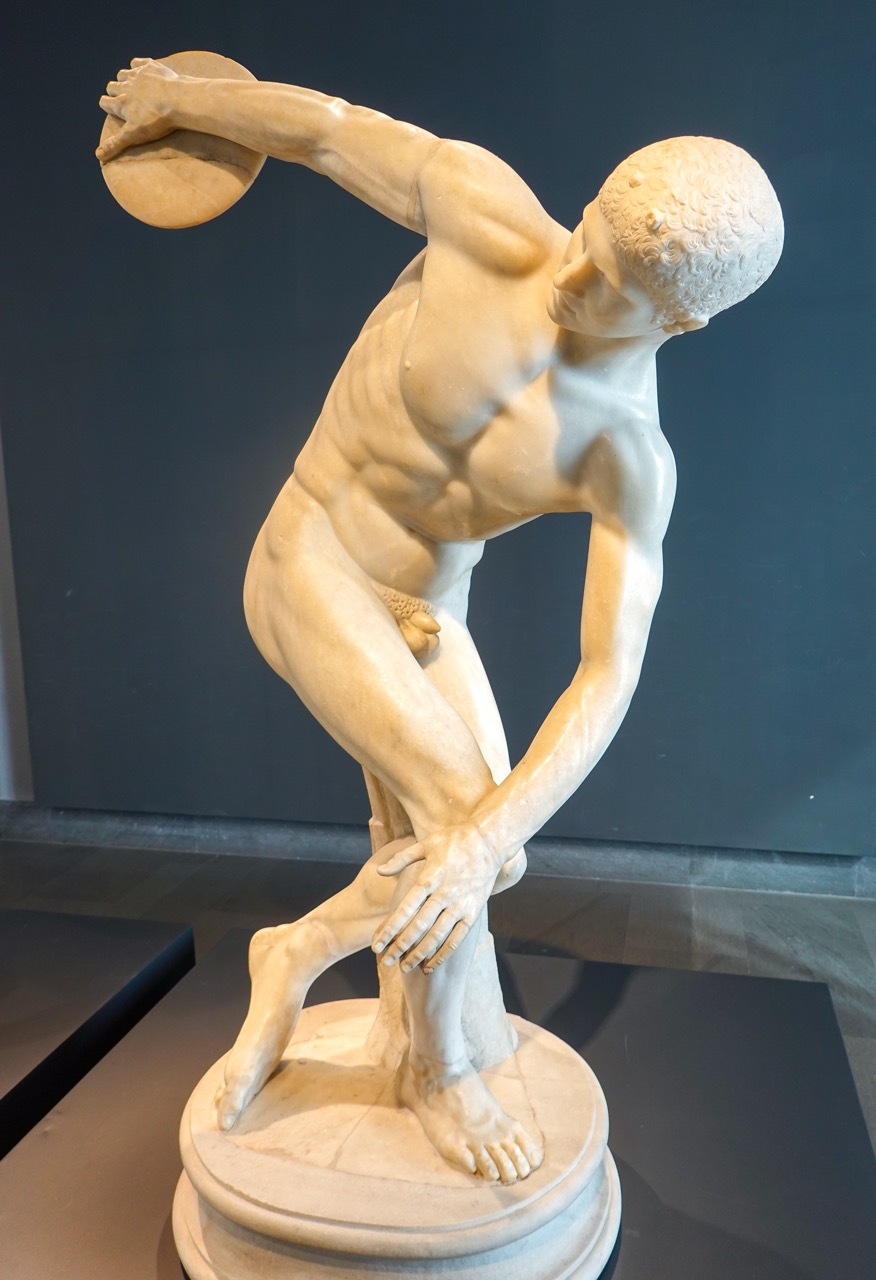
This is, roughly speaking, the dynamic of our relationship: he’s the romantic who tears up at a perfectly thrown discus frozen in marble, and I’m the pragmatist wondering whether I’d applied enough sunscreen, whether the Palatine Hill is ever not crowded, and whether anyone was going to suggest a cold drink soon. After more than fifty years together, we’ve, more or less, stopped trying to fix this.
Prati: The Illusion of Being a Functional Adult in Rome
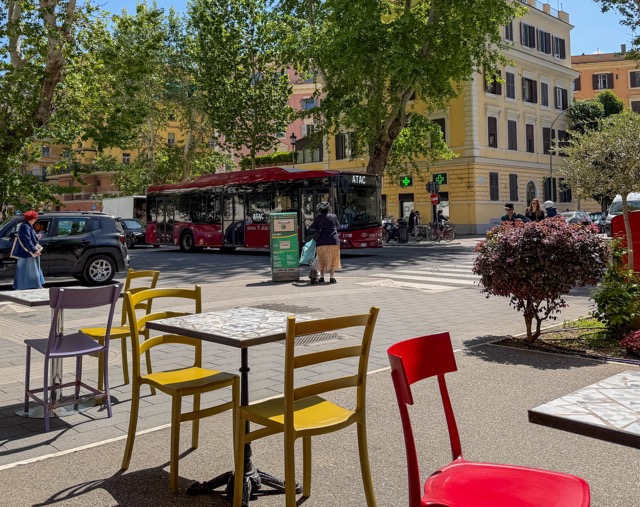
While in Rome, we stayed in Prati, a neighborhood near the Vatican, which has the distinct quality of feeling like the Rome where Romans actually live. Orderly, residential, refreshingly short on selfie sticks. Just far enough from the Vatican that you can almost convince yourself you are not, in fact, part of a global migration pattern of people following umbrellas held aloft by someone walking too fast.
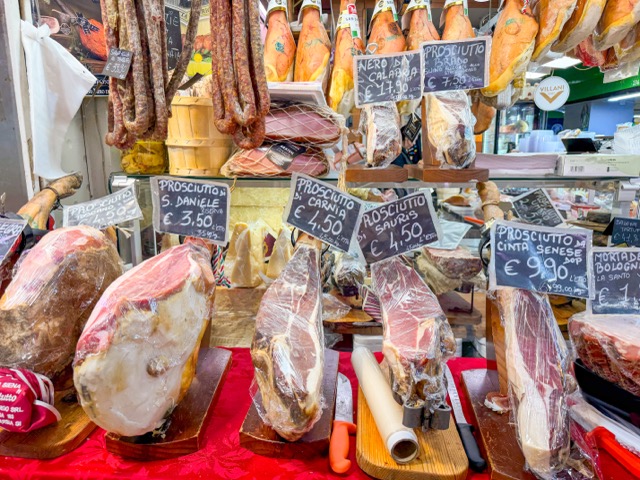
Prati’s local market, Mercato Trionfale, is known for its vast selection of fresh foods and local products.
Prati is where dangerous thoughts come to mind. Specifically, “We could live here.” Ed said this on day two, with the confidence of a man who had found excellent coffee within a two-minute radius of our hotel. I did not point out that this is how he felt about Lyon, Porto, and that neighborhood in Istanbul. Rome, to its credit, did not discourage this fantasy.
Tuscany: Beauty Under Pressure (We Were Right About the Title)
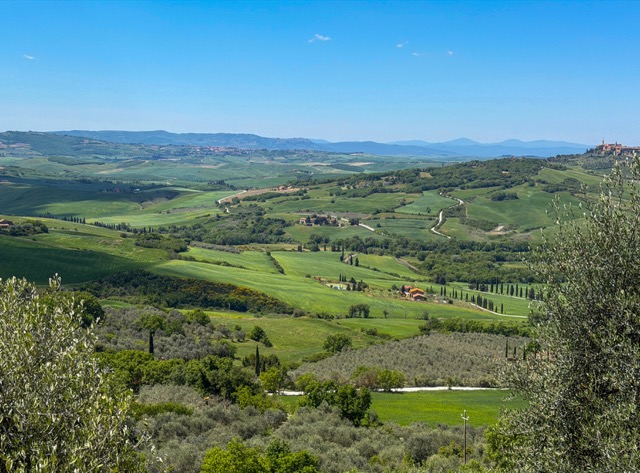
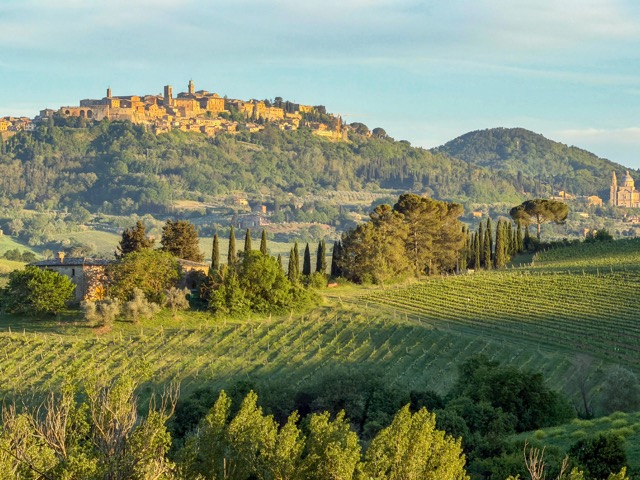
We headed north into Tuscany with considerable optimism. The rolling hills, the medieval towns, the famous light. We were ready to be charmed again. What followed was a comprehensive lesson in the difference between a place’s reputation and its current operating capacity. To be fair, much of it delivers. Just not always where — or when — you expect it.
Our first full day in Tuscany was May 1st. Italian Labor Day. Which means the crowds were not merely international tourists doing their scheduled appreciation of timeless beauty — they were also several million Italians who had the day off and the same idea. Montepulciano and Pienza, two of the most beautiful hill towns in a region built entirely of beautiful hill towns, were operating at a capacity I can only describe as festive gridlock.
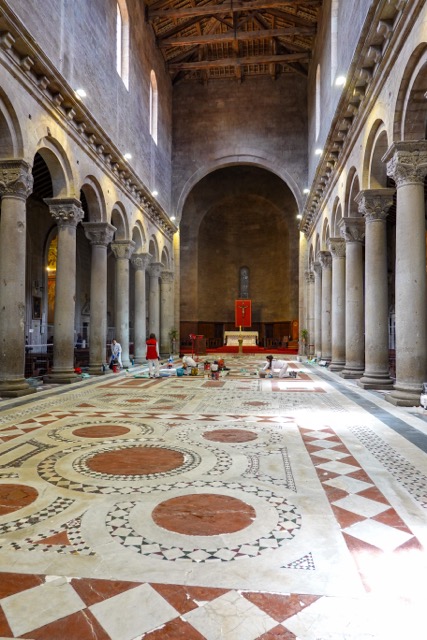
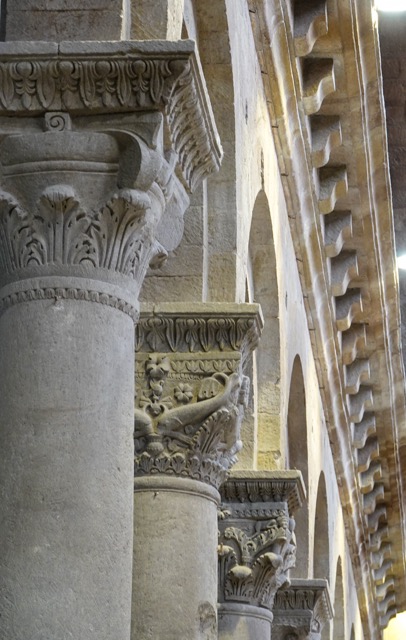
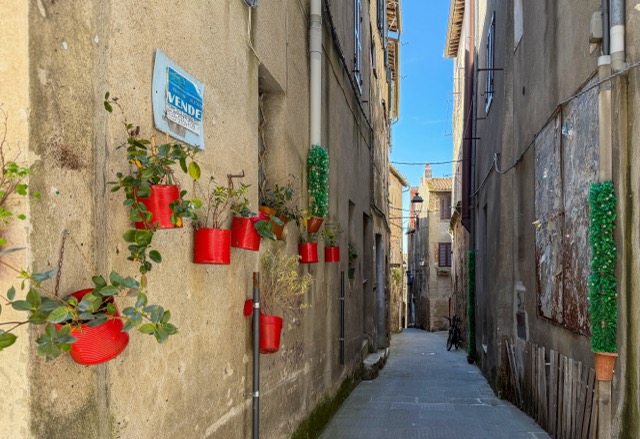
Restoring the 12-13 century tile floor of the cathedral of San Lorenzo in Viterbo.
One of ours stops was the small village of Viterbo where the longest papal conclave in history took place –from December 1, 1268, to September 1, 1271, totaling nearly three years.
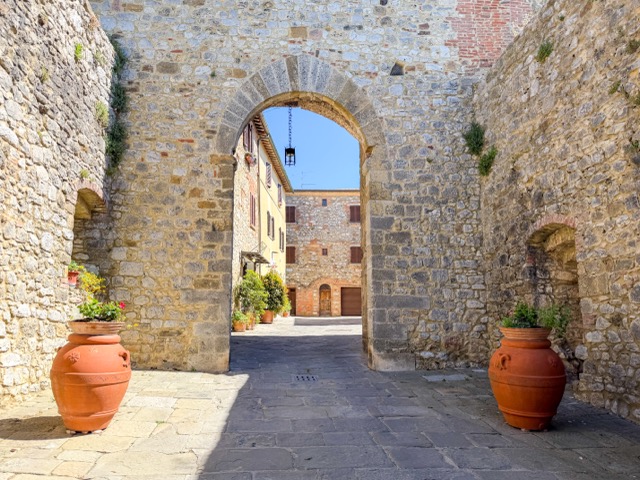
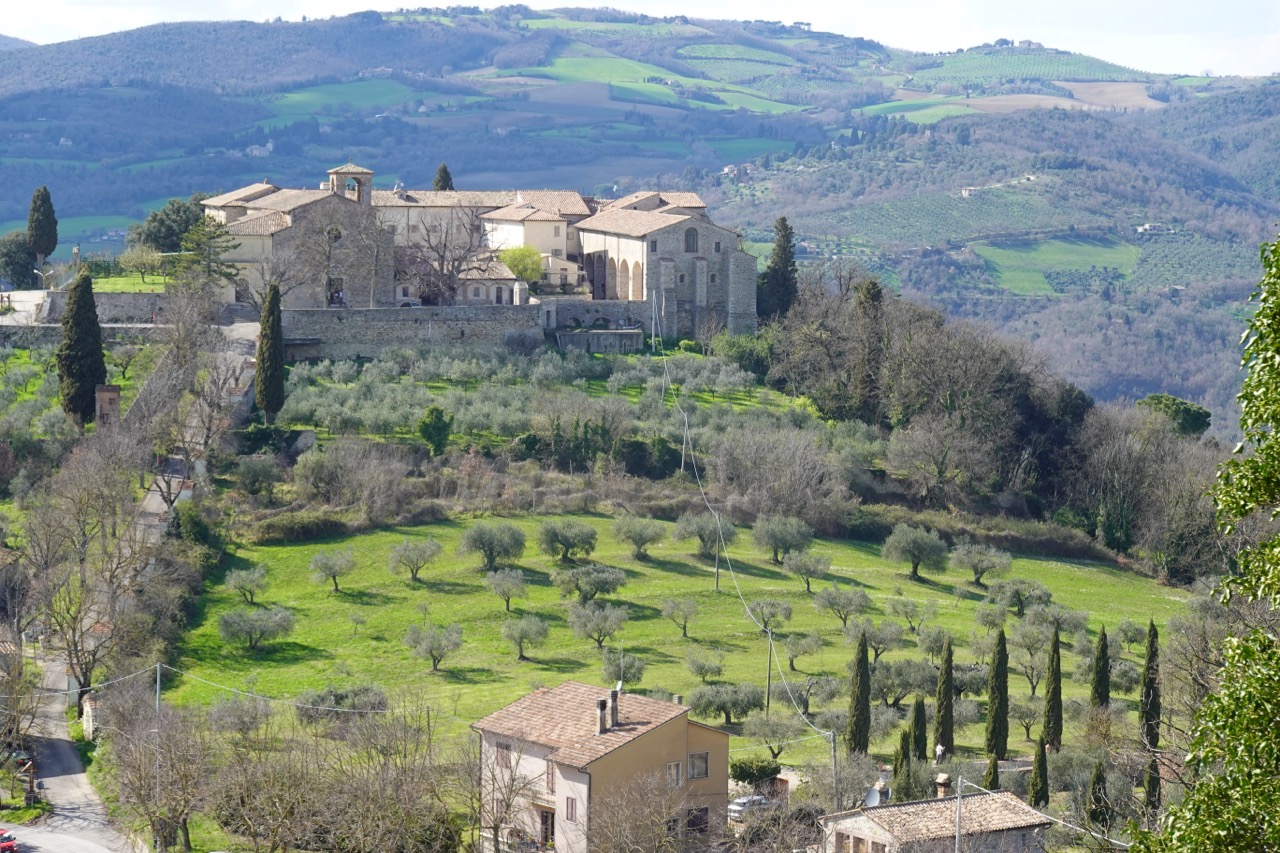
Montefollonico, the small village nearest to our agritourismo.
There was no place to put the car that wasn’t a hike several kilometers uphill. Narrow medieval streets were filled with people sharing the collective understanding that everyone was here at the same time to experience something timeless. The effect: history was currently hosting a queue.
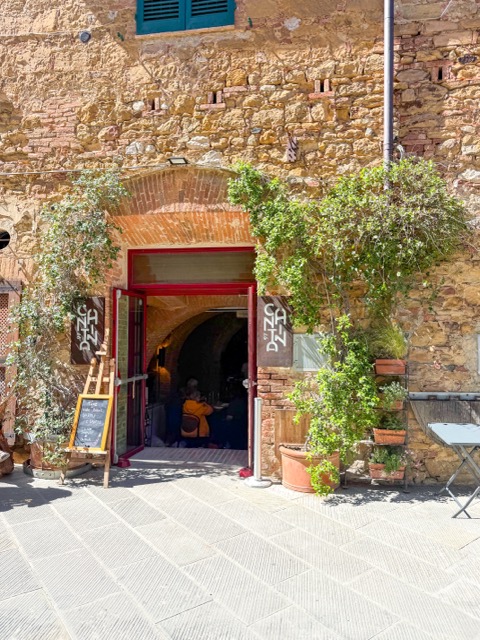
This was also where the reservations died. Lunch in Pienza was not happening — we couldn’t get the car within reasonable walking distance. Montepulciano for dinner: same outcome, different piazza. At the suggestion of a local, we found a tiny hill town with almost no tourists and one café on a narrow street. The chef was running the whole operation — seating guests, taking orders, cooking, serving — with the calm of someone who had decided this was exactly enough. It turned out to be one of the better meals of the trip. This is either a useful lesson about travel or a very specific argument for always having a backup restaurant. Probably both.
Follonico: Twelve Guests, One Pond
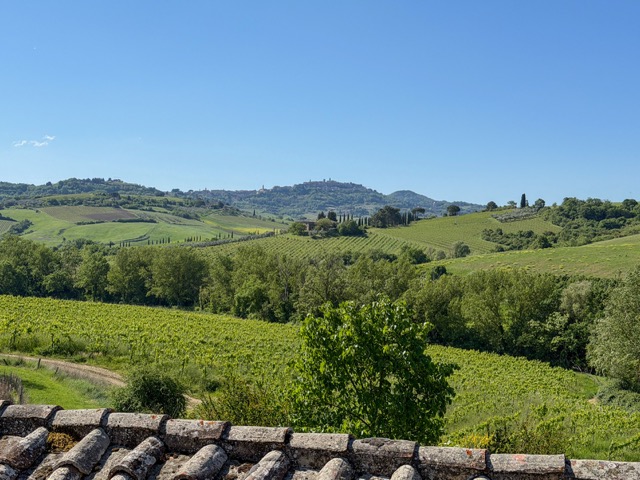
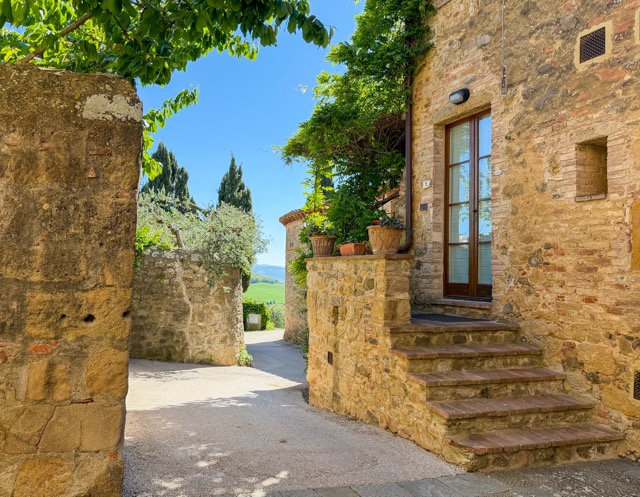
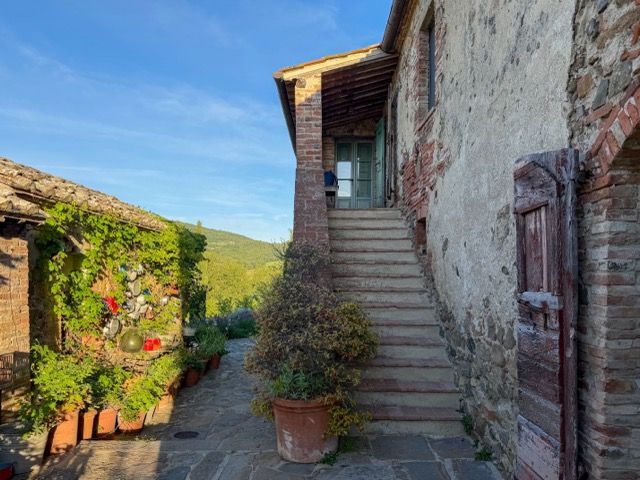
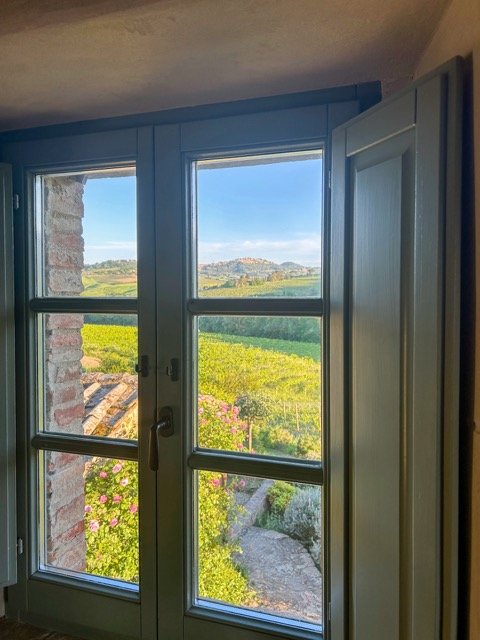
Tuscany, like most places that survive on tourism, has a quieter side. You just have to want it more than you want the famous version. We stayed at Follonico, an agriturismo near the village of Montefollonico — six guest rooms, a garden, a pond, vineyards on the surrounding hillsides, and a couple who had built something genuinely lovely and wanted to share it. Breakfast was unhurried. Dinner, when we stayed for it, felt like eating at someone’s table rather than in someone’s restaurant. The wine was theirs. The olive oil was theirs. The view was, improbably, also theirs. Compared to the festive gridlock of May 1st in the hill towns, the scale of it was the thing. Twelve guests. One pond. A pace that had no interest in competing with anything. We both exhaled.
There is a particular adjustment period in places like this where you realize: nothing is curated for you in the commercial sense — it is simply someone’s life, and you are briefly, gratefully, a guest in it. We both found this deeply restful. Here, Tuscany stops being a place to pass through and becomes a place to simply be. This is a meaningful difference.
One Bite at a Time
Tuscany did not simplify itself for us. We simplified ourselves for it — smaller towns, fewer plans, one meal at a time. We got bad logistics and sublime beauty, sometimes on the same afternoon. We got turned away from two restaurants and found an unexpected one. We got overtourism and one pond. The philosophy we’ve earned is that travel works better when it is reduced — not in ambition, but in scale. One bite at a time.
Filed. Report complete. Findings: Italy is worth it. Have a backup restaurant. Ed will bask regardless.
Reflecting on our recent brief sojourn in Rome and Tuscany, Bonnie and I sat down to discuss the approach we’d take to writing a blog post about it. We’re feeling a need to change it up a bit. Maybe go a little deeper or find a fresh angle on our travel experiences – not just recount what impressed us in chronological order. So, we decided we would tell this story with overtourism as the major theme – “Rome – The Weight of the Past, and The Weight of the Crowd” and “Tuscany – Beauty Under Pressure” (cute, right?) – because, well Rome and Tuscany are overwhelmed at times by tourists. And yes, we had some miserable experiences – particularly in Tuscany – where the crush of people literally prevented us from keeping both a lunch and a dinner reservation in two different hill towns.
Then, I sat down and began reviewing the photos, remembering and reliving precious moments, and I couldn’t do it. Maybe in the future there’ll be a rant about the scourge of overtourism. But today, I just want to bask in the beauty and joy of Italy.
Only a Few Steps Off the Beaten Path
Yes, Rome is crowded with tourists – hordes of people massed around the Colosseum, the Spanish Steps, and the Trevi Fountain in a forest of selfie sticks. And the Vatican? Fuhgeddaboudit. And yet, it requires only a minimal amount of initiative and curiosity to step out of the crush into quiet spaces of sublime beauty. For example, The Museo Nazionale Romano, Palazzo Massimo alle Terme became one of our sanctuaries on this visit. It sits across the street from Rome’s main train station, just 1500 meters from either the Colosseum or the Trevi Fountain. In other words, in the middle of what Google Maps identifies as “Centro Storico” – tourist central.
Maybe the name is too long for the average visitor to grasp what is on offer here. Or perhaps the notion that the National Museum of Rome is spread among four different sites is simply too confusing. Or maybe our thirst for a deeper understanding of the places we visit is just weird in this go fast, digitized age. Whatever the case, we stepped away from the hordes around us, approached the front doors and walked straight in without queuing. It felt like we’d discovered some sort of secret cheat code to Rome. Stepping inside we were suddenly immersed in a cool, hushed ambient of ancient beauty and priceless treasures with perhaps a couple dozen other like-minded souls. Truly surreal.
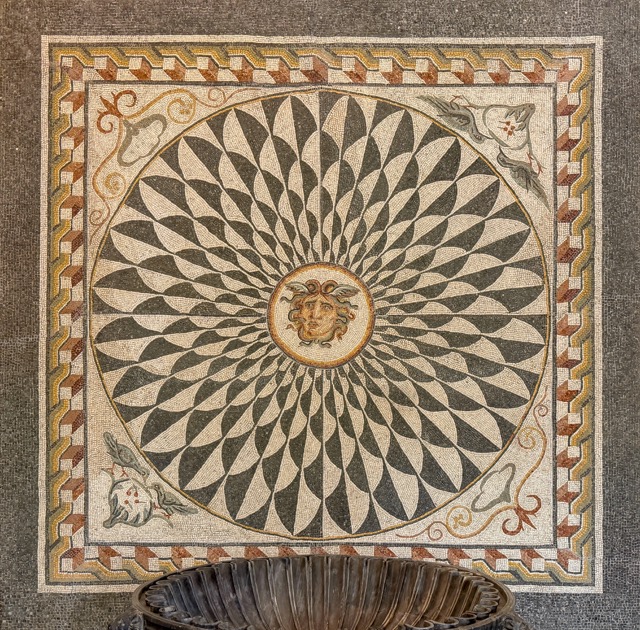
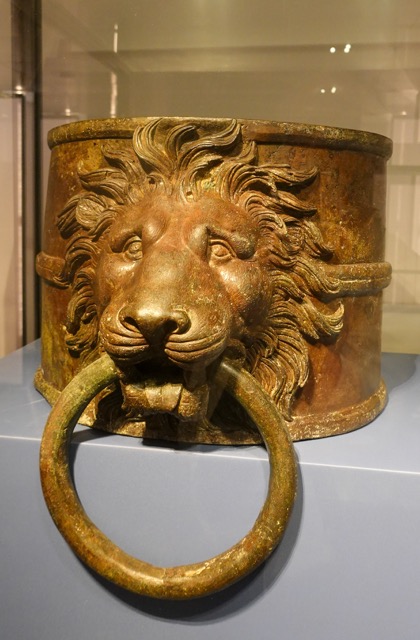
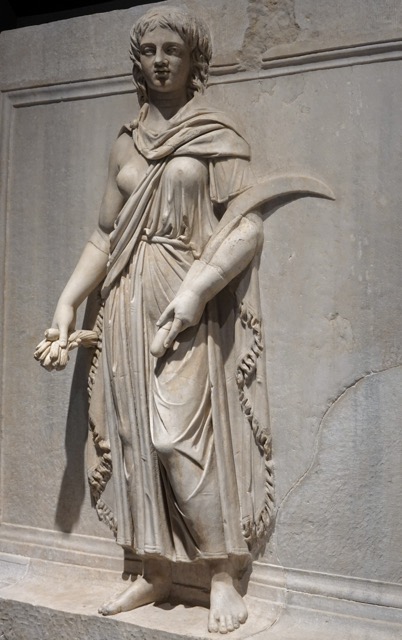
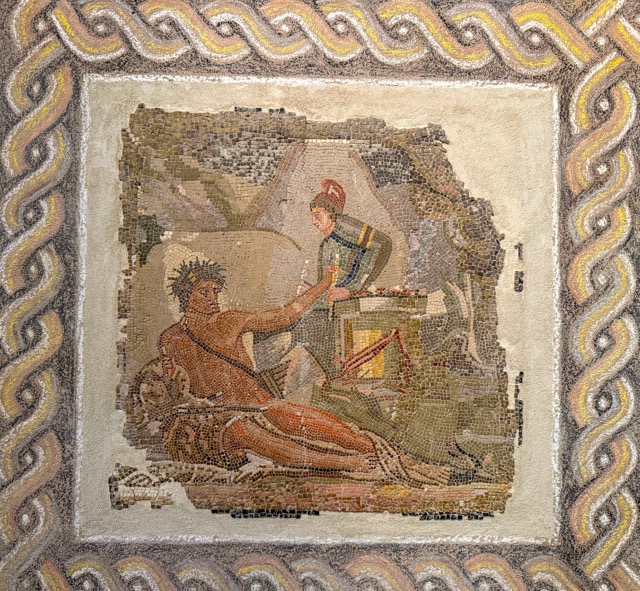
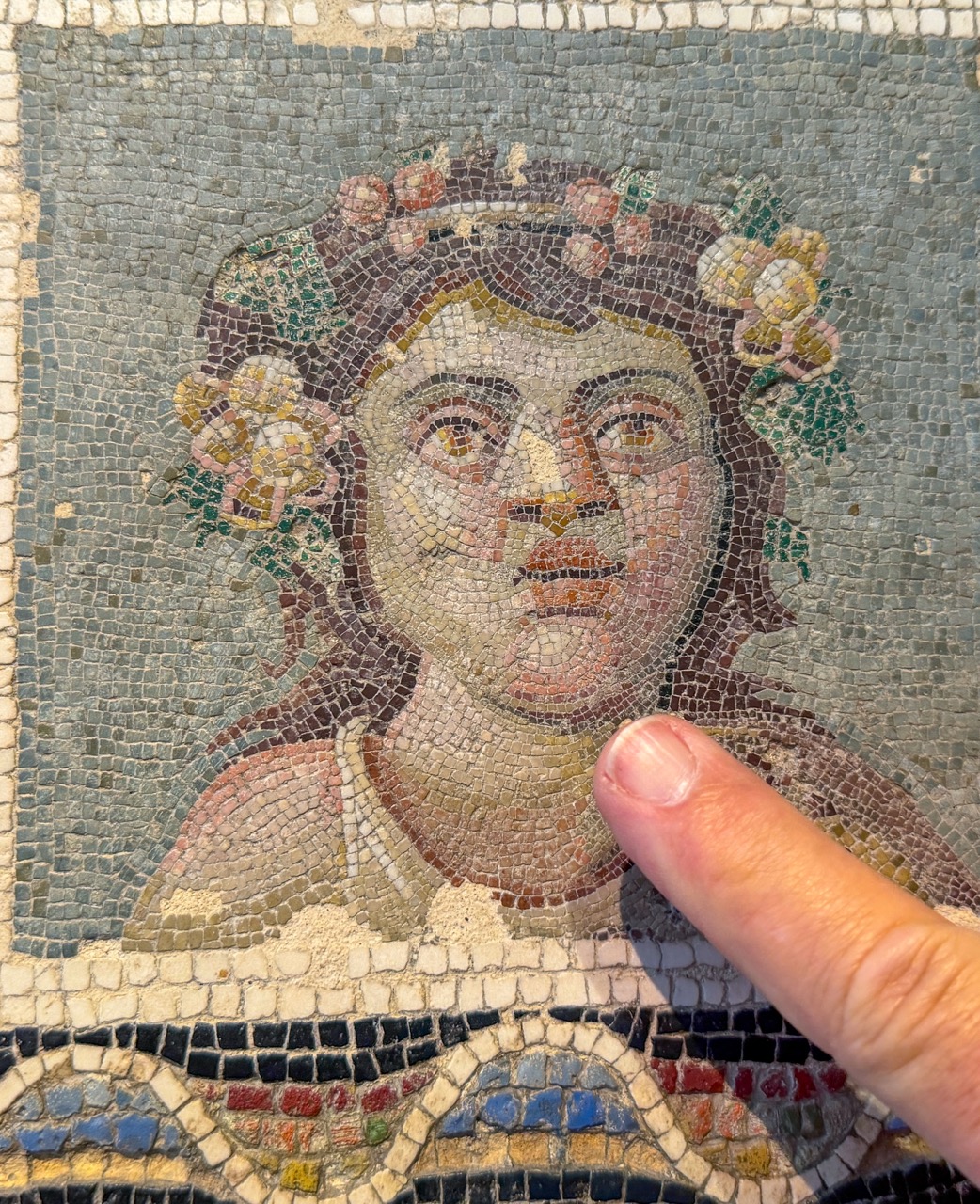
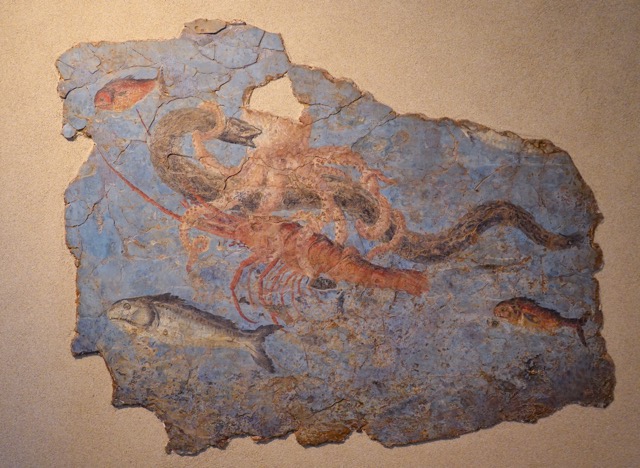
Each room of the Massimo Palace is filled with the art and treasure of empire that has been uncovered by the excavation of ancient Rome since the 19th century, or claimed from the collections of Rome’s medieval elites. We were overwhelmed by the fully intact floor mosaics, wall frescoes covering entire rooms, countless portraits in marble and bronze, and a collection of coins that spans a thousand years of history. There were two moments, however, that really took my breath away: entering the garden room from Livia’s Villa and standing in front of the Lancellotti Discobolus.
The Unnatural Natural World
Livia married Octavian (Caesar Agustus) in 39 BC. It was her second marriage, and she came to the arrangement with her own wealth which included a property on the outskirts of Rome – a country house – where she lived for much of her life. It was a lavish estate where Livia could entertain and enjoy life as a woman at the pinnacle of power and status. In a world where her every move was subject to comment by the Roman elite, she created a space in the villa, known today as “The Garden Room,” which has been reinstalled, intact as part of the National Museum at the Massimo Palace. We literally walked alone into the room where Livia served refreshments to her guests 2,000 years ago, lounging on chaises, admiring the recreation of a garden world perfected by the imagination of the artist. The original room was, in fact, built below grade, accessed from the rest of the house by a short tunnel. So, the illusion created was of a wondrous, temperature controlled, subterranean garden where nature could be enjoyed sheltered from the intense heat of summer or the icy cold of winter.
It was with a sense of wonder that I felt the calming power of the room. Somehow the color palette, the sense of depth, and the uncluttered composition combine to provide a balm to the senses that invites you to sit and contemplate the joy of being in a garden despite it being an entirely enclosed, indoor space. Even with our jaded, overloaded senses, where we expect our daily media to immerse us in the impossible and awe us with the fantastic, this is a magical experience. I can only imagine what the effect must have been on Livia’s innocent visitors two millennia ago.
My Copy’s Better than Your Copy
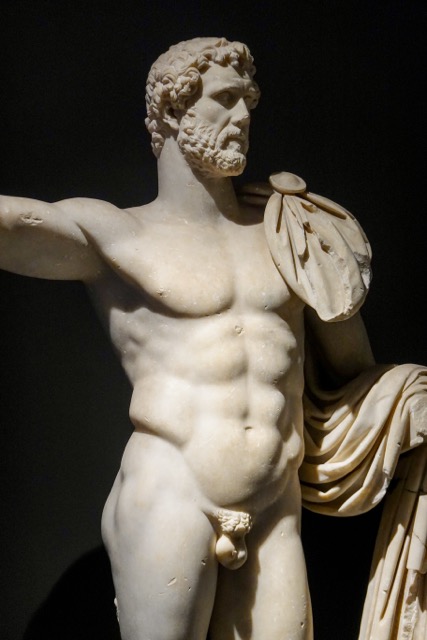
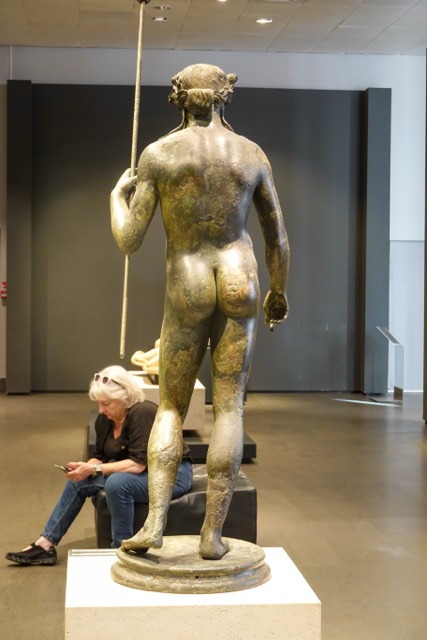
The Romans were obsessed with Greek art. No self-respecting patrician Roman could do without a collection of sculptures, either captured or copied from the great Greek masters. Among the hundreds of examples assembled at the Palazzo Massimo, one of the most iconic, the discus thrower, caught my imagination. Did you know I threw the discus in high school? So did my brother! Here I found myself standing in front of a figure first created by the Greek sculptor, Myron, around 450 BC depicting an activity linked to my own youth 2,500 years later. And with the idealized physique captured by Myron, it was of course, like staring in the mirror. No really. This a chunk of marble so beautifully fashioned that as you stare you find your own humanity cast before you. You hold your breath waiting for the flesh to pink up, for the muscle to tremble, anticipating the explosive, graceful movement that will launch the elegantly shaped missile into the sky – an athletic game, idealized, timeless, and purposeless. Human.
The glowing white figure I found myself admiring was a copy of Myron’s original bronze, which has been lost. However, thanks to the Roman’s obsession with Greek art, there are lots of copies in both bronze and marble, spanning hundreds of years. This particular copy is considered to be the finest in existence and I am certainly in no position to argue the point. As I turned away from my youthful alter ego, I found one more startling moment of beauty awaiting me.
Emotion and Ambiguity
Among all of the sculpted figures standing upright about the gallery, a single prone figure lies at the center of the room. It is a form created to be as alluring and seductive as the artist’s imagination and talent would allow. Its beauty is such that you experience a confusing ache of wonder and desire. Then, slowly moving around the sculpture, another shock – she is, rather obviously, actually a he! The original Sleeping Hermaphroditus was created by a Greek named Polycles around 155 BC in bronze and I would love to have a conversation with the artist. Just like the Discus Thrower, there are copies all over antiquity and in museum collections around the world. Still, there should be a warning sign – “gender bending, emotional confusion ahead.” Or something.
Structural Engineering – Humbled by Antiquity
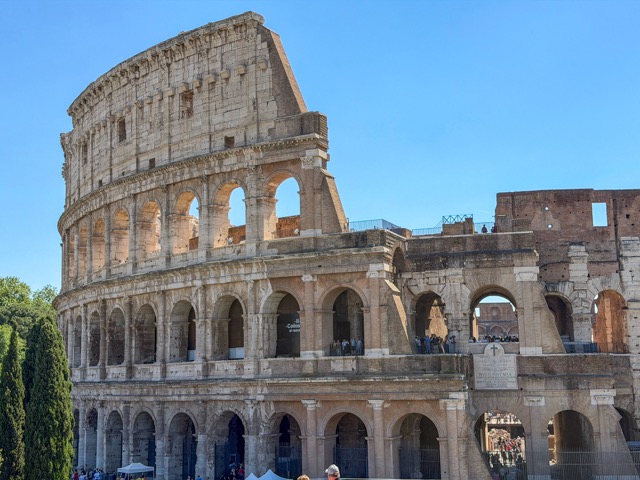
The other major event of our Roman holiday was an in-depth visit to the Colosseum and Palatine Hill area of the ancient city. Over the last couple of years, I’ve found it very difficult to sort out the jumble of ancient, old, and recent constructions at the center of Rome. One manifestation of its nickname, “The Eternal City,” is that it has been continuously occupied for almost three thousand years, nearly always as the capital of one kingdom or another. As a result, it has been built and rebuilt, over and over, century after century, remodeled, repurposed, and rediscovered endlessly. Then, in the last two hundred years or so, it has been excavated to uncover and preserve the remodeled, repurposed, and rediscovered buildings from the Roman Republic and Empire. As you gaze at the Centro Storico district you are confronted with a smorgasbord of buildings, monuments, and ruins seemingly smashed together with no delineation between millennia, era, or architectural style. Can someone please bring some order to this chaos?!
Enter Paolo Gardelli, PhD, archaeologist and history professor, moonlighting as our guide to the heart of Rome. It was a big splurge, hiring a private guide with the credentials of Paolo, but it turned out to be one of the true highlights of all our travel adventures in Europe. The three of us wandered about the ancient city for almost five hours, during which Paolo lectured, explained, clarified, answered our questions, and entertained us without a pause. He displays total mastery of the subject while managing to tell story after story in an engrossing and illuminating monologue.
In addition to being a working archaeologist with an active site in Pompeii, Paolo has a particular expertise in ancient structural engineering and design which was an especially good fit with my interests. We spent a considerable amount of time discussing the innovation and expertise of the Romans, particularly during the era of the Colosseum’s construction. For me, it was particularly jaw-dropping to hear that this incredible building, sitting on a mat slab foundation more than 20 feet deep, was completed in just 8 years of intense work. I won’t bore you with all of the technical construction stuff but let me simply say that I could not get enough. I was spellbound. When it came to building, the Romans were sophisticated and advanced in ways that we are still just beginning to understand. And the comparisons to the modern era does not end with construction technology.
The History & Politics of the Colosseum
It turns out that “cancel culture” was institutionalized by the Romans two thousand years ago. At the death of an emperor, the Senate and Consul would debate the merits of the recently deceased to determine if he had been a worthy ruler. If he was found to have achieved the goals of the empire, he was deified and a temple for worshipping him erected. If he was found inadequate, he would be erased – literally. His buildings torn down, palaces replaced or repurposed, engravings scratched off stone monuments: he was totally canceled.
I’m sure many of you know that the brutal, matricidal emperor Nero famously presided over the greatest conflagration ever to strike Rome, a fire that burned down roughly two-thirds of the city in 64 AD. Being a certified sociopath, Nero had a keen eye for real estate development and saw the great fire as a wonderful opportunity to pick up a few choice parcels on the cheap. (Any similarities to recent events in Gaza are purely coincidental, of course.) Among them was a nice flat site at the south end of the Forum that he decided to turn into a lovely water feature (no word if the bottom was painted blue) to enhance the monumental palace he was also constructing from the ashes of his city. Nero eventually met his end in 68 AD, and after a year of chaos, Vespasian came to power and commenced the evaluation of Nero’s rule to determine his qualification for God status. Uh, no. Definitely not up to standards.
And so, Nero’s water feature was drained, and the foundation for the great Colosseum was laid on the lake bottom, thereby erasing part of Nero’s legacy. My favorite part of Nero’s canceling is how they managed the “Colossus.” Nero had ordered a giant hundred-foot-tall bronze statue of himself that he placed at the center of Rome to celebrate, well, himself. (Again, I disclaim any similarity to current events.) Vespasian, being the practical sort, decided that it would be a shame to waste this massive piece of metal, so he simply had the thing relocated, and the head on top replaced with a likeness of the sun god. No more Nero.
The Greatest Show on Earth
It wasn’t until the 1930’s that the “basement” level of the Colosseum was excavated to reveal the complex warren of rooms and stage equipment that made it possible to provide the citizens of Rome with the greatest spectacle on earth. The entire floor of the arena was a wood structure covered by at least a foot of soil and sand serving as a battle ground capable of soaking up the various organic residues produced by carefully staged blood sport contests that made up the typical Roman games. As many as eighty shafts penetrated the arena floor from below with an array of lifts, ramps, pulleys and cages arranged to allow the producers and directors of the games to have props, actors, animals, and gladiators suddenly appear in the arena through trap doors. Tunnels connected the subterranean level of the arena to the nearby gladiator training grounds and animal enclosures.
The games were designed and choreographed as elaborate shows recreating a romanticized version of Roman power projected to the ends of the earth – the more fantastical the better. The opening games, when the construction was completed, witnessed the deaths of between 6,000 and 8,000 exotic animals of all descriptions, primarily captured and transported to Rome from North Africa. Paolo informed us that for every animal transported in serviceable health to the Colosseum games, three or four died in transit, meaning that the opening games alone required the death of at least 30,000 animals. Such was the thirst of Romans for this bizarre entertainment that, over the centuries of the empire, North Africa was left barren of all such species and remains so today. It is a striking example of how capable humans are of destroying the earth’s eco-systems, when incentives align.
In fact, one of my greatest takeaways from the time we spent with Paolo was a new appreciation for the massive scale and power, not of Rome’s military, but of their logistics and transportation systems. The sheer volume of stone, timber, and other construction materials imported from around the Mediterranean is mind boggling. Just the outer wall of the Colosseum required 3.5 million cubic feet of travertine marble, quarried, cut, shaped, shipped, and placed in the wall. Another example Paolo gave of their logistics ingenuity related to the various obelisks around Rome. The largest of these is the Leteran obelisk which was removed from Alexandria, Egypt and shipped to Rome as a decoration for the Circus Maximus. Here’s the thing – the largest stones shaped and placed at the base of the great Giza pyramids weighed around 8 tons each, an impressive bit of engineering that we still marvel at today. The Leteran obelisk originally weighed 455 tons! The Romans shipped it across the Mediterranean in two pieces and reassembled it in Rome without damage. Mind blowing.
Another Quiet Respite
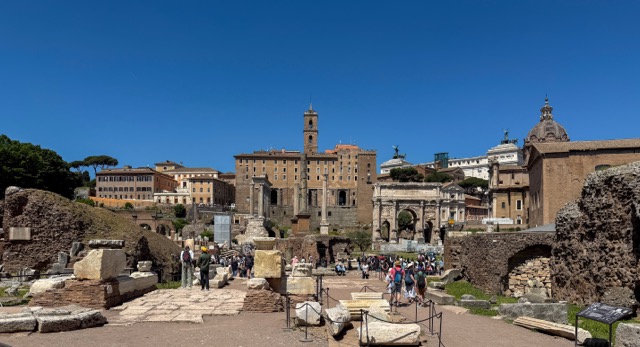
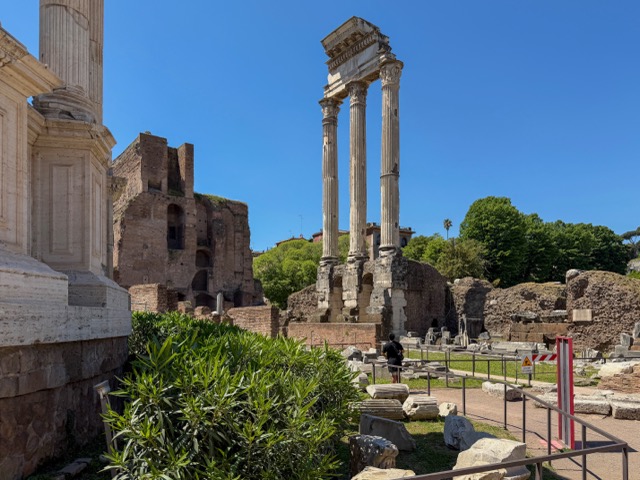
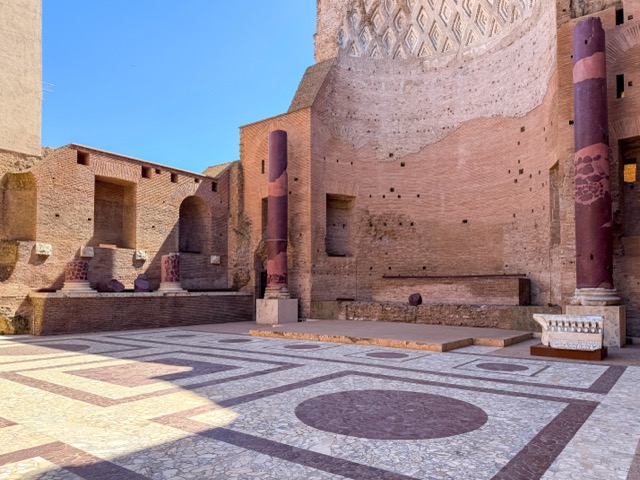
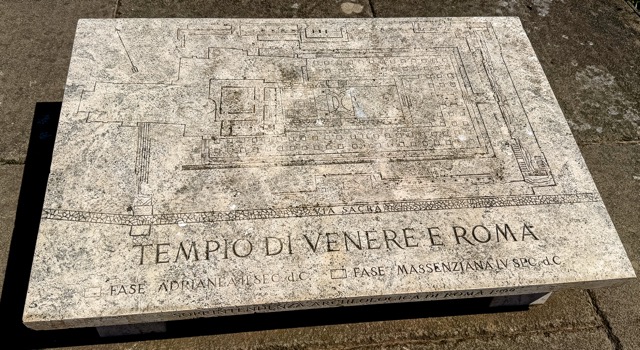
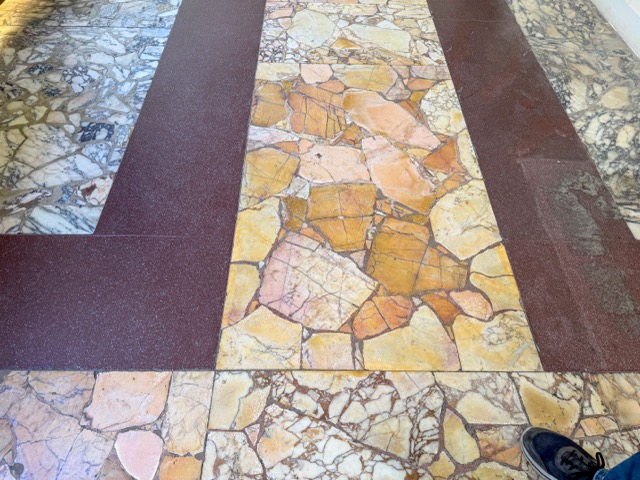
As we wandered about the Palatine and Forum areas, Paolo continued to provide an enlightening and entertaining explanation of the key features. Of course, throughout the day, we were accompanied by a few thousand of our fellow sightseers. Yes, there are lines, and security checks, and it is genuinely distressing to realize that this greatest of all tourist sites may ultimately be too popular for anyone’s good. Then Paolo quietly directed us off to one side of the Forum and through a doorway marked “Tempio de Venere e Roma.” Once again, I had the strange feeling of having used a cheat code to unlock a piece of Rome for us alone. Just a few hundred feet away, the crowds hurried by, but we found ourselves alone in Hadrian’s temple of Venus, walking across polished marble placed 2,000 years ago. Paolo smiled at our obvious delight and directed us around the back-to-back cellae that once housed the images of the goddesses. “I want to show you my favorite view of the Colosseum,” he said, as the courtyard opened up to reveal the Arch of Constantine and the great arena beyond. We left Paolo at the site of Julius Caesar’s murder, and the small, ruined temple built to mark the moment. And we left with a profoundly improved understanding and appreciation of this most Urbs Aeterna.
A Most Ambitious Project
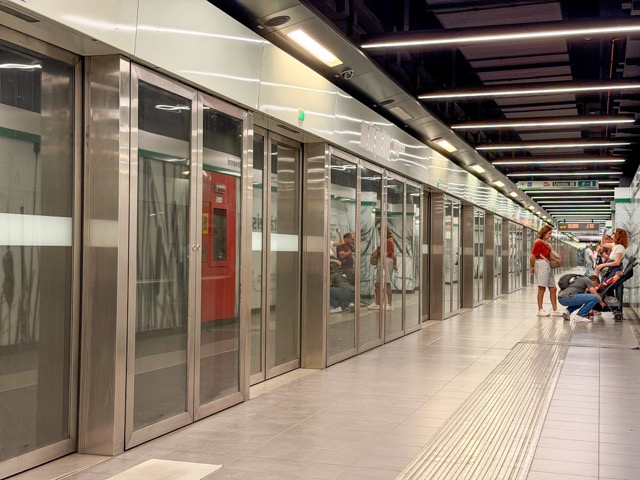
There was one last stop we wanted to check out before moving on to Tuscany for a few days. Once again, a construction related item had caught my attention: the crazy Romans are building a new subway line . . . straight through the heart of the ancient city! As you can easily imagine, this turns out to be at least equal parts construction project and archaeological dig. While modern tunneling equipment allows the actual track to be located well below any of the ancient artifacts of the city, each location where a station is constructed must be excavated with painstaking care and full archaeological recovery of the city’s heritage. So, the crazy Romans hit upon a brilliant scheme: each metro station is also a museum displaying the finds from that location. Off we went to get our metro tickets for a ride on Line C with stops at the two most recently completed archaeostations – Porta Metronia and Colosseo.
In the excavation of the Porta Metronia stop, the crews uncovered an entire military barracks complex complete with mosaic floors, frescoed walls, and the commander’s house. These treasures were either left in situ, or reinstalled, integrating the museum directly into the metro station. We were disappointed to find the exhibits closed when we arrived but still enjoyed wandering around the five levels of the station, marveling at the wall graphics detailing the geologic and archaeologic eras as you descend down to the platforms. On to Colosseo.
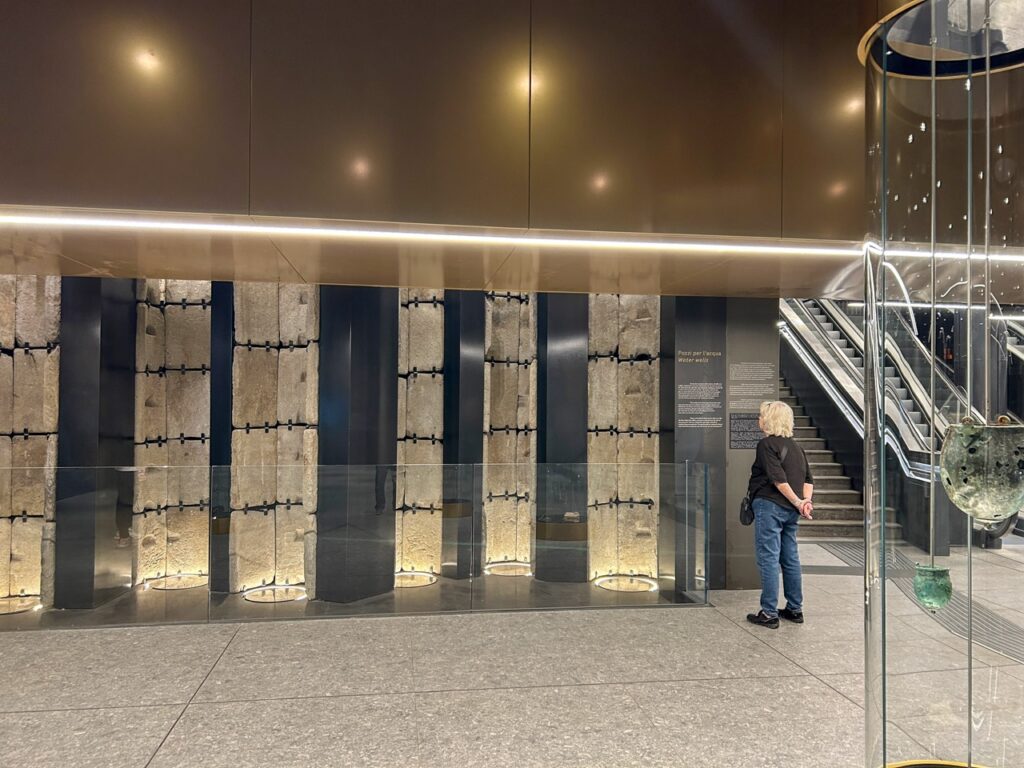
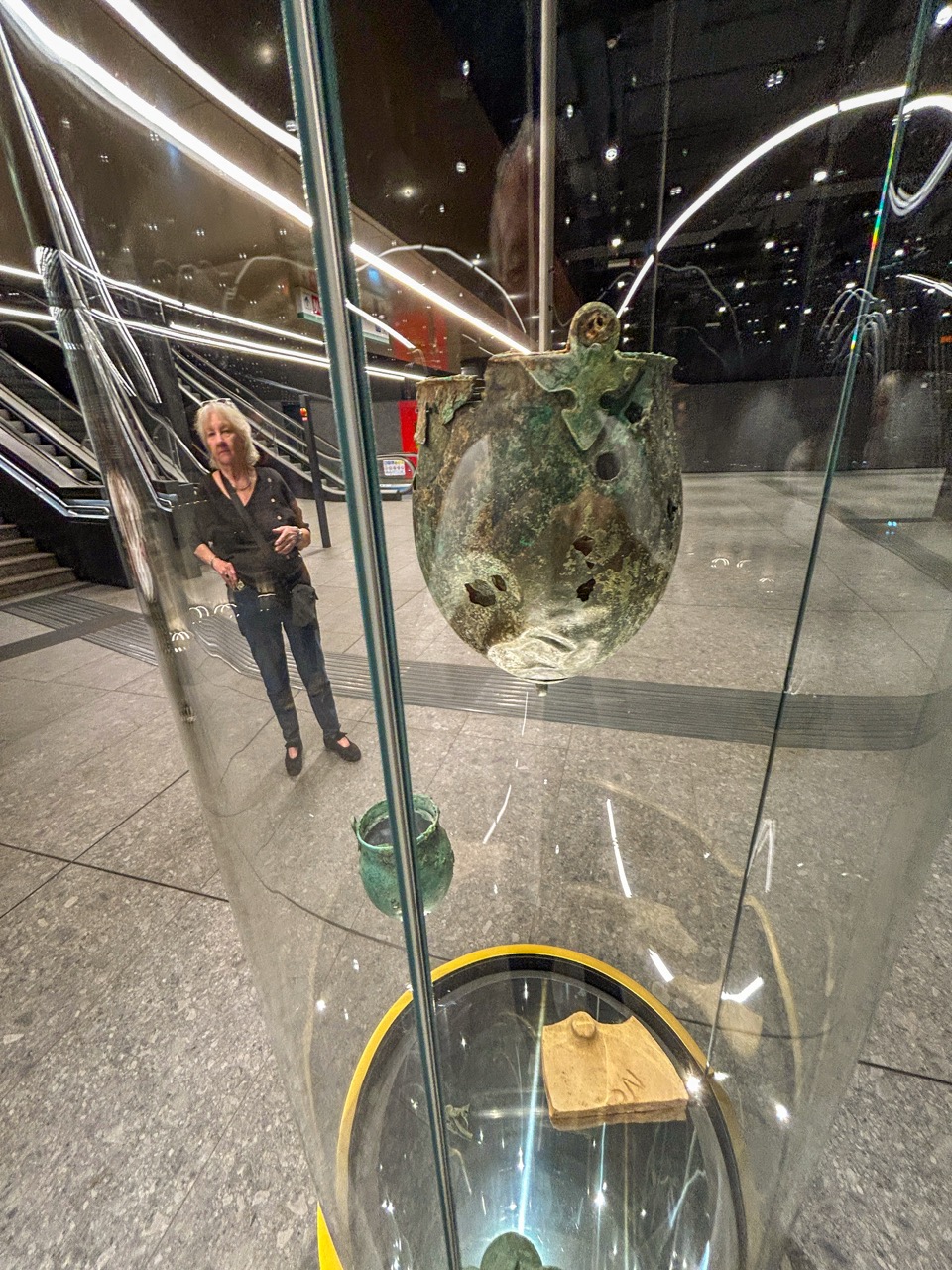
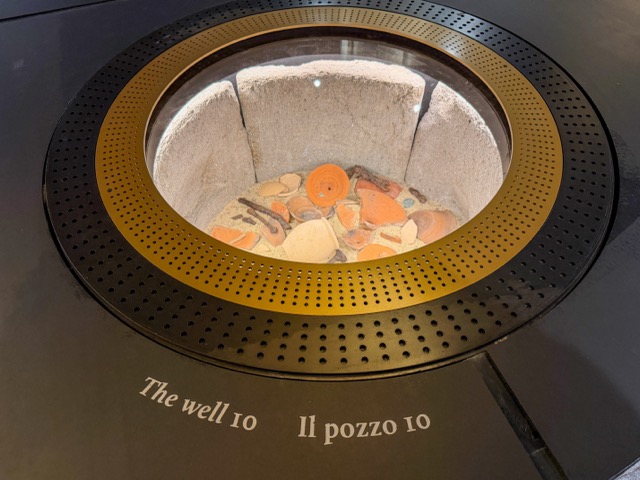
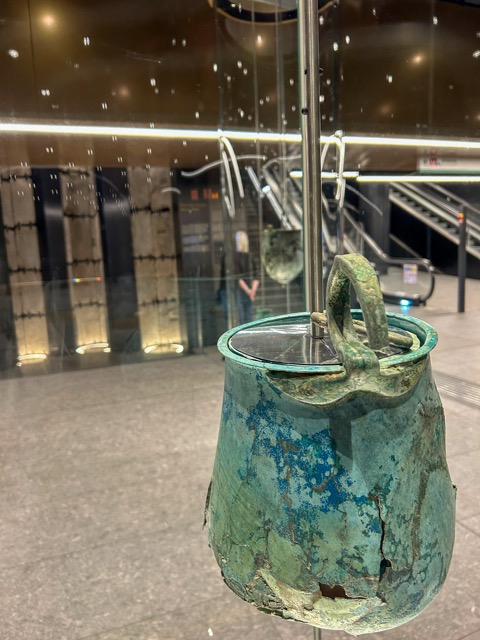
Here we were more fortunate. The excavation in this area uncovered 28 ancient water wells from the era of the Roman republic – before the age of empire and aqueducts – when the city was still forming and water was sourced from the water table. The result is another small museum displaying the related artifacts and discussing the unique religious and cultural practices related to these water wells – the source of life in that ancient time. And, here again, we found ourselves enjoying a remarkable space, practically alone, in a city that welcomes more than 16 million visitors per year, for the price of a metro pass.
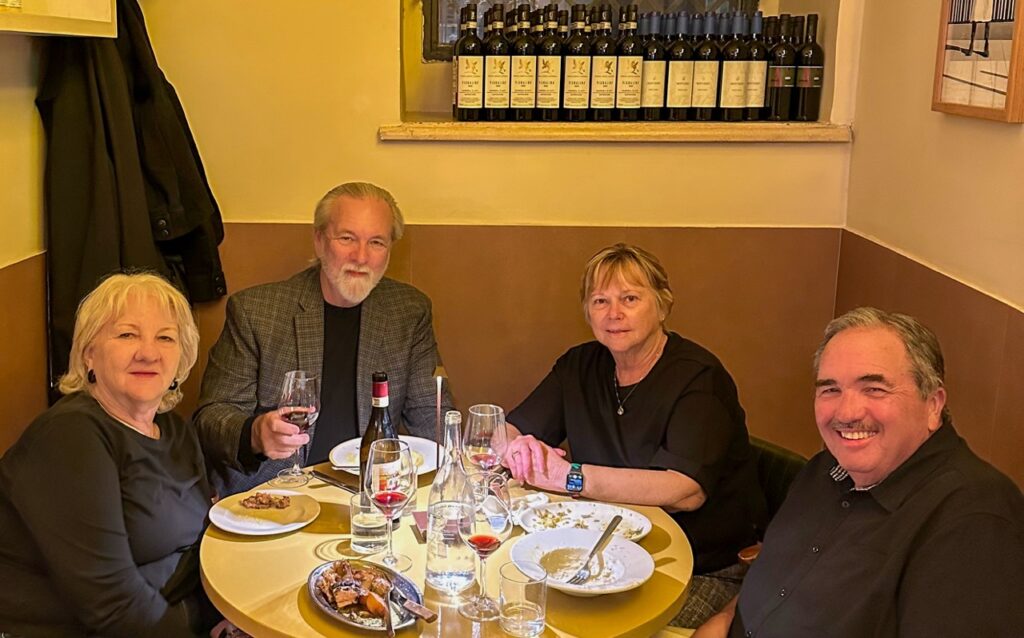
Our excuse for this visit was the arrival of Mark and Kathy in Rome, two life-long friends from our SoCal days, at the end of a Mediterranean cruise. We met at a trattoria, that final night, filled with stories of our discoveries and delight in having had our lives enriched by a deeper understanding of the civilization that begat western culture and society. And we were reminded of how precious it is to have close friends to share it with.
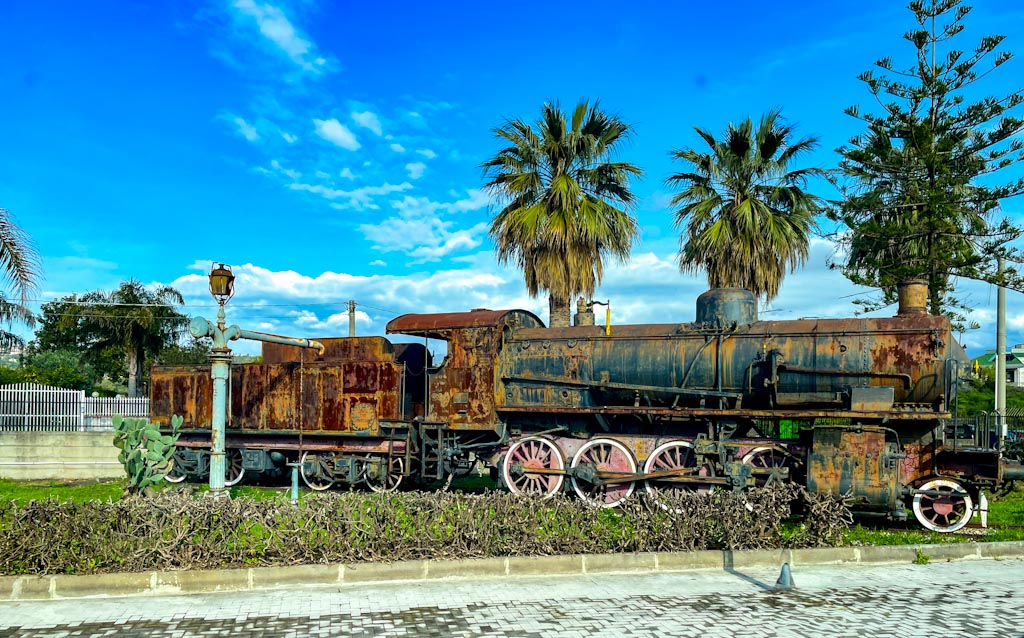
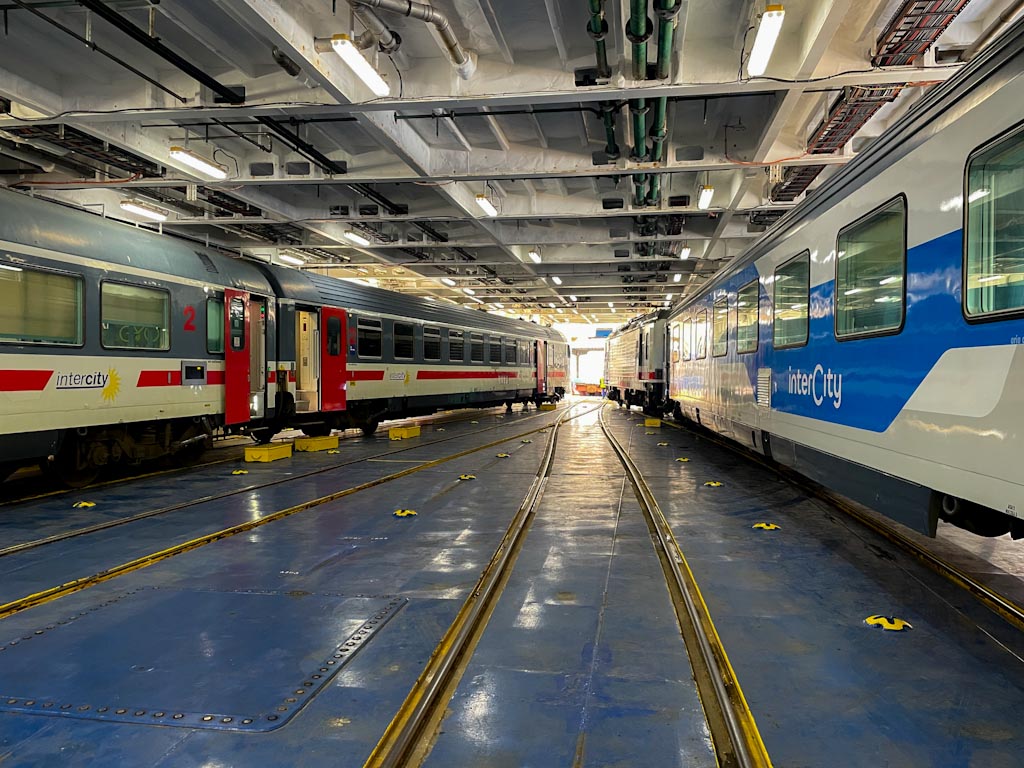
I couldn’t resist. As soon as I saw that you could take a train from Catania to Rome, I had to add that ride to our train experiences. Only the Italians could come up with a plan to put an entire train on a ferry to cross from Sicily to the mainland. So, why not? We had not even come close to fully experiencing Rome and here was an opportunity to a make another visit. Besides, I rationalized, the airfare from Rome to Valencia was far cheaper than from Sicily. Never mind that the train would be a nine-hour trip. It runs right along the western coastline most of the way. Very exciting.
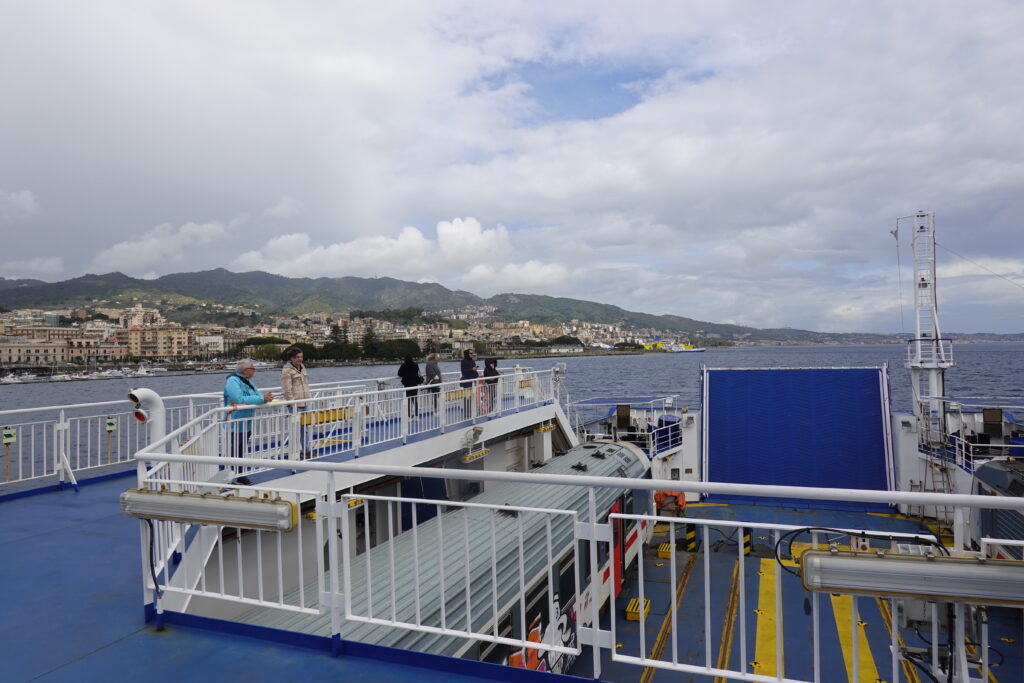
The morning we boarded was wet and cold . . . again. Oh well. We would be tucked into our cozy train seats, enjoying the scenery, warm and dry. The train made a couple of stops, and then we were approaching the port city of Messina at the northern tip of Sicily. The train slowed to a crawl and I watched on Google Maps as the track simply ended at the water’s edge. Looking out the window it soon became clear that we were slowly moving onto a ferry with tracks built into the deck. A section of train would be loaded, separated from the trailing section which would then be directed to an adjoining track. Our train only filled two of a potential five tracks on the ferry. When all was secured, the doors to the train car slid open and we were free to explore the ferry. It was all done smoothly and efficiently, without drama. Actually, kinda anti-climatic. Except that I love being on the water, and the novelty of leaving our train to wander about the deck of a ferry was really sort of surreal.
Forty minutes later, we were back on dry land, our train reassembled, chugging north to the Italian capitol and a date with the religious epicenter of Western Europe.
Next Stop: Patience – Bonnie’s Perspective
With practice, we’ve become pretty good at travel logistics. Getting ourselves from Point A to Point B can sometimes be challenging, but we navigate the chaos of airports, train stations, bus terminals, and metro stops with ease stations with ease most of the time. We do our homework, arrive early, take it slow, stay flexible, and help each other keep track of belongings. We have systems that work. Usually. Every once in a while, something goes awry. Case in point: our journey from Catania to Rome.
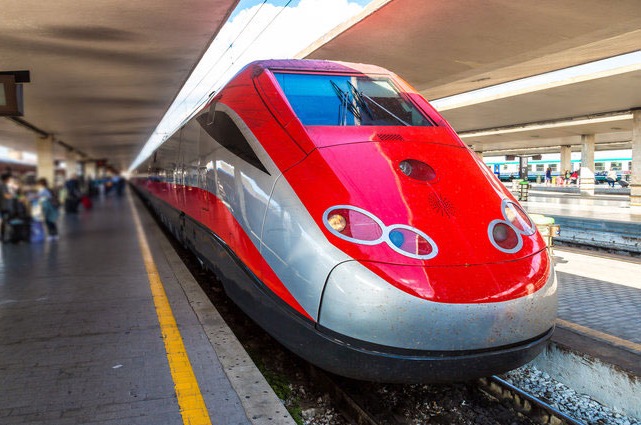
Boarding a train in Catania at 8:30AM, our expected arrival time in Rome was 6:30PM. Ten hours is a long time to spend on a train. No problem. It would be a day of rest and time to write our blog post about Sicily. We grabbed a croissant and cappuccino at the train station before boarding and planned to buy lunch at the café car on the train. Around noon, Ed went hunting for the café car and returned shortly with disappointing news: vending machines would have to do. Cookies, chips, and crackers was our lunch menu. Not our usual midday fare.
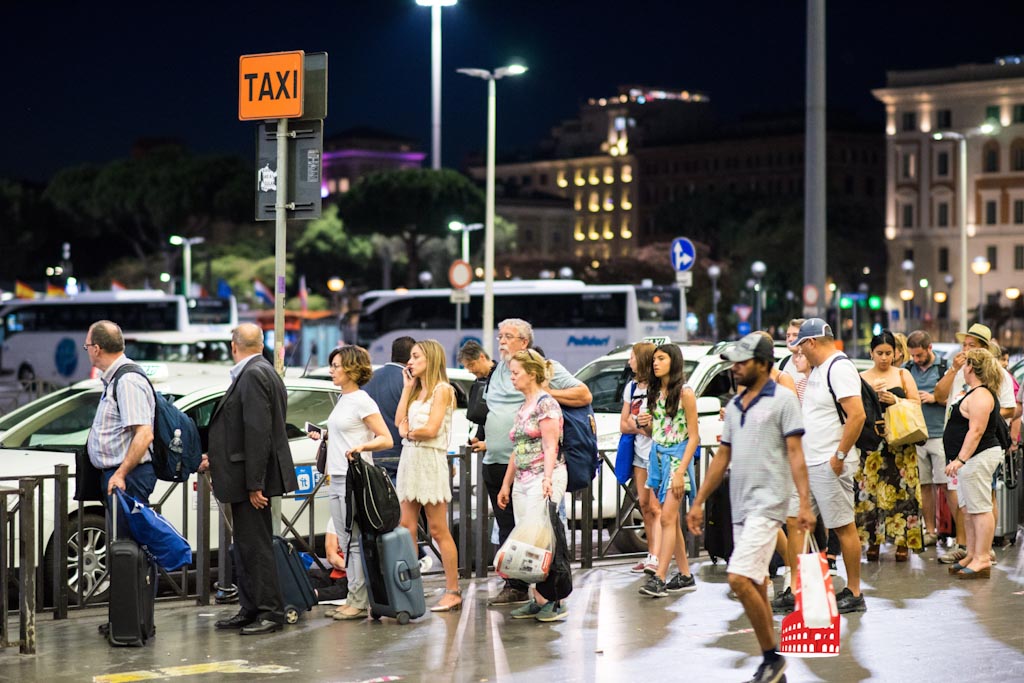
Then, somewhere between Naples and Rome, there were “technical difficulties” resulting in a delay of about two hours. Twelve hours is a long time to spend on a train. No problem – these things happen. When we finally arrived in Rome’s massive central train station around 8:30PM, we figured we could still make it to dinner after a quick 30-minute taxi ride to our hotel. Nope. The taxi line was very long, and a single taxi was appearing every 3-4 minutes. Plan B: have dinner while standing in line. Just inside the train station was a pizza place, of course. When I ordered 4 pieces of pizza, I didn’t realize I had ordered 4 very large squares that would each be cut in half after reheating in a small oven. With two bottles of water and a box full of pizza in hand, I returned to the line to find Ed had moved forward all of about two feet.
By the time we finished dinner, we’d moved forward another 3-4 feet. There were dozens of people in front of us and the taxis were still arriving at a slow pace. No problem. We were in Rome, after all. And, we had a little entertainment to help pass the time. We had noticed, as is typical in Italy, 3-4 soldiers hanging out just outside the train station in their army fatigues and carrying big guns. I suppose they were keeping us safe. From what I’m not sure, but their presence was oddly disturbing and reassuring at the same time.
A few minutes after finishing our dinner, a loud crash of breaking glass startled us. We turned to see a drunk guy, who had been laying on the ground near the taxi line, had dropped (or thrown) a bottle of booze on the pavement. Within seconds, he was pinned to the ground by soldiers. In a few more seconds, four soldiers grew to eight soldiers. A few minutes later, police officers started arriving on the scene – eight of them. After 15 minutes of discussion, the drunk was released and stumbled into the train station. The soldiers dispersed after a few minutes, but the police officers seemed to have a lot to discuss, and they stayed for another 20 minutes or so. It occurred to me that there were lots of mafioso in Italy to be apprehended, but Ed didn’t think it was a good idea to offer this suggestion to the officers.
The taxi wait turned out to be 90 minutes and we finally made it to our hotel around 10:00PM. We decided to hit the sack because our alarms were set for 6:00AM to get to the 7:15AM meeting spot for our Vatican tour the next morning. We were journey weary, but no problem – we were in Rome!
The Vatican – Ed’s Perspective
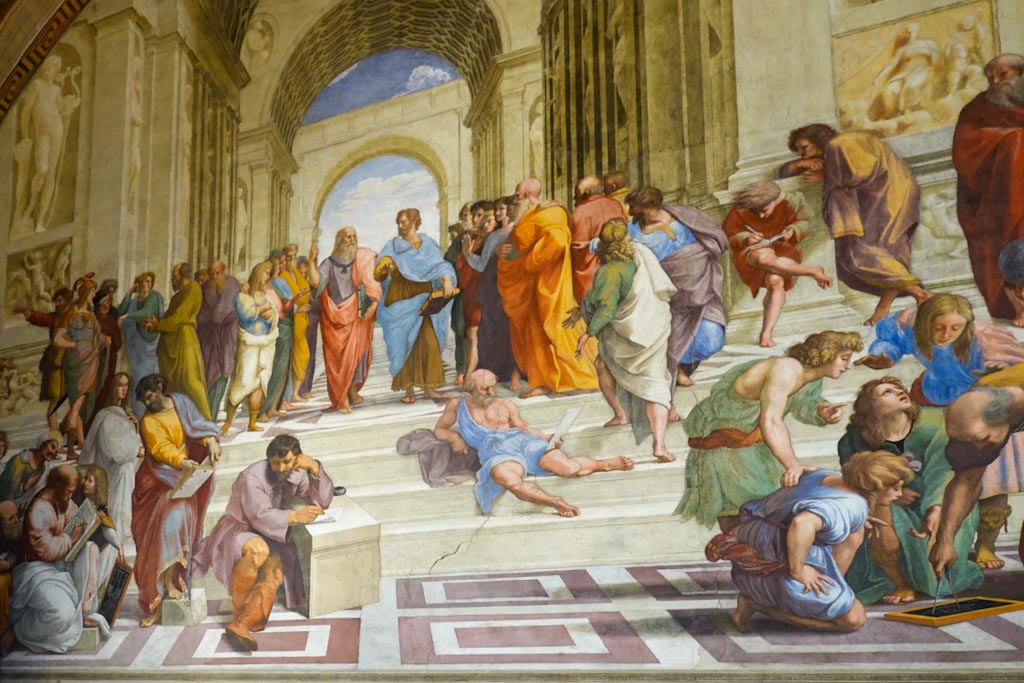
Being as this was our second trip to Rome in the past year, we decided we really needed to check the Vatican box this time. We were both pretty ambivalent about it, at this point. In the past two years of bouncing around Europe, we have been in more churches than our previous two decades, but it’s Saint Peter’s Basilica, Michelangelo, Botticelli, the Sistine Chapel, the absolute pinnacle of Western European art and architecture. Right?
We paid a premium for the extra small, very early tour group, our intent being to give the experience the best chance for success. We hauled ourselves over to Vatican City just after sunrise, a little grumpy – cold, rainy, no breakfast. (Good news, by the way. It has been cold and rainy every single day since the first of March, so climate change was clearly a hoax.) We lined up with a couple of thousand others there to beat the crowds, and listened to our guide explain that we were attempting to visit the Vatican three weeks before Easter in a Jubilee year. “What were we thinking?” she chided.
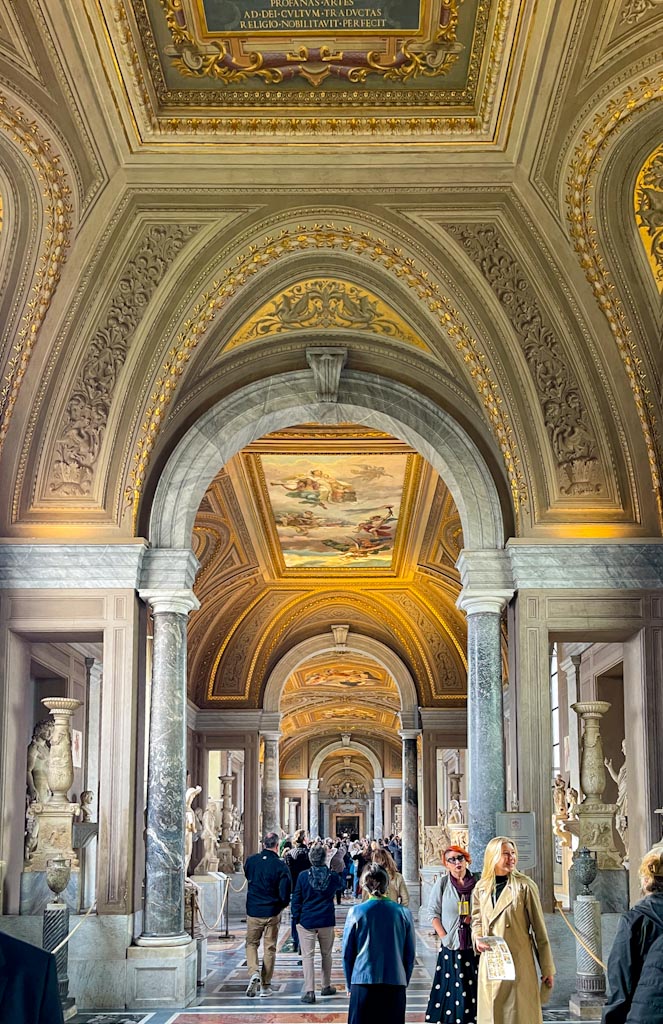
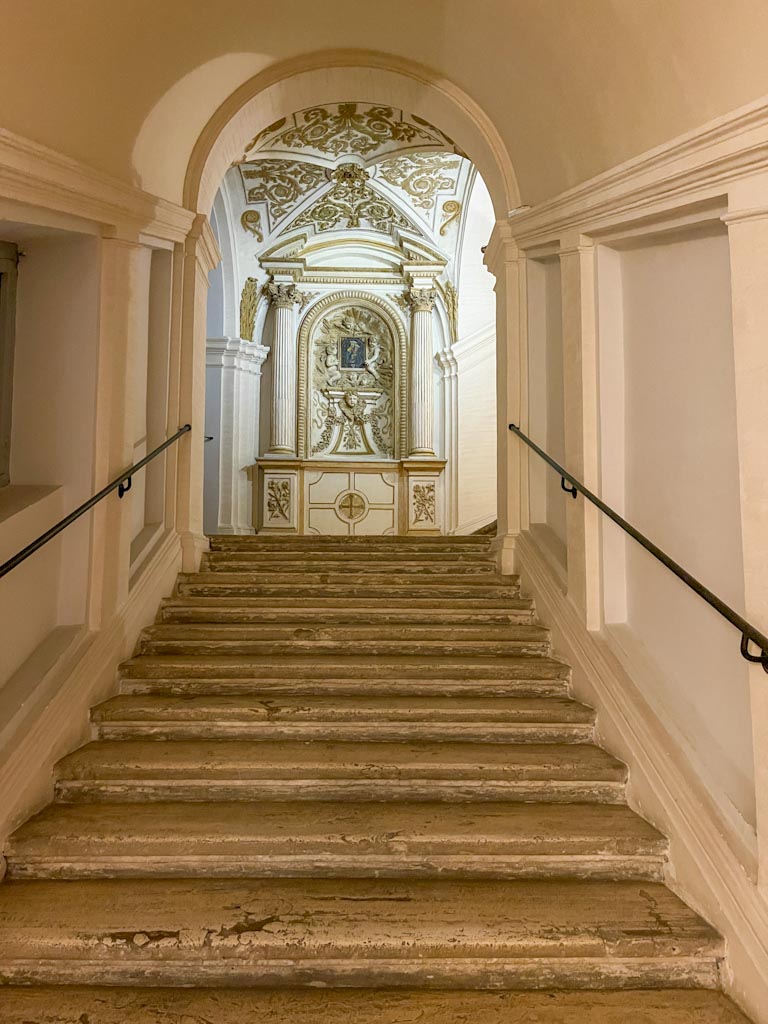
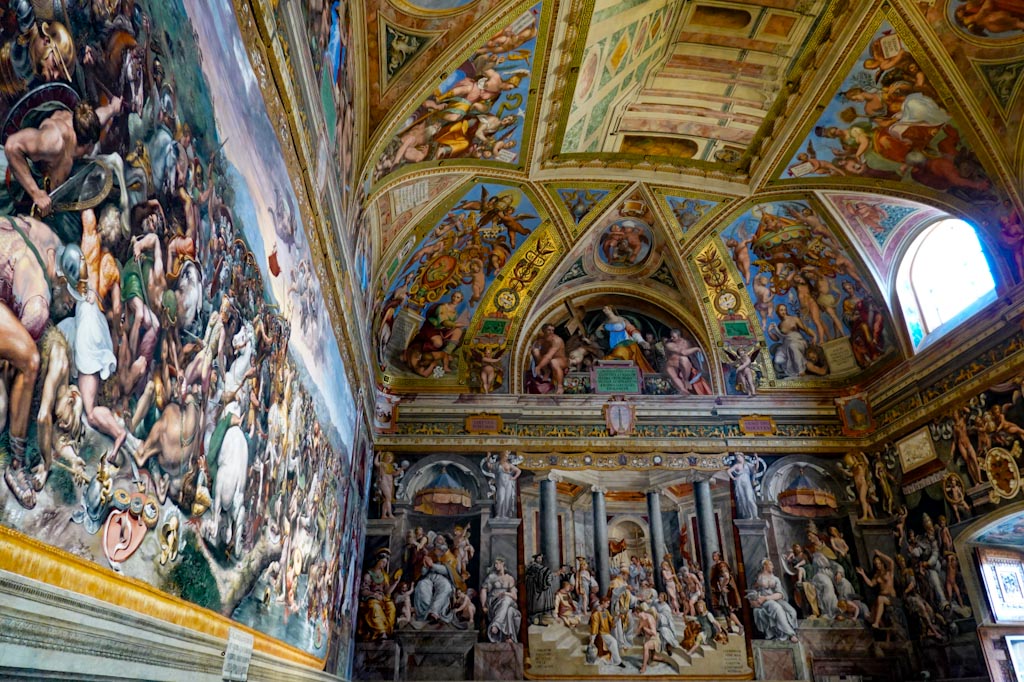
We dutifully followed our tour guide through the corridors, stairs, anterooms, waiting rooms, inner rooms, and salons, all filled with an overwhelming abundance of treasures. We were allowed 15 minutes in the Sistine Chapel to stare up at the ceiling. I decided this time limit was quite an important safety precaution as more than this would undoubtedly cause an epidemic of neck problems.
Not the Sistine Chapel – photos are not allowed
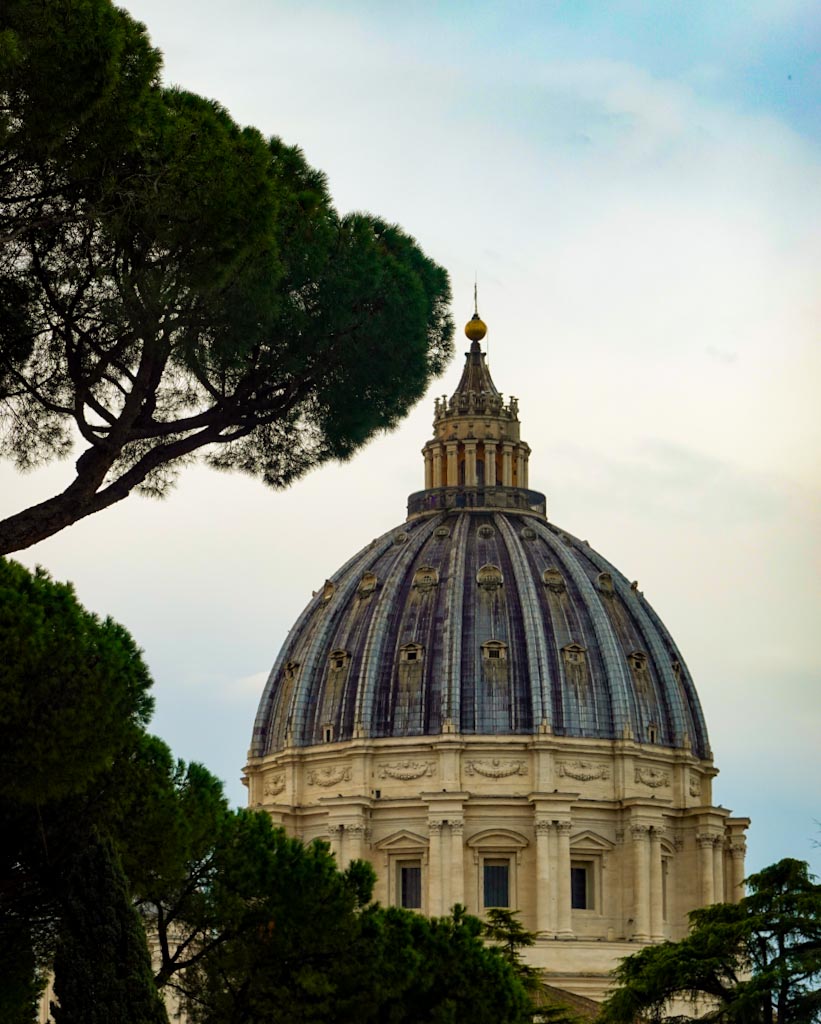
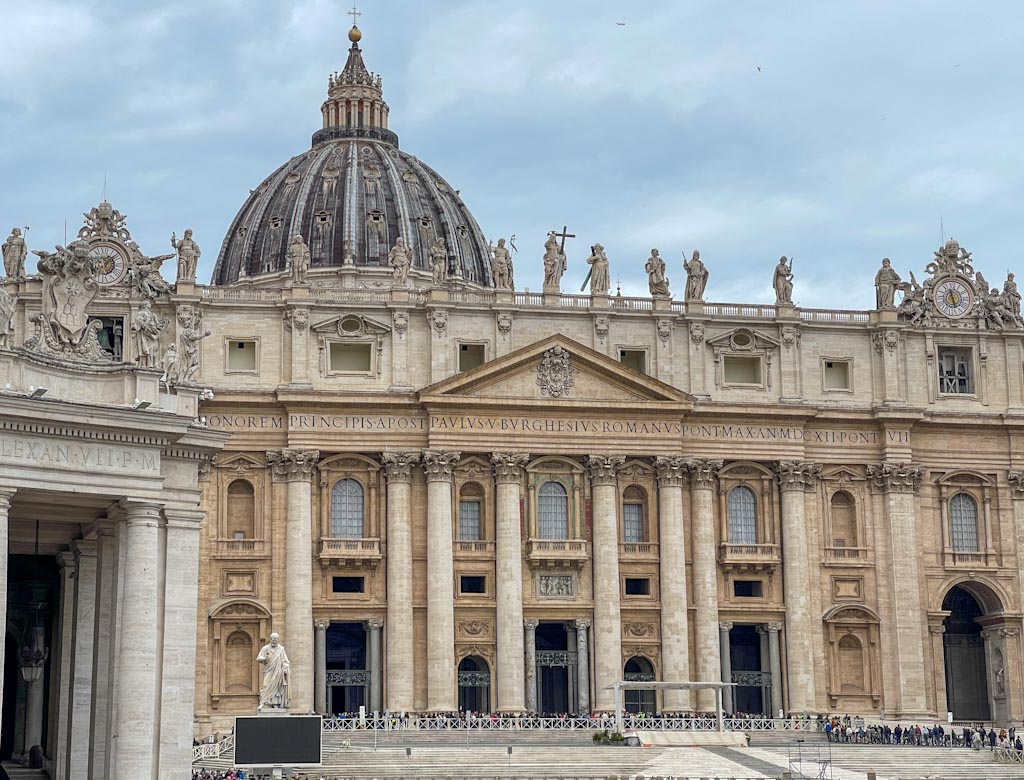
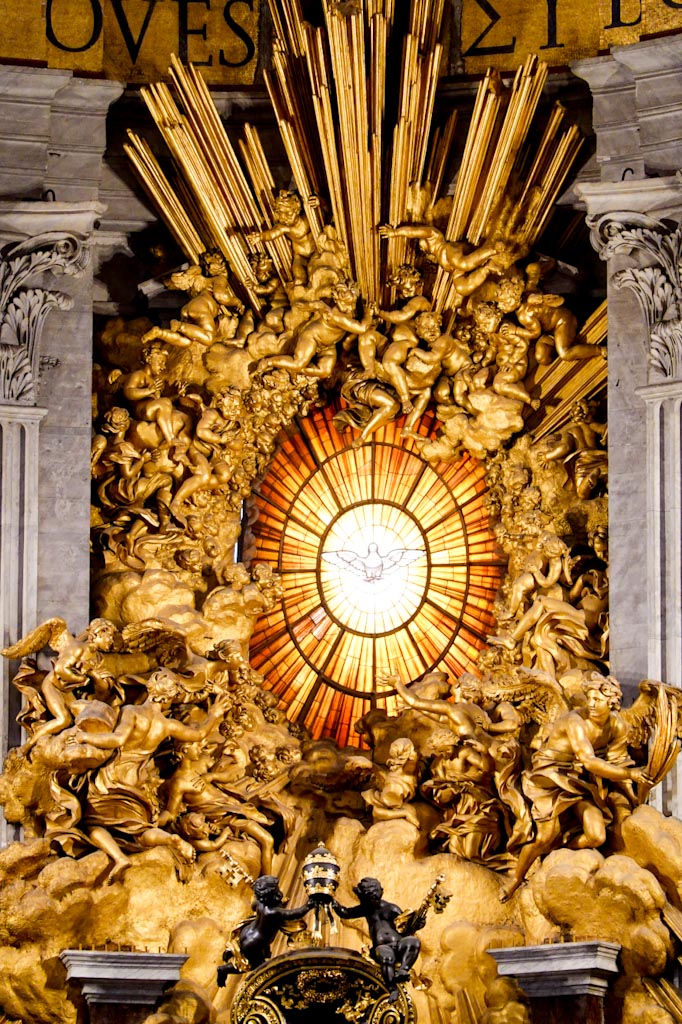
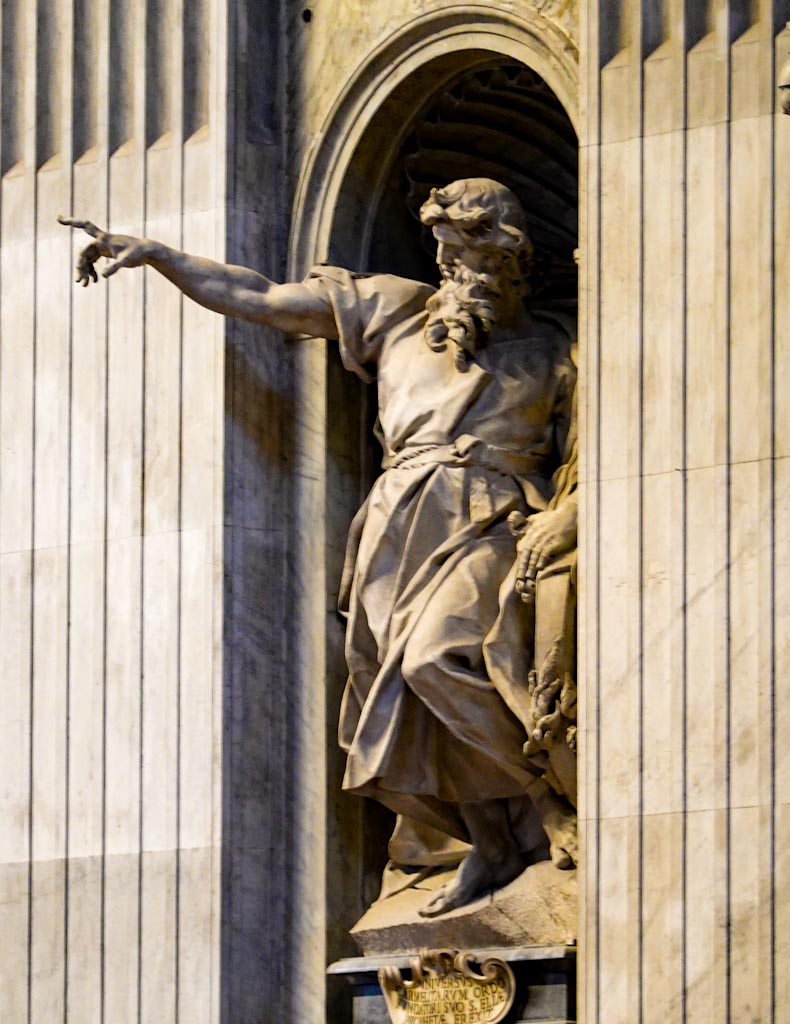
We then made our way to the massive Saint Peter’s Basilica which is so big that the human mind is literally not capable of perceiving the scale. Which, sort of begs the question, what was the point? In any case, while Saint Peter’s is the largest Catholic Church in the world, it is also pretty similar to all the other Catholic Churches in the world. Well, except for the fact that it is littered with some of the most treasured art on the planet. At the end of the tour we were offered the opportunity to wander about on our own and join the cue of “pilgrims” making their way through the special door where touching the jamb during a Jubilee year results in the forgiveness of all your sins from your whole life. Really. We didn’t make this up.
And so, we left Vatican City (add one more visited country to the list) feeling a vague sense of dissatisfaction that I had to ponder a bit to understand. We grabbed a table in a nearby cafe and sat discussing it for a couple of hours and I think came to understand at least some of our unease.
First, there’s the architecture. What becomes clear as you make your way through the compound, is that the entire edifice is very specifically designed, arranged, and decorated to provide the maximum shock and awe as you approach the Pope’s audience chamber. It is, in fact, a massive palace whose primary aim is to intimidate all who enter and impress upon them the immense power of the man who lives there. In this sense, it is no different than all the other celebrated, secular seats of power around the world – Versailles, Buckingham Palace, etc. Not long ago, we heard a sermon from a Christian minister in a Texas church point out that Christian Nationalism has always been the point of formally organizing the church. Constantine in the third century, he explained, was the first Christian Nationalist, turning the new religion into his base of power. This notion really resonated with me and the Vatican is the fullest expression of this quest for power and wealth through religion. Well, at least for now. (It would seem there is another project in North America attempting to replicate this model.)
Second, there’s the matter of the art. Many years ago now, I was privileged to be involved in the design and construction of a small palace for a multi-billionaire in Los Angeles (back when a billion dollars was a lot of money). The project took a couple of years, and in that time, I had exposure to a world of wealth and luxury that I could not have imagined, previously. Among the many things I took away from that experience, was the casual way that people with this kind of wealth live, surrounded by priceless art and antiques, as though it had been picked up from the local thrift store. (Well, to be fair, it was generally used.) I was flooded with that same feeling as we toured the Vatican. Priceless treasures haphazardly distributed without a lot of care, certainly not displayed for the appreciation of the public. Rather, these artifacts and the geniuses who had created them, were merely the trappings of power and wealth, carelessly scattered about. In fact, it turns out that the Italian government actually had to negotiate an agreement with the church to require access by the public to these treasures. Otherwise, the Vatican would choose to limit access, so as not to be bothered.
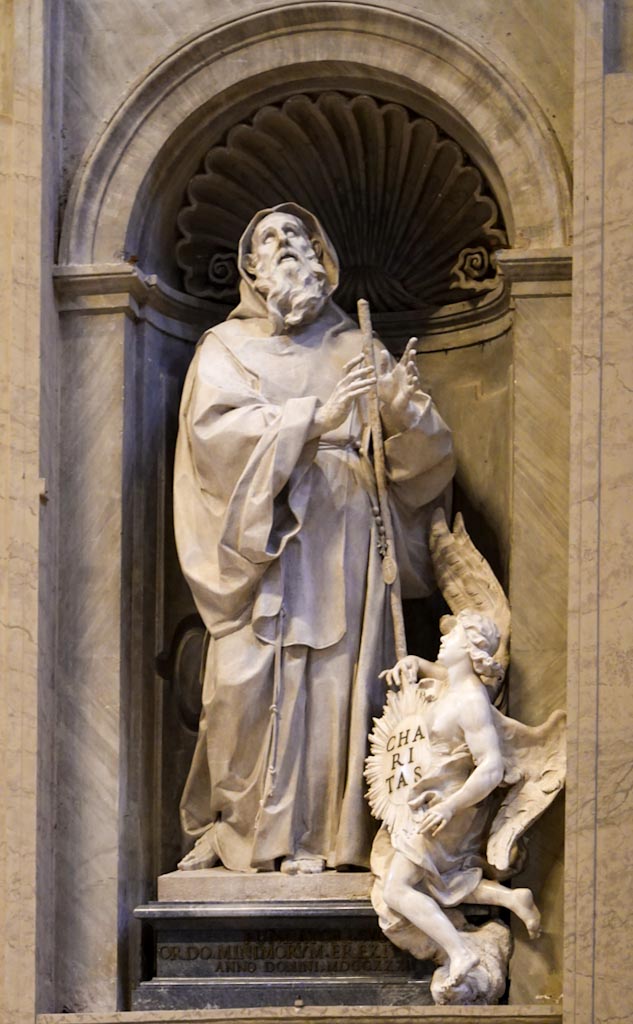
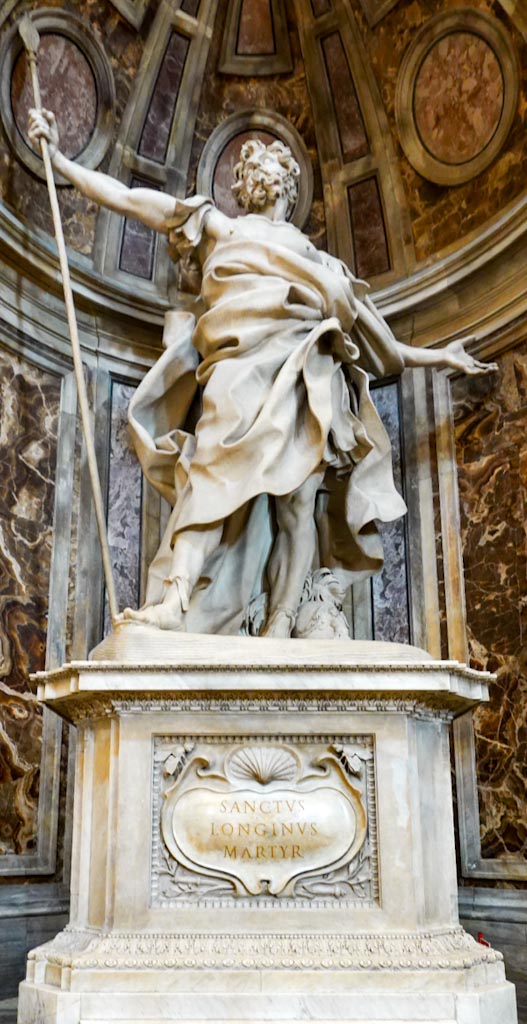
Take The Pieta, as an example. Michelangelo created this masterpiece at the age of 24 (hard to process) and there it sits, off in the corner, so to speak, poorly lit, behind a wall of scratched plastic panels, where it is pretty much lost in the general interior hub-bub of the basilica. Contrast this with the way Florence displays The David – alone, in a purpose built room, with flawless lighting, and an understated, yet elegant complimentary decor. Only one of these was a spiritual experience, for me.
To put it simply, wandering the rooms and hallways of this vast complex, the disrespect shown by the owners of the Vatican’s vast collection for the genius of the artists and artisans, and their extraordinary achievements, is palpable. It’s a casual expression of privilege, born of extreme power, that resonated with my experience decades earlier in Los Angeles with the billionaire.
So, is the Vatican an amazing place? Sure. I am not sorry we made the effort. The art and architecture are stunning. The context, however, is unsettling and has lessons for our current moment where extreme wealth and power have been allowed to accumulate to an elite few. History, as they say, may not repeat, but it certainly does rhyme.
So Many Pastas, So Little Time – Bonnie’s Perspective
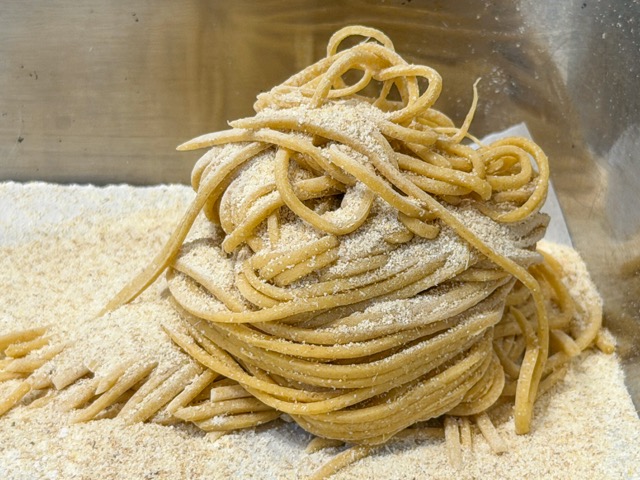
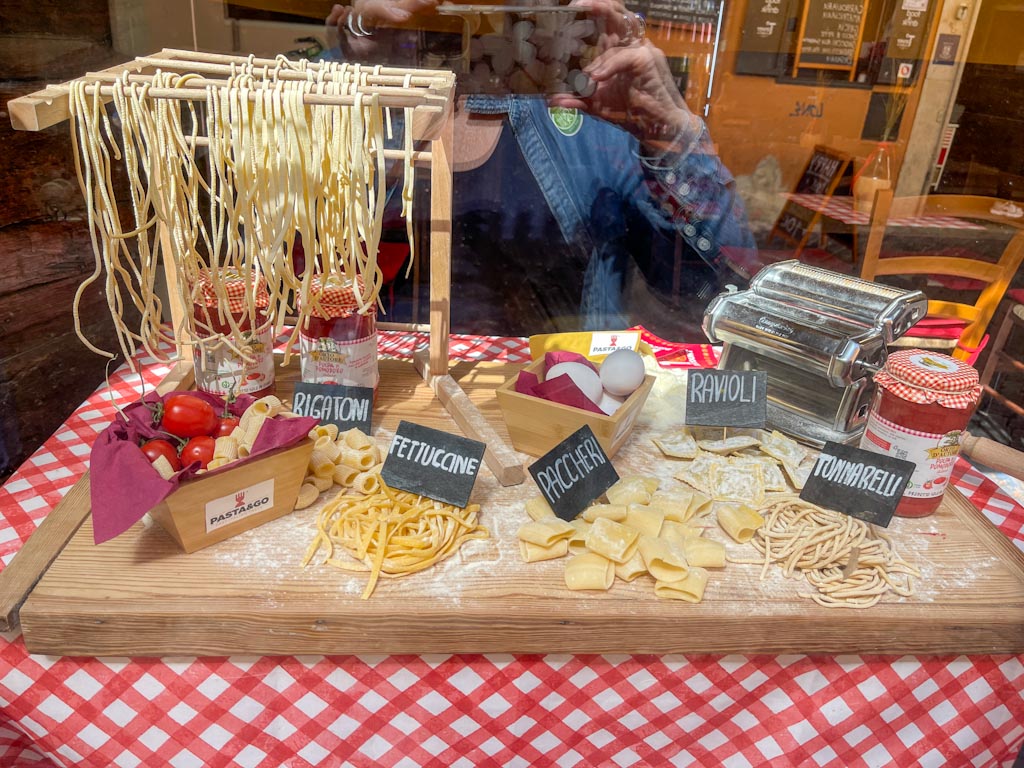
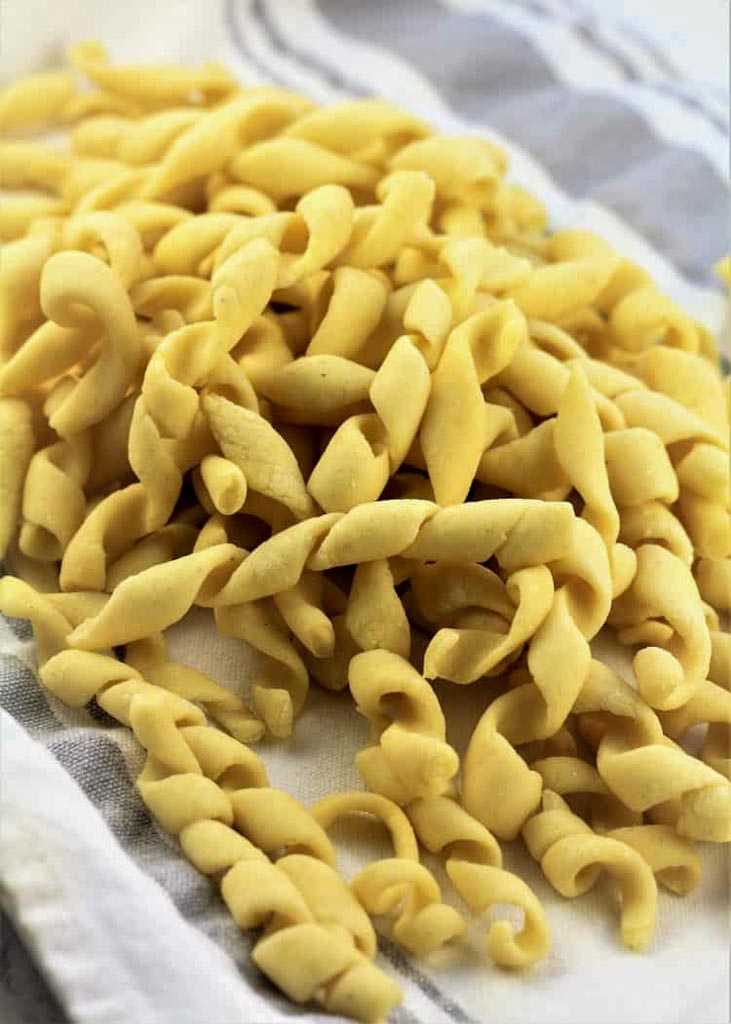
Stunning art and architecture aside, the real reason we visit Italy is the food. Having spent 7 weeks in Italy over the last 2 years, I was feeling confident about my knowledge of pasta shapes. Beyond the familiar and ubiquitous shapes that we all know and love – spaghetti, linguine, rigatoni, fettuccine, penne – we’ve enjoyed tortellini and strozzapreti in Bologna, gigli in Florence, agnolotti and plin in the Piemonte region, bigoli in Venice, strangozzi in Umbria, to name a few. In Sicily, I added busiate to my list of known pasta shapes. A medium length, twisted pasta, busiate gets its name from busa – a grass that grows all around Sicily. The stem of the busa grass is used to shape the pasta.
Busiate
My feelings of accomplishment and pride were vanquished when a quick internet search revealed that Italy is home to over 350 officially recognized varieties of pasta and there are many more regional variations. This project is going to require more time, and more trips to Italy.
AKA Arancini – Bonnie’s Perspective
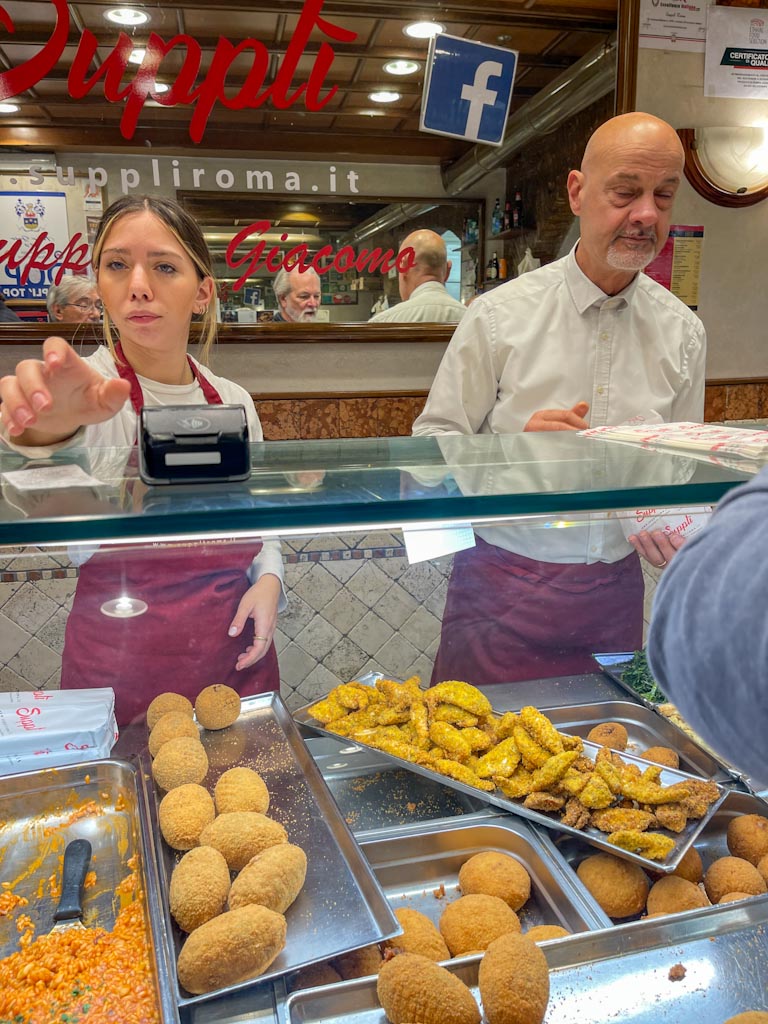
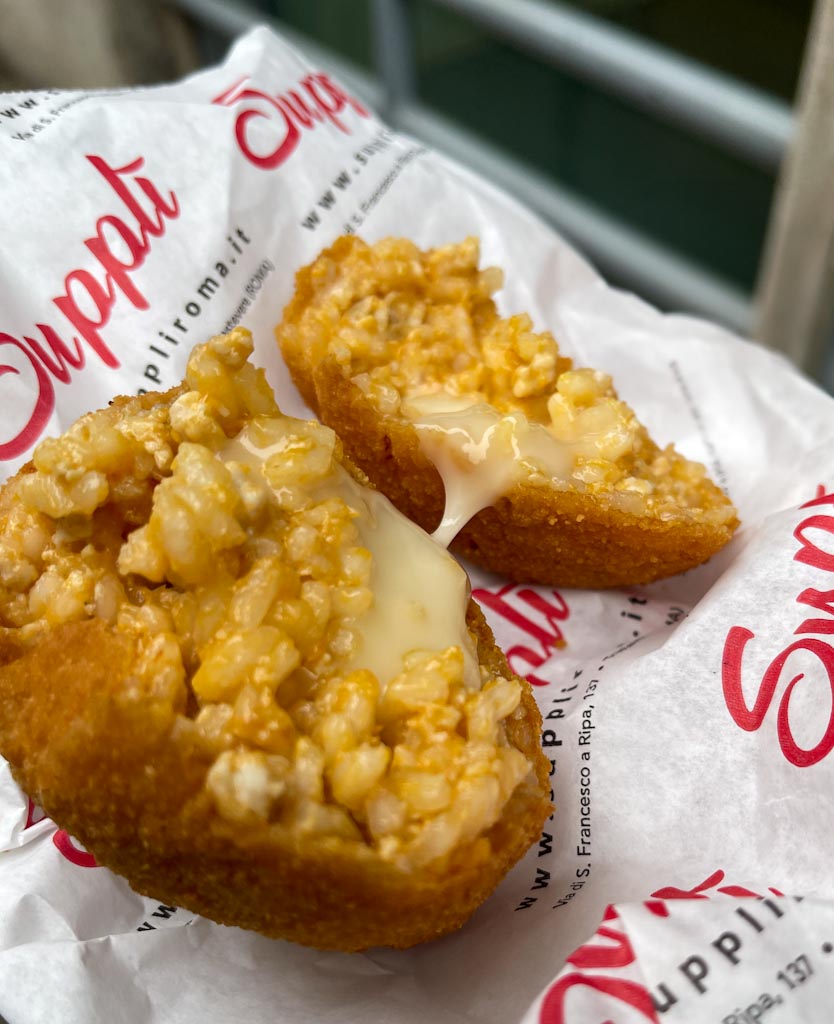
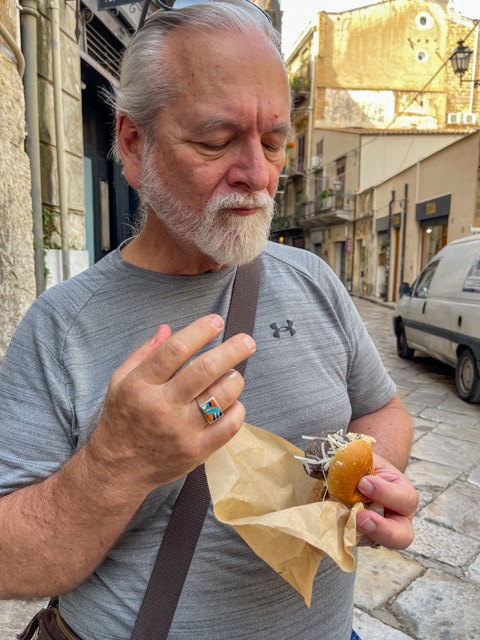
Supplí, Rome’s version of arancini, is a much-loved street food throughout the city. Larger than arancini, this Roman snack comes with numerous different fillings, but “supplí clasico” includes tomato sauce and mozzarella cheese. It’s common to see Romans standing on, or walking along, the street munching on a supplí. Embracing this cultural behavior, we had to do the same!
A Different Appoach – Bonnie’s Perspective
A sprawling city layered with history, Rome can feel overwhelming. On our first visit in 2023, we were racing around trying to see as much as we could – the Pantheon, Coliseum, Spanish Steps, Trevi Fountain, etc. It was a quick introduction to the Eternal City and one we will always treasure. This time, we decided on a different approach – one neighborhood at a time.
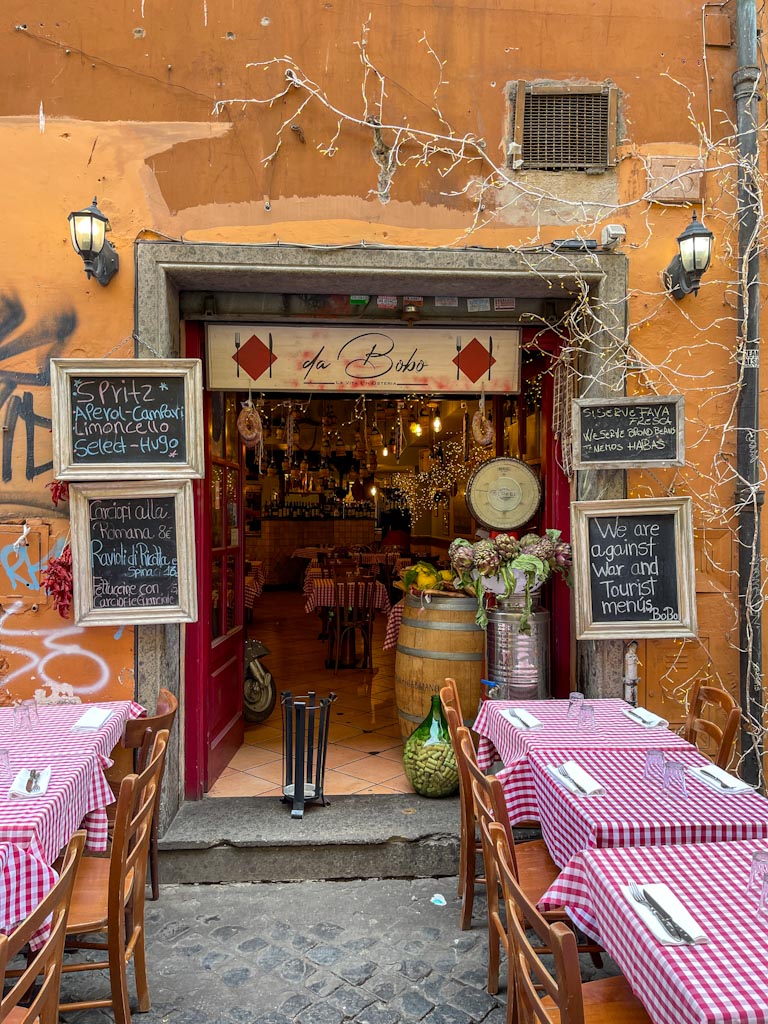
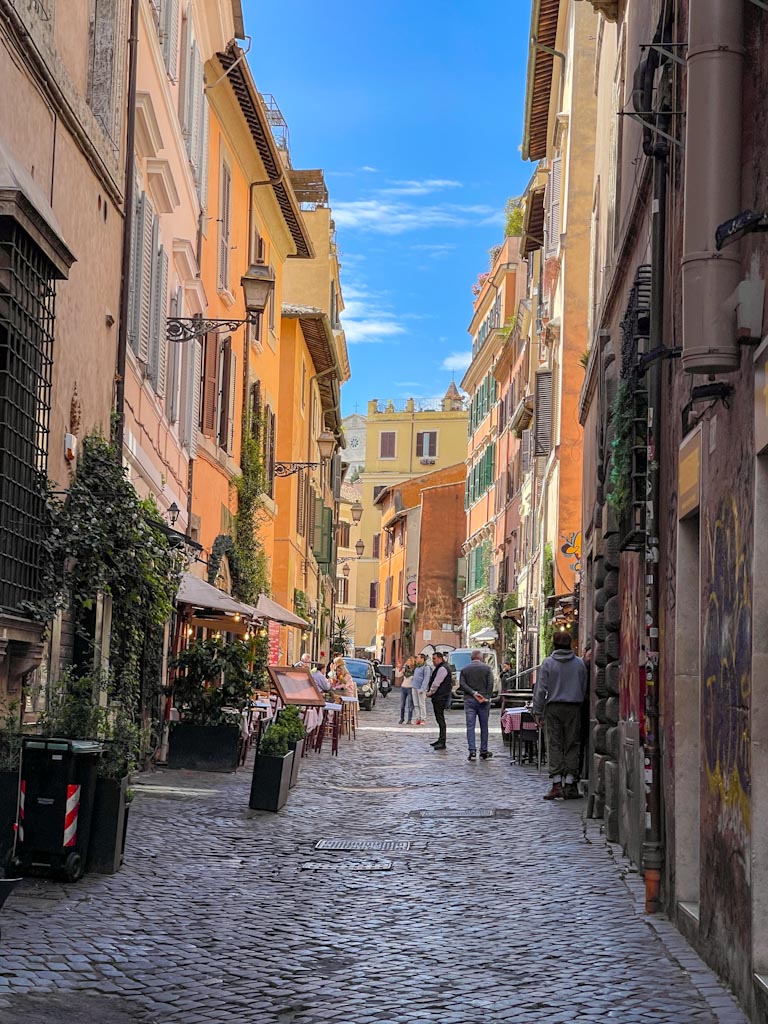
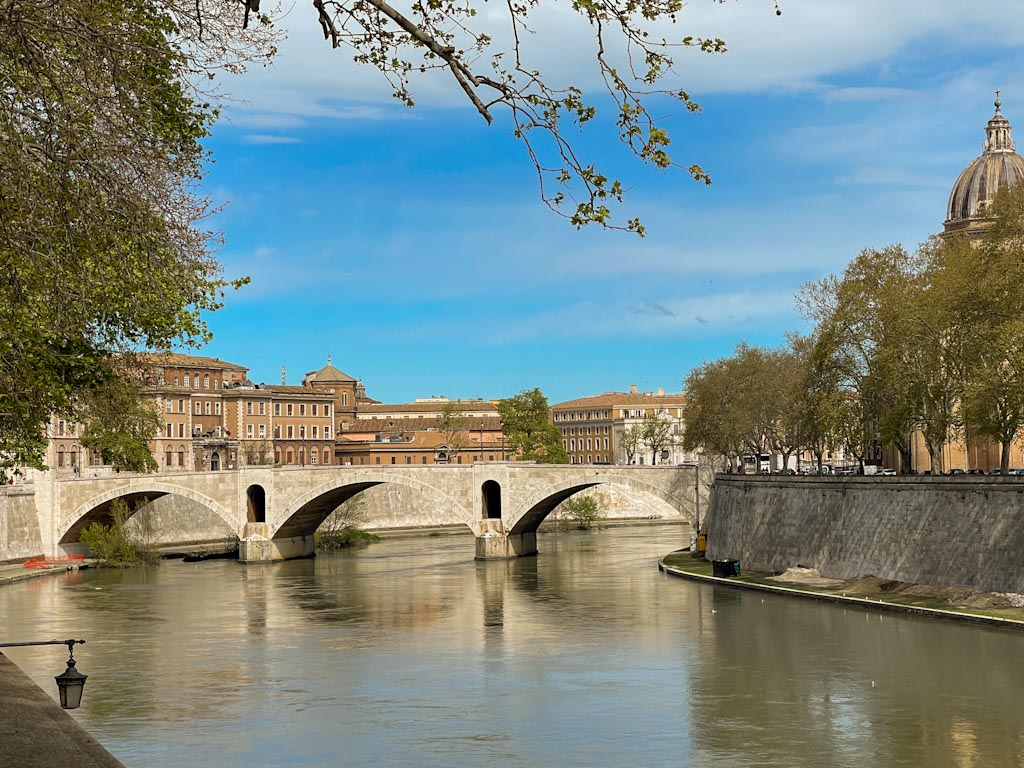
Other than our early morning trek to the Vatican, we spent our time in Rome’s Trastevere neighborhood. Nestled on the West Bank of the Tiber River, Trastevere feels like a small village within a big city. It’s a charming and vibrant neighborhood with a bohemian vibe, cobblestone streets, narrow alleys, ivy-covered buildings, and rich history. It feels authentically Roman. Mornings are quiet with locals shopping at small markets or enjoying coffee in a piazza. In the evenings, it’s much livelier with the many outdoor cafes filled with locals and tourists.
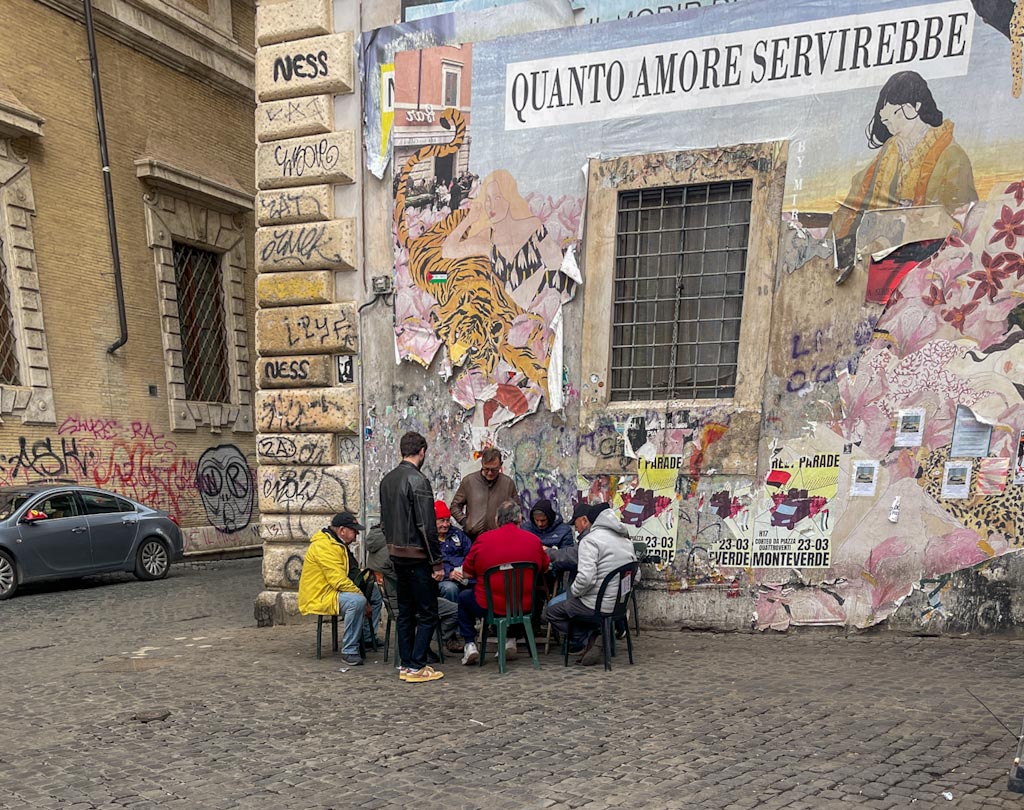
Morning card game
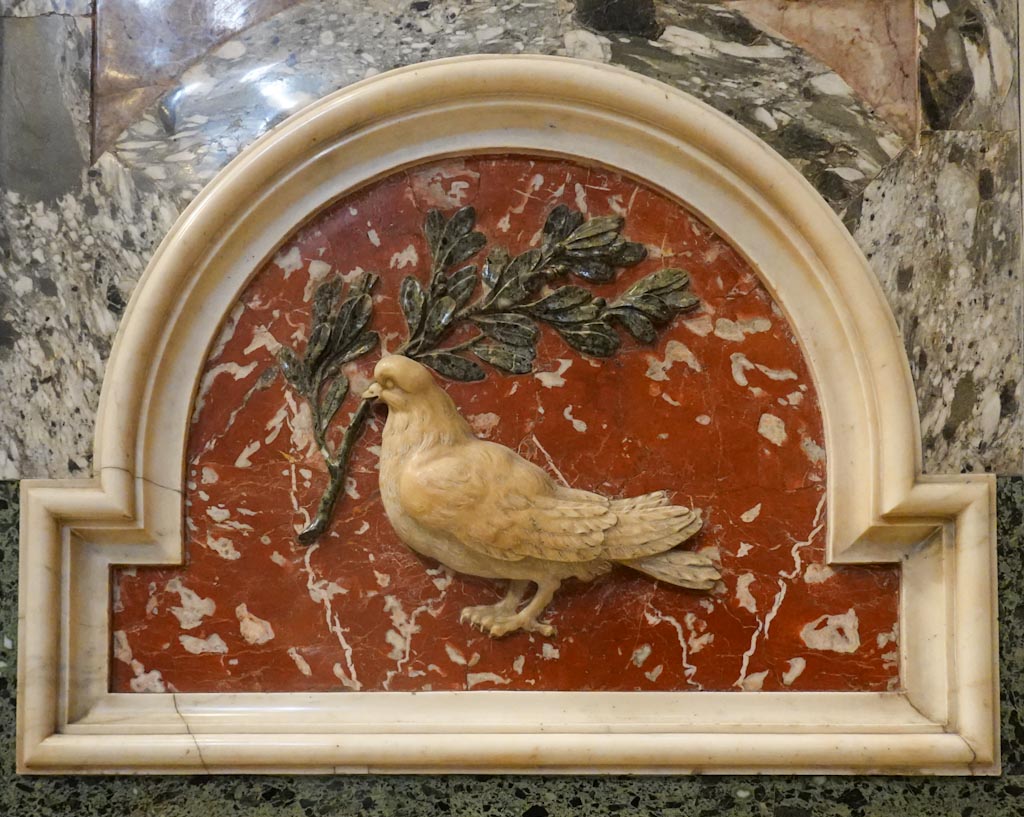
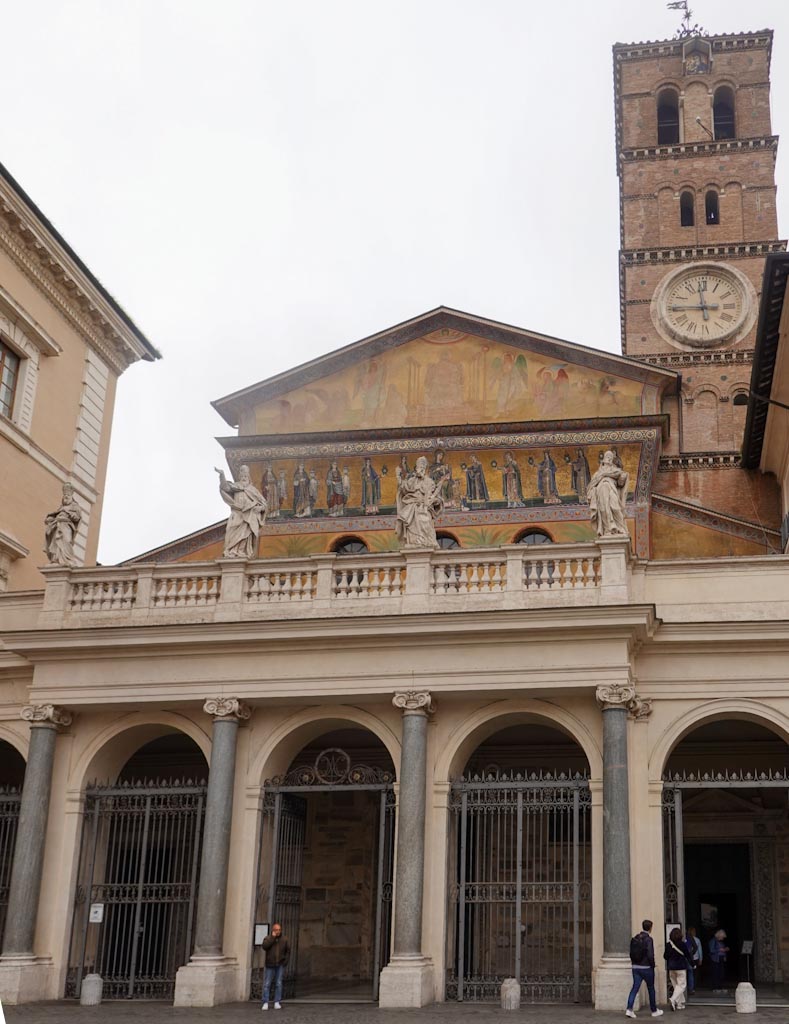
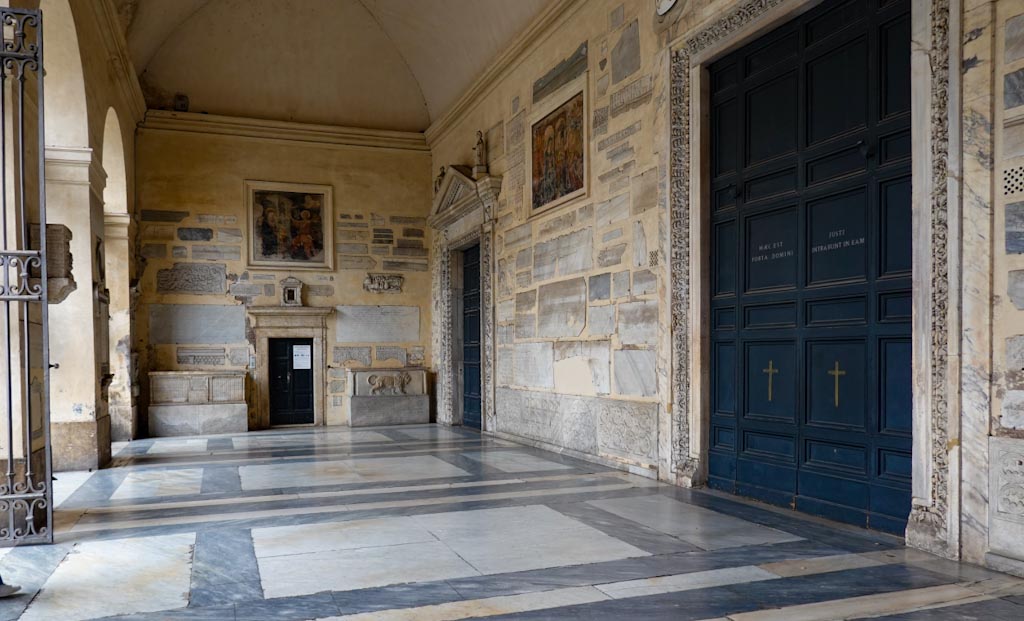
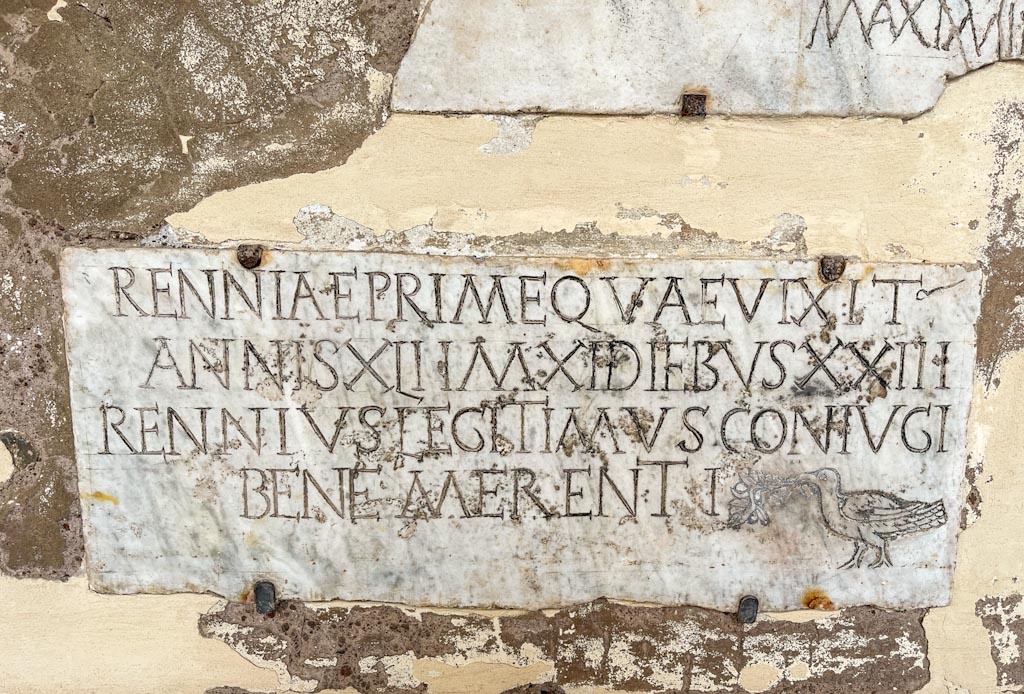
Wandering about one morning, we discovered the Basilica of Santa Maria in Trastevere, one of the oldest churches in Rome. Originally built in the 3rd century, it was rebuilt in the 12th century. The church’s façade features a golden mosaic and inside the portico, the exterior walls of the church are covered with ancient tombstones from the early Christian era, the Middle Ages, and the Renaissance period, and even a few pagan sarcophagi from early Rome. We were captivated by the way this space preserves the lives and faith of Romans across many centuries.
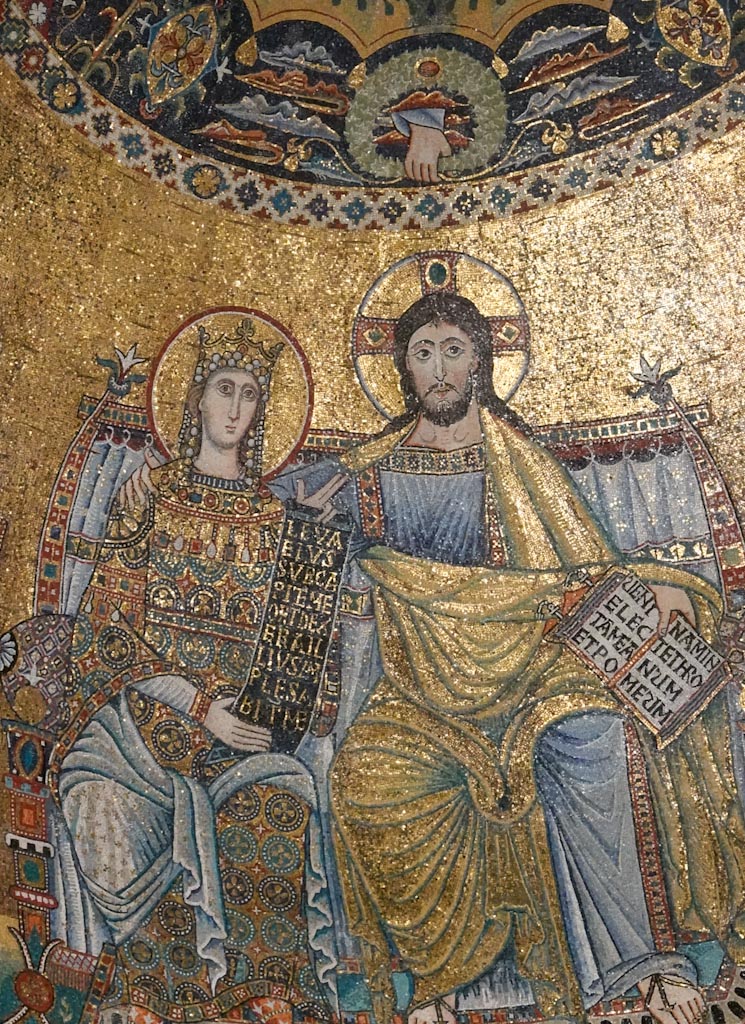
The inside, the basilica is richly decorated with marble walls and 22 granite columns that were repurposed from a Roman bath complex. The coffered ceiling is gilded, and the stunningly beautiful mosaics in the apse, created in the 12th century, rival those we saw in Ravenna last year.
So, instead of rushing about, it seemed we were able to actually feel Rome, not just see it and we left with memories, not just photos.
Since moving to Spain just over two years ago, we’ve popped over to Italy three times. After our first trip in March 2023, it occurred to me that we could go to Italy for a long weekend. It still amazes me that we can be in Rome in just two hours. After a ten-day trip to Tuscany and Rome in 2023, our 2024 trip was a three week-long adventure beginning in Naples and trekking by train through the hill towns of Umbria, Bologna, Venice, Milan, Turin and the Piemonte region. We’d been thinking about a Fall 2025 trip to Italy’s east coast, but then, one night at dinner in Valencia, our good friends, Richard and Sheila, mentioned they were planning a trip to Sicily in March. “Would you like to go to Palermo to see an opera?” Well, of course! So, there you go – the genesis of another adventure.
The largest island in the Mediterranean, Sicily’s unique location at the crossroads of Europe, Africa, and Asia has made it a mosaic of cultures throughout history. In fact, Sicily had been invaded and conquered since the Phoenicians and Greeks fought over it in the 5th and 6th centuries BCE until the unification of Italy in 1861. Phoenicians, Greeks, Romans, Byzantines, Arabs, Normans, Spain, the Bourbons (and a few others) all conquered Sicily and contributed to its rich, multicultural history.
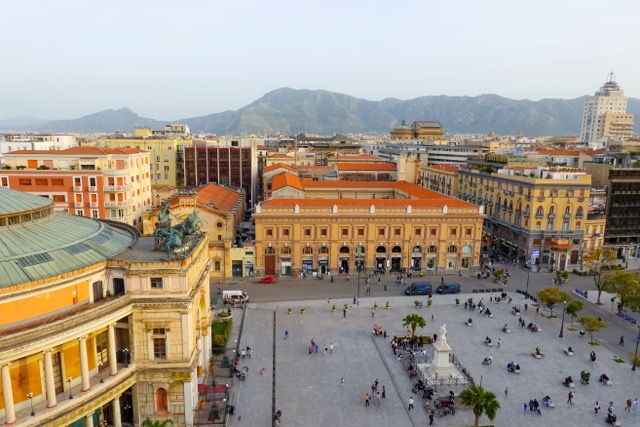
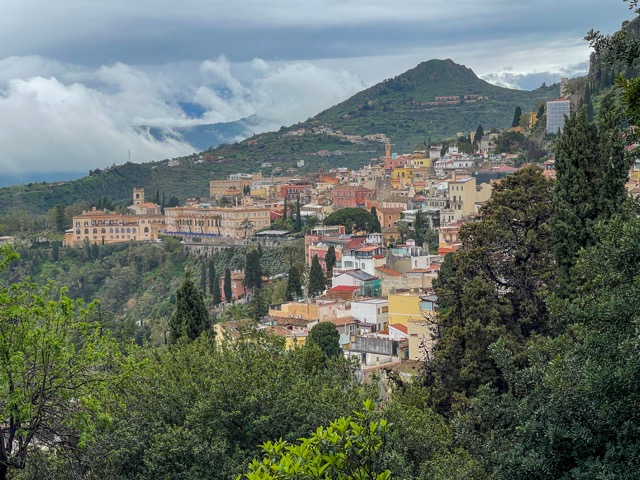
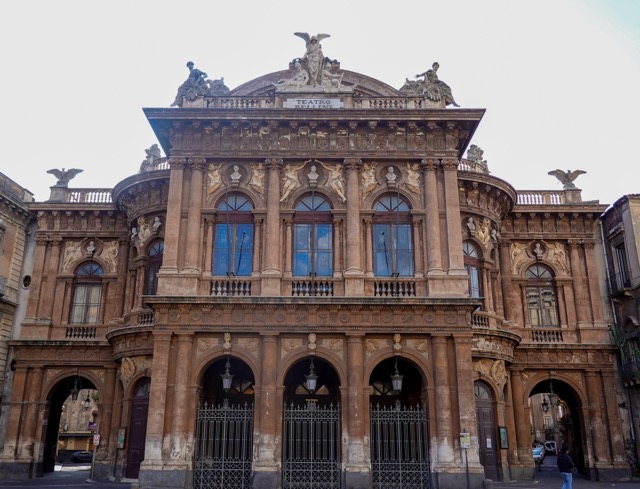
Piazza Politeama, PalermoMt. Etna, shrouded in cloudsTeatro Bellini, Catania
Sicily’s geography is also rich and diverse with a varied landscape including mountains, plains, a long coastline, and four archipelagos. It’s location at the meeting point of the African and Eurasian tectonic plates results in plenty of seismic and volcanic activity. In fact, Mount Etna, Europe’s largest active volcano, was erupting during our visit. More about that later.
Palermo: A City of Contrasts – Bonnie
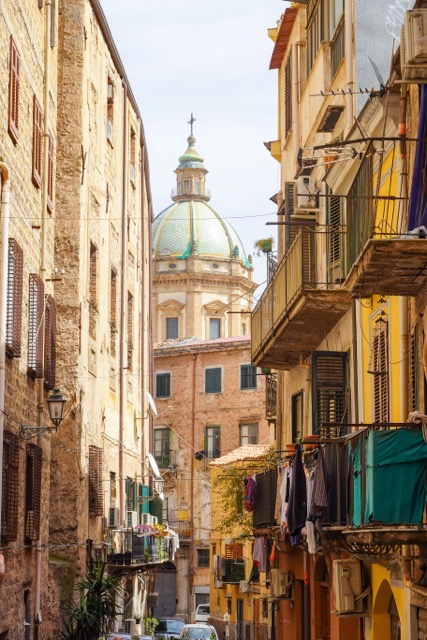
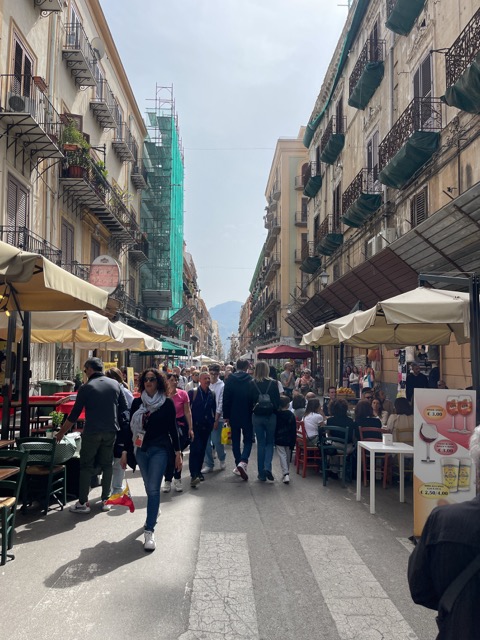
Palermo, Sicily’s capital, is a city of contrasts where faded grandeur and urban decay exist alongside stunning historical treasures. Many once opulent palazzi (palaces) are in various states of disrepair due to decades of economic struggle, political corruption, and organized crime. The streets, chaotic and gritty, are filled with rickety Vespas and e-scooters, hanging laundry, abandoned buildings, neglected sidewalks, and graffiti covered crumbling walls. As we walked the streets during the four days we spent in Palermo, I was struck by a deep sense of resilience and authenticity. It took a minute, but once I was able to embrace its imperfections, Palermo became captivating.
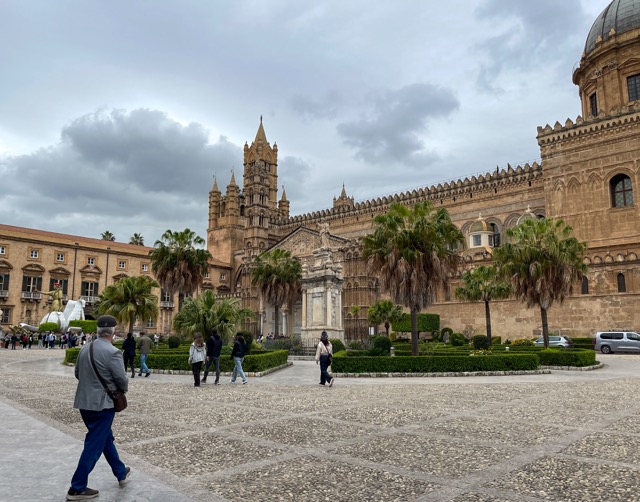
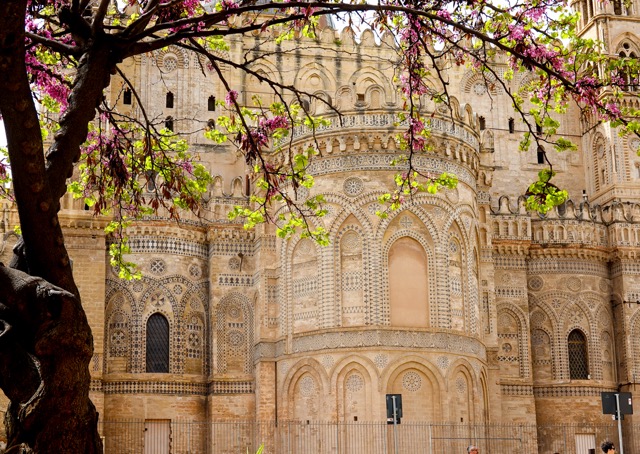
There are several UNESCO World Heritage sites in the city of Palermo – two palaces, three churches, a cathedral, and a bridge – that are architectural treasures. Dating back to 1185, Palermo’s Cathedral, with a unique blend of Western, Islamic and Byzantine architectural styles, is a stunning example of the city’s long history of diversity and multiculturalism – an inscription from the Quran can still be seen on on of the portico’s columns. And, the cathedral was built in a sacred area, where the Phoenicians, Byzantines and Arabs had previously built their own places of worship.
Palermo Cathedral is blend of several architectural styles: Norman, Arab, Byzantine, Gothic and Neoclassical.
Full of life, activity, and architectural treasures, we enjoyed walking around and exploring this historic city.
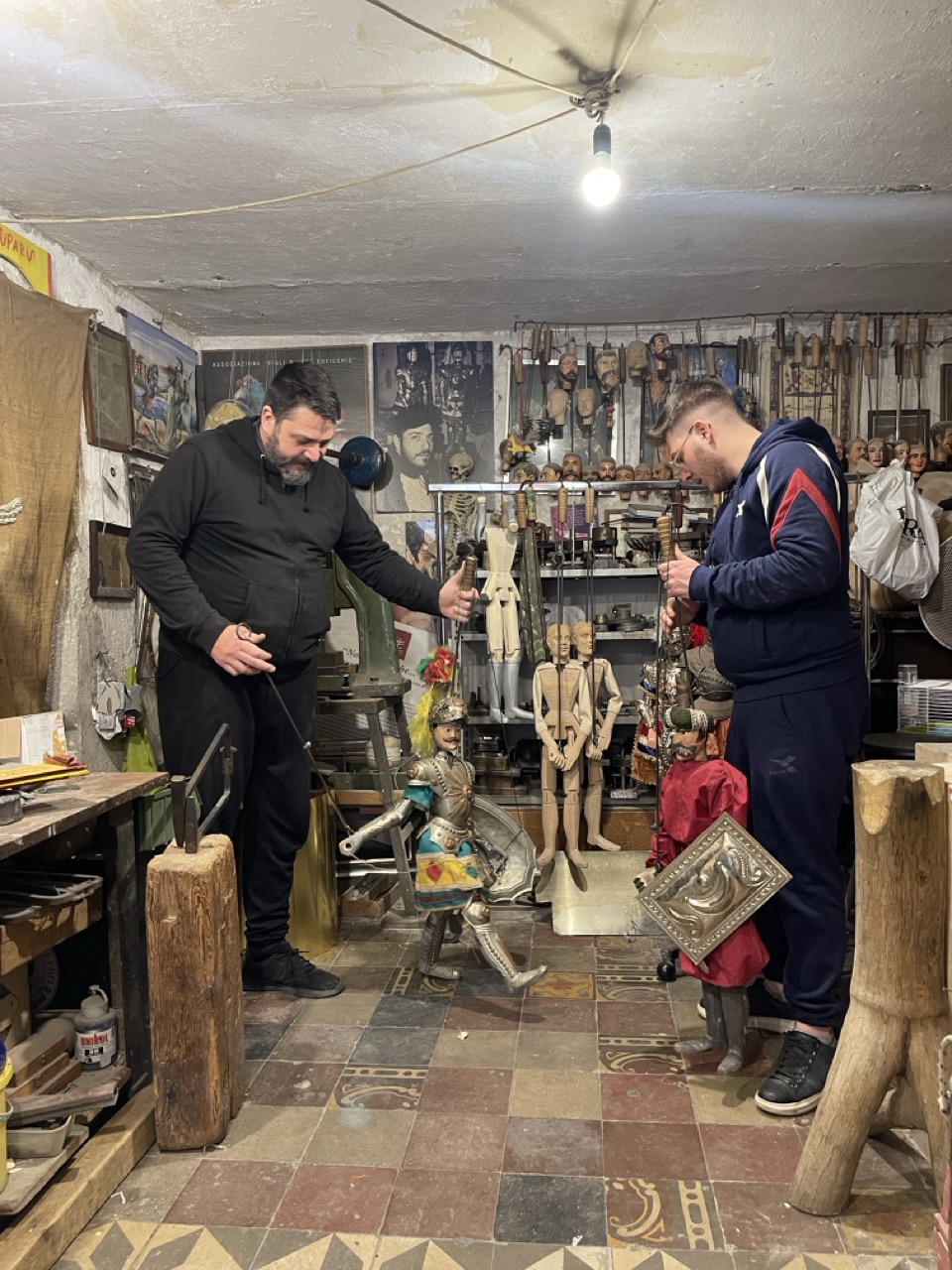
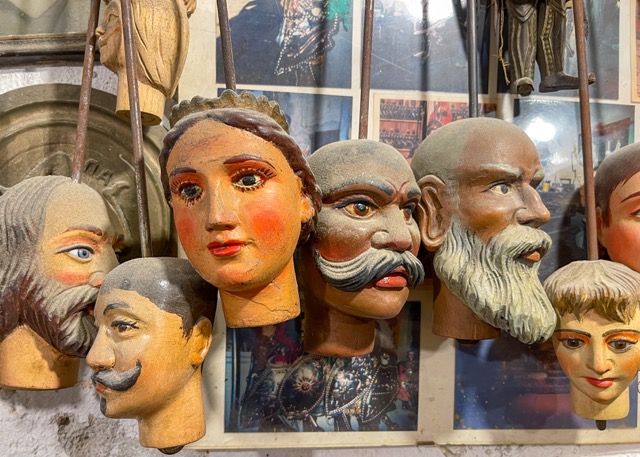
A father & son in their workshop – one of Palermo’s last puppeteers.
The Opera – Ed
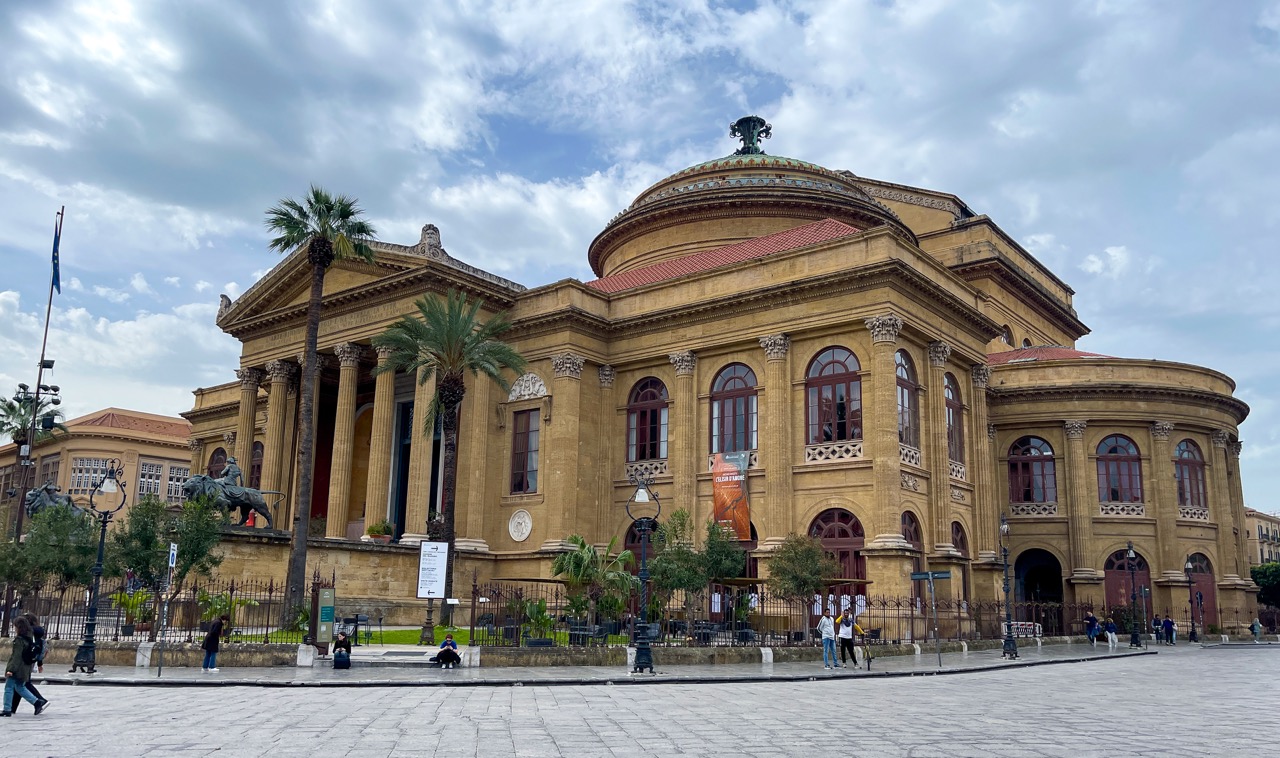
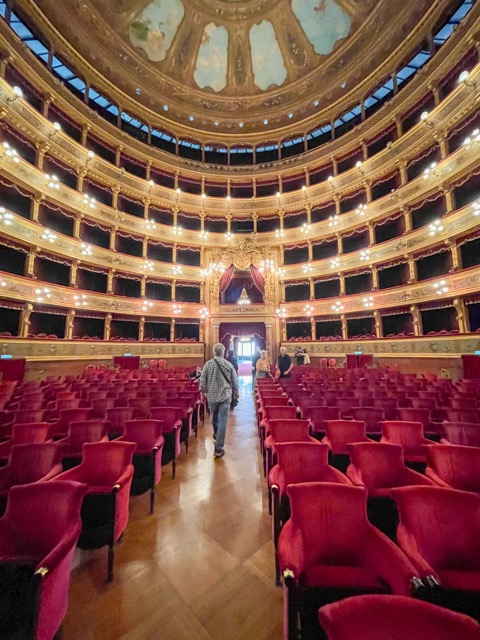
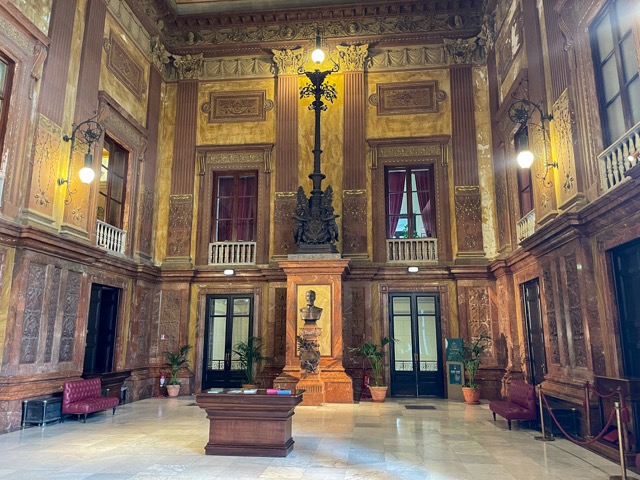
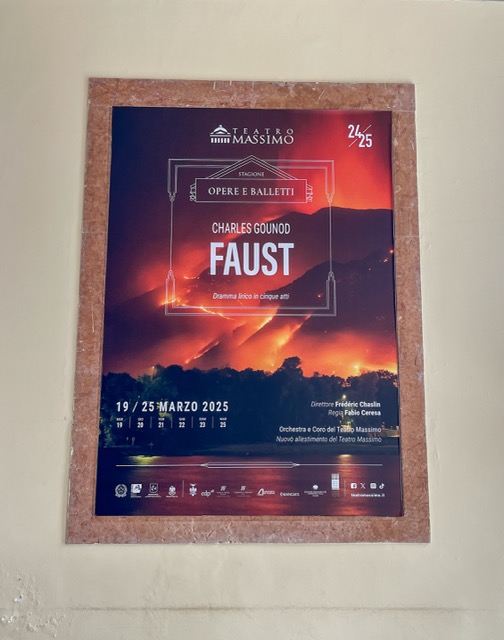
Last year we’d enjoyed a wonderful evening in Naples at a performance of Norma in the Teatro de San Carlo, which has been presenting opera longer than any other venue in the world. So, when we heard about Faust being presented in Palermo at the Teatro Massimo, we were all primed. This is one of Sicily’s Crown Jewels – the largest opera house in Italy and third largest in Europe.
Teatro Massimo, Palermo
Faust, as you may remember, is an ancient legend about a guy who sold his soul to the devil in exchange for a few sordid pleasures here on earth. The opera was written by the French composer Charles Gounod, but his inspiration was from a much earlier work of art. The original two-part epic poem by Johann Wolfgang von Goethe is considered one of the greatest works of literature ever penned. Gounod and a couple of librettists – Jules Barbier and Michel Carré – turned the Goethe’s version of the story into a celebrated opera. Years late, another writer – this time a Russian, named Mikhail Bulgakov, wrote a novel reinterpreting Goethe called The Master and Margarita which he set in 1930’s Moscow. Bulgakov’s novel is hailed as one of the masterpieces of the 20th century. All that to explain that for the production we were privileged to experience in Palermo, the director, Fabio Ceresa, conflates Bulgakov’s vision of 1930’s Moscow with Gounod’s opera to stage a fascinating and thrilling rereading of a classic opera. It was a lot.
Here, l would like to pause for a rather personal aside. Our 50th wedding anniversary spurred a bit of reflection on what exactly accounts for this bond, that has held through the decades. We’ve come to realize that high on the list is a shared, unquenchable thirst for learning. Our experience at the Teatro Massimo is a typical example. We have spent over a week, now, reading and sharing our thoughts on Goethe, Gounod, the importance of baritones, Bulgakov’s novel, and Ceresa’s surreal staging. We are exposing our ignorance and sharing the excitement of discovery. We have late night discussions on the meaning of life and how all of us navigate through its perils. I am so blessed to have such a life partner.
That night, as we headed into the warren of the city in search of a post-performance bite, one of our companions exclaimed “that was just nuts!” Just so. The production was a mashup of iconography, mysticism, social commentary, color, light, sound, and unhinged imagery. I was thrilled. And challenged. And mystified. The acoustics in this grand opera house were the equal of any I have ever heard. The performances were exceptional – subtle, nuanced and restrained early, allowing the drama to build to a memorable crescendo involving an immense chorus in full- throated celebration.
Haunted as I have been ever since, I am working on an essay to critique what I have come to believe is an important connection between elements of Ceresa’s production of Faust and the culture of Sicily. Stay tuned but be warned: it’s going to get nerdy.
Cosa Nostra – Bonnie
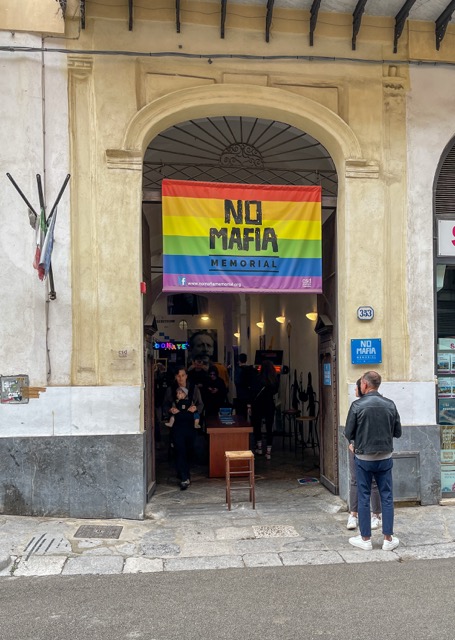
Just four weeks before we left for this trip, I saw a news article about the arrest of 183 mafia members in Palermo. Hmm . . . something to think about? I forwarded the article to Sheila, told Ed about it, and put some effort into not worrying. While Sicily has been practically synonymous with organized crime for decades, we learned that Cosa Nostra is a shadow of what it was in the 1980’s, a period of horrific violence. It is, however, still alive and well. The investigation leading to the recent arrests revealed that while some Cosa Nostra still yearn for the infamous crimes of the past, the new generation are more discrete, keep a lower profile, and are adapting to modern realities. They are using encrypted mobile phones and short life micro-sim cards smuggled into prisons to prevent being eavesdropped while they focus their efforts on drug crime, money laundering, online gambling, and infiltrating legitimate businesses.
“They just don’t make mobsters like they used to.”
Mafia boss, on a police wiretap, bemoaning the difficulty of finding good staff nowadays.
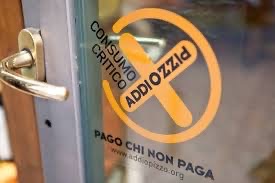
In addition to the intensive work by law enforcement, public resistance has grown significantly. We spent three hours on a walking tour with Addiopizzo, a non-profit, grass-roots organization based in Palermo. Addio translates to “Goodbye” and “Pizzo” is the monthly “protection” money businesses are strong armed into paying. As a result of Addiopizzo’s efforts, there are currently about 1200 businesses in Palermo that have committed to saying “NO” to the Mafia. These businesses display a sticker on their doors to let mafia members know they are not welcome and to communicate their commitment to consumers.
Addiopizza also encourages the public to support these businesses through various educational campaigns. Of course, 1200 is a very small percentage of Palermo’s businesses, but it’s a start. As the Addiopizza tour continued, it dawned on me that a similar consumer-activist approach is beginning to take root as a form of resistance to the tactics being employed by the regime in the U.S.
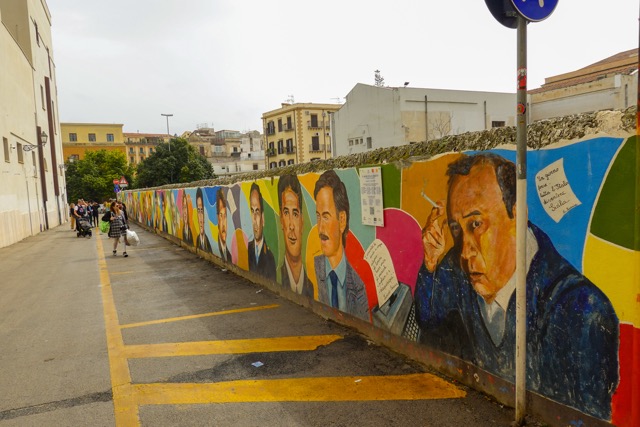
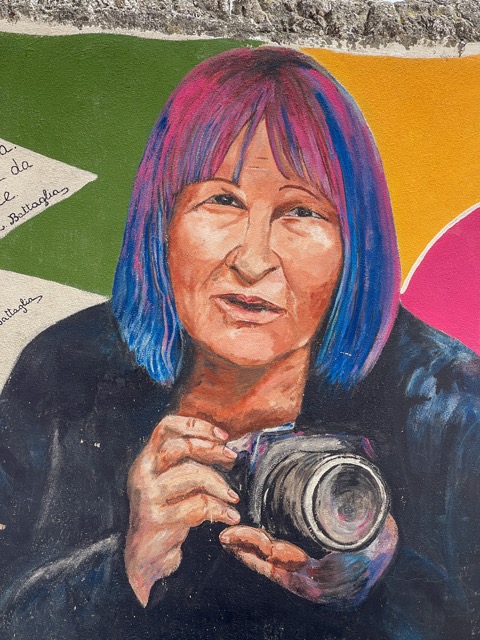
Il Muro della Legalitá
The Il Muro della Legalità (Wall of Legality) in Palermo’s central district, just behind the Teatro Massimo, is a poignant testament to those who have contributed to the fight against organized crime in Palermo. The vibrant images reflect the struggles and the resilience of the local community and their commitment to justice. As we walked along this wall of murals, I was overcome by feelings of grief for those lost, admiration for their sacrifice, and hope for a Palermo that refuses to be defined by its past.
Our guide told the story of each individual’s role and contribution. Of course, the now famous anti-mafia prosecutors, Giovanni Falcone and Paola Borsellino, who were murdered by the Sicilian mafia in 1992, are a highlight of this unique blend of art, history, and activism.
I was especially drawn to the women portrayed in this powerful mural. In particular, I found the story of Letizia Battaglia to be inspiring and powerful. Letizia was a photographer whose images, depicting the victims of Mafia violence, were a form of condemnation and activism. A documentary film of her life, ‘Shooting the Mafia” was released in 2019 and can be streamed on Prime TV or Apple Video (in Italian with English subtitles). I have a collection of images of important, inspirational, and powerful women that I have been assembling from our travels. Letizia will be the latest addition to my wall of heroines.
Letizia Battaglia
Migrants – Bonnie
Sicily has been a major landing point for people fleeing war, poverty and oppression through Africa and the Middle East. We’ve all read the stories and seen the images of over-crowded boats crossing the Mediterranean full of people desperate for a safe place to live. Many communities throughout Sicily, despite significant economic struggles of their own, welcome, feed, provide clothing and temporary shelter.
“We find bodies in our nets.”
Pietro Riso, Sicilian Fisherman
In 2023, Lampedusa, Sicily’s southernmost island, was a Nobel Peace Price nominee for their efforts to rescue and assist migrants. As the the number of migrants has skyrocketed, the hardship and strain on Sicilians has intensified. The human suffering is unimaginable, and the worst of humanity is in plain view. There are also many compassionate Sicilians doing what they can to help. The projections are for an acceleration of migration. I can only hope that love, care and empathy will triumph over corruption and greed.
“We are the people of the most conquered island in the world, where one wave of invaders just changed another, and so we created and inhabited our own universe, where the past — Phoenician, Greek, Roman, Byzantine, Jewish, Arabic, Norman, French, Spanish — was never rejected but accepted and embraced.”
Bianca Del Bello, Palermian Tour Guide
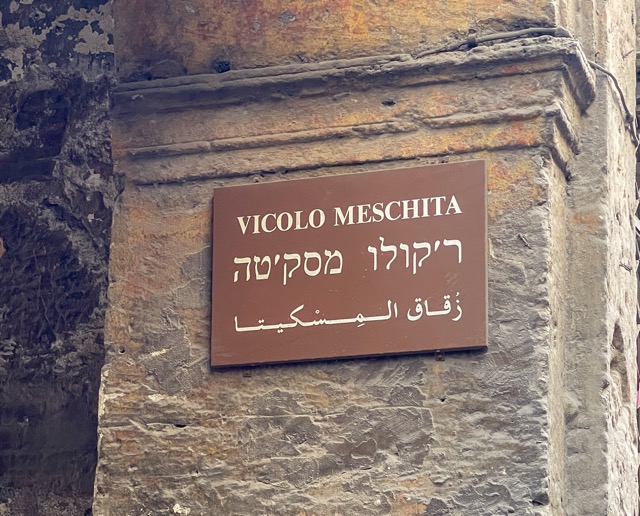
Palermo’s newly-placed street signs written in Hebrew, Arabic, and Italian that pay homage to the island’s Jewish and Moorish roots.
The Food – Ed
To anyone reading our blog posts regularly it must seem that we are obsessed with food. Maybe. But I think it’s actually a bit more complex. Among the reasons we love travel is to experience the vast array of traditions and cultural practices humans have evolved through the ages. Exploring the food in any given region is a window into that culture. This seems particularly true in Sicily where the food has been influenced by one civilization after another as successive empires have waded across the island. And we’re obsessed with food.
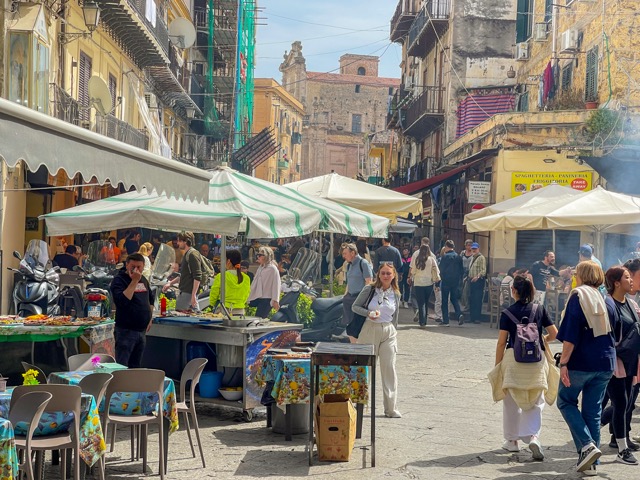
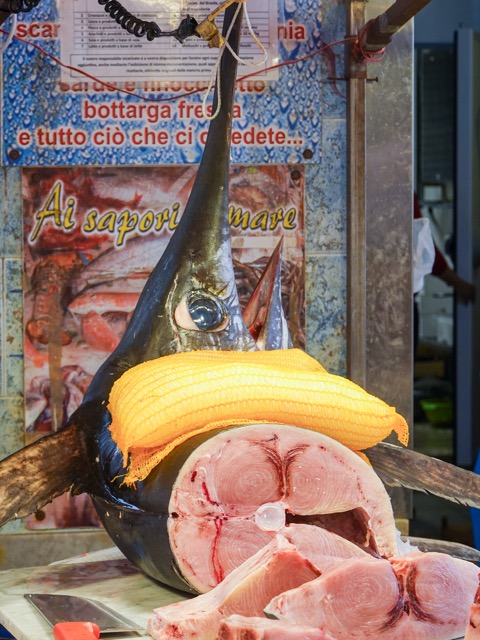
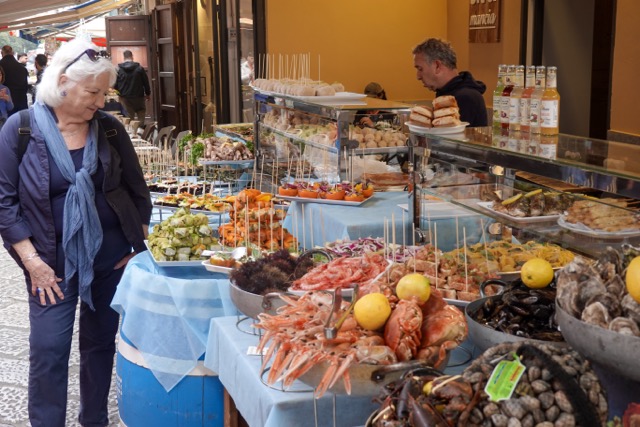
Dating back to the Muslim era (831-1072 CE), Mercato del Capo is Palermo’s most authentic market with colorful stalls selling fresh produce, fish, meat, spices, nuts, olives, wine, bread, cheese and many other local goods. Like many large urban markets, the vivid colors, enticing aromas, and boisterous sounds of vendors are a feast for the senses. There is also a staggering array of street food and dining experiences to enjoy.
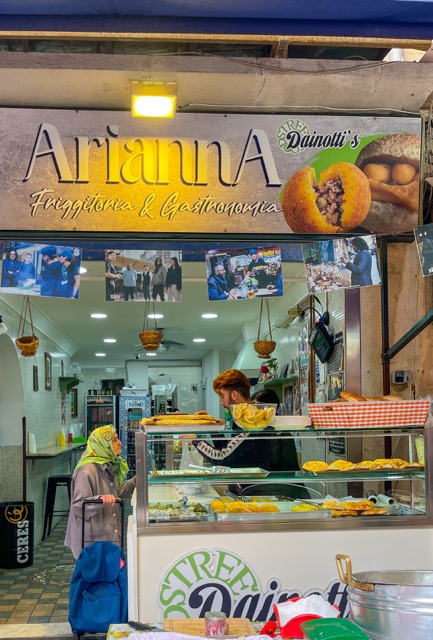
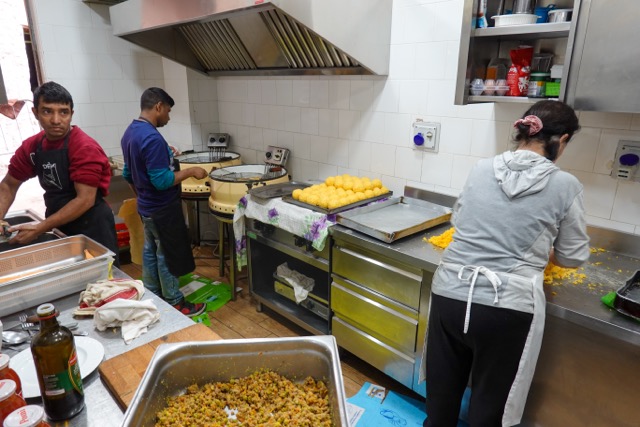
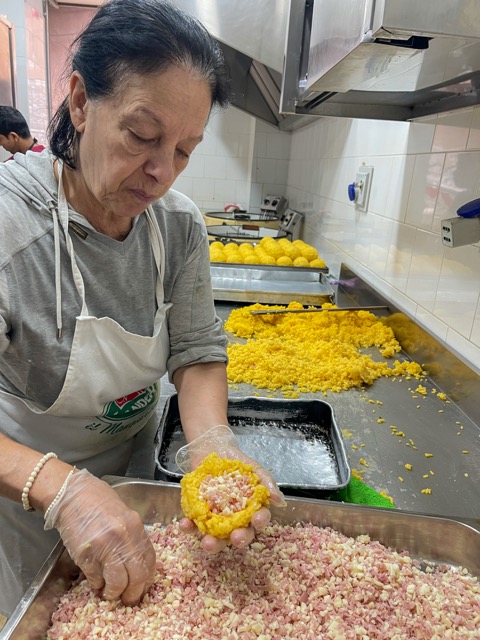
Italian food is generally beloved by Americans like us, so the markets and restaurants of Palermo produced few actual surprises. That said, it never fails to bring joy when we are privileged to sample the original of a dish that is widely imitated. Let’s start with a humble street food, ubiquitous in Sicily: arancini. First, the humble part. Sicily is a poor region of Italy. This has been true throughout history. The legacy of poverty is ageless and can be attributed to geography, politics, and organized crime. So, the people of Sicily have long had to find ways to do more with less. For a vast percentage of the earth’s poor, rice is sustenance. So, how do you turn this humble ingredient into a flavor bomb? Stepping out of the chaos of Palermo’s Capo Street market into the domain of a slight woman who is a local master of arancini, we received a lesson. The rice used is a large, stubby variety that is first prepared risotto style, glazing each grain with a starchy mortar mixed with a hint of saffron for color and fragrance, and a dollop of butter for that rich mouthfeel. After resting overnight to achieve the perfect texture, the rice is scooped into the palm and a spoonful of filling added. Here the key is bold flavor – salty cheese, sun-dried tomato, diced sausage, meaty ragu – or any of a host of options to achieve as much flavor as possible from a very modest portion. Now the rice is shaped into a lovely oblong the size of a duck egg and coated with another humble element: breadcrumbs. The final assembly is dropped briefly into hot oil.
Yes, I’ve had fried rice balls before, sometimes labeled arancini and sometimes not. But this was something else. A wonderfully crisp, tender crust enclosing a soft creamy mantle with a core of intense flavor. This experience was repeated with anchovy panzerotti (turnovers), ravazzata (stuffed brioche), pizzetta (tiny pizza), and spitino con la carne (bread stuffed with ragú). Each one a simple street food, executed by cooks who have mastered every detail to create a nearly perfect meal from the humblest of ingredients.
In the trattorias and osterias we frequented, another staple of Sicily was always on the menu – Pasta alla Norma. Beloved throughout the island, it has a much more recent history, created, as the story goes, to celebrate the opera created by Vincenzo Bellini, one of Sicily’s favorite sons. Here again, you have the simplest ingredient list: tomato, basil, and eggplant, topped with shavings of ricotta salata. Its vibrant flavor depends on the quality of the ingredients and the execution, both plentiful in this culinary landscape. We ate it four different times in eight days – each one better than the last.
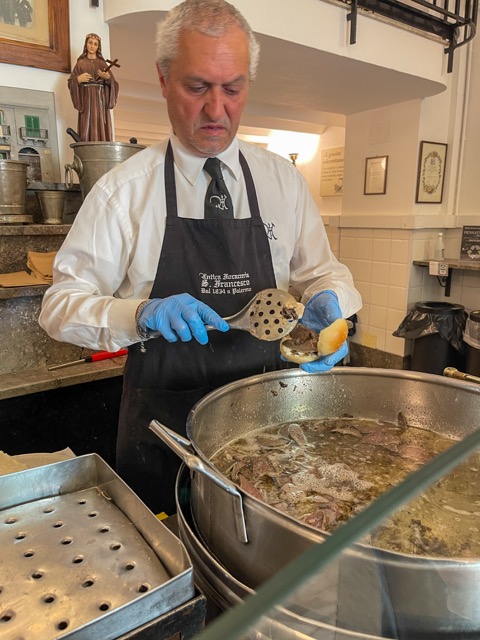
Bonnie insists that I include a word about another street food that is particular to Palermo. Since I was the only one of our little group to actually eat a Pani ca’ Meusa (spleen sandwich), I do feel an obligation to report on the experience. Once again, the Sicilians found a way to utilize the discards of the elite for a savory, filling taste treat. We’re talking street food delicacy here! Cow spleen, lung, and trachea are first boiled, then thinly shaved, then fried in lard, before being piled into a freshly baked roll. I had mine maritata style – that is sprinkled with shredded cheese. I was expecting it to be an acquired taste kind of moment, but it was actually quite good – mild livery flavor with a pleasant, soft chewiness.
Taormina – Bonnie
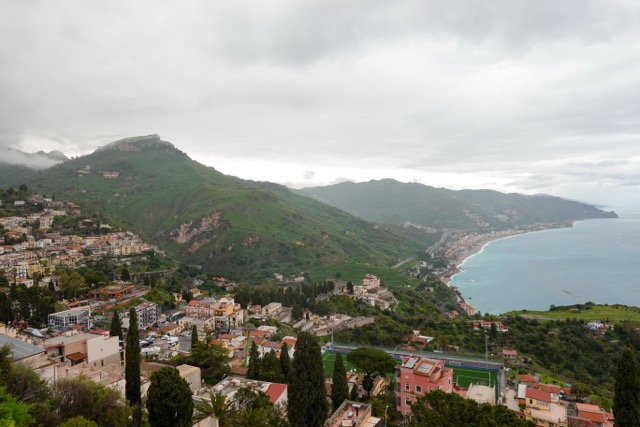
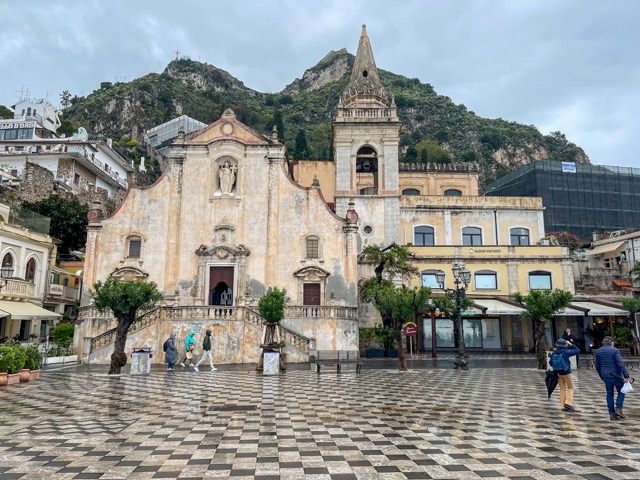
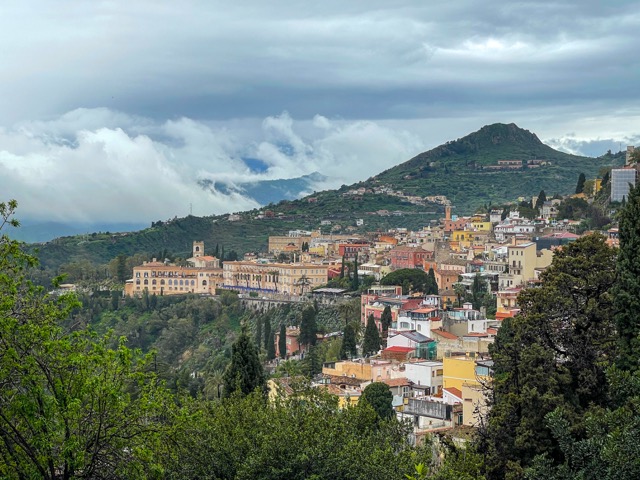
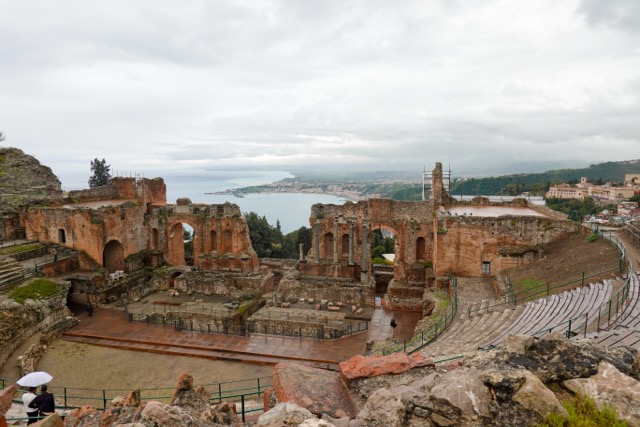
After a four-hour ride, our train from Palermo deposited us in the post-card perfect seaside resort town of Taormina on the east coast of Sicily. Perched on a hill with stunning views of the Ionian Sea on one side and Mount Etna on the other, Taormina was the perfect respite from bustling Palermo.
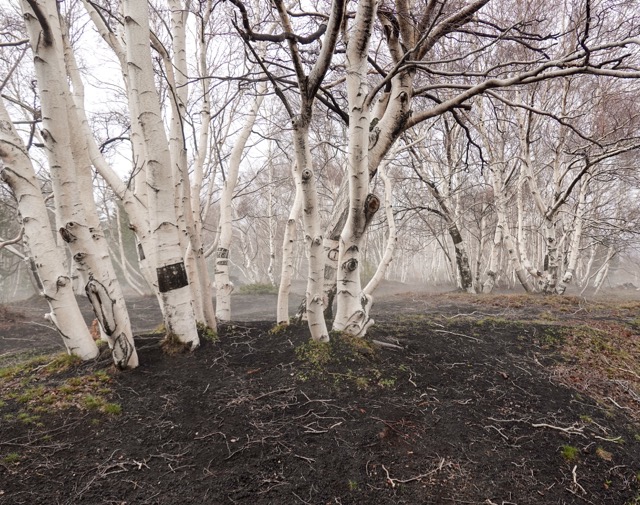
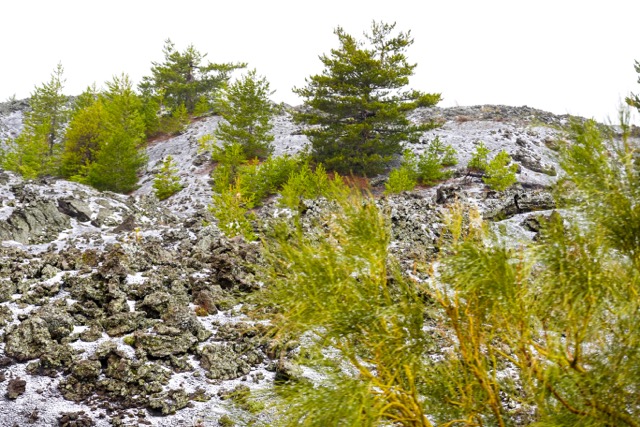
Our two days in Taormina included a trip up the slopes of Mt. Etna, an active volcano known for its frequent eruptions (including during our visit!). Imagine lava flowing down snow covered slopes. We didn’t get close enough to the crater to see this amazing display of fire and ice, but we did enjoy exploring the diverse landscape around Mt. Etna. A short hike into the lava fields of past eruptions was striking, especially with the white birch trees growing in the black lava rock. Our hike was interrupted by a bit of icy/snow type stuff falling from the sky. As we wound our way back down the slopes, the richness of the volcanic soil was evident in the many vineyards, citrus groves, chestnut forests, and almond, hazelnut and pistachio orchards. We ended our day with a tasting and lunch at a lovely family-owned winery. Magical.
Catania – Ed
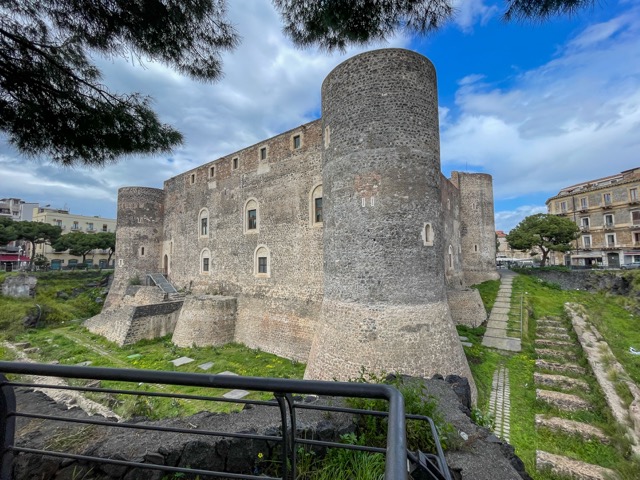
An hour south on a local train and the respite Taormina provided was over. We found ourselves back in the midst of a vibrant, chaotic, old city. Sitting at the base of Mt. Etna, Catania is referred to as the “Black City” because of the use of lava rock as a primary building material and the volcanic soot on its buildings. It turns out that Catania has been destroyed and rebuilt at least seven times due to volcanic eruptions and earthquakes. Talk about resilience.
Ursino Castle – a royal castle built in the 13th century
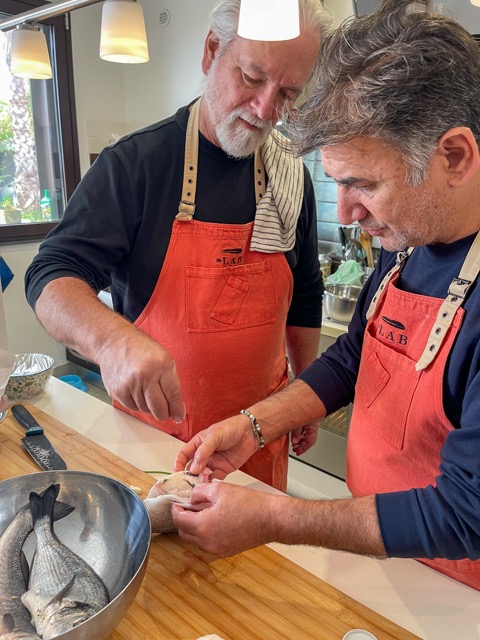
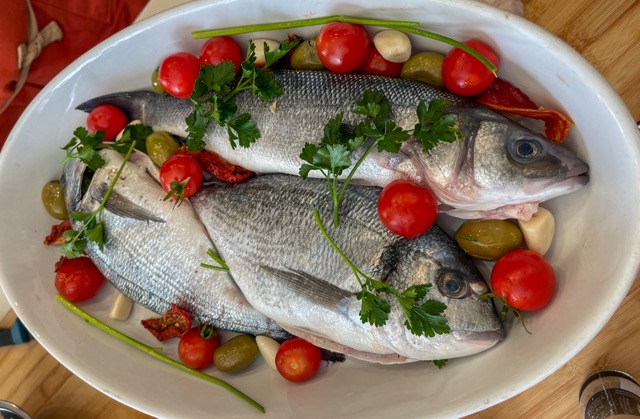
Here, we were fortunate to find ourselves enjoying a cooking lesson with a native of Catania, Chef Riccardo Messina. Riccardo had left Sicily four decades ago to travel and cook in various parts of the world before settling in Shanghai, China where he opened his own restaurant. A couple of years into that venture, Michelin awarded him two stars and he became a rock star on the Asian food scene. Like many of us, the Covid epidemic forced him to rethink his future, and he returned to Sicily, retired from the restaurant business, and decided that meeting and cooking with new people every day was not a bad retirement. Chef Riccardo left it to us to create the menu, and I wanted to focus on the abundant quality seafood on the island.
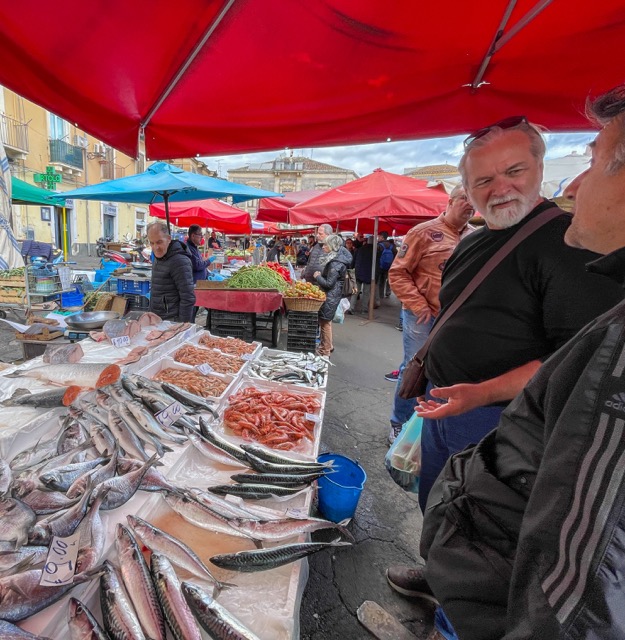
We wandered through Catania’s street market, stopping to inspect the offerings from various fish mongers. In the end, we purchased sea bass, sea bream, mussels, calamari, and red prawns. Chef Riccardo got a little carried away with the produce – artichokes, eggplant, squash, tomatoes, and an assortment of pickles and olives. On the way to his home, we stopped in a little side street to purchase wine and bread. What ensued was a quirky and delightful afternoon, like going to a friend’s house to cook and drink wine together. Our menu evolved as we worked and was filled with small insights and appreciation for the simple use of great ingredients. Riccardo’s wife, Sally, was a delight and we left feeling we had truly experienced Sicily.
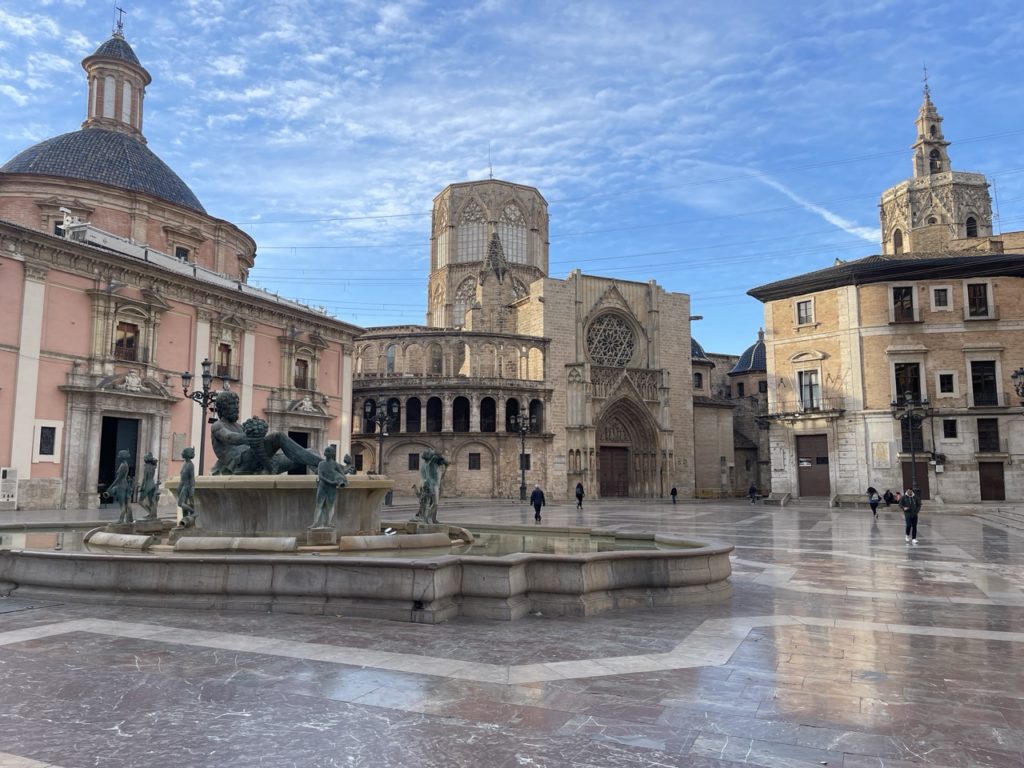
We’ve been back in Valencia for almost two weeks and while it’s nice to be home, our thoughts are often still in Italy and France. Letting these thoughts linger helps to keep the magic of the trip alive and inspire us for future travels. The photo above is our lovely Plaza de la Virgin which is just around the corner from our apartment. This was taken in the early morning. The plaza will soon be filled with lots of people wandering about and sitting at the numerous cafe tables that are set up each day. It’s one of our favorite spots in Valencia.
Bella Italia!
We were sad to leave Italy. It’s such a rich and diverse country with stunning physical beauty, so much history, great food, and amazing people with an infectious passion for life. We will return. We met a German couple in Bologna who live in Cologne but travel to Italy at least 4 to 5 times a year. Then, there was Thomas and Lisbeth, the chef couple from Copenhagen who moved to Umbria 14 years ago. I’m not sure we’ll move to Italy and I’m not sure we’ll make it to Italy 4 or 5 times each year (there are SO many places to go!). But we’re thinking we can commit to at least 2 trips to Italy each year, especially since it’s so close to Valencia. Next year, we hope to visit Sardinia, Sicily, and Puglia. I have not yet figured out how to fit in all the places we are determined to visit again – Bologna, Venice, Turin, Rome, Florence, etc.
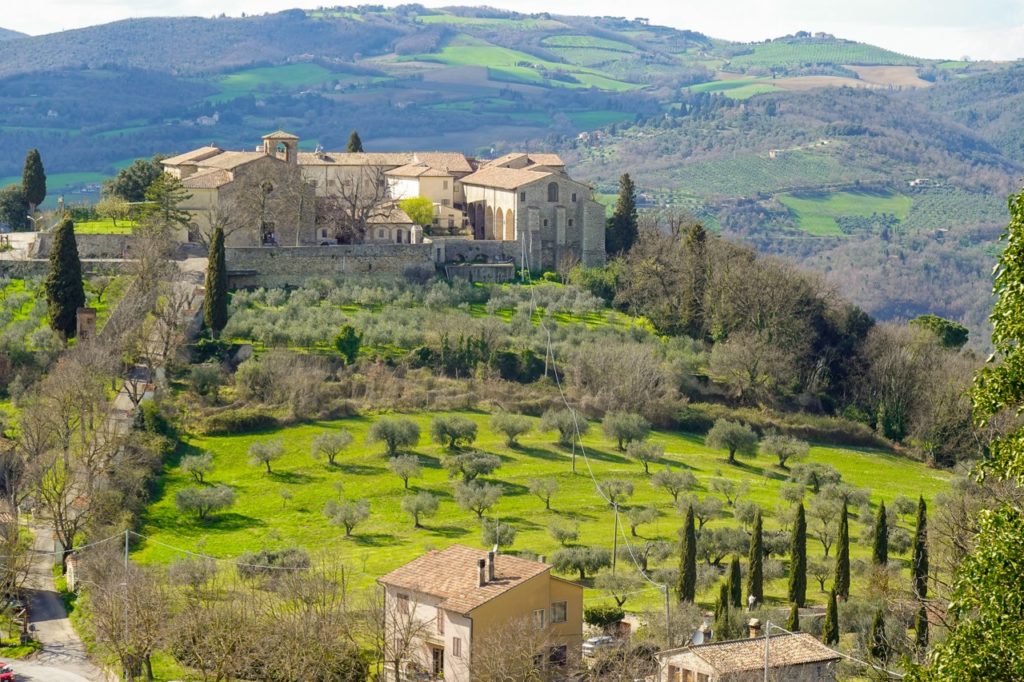
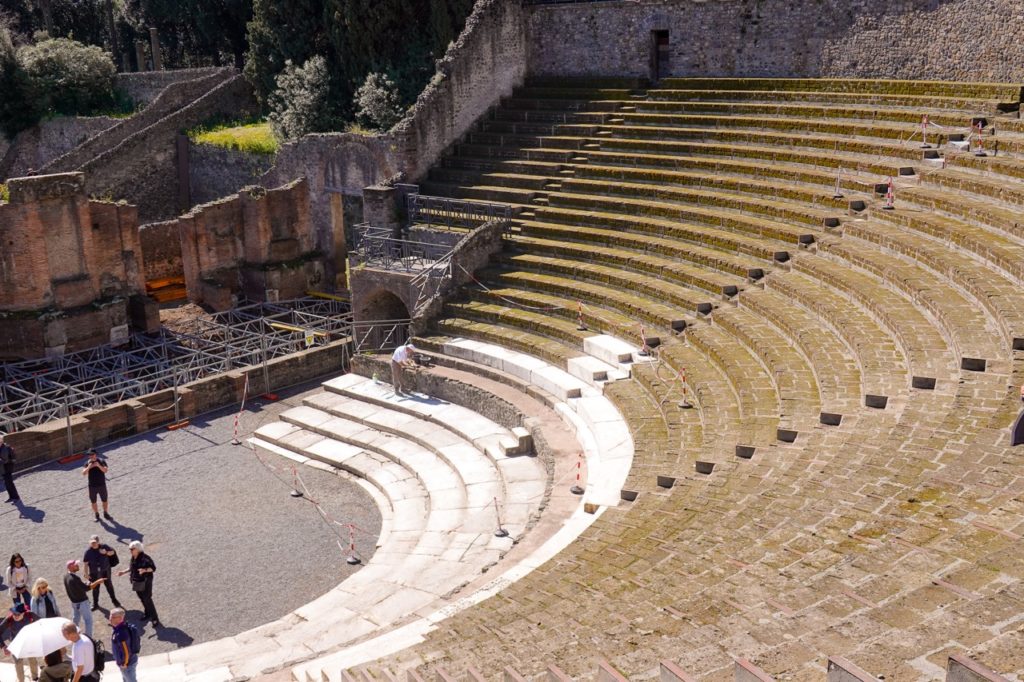
Umbria CountrysidePompeii TheatrePerfectionJoy in Milano
A Francophile Among Us
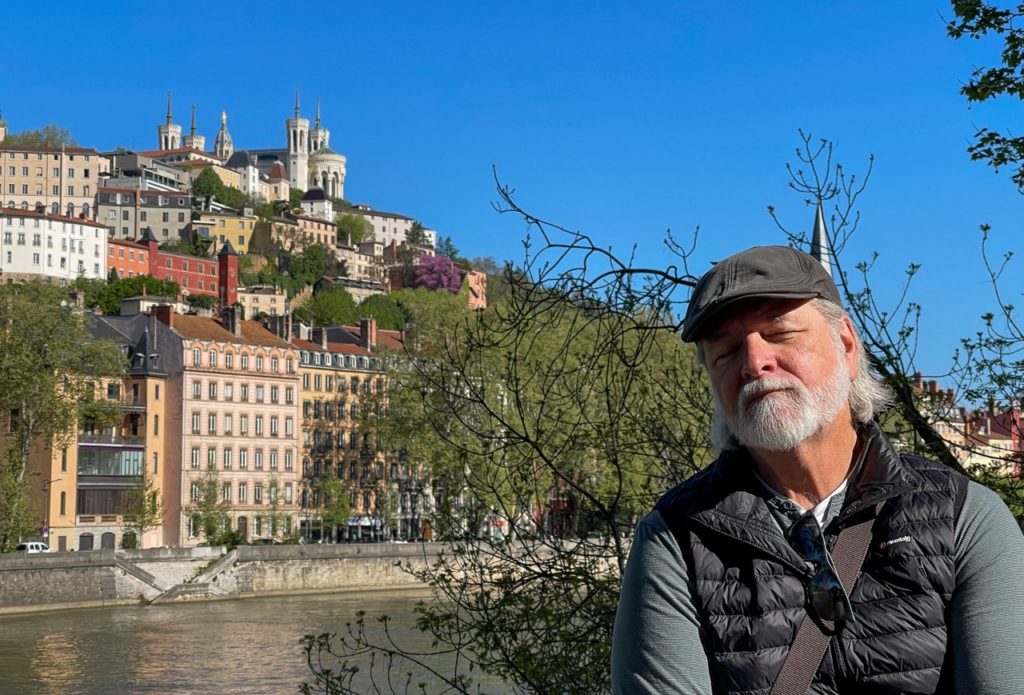
In Lyon, Ed confessed that he feels most comfortable in France. I mentioned the well-deserved stereotype of French snobbishness and he replied, “Yeah, these are my peeps.” It’s that darn French language that has been the problem for him. More than a decade ago, when we were living in Dallas, he agreed to take private French lessons with me. The instructor required an interview before accepting new students and this included reading a paragraph of French just after she’d read it to us. When we completed the interview, she told us that she would accept me as a student, but not Ed. This was big blow to the ego and established a firm conviction on Ed’s part that he was incapable of speaking French. When he reminded me of this during our stay in Lyon, I suggested a second opinion might be in order. We’ll see how that goes.
“France has the only two things towards which we drift as we grow older – intelligence and manners.”
F. Scott Fitzgerald
Train, Trains, and more Trains
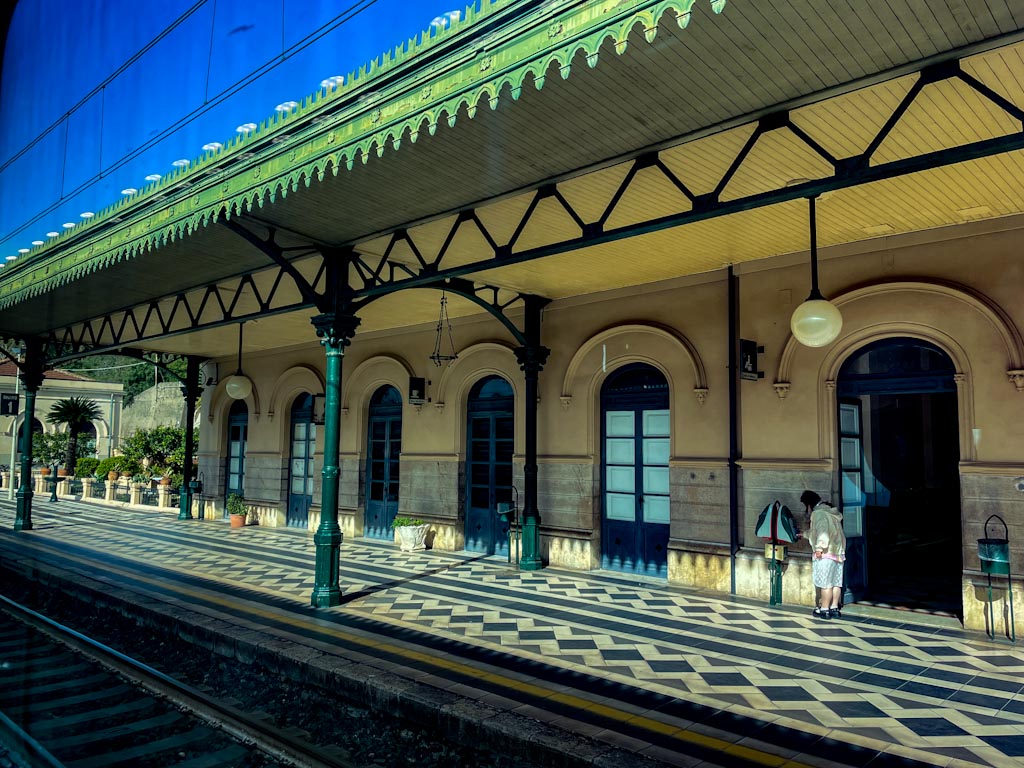
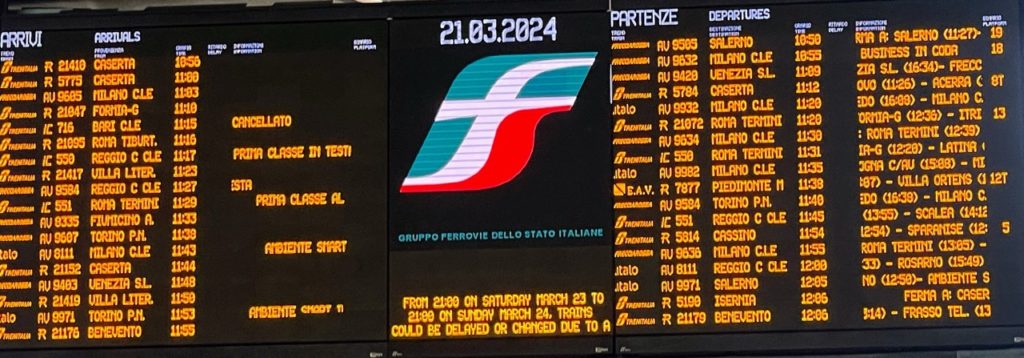
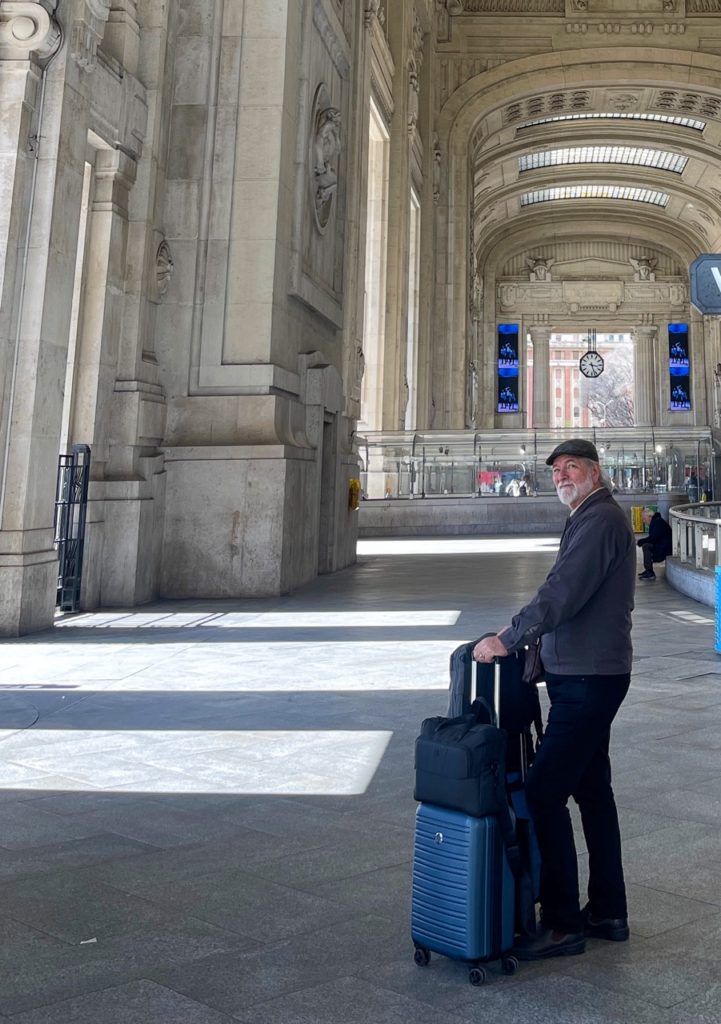
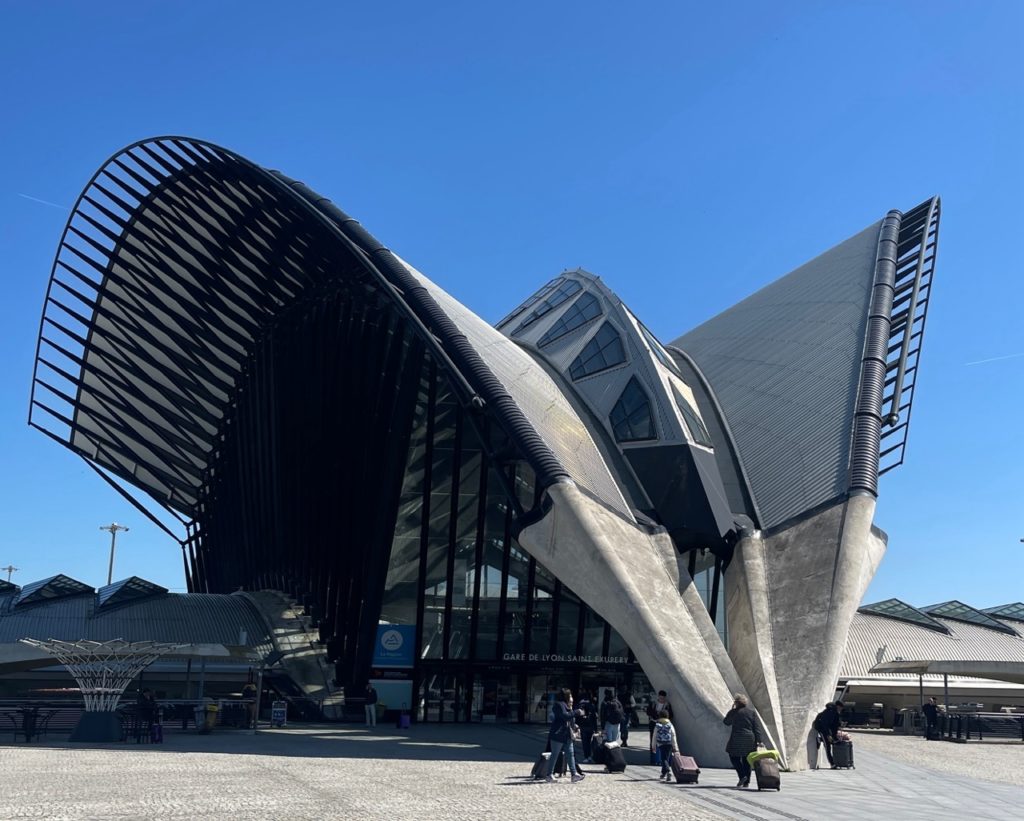
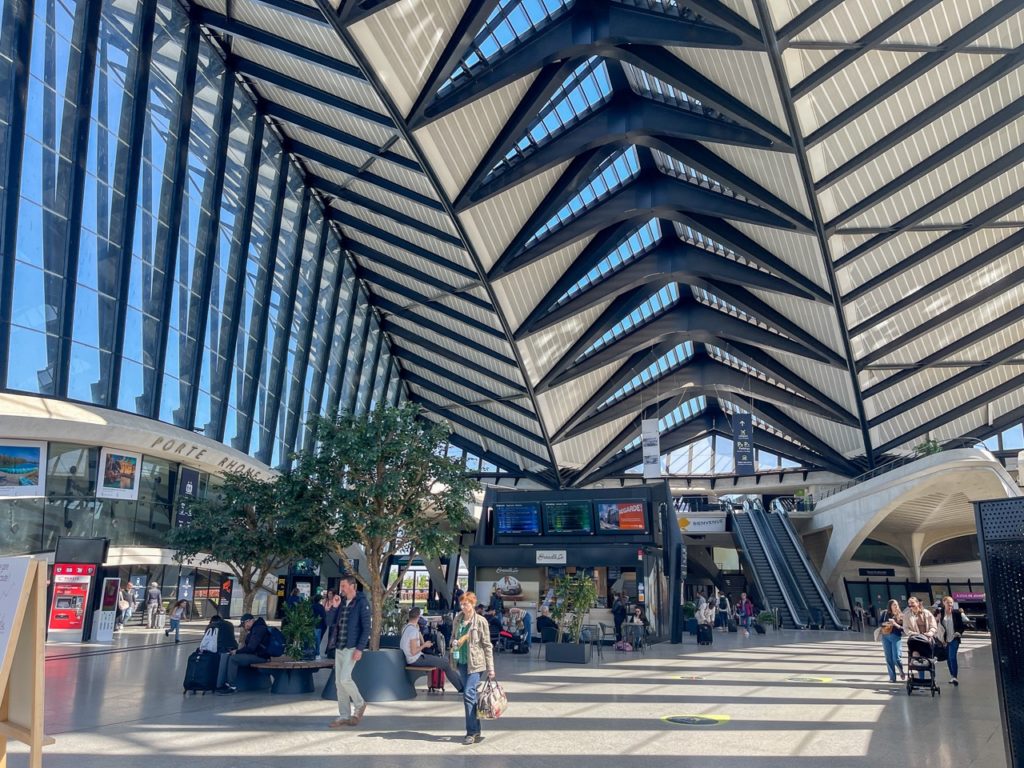
We’re hooked on trains! There’s a lightness in my step (a big deal at my age) and a feeling of excitement as we roll our bags to yet another train station headed for a place we’ve never been or one we’re eager to return to. There’s a sense of adventure as you glide through the countryside, small towns, and cities along the way. The changing landscapes outside the window provide a glimpse into local life and new places to consider visiting. Often, the train station itself is an example of wonderful architecture.
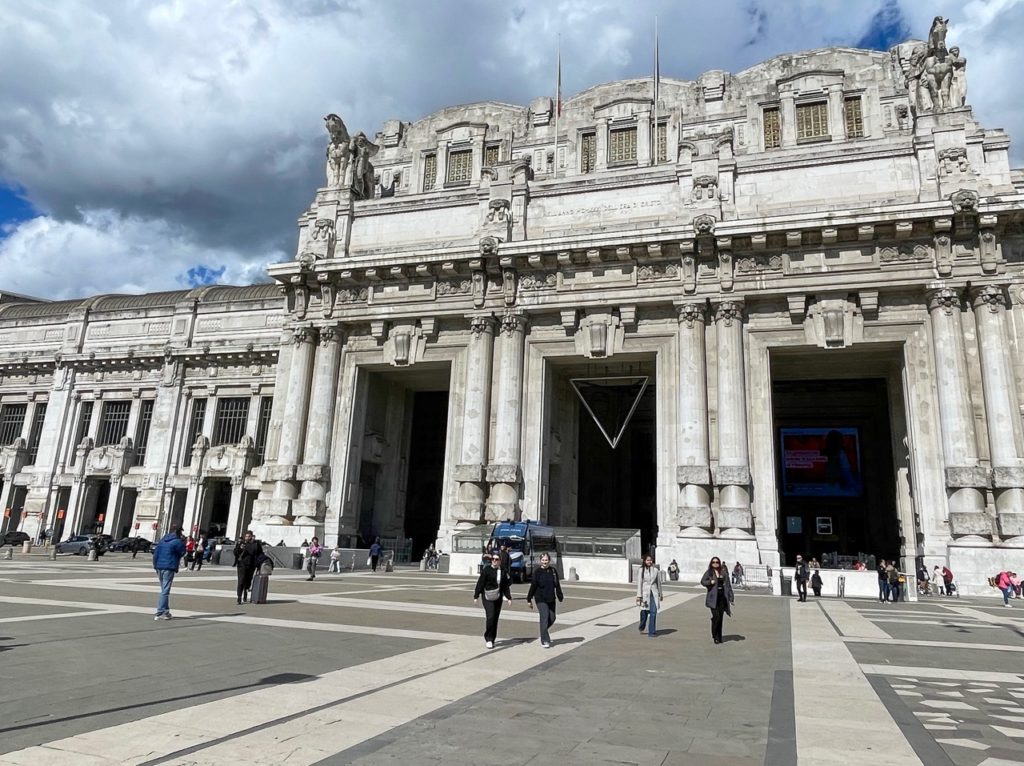
Milano Train StationLyon Train Station
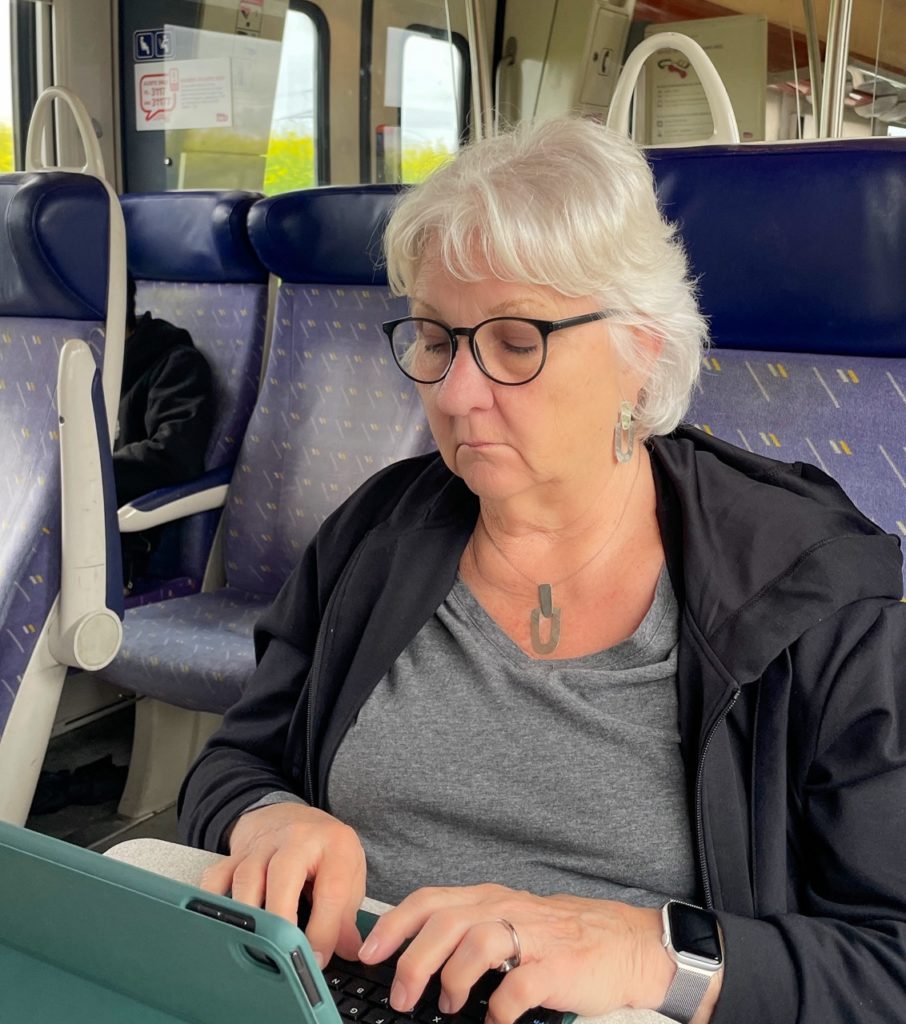
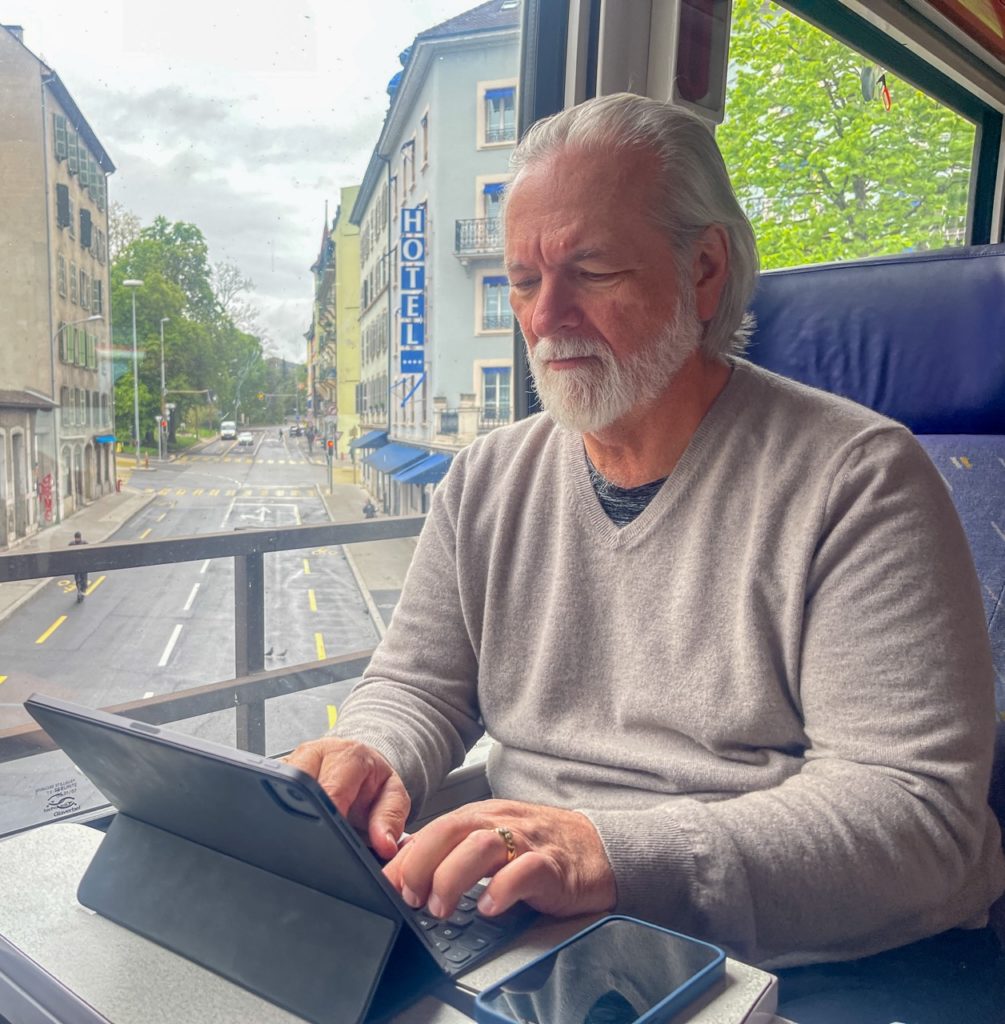
And then there’s the fact that traveling by train is relaxing. The gentle, rhythmic motion lulls you into a state of relaxation. And you can get up, walk about, and visit the cafe car at any time. It’s a great way to travel. We look forward to our train days spending much of our time writing our blog posts. Rather than feeling like a chore, it’s a time to reflect on and discuss our experiences. Plus, writing seems to help us set the memories more solidly in our aging brains.
Trip Take Aways
Living out of a suitcase for 30 days can be tiring. Since we are based in Valencia, we’re considering shorter and more frequent European trips. For example, our next Italy adventure might be 2 weeks in Sardinia, 2 weeks in Sicily, and then 2 weeks in Puglia rather than one 6 weeklong trip to all of the above. The other lesson learned is that we’d prefer to stay longer at each stop. Five to seven days seems about right.
We’re also feeling tour weary and find ourselves resisting structured itineraries and schedules determined by someone else. We most enjoy the days when we set the pace and have the flexibility to linger in a captivating place, or veer off the beaten path to discover a hidden gem.
“A good traveler has no fixed plans and is not intent on arriving.”
Lao Tzu
Lifelong Learning
One of the things we love most about travel is how it is a catalyst for lifelong learning. As we plan a trip, we begin to realize how little we know, and our curiosity is sparked which leads to delving deeper into a wide variety of subjects. To support this shared goal of learning, we subscribe to Wondrium, a streaming service that offers “Great Courses” on a variety of subjects. In 2022, we started this with a 24-lecture series on Spanish history. We were hooked. To prepare for our trip to Italy we watched courses on Pompeii and one titled “Understanding Greek and Roman technology.” Of course, one thing leads to another and so far, we’ve completed courses on the Spanish Civil war, Alexander the Great, Napoleon, Leonardo da Vinci and the Italian High Renaissance, and a 36-lecture course on the history of Western civilization. I admit sometimes I doze off and Ed is always good natured about repeating an episode or two.
Our hope is to be curious, adaptable, and open-minded as we continually expand our horizons. Resilience and a deeper understanding of ourselves and others are the qualities we aspire to.
“Travel makes one modest. You see what a tiny place you occupy in the world.”
Gustav Flaubert
Our New Life
Someone we met in Italy asked if we were on vacation. At first, I wasn’t sure how to respond, but I settled on “No, this is just our life now.” We’re loving it!
Check out the Gallery on our website. We’ve added a dozen or so of our favorite photos for each of our stops.
We have been “on the road” now for nearly four weeks, from mid-March to early April, winding our way up the Italian peninsula. One of the joys of the trip has been the watching the landscape slowly awaken from winter’s slumber into a glorious, verdant spring. From the first plump buds, pregnant with possibility in the vineyards of Umbria, we have watched as the earth has birthed another season of life in a cacophony of greens and yellows. This joyful transformation has seemingly reached a crescendo in the lush hills of the Piemonte.
We have always loved the Northwest!
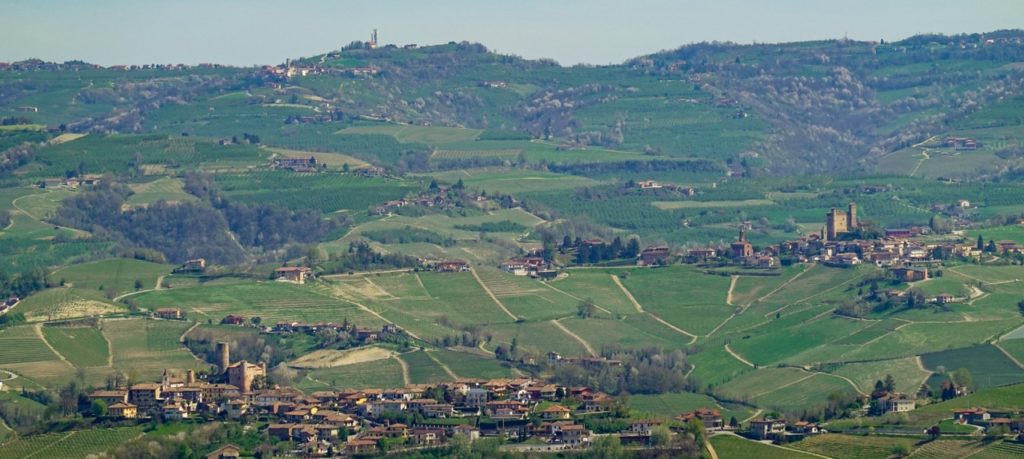
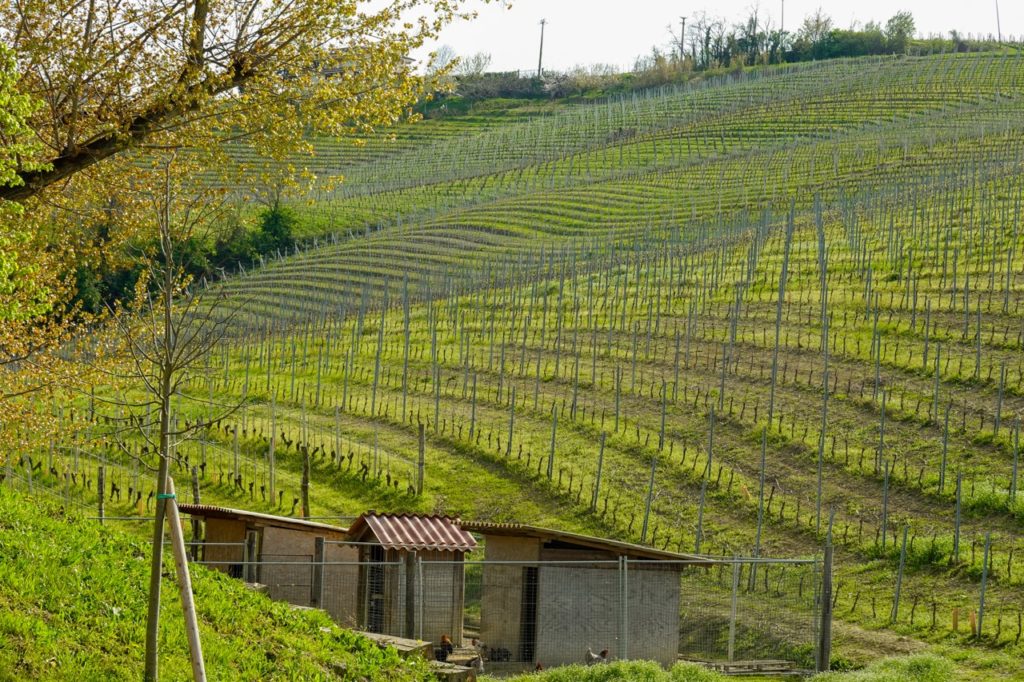
Rolling hills, vineyards, orchards, hilltop medieval villages, and castles everywhere, the Langhe region of Piemonte is a delightful rural retreat into nature after the glamour and polish of Milan. The vineyards produce world-class wines and the cuisine is rich and hearty. As if that weren’t enough, toss in stunning views of the Alps. We always seem to be drawn to the northwest!
Over hill, over dale, Through bush, through briar, Over park, over pale, Through blood, through fire, I do wander everywhere . . .
William Shakespeare – “Midsummer Night’s Dream”
A Respite with Wine
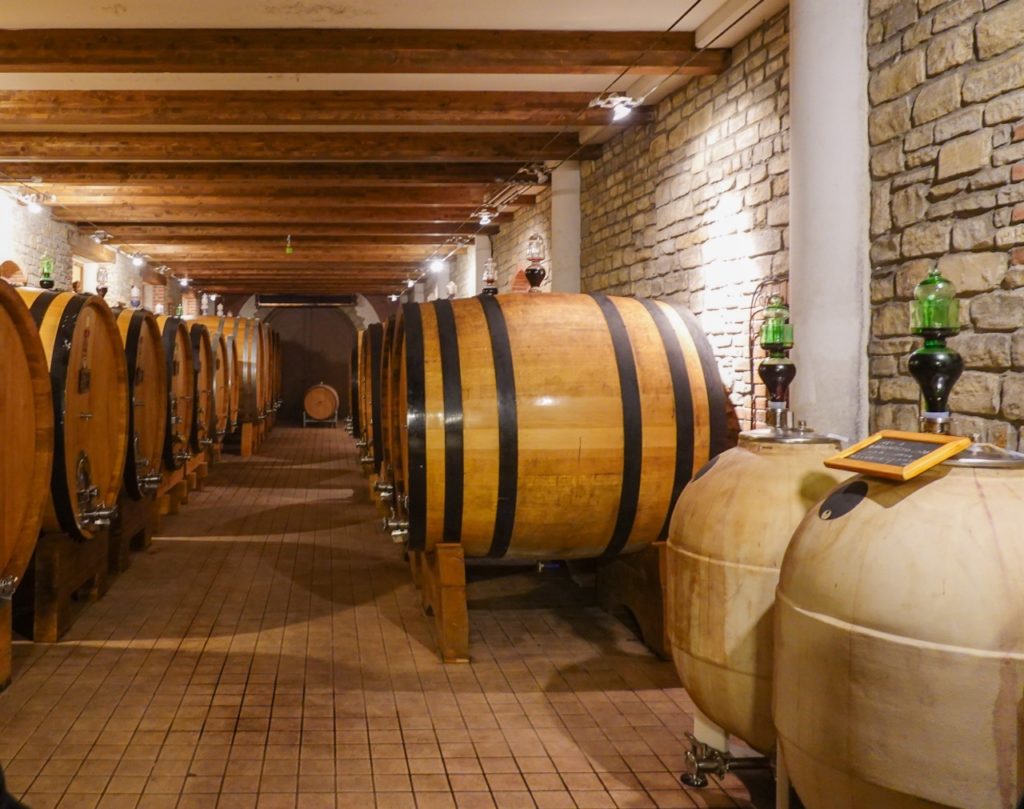
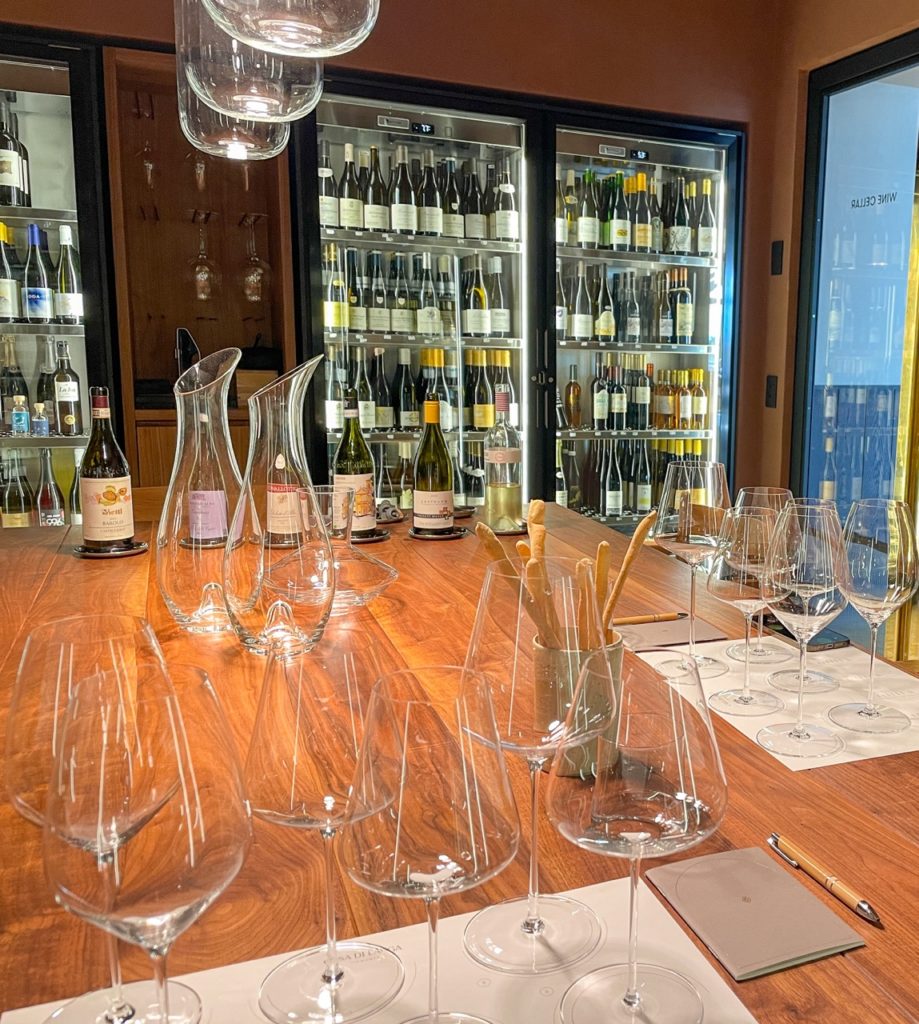
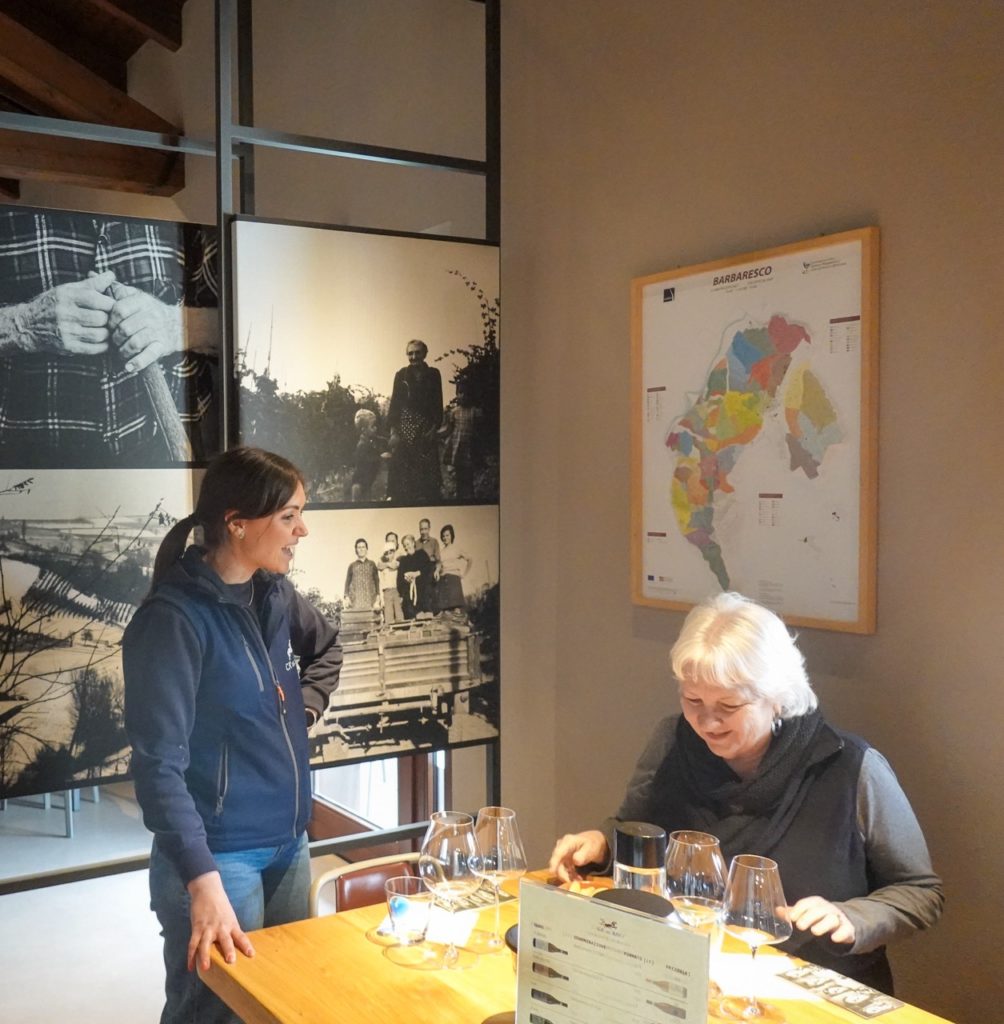
A small, luxury resort, Casa di Langa, perched near the top of a hill to allow for storybook views, became our home for a few days. We spent them wandering about the countryside, tasting wine, and feeling genuinely awestruck by the beauty of the place. We have some experience with the world’s great wine regions, but the Langhe is the most picturesque we have ever seen. This is the home of the mighty Nebbiolo grape used to produce the celebrated Barolo and Barbaresco wines, and we had a lot to learn. Good progress towards our educational goals was made at Ca’del Baio winery. The Grasso family have been farming here since 1870 and began making wine in 1921. Today, they grow all their own grapes and are committed to organic, sustainable farming methods. We had an appointment for 2PM and as we got out of our car, we were greeted by Federica, one of the three sisters who are currently running this family business along with their parents. Federica took us on a tour of the winery while sharing her family history. Her passion for Langhe and winemaking was infectious. We spent a couple of hours tasting a variety of wines, learning about the idiosyncrasies of the Nebbiolo grape and the farming of this famous varietal.
It turns out the success of these wines is a fairly recent development. While wine has been made in the region for millennia, it was traditionally a simple, fresh wine, produced in small amounts for the consumption of family and friends. As late as the early 60’s, Langhe farmland was primarily sought by poor farmers searching for an affordable patch to eke out a living. No one from the region dreamed that the seemingly untamable, highly tannic Nebbiolo could be turned into world class wine. In the early 70’s, a handful of restless offspring from these farmers spent time in the French wine regions. When they returned home armed with a whole new understanding of the potential for their home region’s vineyards, a transformation was born. Among the key insights, was the fact that Nebbiolo requires aging to be reach its potential. A Barolo Riserva, for example, must be aged for a minimum five years before it can even be released for sale and, these wines won’t begin to reach their potential until at least a decade has passed. Within a single generation, the Langhe went from poverty to affluence as their wines have become some of the most sought after in the world.
A Sneaky Wine
So, what’s in the glass? The first thing that gets your attention is the nose – flowers, maybe roses, against a backdrop of licorice? A very distinct bouquet that was consistent across all the Nebbiolo wines. The color is surprisingly light, not the deep saturation you associate with big red wines made to age. So, you have this flowery bouquet and a nice light color and then you taste. Wow! After a nice, seductive approach, the first taste is a powerful smack that has you asking, “where did that come from?!” This is a big, tannic, powerful glass of wine with a long finish where the fruit lingers on tongue. It’s a wine to be paired with equally big flavors – rich meat sauce, risotto, and game. Such is our arduous lifestyle that, after arranging to have a case of Ca’ del Baio sent to Valencia, we had time for just a quick rest before our next wine instruction appointment with the sommelier at the Casa di Langa resort. Fortunately, no driving was required after this second lesson.
Can you say Nutello?
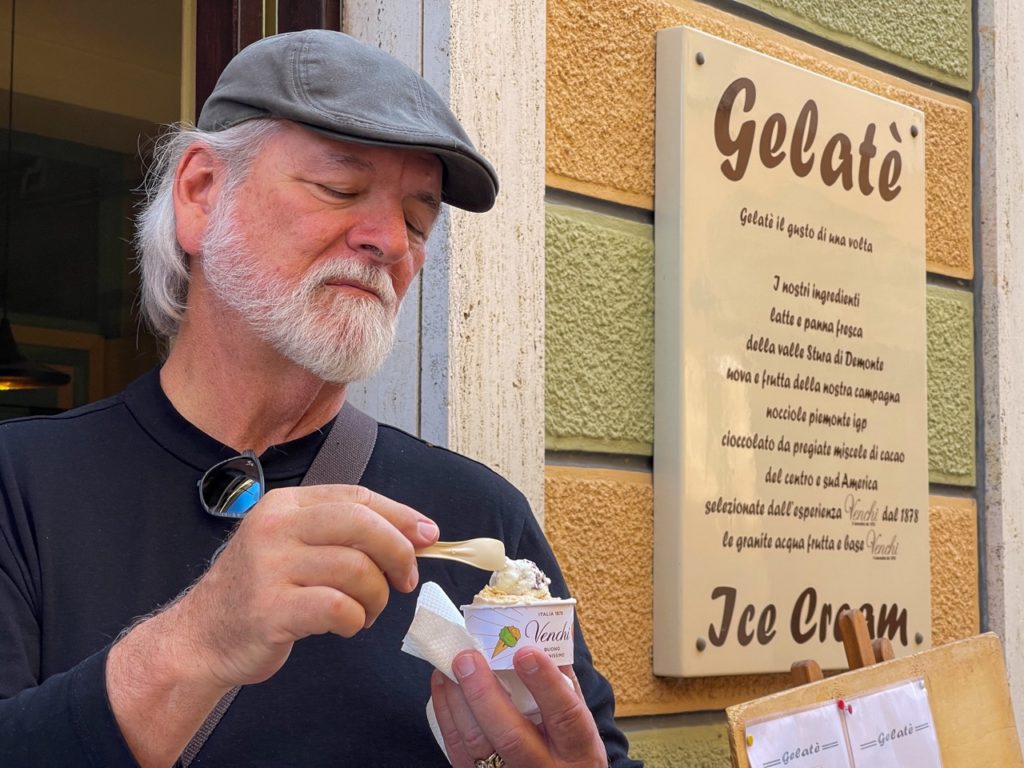
While the Langhe’s terraced hillsides are reserved for Nebbiolo, the valleys are the province of the hazelnut orchards. Italy is second only to Turkey in hazelnut production, and the prized variety grown in Piemonte, Nocciola, is a frequent ingredient in the local cuisine. In addition to the obvious – hazelnut gelato, hazelnut cake, and hazelnut chocolate delicacies (think Ferraro Rocher) – it’s not unusual to find these delicious nuts generously sprinkled on savoury dishes of the region. But, the grandaddy of hazelnut indulgences is a product that originated here in Piemonte and is ubiquitous all over Europe – Nutello. One local described being transported home by the aroma from a freshly opened jar of the creamy chocolate hazelnut spread.
Go Local
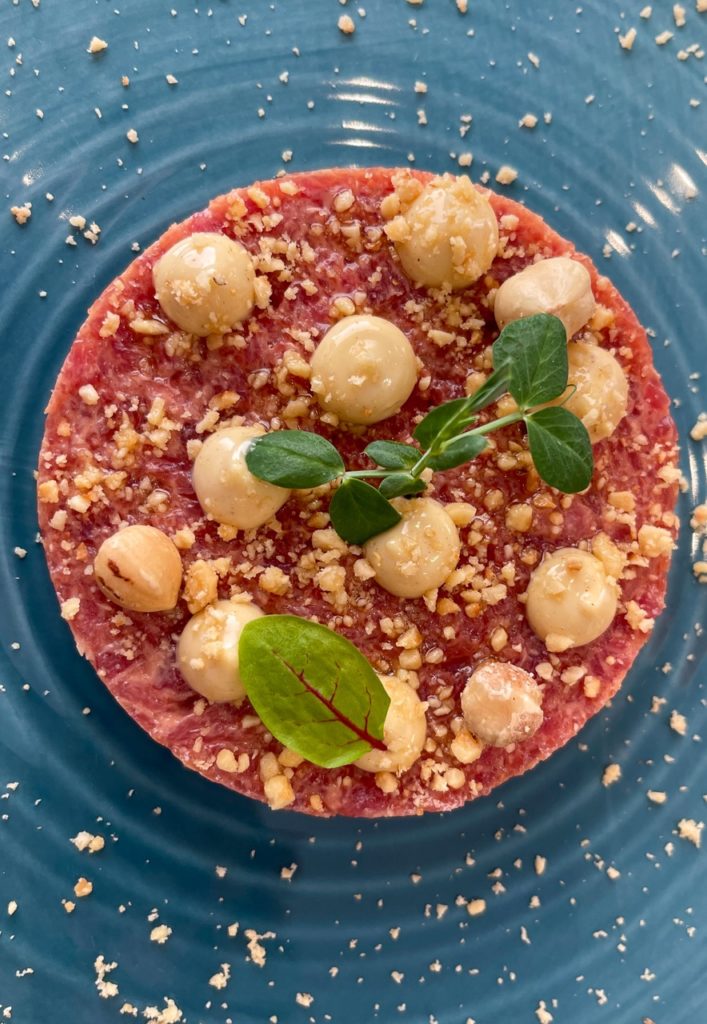
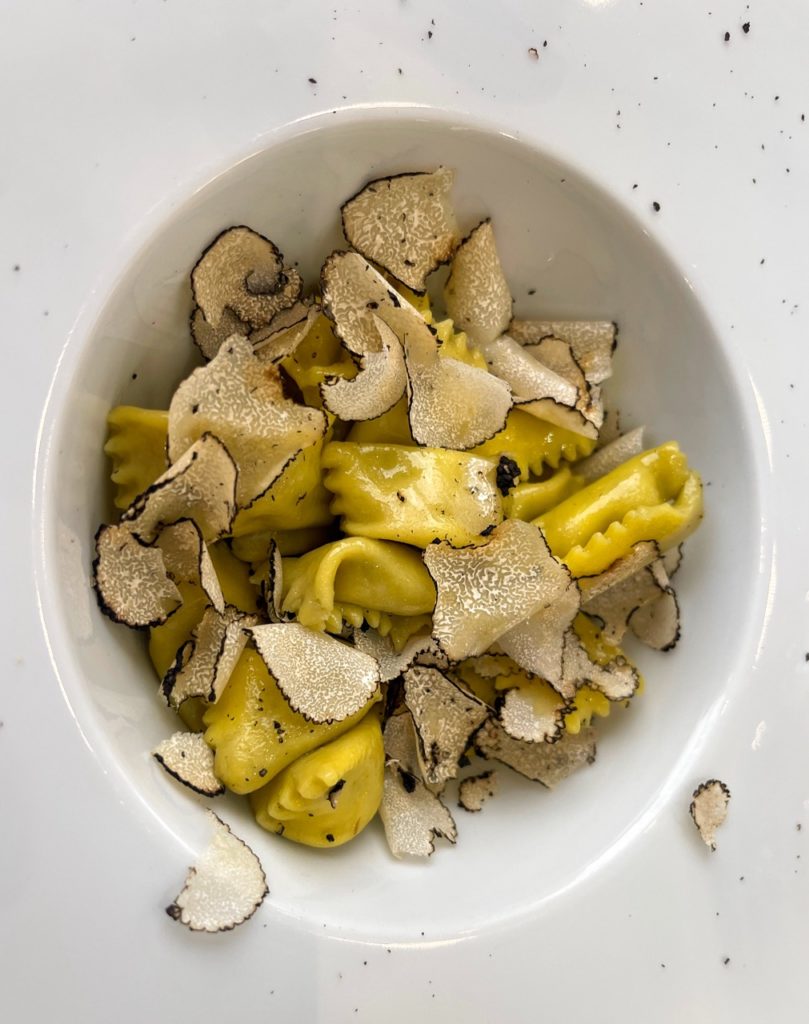
A Piemontese dinner often starts with Battuta di fassona al coltello, a beef tartare made with the meat of the local fassone cows. A simple and absolutely delicious combination of raw meat, olive oil, lemon juice, salt and pepper, this dish demonstrates the importance of using the best local ingredients to create magic. For the next course, Agnolotti del Plin was a favorite. This small stuffed pasta, sort of a cross between ravioli and tortellini, is filled with meat or vegetables, tossed with sage infused butter, and sometimes sprinkled with chopped hazelnuts. Then there’s Tarjarin, a fresh noodle similar to tagliatelle that is made with several egg yolks and then tossed with either butter and sage or with a meat mixture made from a special sausage from the nearby Piemonte town of Bra (where the slow food movement was founded).
We’re Not in Pasta Anymore
Risotto is another local (and personal – especially for me) favorite. Rice in Italy might seem odd, but it turns out Italy is Europe’s largest producer of rice with most of the fields found in Piemonte where the runoff from the Alps supply plenty of fresh water. While arborio is the most common risotto rice, its sister rice, Carniola, is called the “Rolls-Royce of rice” because of its super creamy texture. There are many recipes for Piedmonte’s risotto, and we are lamenting the fact that we had time for just a few. We will need to return.
Earthy Magic
And then, there’s truffles. In the forests around Alba, a small township in Langhe, the most famous and prized Italian white truffles are foraged. Black truffles are also foraged in Piemonte and, for a few more Euros, it’s possible to have your Agnolotti del Pin, Tarjarin, or risotto topped with shavings of these gastronomic jewels.
So Many Castles
After a few days paradise, we were ready for another urban adventure. The capital of the Piemonte region, Torino (Turin), is about an hour north from the Langhe. Torino is a hub of art, Baroque architecture, dozens of medievel churches, and rich history. The Savoy family, the regional royalty, built a total of six castles in the area – one rivaling Versailles in size and grandeur – until the Italians decided in 1861 that they wanted to be a republic rather than a monarchy. I’m not sure why so many castles were necessary, but now many of them are museums and art galleries.
Lunch like a Local
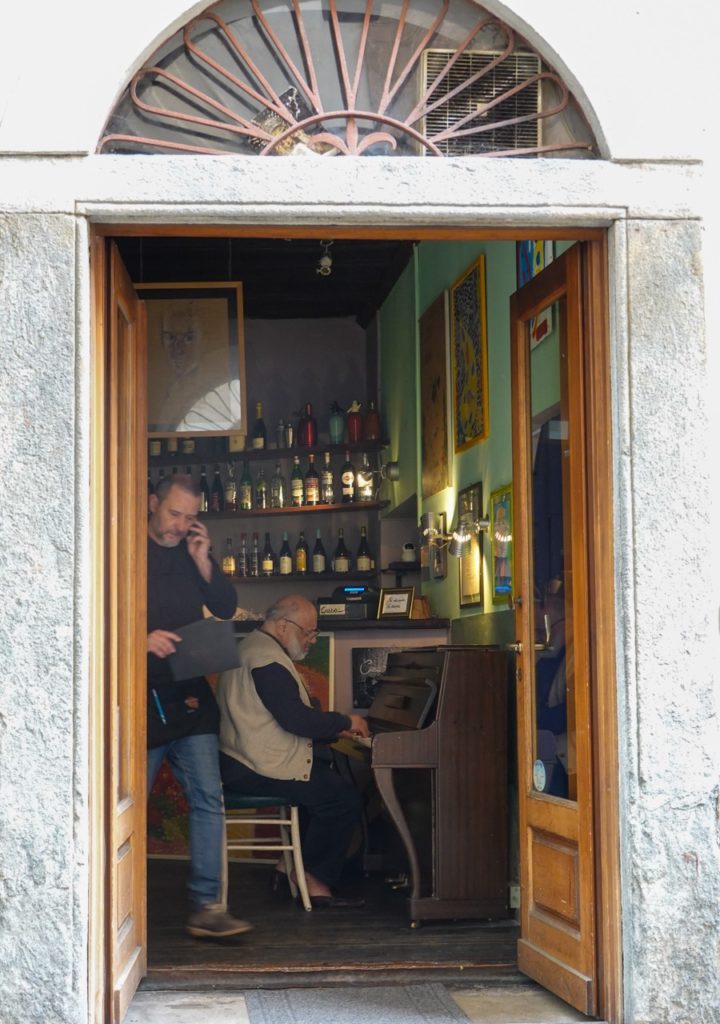
Our time in Torino was short, but really whetted our appetite for a future visit. Strolling down a narrow lane in the old city, we stumbled on a tiny restaurant, serving traditional Piedmontese food, with three small outside tables. A simple menu, handwritten in Italian, consisted of four appetizers, two primi (pasta) selections, and two secondi. We chose two appetizers and both pastas along with a couple glasses of wine. While we were waiting for our food, the owner – an older Italian man, sat down at a piano near the restaurant entrance and began to play. With a mix from classical to improvisational jazz, he serenaded us for our entire lunch. Three young Irish men stopped to listen, continued on for a few steps, then doubled back and asked for a table next to us. They were in Torino to attend a football match and the five of us enjoyed the unexpected concert, shared stories of our travels, and savored wonderful fresh pasta. These completely authentic experiences are why we travel.
Chocolate Treats
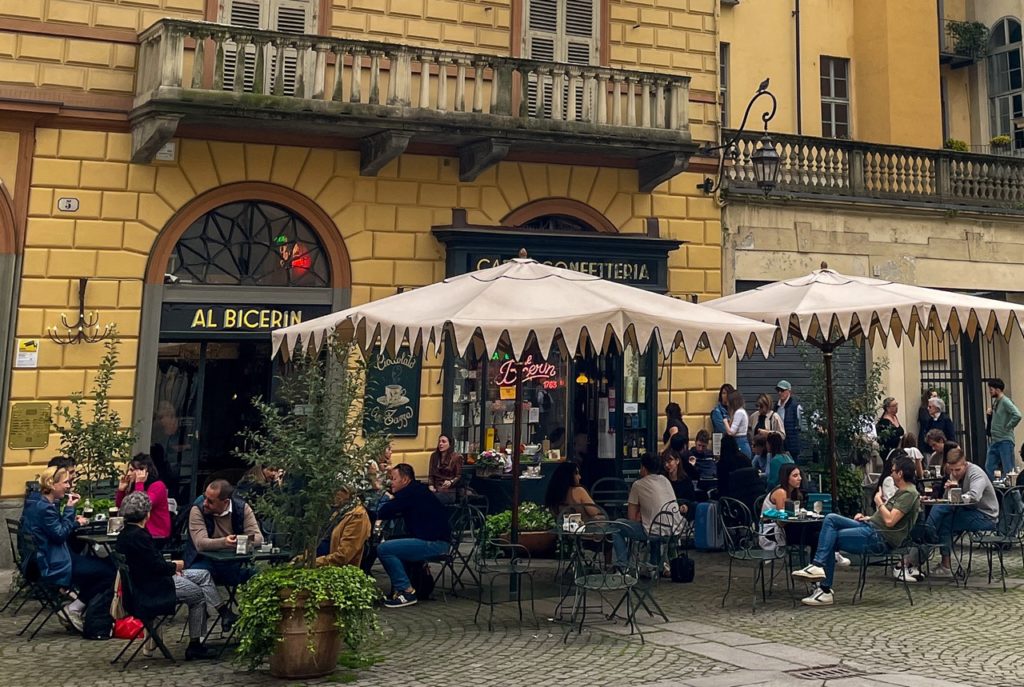
After lunch, we had just enough time for another Torino treat – chocolate. We waited in line for a few minutes to get a seat at Caffé Bicerin where they’ve been serving their namesake drink, Bicerin, since the 18th century. Bicerin is made with three ingredients – espresso, chocolate, and cream. The important thing is to avoid mixing it “thereby allowing the various ingredients to come together directly on the palate.” We also discovered gianduiotto chocolate, a delicious combination of chocolate and, you guessed it, hazelnuts. As we walked back through the old city towards our car, we talked about all that things we want to see and do when we return to Torino, including checking out a couple of those castles.
While not quite as awe inspiring as that first view of the Grand Canal in Venice, arriving at the Milano Centrale train station was another “Oh Wow” moment. The Art Nouveau architecture with grand arches, soaring ceilings, abundant natural light, and intricate decorative mosaic floors made for a nice welcome to Milano. Our time in Milano was actually split in two, sandwiched around a few days in the Piemonte region which will be the subject of another post all its own. So, this post is sort of a mash-up of two quick visits.
International Glamour
Milano is the economic engine of Italy as any Milanese will be happy to remind you. It is justifiably famous as a hub of fashion and design for all of Europe, and has been the financial capital of Italy since the country was unified in 1861. It truly lives up to this reputation, however, like many large, modern cities, it takes a bit of probing, patience, and local knowledge to uncover its character. To celebrate our arrival, we enjoyed a dim sum feast, our first non-Italian meal in over two weeks!
The Historic Center
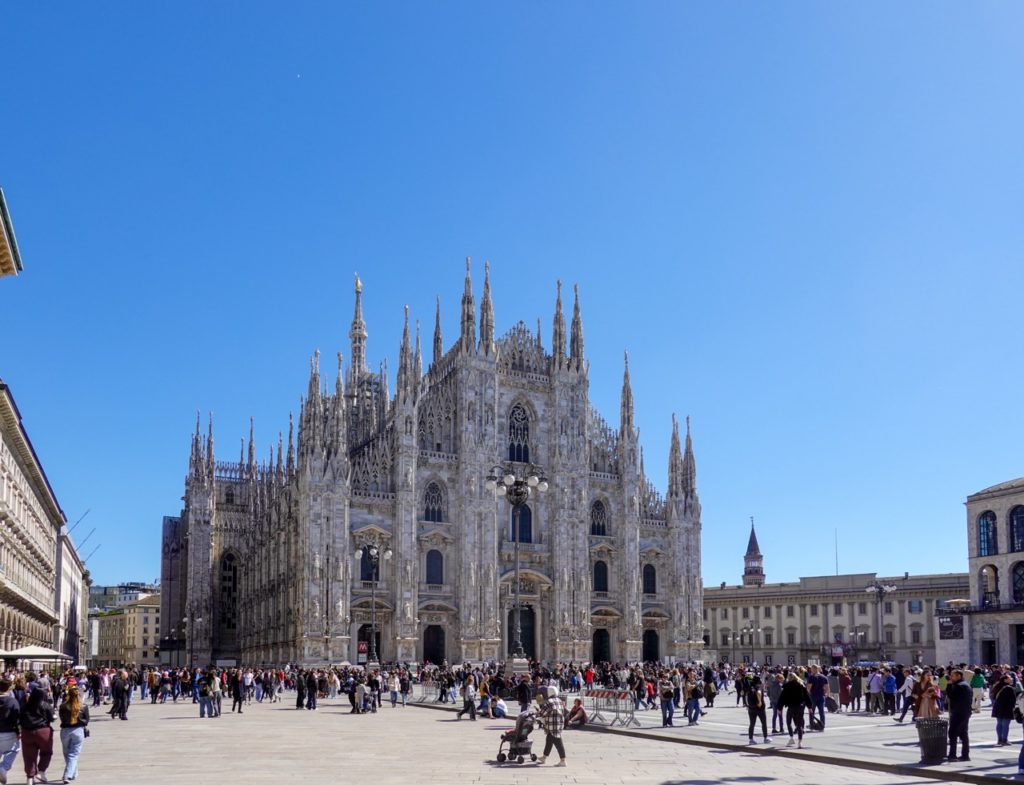
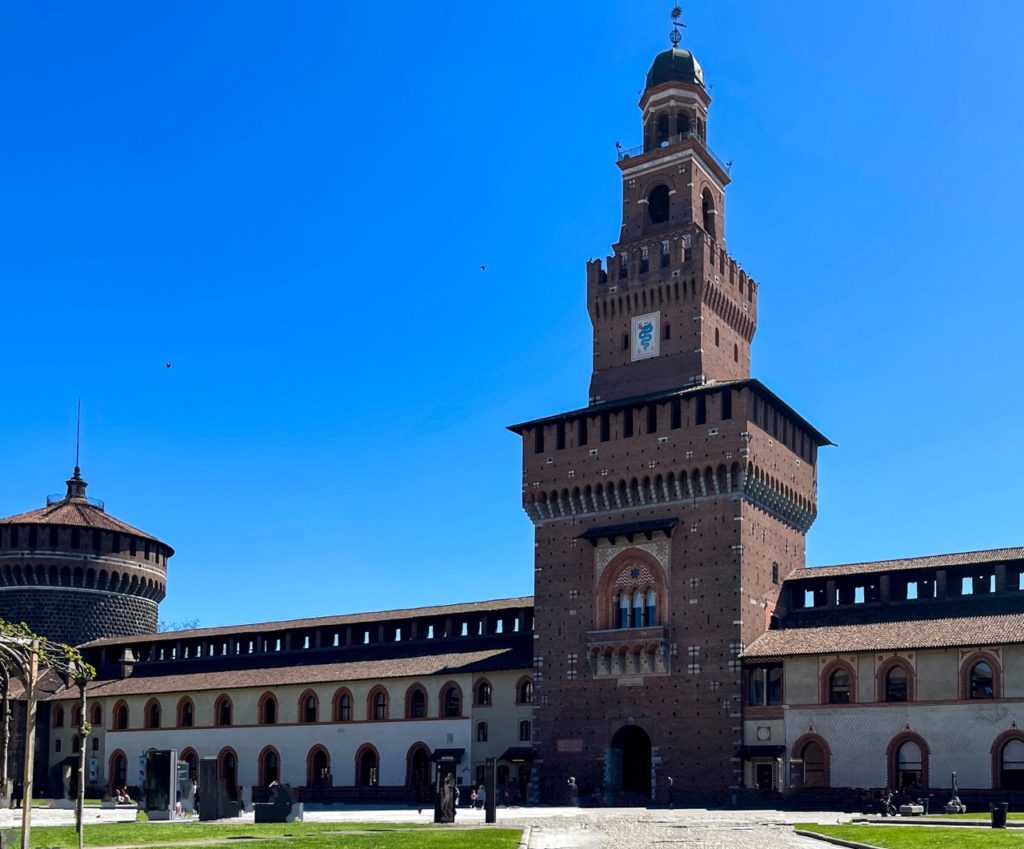
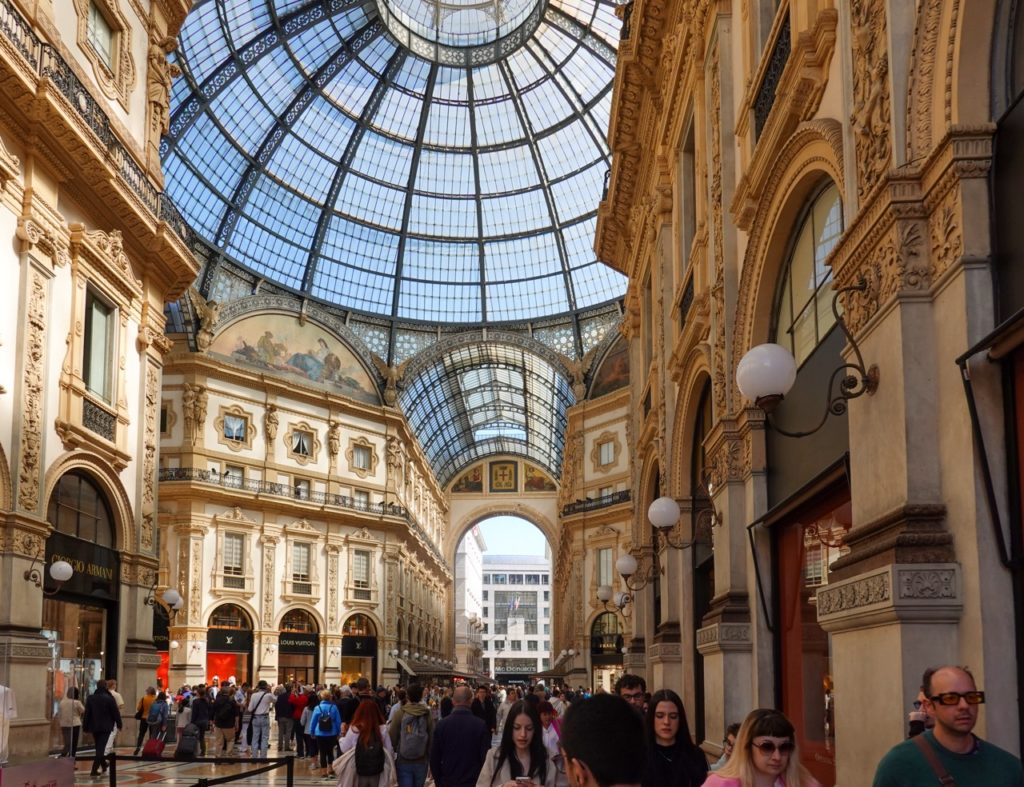
Despite its modernity, we wanted to glimpse a bit of the old city, so we began with a walking tour of the historic center. Milano is literally centered around the Duomo Milano (cathedral) with its grand plaza. This type of city plan is not unusual, of course, but it’s wonderful to see that central focus survive centuries of development and sprawl. Near the cathedral is a massive 15th century palace – Castello Sforzesco – and the famous La Scala Opera House. Our appetites were certainly whetted for a return visit to explore these historic edifices at more leisure. The palace alone contains six different museums! And, sitting right next to the duomo we found the entrance to one of the most exclusive fashion malls in the world, the Galleria Vittorio Emanuele II.
A Masterpiece
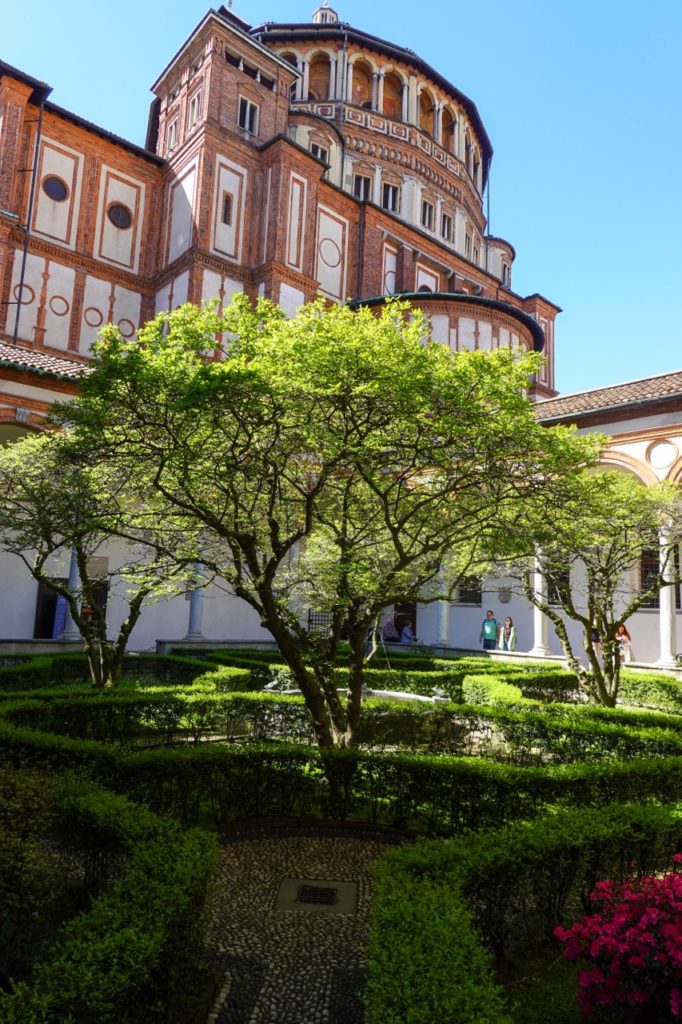
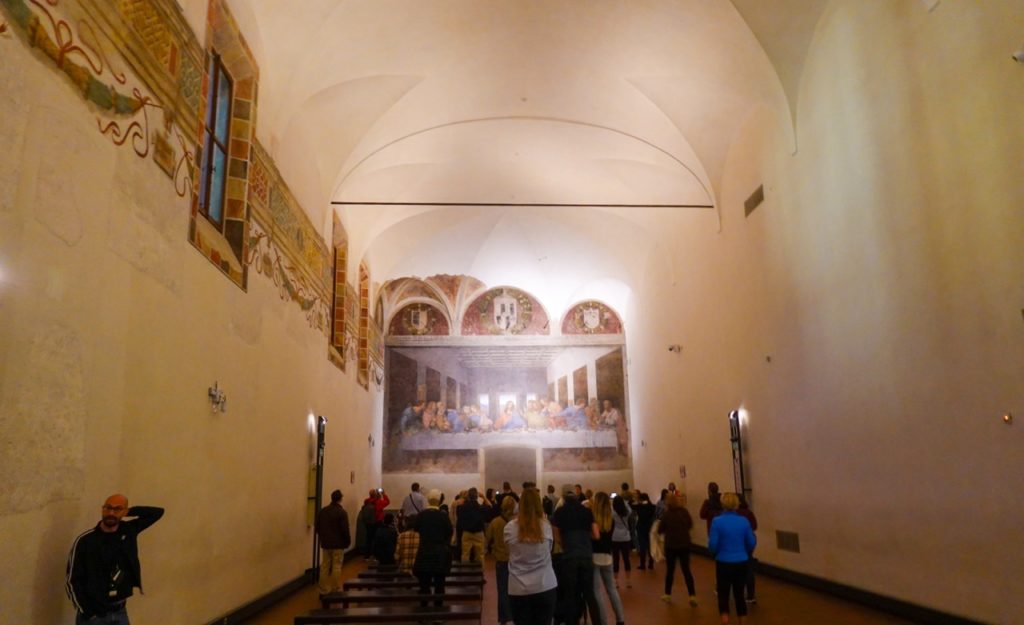
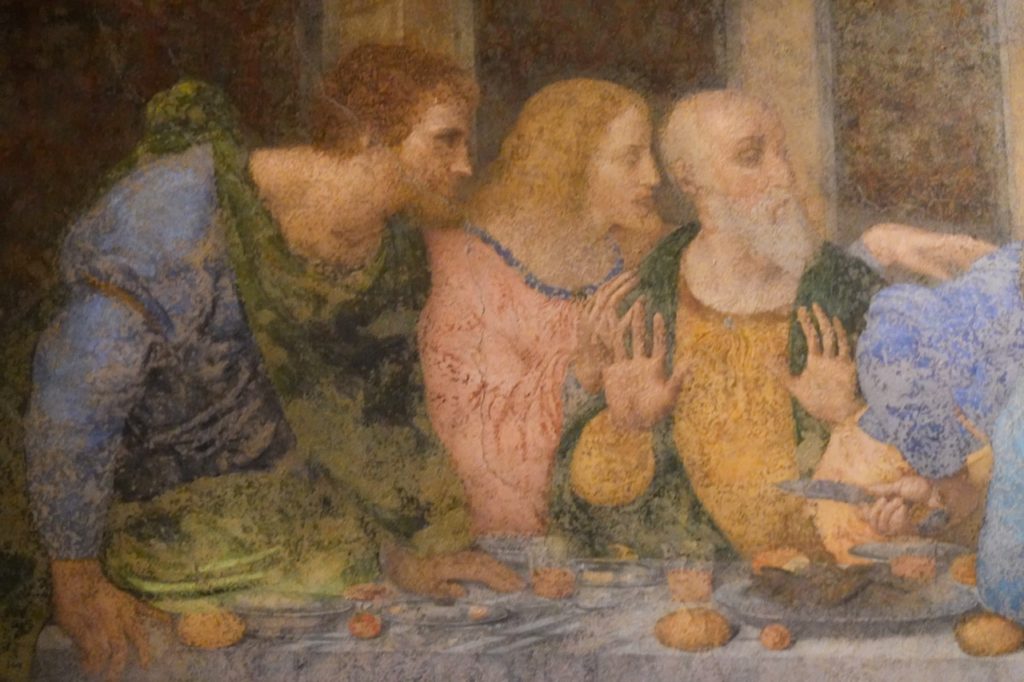
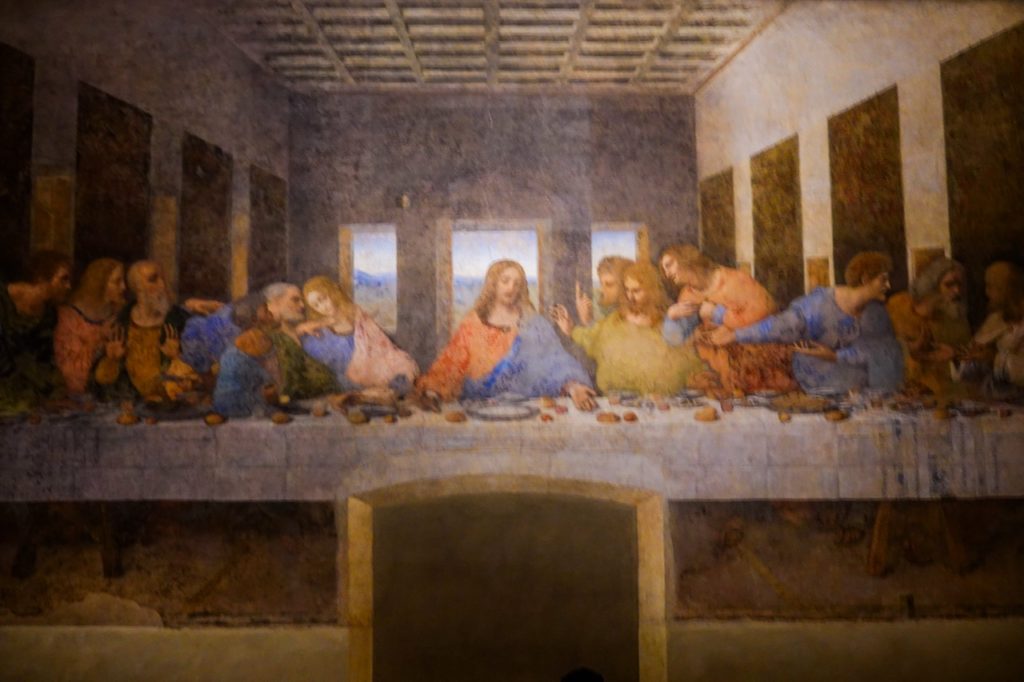
Milano is also home to Leonardo da Vinci’s “Last Supper”, so we could not pass up the chance to pay homage. There is probably no other painting more familiar from childhood than this image of Jesus and his disciples at the moment he announces his betrayal. Leonardo’s mastery of perspective, and his nuanced portrayal of human emotion is so powerful that is has been credited with kicking off the high renaissance period and was as famous in his own time as it is now. It was commissioned by Ludovico Sforza, the duke living in the palace mentioned earlier, as a gift to the monastery of Santa Maria delle Grazie to decorate the dining room. Leonardo’s notion was that the monks would feel like they were all sitting down to dinner together with Jesus and the twelve. This seems like an awful lot of pressure to put on the cook! It was fascinating to see and understand the painting in the space it was created for and imagine the room set for a meal. The atmosphere in the room was reverent and the image is still captivating despite the familiarity.
Botteghe Artigiane (Artisan Workshops)
Our second day began with a tour organized by the National Geographic Society focused on artisan workshops in a neighborhood called Isola (island) due to its historically isolated location, literally on the other side of the tracks. We were privileged to visit the shop of a tailor from Senegal who survived polio before finding his way to Milano. Cheikh is combining his colorful African heritage with modern Milano fashions to create unique clothing and accessories with his passionate advocate and business partner, Valeria. At another workshop we were treated to a demonstration of traditional bookbinding methods, while a third craftsman gave us a lesson on the art of furniture restoration and repair. Here only the tools, materials, and methods from centuries of woodworking are used to remain true to the origins of each piece of furniture. Finally, before heading to lunch we visited a jewelry atelier where the owner is working to provide a second chance to emotionally challenged and handicapped individuals. “After all,” he explained, “artists are all a little bit crazy.”
Urban Design
When we returned to Milano from a four day sojourn in the vineyards and hill-towns of La Langhe, we focused on the modern elements of Milano. That same Isola neighborhood is undergoing a renaissance of contemporary planning and development. Stunning modern building design is combined with thoughtful open parks and playgrounds to create an urban oasis integrating residential, office, and education buildings in a harmonious tableau. We spent a delightful evening on a terrace in the heart of a this new neighborhood enjoying the sights and sounds of families out strolling, knocking a football about, and testing all of the playground accoutrements. This was Milano showing the way to the future. And, of course, the design and construction all around us is a particular passion of mine.
Construction Excellence
I was particularly impressed by several of the projects currently underway. High-rise buildings with elaborate integration into an existing underground subway system are complex builds. These project sites were highly organized and unusually clean. State of the art safety measures were evident throughout and it was clear to an experienced eye that the sequence of installation was on a tightly orchestrated schedule. In short, the whole picture was an order of magnitude better than I have come to expect on a job site back home. Milano construction is first rate, and as for the architectural designs, there is an emphasis on clean lines, and graceful massing. The newest buildings have what I would describe as an approachable nature, not exotic just for the sake of novelty, but with attractive detailing and artistic grace. If this is the future of the built environment, perhaps I should be a little less pessimistic.
Postcard Perfect
In a final hoorah before leaving Italy for this year, we jumped on a train to Lake Como for a day trip excursion around the playground of the rich and famous. Arriving in the glamorous town of Como, we jumped on the “water taxi” for a two hour jaunt that skipped along from town to town until we reached Bellagio. We disembarked there to explore and have lunch on a terrace overlooking one of the most picturesque places we have ever been. The shore of Lake Como has been a luxury retreat and repository of wealth for two thousand years. Palaces and luxurious villas line the miles of shoreline and climb the steep hillsides that frame the pristine water in a seeming endless display of wealth. Yes, the rich inhabit a very different world from the rest of us. A little wearied by the unending opulence, we boarded the train for Milano to prepare for our arrivderci. Buona fortuna, Italia!
One of the joys of traveling the way we’ve chosen to – by train as much as possible – is the pleasure of arrival. No sterile airport many miles outside the city. No waiting for baggage, or struggling with how to find transportation into the city. You simply walk off the train, typically into a grand station from another era, and step into the heart of the city. Exiting the train station in Venice is the ultimate “OH WOW” moment. The Grand Canal stretches out in front of you, water taxis, gondolas, and water buses churn the water, church domes gleam in the background. It’s breathtaking, and something I suspect never loses its charm. We looked at each other with big smiles on our faces and said, nearly in unison, “We’re in Venice!”
A Mistake That Can Be Fixed
We hopped onto a bus (aka boat) and after a few stops along the Grand Canal, we arrived at our hotel. It was mid-afternoon, so we dropped our bags and walked along the canals and narrow alleyways, over a couple of bridges, and through some lovely piazzas to have lunch at a charming (and delicious) restaurant. As we ate lunch we discussed our obvious mistake: planning just two days in Venice. Fortunately, this is an easy mistake to correct. From Valencia, it’s just a 1.5 hour flight to Pisa and then a 4 hour train ride to Venice. We started planning our return trip over dessert.
This is a Problem
As we walked along the canals, Ed kept pointing out the fact that the water was very nearly at the level of the sidewalk, slopping onto stoops, and lapping up against the sides of buildings. He’d look at this situation and mutter, “this is a problem.” I lost track of how many time he repeated this sing-song phrase. I told him to relax and teased him a bit about the anxiety he seemed to be feeling. “It’s not your problem. There’s nothing you can do to fix it. We’ll be fine. I’m sure it will all be fine.”
It’s the Moon’s Fault
We pushed our dinner reservation, at a starred restaurant on St. Mark’s Square, back to 8:30 so we’d have time to wander about and take in the beauty of the Doge’s Palace and St. Mark’s Basilica. When we arrived at the restaurant we climbed two flights of stairs to the dining room where we enjoyed a leisurely meal overlooking the square accompanied by plenty of wine. We got up from the table about 11PM, and as we approached the stairs, one of the restaurant staff appeared to escort us down.
“My apologies, Madam,” he said. “There is some water in the restaurant.”
“What? In the restaurant?” I asked in alarm.
“Yes, Madam. It happens sometimes.”
Behind me, I heard a mumbled “this is a problem.”
“We can offer you some boots to put over the shoes,” he suggested helpfully.
“How much water?”
“Just a little. Maybe six centimeters.”
Of course, I didn’t want to appear to be some kind of newbie tourist, right? And really, how bad could it be? I declined the offer. As we stepped outside, I realized my error. There was about 3-4 inches of water on Piazza San Marco. By the time we got back to our hotel, my socks, shoes, and bottoms of my pant legs were completely soaked. We squeaked our way across the lobby to pick up our room key and when I explained about our wet feet to the concierge, he explained helpfully, “it’s because of the moon.” Okay. Maybe, this is a problem.
Some research was in order. It turns out, it was sort of a perfect storm situation. Piazza San Marco is the lowest part of the island. High tide was a 11PM that night. It was an extra high tide because the moon happened to be very close to the earth during our stay in Venice. Note to self: when in Venice, check the tide schedules and the current phase of the moon.
Dinner Party Research
The next morning we started with a stand-up cappuccino and then met our walking food tour guide. For the next three hours, we wandered about the city sampling traditional Venetian street foods such as fried mozzarella, cynar (an artichoke liquor) spritz, gelato, fried fish and calamari. One of the unfamiliar dishes that we really enjoyed was Scampi Saor, a traditional Venetian appetizer. Saor refers to the technique of marinating fish or seafood in a mixture of finely sliced onions, pine nuts, raisins, olive oil and vinegar. We made a note to include this delicious dish on the menu for our next dinner party featuring Italian cuisine.
Where words fail, music speaks –
Hans Christian Anderson
Without music, life would be a mistake –
Fredrick Nietzche
Our final evening in Venice was delightful. After dinner, we strolled through the darkened narrow streets, over canal bridges, and across small piazzas to the San Vidal Church for a performance of Antonio Vivaldi’s Four Seasons. The great Baroque composer spent forty years of his life in Venice and composed his most significant pieces there. It was thrilling to hear these masterpieces passionately performed, by virtuoso musicians, on instruments from the the era (including a wonderful clavichord). We were transported to another time by the beautiful baroque interior and the music came alive in the acoustic environment it was written for. What a wonderful way to wrap up our introduction to Venezia!
Restored by a few days in the Umbrian countryside, we were ready for new adventures. We boarded a north bound train in Orvieto headed to Italy’s Emilia-Romagna region, known as the gastronomic heart of Italy. Just our kind of place! It’s in this region one finds Parmigiano Reggiano cheese, Prosciutto di Parma, Balsamico di Modena, mortadella, and pastas such as tortellini and tagliatelle, and lasagne Bolognese. We’d been in Emilia-Romagna’s capital city of Bologna for less than 24 hours when we fell in love . . . again. What a wonderful city!
THREE TIMES A LADY
You get a small sense of Bologna’s charm by first understanding her three nicknames: La Rosa (The Red One), La Dotta (The Learned One), and La Grassa (The Fat One). Red is a recurring color in Bologna’s architecture and also refers to the leftist politics of the city. La Dotta refers to the University of Bologna, the oldest university in the western world, founded in 1088 and considered one of the best in Europe. The 90,000 students make up about one third of the city’s population which gives the place a youthful vibe that is intoxicating, particularly for us old folks. The reference to La Grassa requires no explanation given the long list of amazing foods that the Bolognese enjoy. Spoiler alert – there’s a walking food tour coming up.
A UNIQUE REAL ESTATE STRATEGY
Another of her charms is also a defining feature of the city’s architecture: porticos. Over 24 miles of covered walkways stretch across the city, each with its own character including elegant columns, frescoes, weathered stone, and intricate marble and terrazzo floors. Walking under these gracefully arching structures that date back to the medieval era is absolutely enchanting and provides a sense of continuity with the city’s past. It’s an opportunity to slow down, savor the moment and be immersed in the architectural elegance of this utterly beguiling city. This unique feature seems to have originated with a city planning requirement hundreds of years ago that demanded broad walkways in front of all buildings in the city center. The real estate developers of the era devised these elegant porticos as a way to comply with the regulation while also allowing them to build above the required walkways to the full limits of the lot lines. They thus maximized their profit while providing an incalculable benefit to the city and its future. Bravo!
THE QUADRILATERO
A historic food market in the heart of Bologna, the Quadrilatero, is known for its narrow streets and bustling atmosphere, filled with local vendors selling a wide variety of fresh produce, meats, cheeses, pastas, and other culinary delights. The market is a vibrant hub of activity, drawing locals and tourists alike. This is also where we started our walking food tour. Our first stop turned out to be the highlight – a small sandwich sort of deliciousness – tigelle bread filled with lardo (pork fat) and a sprinkling of pecorino cheese. The bread is the thickness of a fat cracker with the texture of a tender waffle about size of a drink coaster. The bit of meat, cheese, or lardo filling is just the right balance of flavors to be totally habit forming. We went back to the same shop for a tigelle breakfast twice more including a quick dash before our final train ride out of town.
As we strolled through the Quadrilatero market, our guide picked up a few things – mortadella, soft cheese, salami, and bread. After an hour so so, we stopped at Osteria del Sole, a traditional wine bar that has been serving in the same space since the 15th century. It’s a strictly BYOF venue. That is, to enter the establishment every customer is required to have a glass of wine and you are encouraged to bring your own food. For a proper lunch, our guide led us to a small trattoria for a traditional Bolognese meal of tortellini in brodo (broth) and tagliatelle el Ragú. Of course, we finished the tour with gelato.
CHEESE HEAVEN
A 45 minute train ride the next morning took us to the nearby town of Parma, where we drove through the countryside to a Parmigiano Reggiano cheese factory. There are about 300 of these “caseifici” in the Parma area, most of them small, family run operations. We stopped at one of these factories that offered a chance to observe the cheese making process. We watched the milk, fresh from the cows that morning, being heated in copper cauldrons. After the addition of rennet, the resulting curds are separated from the whey and the cheese placed into molds to form its characteristic wheel shape. After resting for 24 hours, the cheese wheels are submerged in brine baths before being transferred to aging rooms, where they will mature for a minimum of 12 months (and often much longer) under controlled conditions.
There are strict regulations governing the production of Parmigiano Reggiano that dictate everything from the breed of cow used for milk, the type of hay and grass they are fed, and the ingredients allowed in the cheese. At the end of the tour, we taste different ages of Parmigiano Reggiano ranging from 12 to 36 months and sometimes even longer. It was wonderful to sample the subtle differences in flavor and texture that develop over time in this iconic cheese.
HOG HEAVEN
Next, we visited a “prosciuttifici,” to learn about the process of transforming raw pork legs into the delicate, savory delicacy known as prosciutto. The selection of high-quality pork legs is the first step. Then, the legs are massaged, trimmed and salted to draw out moisture and enhance flavor. Next, the legs undergo a resting period before being rinsed and left to air-dry in specialized curing rooms. Over many months (or even years, depending on the desired flavor profile), the prosciutto slowly matures, developing its distinctive texture and flavor. Of course, no visit to a prosciutto factory would be complete without a tasting session washed down with a glass or two of Lambrusco.
PROGRESSIVE POLITICS – 6TH CENTURY STYLE
Another day trip from Bologna started with a short train ride to the seaside (Adriatic Sea) town of Ravenna. In preparation, we brushed up a bit on the history of the late Roman and Byzantine empires – particularly the era of Justinian and his wife Theodora. The particular relevance of this history to Ravenna is preserved in the stunning collection of mosaics adorning the churches built by this 6th century power couple.
The buildings and their mosaics were created to celebrate the reconquest by Justinian of Roman territory that had been lost to the invading northern tribes in an ill-fated attempt to return the empire to it’s glory. The mosaics are a mix of imperial projections of power with Christian symbolism and scenes from the Bible. The vibrant colors, intricate designs, and meticulous craftsmanship left us awestruck. My personal favorite is of Empress Theodora and her court. This powerful woman promoted the rights of women and forced changes in the legal code protecting women’s rights that are still referenced today for their progressive and enlightened view. Justinian outlived Theodora by 17 years and historians of the era recorded that he mourned her loss everyday until his own death in 565.
THE PINK QUEEN
We cannot leave Bolongna without one last food theme. As a child, a bologna and cheese sandwich was without a doubt one of Ed’s favorite things. Of course, as children we had no real understanding of the roots of this ubiquitous sandwich meat. Even as adults we’ve had only a cursory understanding of the wonders of Italian sausage traditions. As with so many of the foods we grew up with, it takes a visit to the source to realize what that stuff in the Oscar-Meyer plastic was vaguely hinting at. Mortadella is referred to in Bologna as “the pink queen” and it is a revelation. Across the city you will find salumeria selling mortadella as everything from tidy four inch cylinders to mammoth rolls twelve inches and larger. Shaved in thin slices it is almost translucent with lovely white nuggets of flavorful lard. As fate would have it, one of the best mortadella laboratoria (a sandwich shop selling nothing but mortadella) was located next door to our hotel. Ed’s new favorite sandwich involves a mountain of shaved mortadella dressed with a generous dollop of pistachio cream. Perfetto!
We had five days in Emilia Romagna and felt sad to leave. As we headed down the porticoes toward the Bologna Centrale train station, we turned to each other and agreed, “we could live here.” Maybe, someday . . .
After five days of Napoli’s frenetic energy, we were ready for a quiet, peaceful country escape. And that’s exactly what we found in a 16th century stone house in the heart of Umbria. We left Napoli and after a quick train change in Roma, we found ourselves in the town of Orvieto. Umbria is beautiful – lush green rolling hills dotted with medieval towns and villages, olive groves, vineyards, stone farmhouses, and hilltop castles. After picking up our rental car, we headed to the small town of Todi where we’d reserved a room in a lovely Bed & Breakfast.
Todi is a hilltop town that is renowned for its well-preserved medieval architecture, narrow winding streets, and beautiful views of the surrounding countryside. In the center of Todi is the Piazza del Popolo, a picturesque square featuring a Gothic-style12th-century Duomo (Cathedral). Todi is also famous for its underground tunnels and cisterns, which date back to the Roman era.
BEST MEAL OF THE TRIP
Our rural B&B, Il Ghiottone Umbria, began life in the mid 1500’s as a grain mill. In addition to the ancient stone house, there is an underground cavern carved from the rock that now serves as a wonderful kitchen. Our hosts, Lizbeth and Thomas, are chefs from Denmark who moved to Todi 14 years ago. Perhaps the highlight of our stay here was preparing dinner one evening under the tutelage of Lizbeth and Thomas. We began around 5:00 PM and wine was involved. Bonnie started by making a panna cotta and getting it in the refrigerator to chill, while I started cleaning and preparing the calamari for one of our starters. We both took a hand in prepping the artichokes for our second starter, and then I prepared the egg pasta for the ravioli, while Bonnie built a simple semolina dough for the cavatelli we would be learning to shape later. While the doughs rested we prepared the pea and ricotta filling for the ravioli – broccoli and sausage to sauce the shaped pasta. I’ll spare you a step by step recitation by simply saying every dish was sensational and we learned more than we could have imagined. Oh, and Bonnie’s panna cotta was the best I have ever tasted!
Lizbeth and Thomas prepared a multi-course breakfast every day that was equally amazing. Next time you find yourselves in Umbria, we’d highly recommend a stay at Il Ghiotonne – www.ilghiottoneumbro.com.
Au natural
The day after our epic cooking experience, we visited Tili Vineyards for a tour and wine tasting. A few minutes from Assisi, this family run farm produces wine, olive oil, and balsamic vinegar. The Tili family first arrived in Assisi and were awarded their land in the 12th century for “service to the king.” Then, in the 15th century, the Pope granted them a license to produce and sell wine and olive oil. And that’s what they have been doing ever since, one generation after another. Today, their vineyard management is completely organic and the wines are produced using only completely natural, chemical free methods. The result is a fresh, vibrant, and unique wine experience. We enjoyed several glasses of white, rose, and red wine along with bruschetta, salami, cheese and bread. A favorite is their Sagrantino. We bought a few bottles to keep with us and sent a case to Valencia.
a spiritual moment
Assisi is a special place. While it’s one of many hill towns with beautiful medieval architecture and a stunning view of the countryside, Assisi also has spiritual significance as the birthplace of Saint Francis. The modest basilica that was erected to honor the saint is world famous for the frescoes that cover every surface, each panel illustrating a moment in Francis’s life journey. While not typically very interested in Catholic saints, St. Francis’s devotion to humility, compassion, service to the poor, and a deep connection with nature was inspiring, and I was particularly moved by the bronze monument that sits in front of the church. It depicts Francis as a young, defeated soldier returning to Assisi, humbled before god and seeking his will. Very powerful image.
Umbrian cuisine is simple, rustic, and delicious and we learned a few more pasta shapes and sauces. A favorite is the classic Umbrian pasta Strangozzi al Tartufo (a thick spaghetti) served with a sauce made from black truffle, olive oil, garlic, and sometimes a little pecorino cheese. Wow was that good!
A reluctant goodbye
As we made our way back to the Orvieto train station to return our rental car and head north, everywhere we looked the hills were covered in a robe of thick green, and the trees were covered in ripe buds ready to burst into life. Spring was ready to launch all across Umbria and I was already regretting that we would not be there to taste the results in our temporary stone home.