Reflections on the Bosphorus
I guess we’ve become seasoned travelers since our first visit to Istanbul in 2012. The magic and energy of this great city straddling two continents still throbs. But there was a qualitative difference in the experience this time. There has been a shift in how we experience the world as we travel, and that was brought home to me on the Bosphorus last week.
The inspiration for this trip was as an adjunct to Bonnie’s adventure in Uzbekistan with her friends. Since her flights to and from Tashkent originated in Istanbul, a couple of extra days there seemed an obvious choice. Bonnie would be off in Central Asia for a week, so I decided it was a great opportunity to have my own mini adventure in Turkey while waiting for her to join me at the end of her tour on the Silk Road. I must admit, it was a little intimidating to find myself alone in an exotic city of 20 million. Many lessons awaited.
Your First Time
It was inevitable that this trip would be somewhat colored by nostalgia. That previous visit had been 11 days of wonder and euphoric discovery. The cacophony of ordered chaos in the Grand Bazaar, the pungent scent and chromatic color of spices mounded into pyramids, soaring domes adorned with scintillating patterns of red, blue, and gold, and everywhere the mark of previous great civilizations we’d only previously encountered in books. We were enraptured. Like any great, first, passionate affair, it was going to be a hard act to follow.
So, I made a calculated decision not to revisit those moments, but rather to scratch a little deeper. In particular, I decided to spend time with Istanbul’s museums and immerse myself in the art scene. Allowed two days to be completely self-indulgent in one of the great cities of the world, I chose to wander through endless galleries of paintings and sculptures. I’m still not sure what that says about me, but no regrets. I was in my happy place.
Modernity on Display
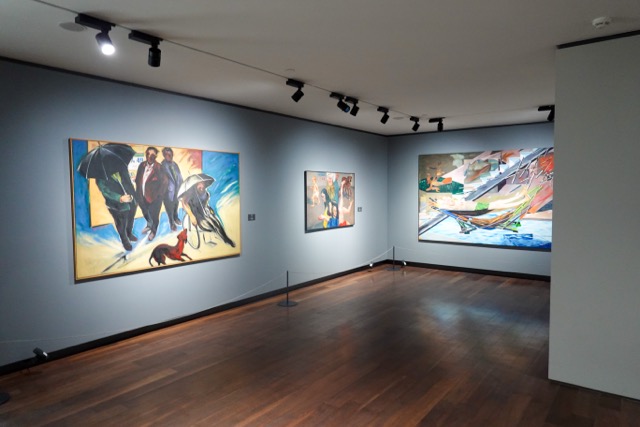
The brand-new Istanbul Museum of Modern Art perches on the waterfront as the anchor of a new, high-end development of hotels, restaurants and shopping known as Glataport. It’s all tied together by a broad promenade perfect for strolling along the Bosphorus and pausing for a coffee. Conveniently, the city’s newest art museum sits not far from its oldest: the Istanbul Museum of Painting and Sculpture, a collection that began with the founding of Turkey’s first institute for art education in 1882. Macerating in these collections for an entire day provided a comprehensive survey of the modern history of art in Turkey and lead me to a couple insights and impressions.
Context
When the Mimar Sinan Fine Arts University was founded, Constantinople (Istanbul) was the center of the Ottoman Empire. It is with extreme self-restraint that I refrain from turning this essay into a history lecture, but in a place that has been at the center of world events for 2000 years, it’s difficult. Suffice it to say that the Ottoman empire was a Muslim caliphate that had replaced the Christian Byzantine empire 600 years earlier when Byzantium (Constantinople; Istanbul) was conquered by Mehmed II in 1453. And one of the strictures of Islamic tradition is the prohibition of any artistic expression depicting living beings. Hence, visual arts in the Islamic world have nearly always been focused on patterns of design and calligraphy, both of which, they have elevated to an astonishing level of exquisite beauty. Therefore, the founding in 1882 of a fine arts institution for the study of painting and sculpture marked a huge shift in the cultural focus for Turkish art. Most importantly, it signaled Turkey’s desire to join with Western Europe in the development of the modern world, a process that was accelerated dramatically with the founding of the Republic of Turkey by Atatürk in 1923.
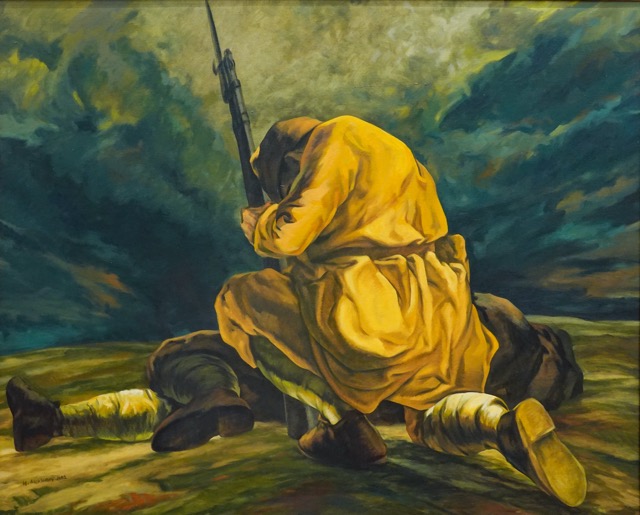
All of that to say that wandering through these museums was to experience, through art, the yearning of a culture to leave its religious past and reach for the secular future envisioned by the west. It was, in some ways, a little heartbreaking to experience the striving of Turkish artists attempting to copy, in some cases literally, the European masters of the time. They had no history of painting and sculpture beyond the caligraphy and design I mentioned earlier, and as I contemplated one modest effort after another, I began to notice the dates on the work. Almost without fail, the style of the work would reflect a European development from a decade or two earlier. Paintings in the collection of Turkish “cubism”, for example, came twenty years after Braque and Picasso originated the movement and even then, they did not really seem to grasp the cubist’s core concepts. I searched all day for a truly original Turkish artist, finding very few.
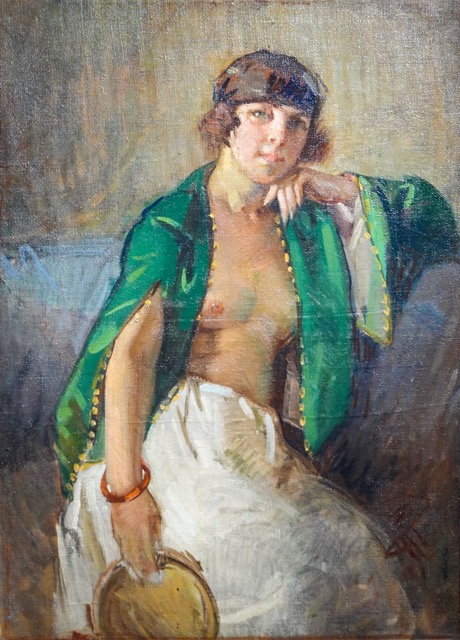
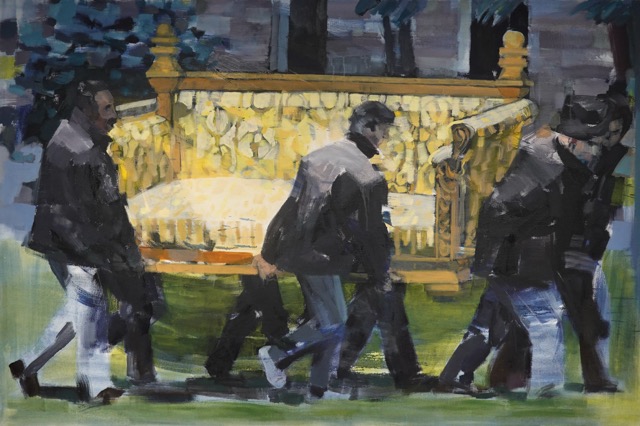
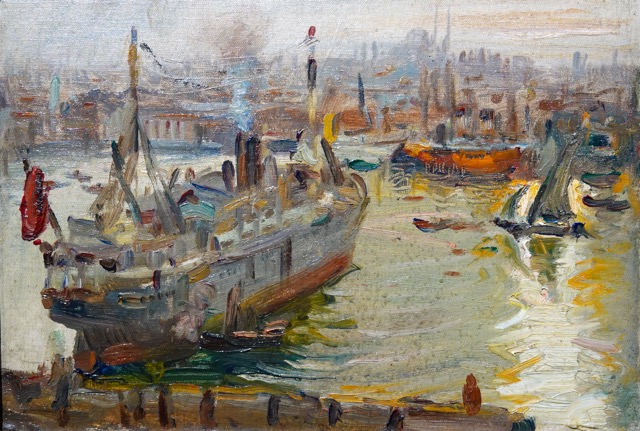
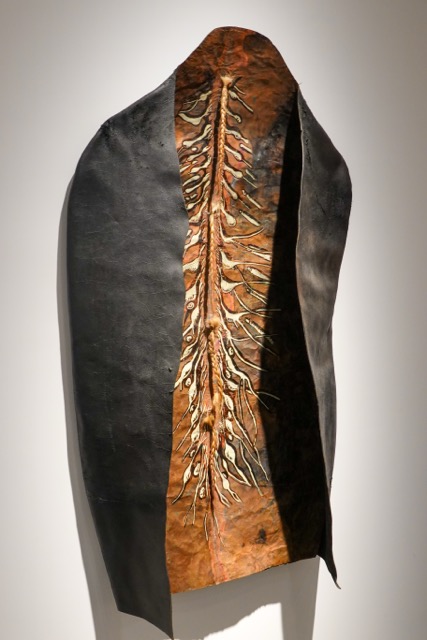
The collections are comprehensive and I thoroughly enjoyed the paintings, the sculpture, and the setting. I also learned something important that will inform my future visits to such institutions. Great museum collections do not simply display genius or awesome achievement. Sometimes, they simply serve to document cultural history and reflect humanity’s journey. It turns out, there can be a sublime beauty in that.
Reunion
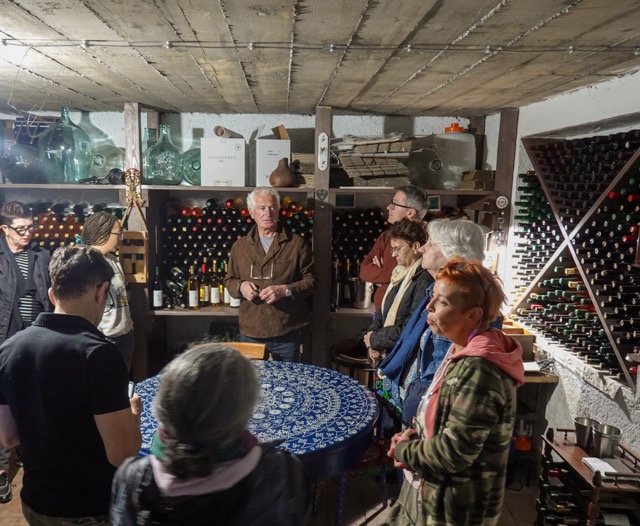
When Bonnie arrived, full of stories and excitement about her time in Uzbekistan, we reverted to form and went on a walking food tour along with Gloria, one of her travel companions. Due to a serendipitous last-minute change, the tour we ended up taking was a perfect fit with our sensibilities around travel these days. Billed by Culinary Backstreets as “far from the tourist trail” we spent the day strolling the streets of a diverse neighborhood where we truly did not see another tourist anywhere. None. All day. It was glorious.
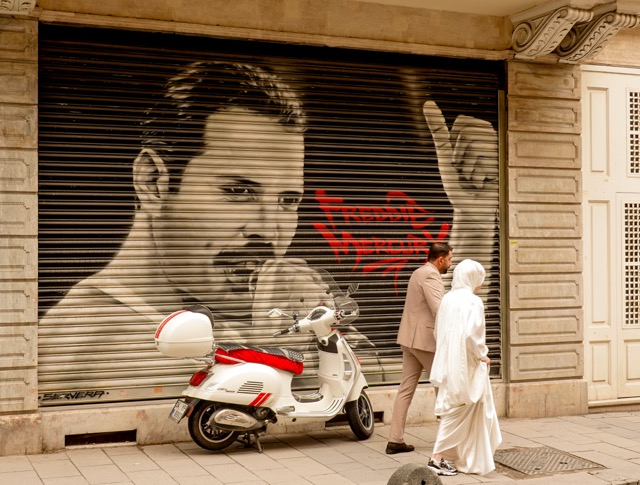
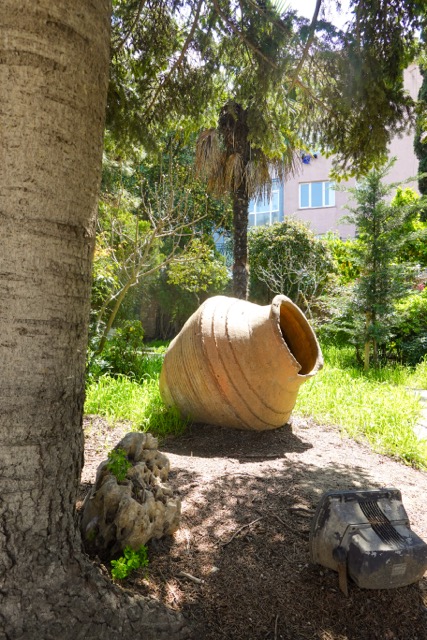
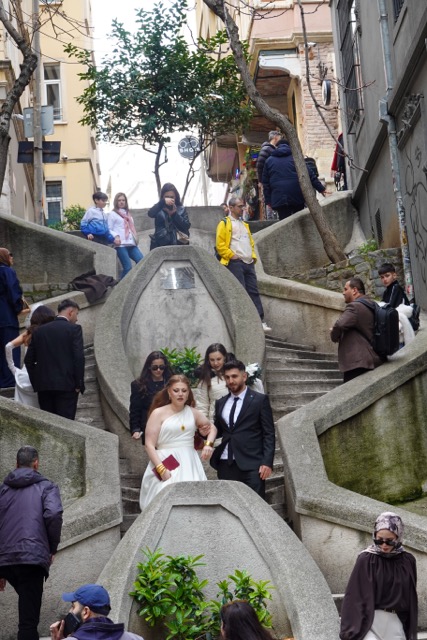
I think it is part of the baggage that comes with being “seasoned” travelers. There’s this nagging thought that you’re not experiencing the real thing. Those handicrafts you’re considering are just created to cater to people like you. Traditional dishes found on restaurant menus are still made mostly to satisfy the tourist experience. The Kurtuluş neighborhood is the antidote for this syndrome. The vendors and cafes here are not catering to anybody except their neighbors, and that knowledge freed us to enjoy every nuance of the culture and people without inhibition or cynicism. These really are the flavors, smells, and textures that define everyday Turkish cuisine and life.
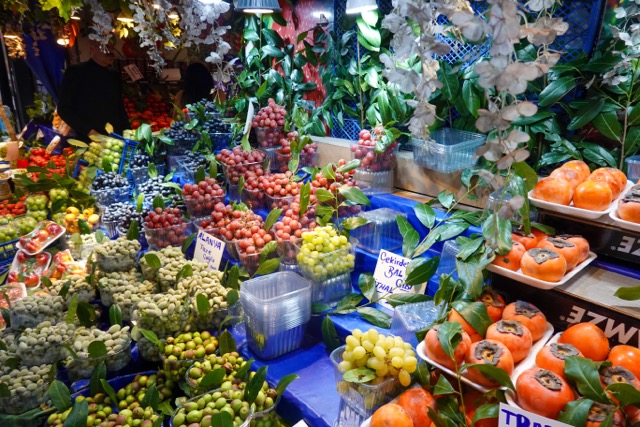
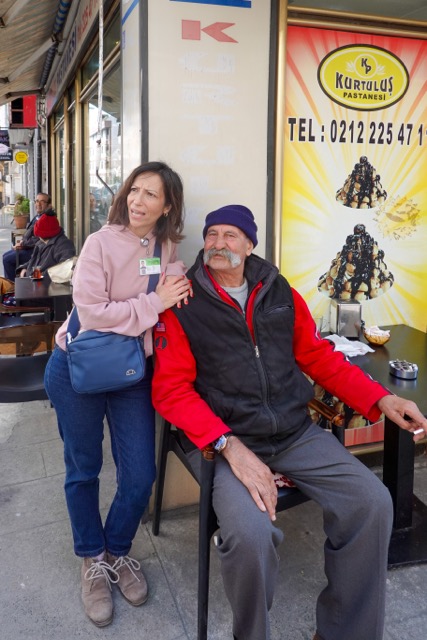
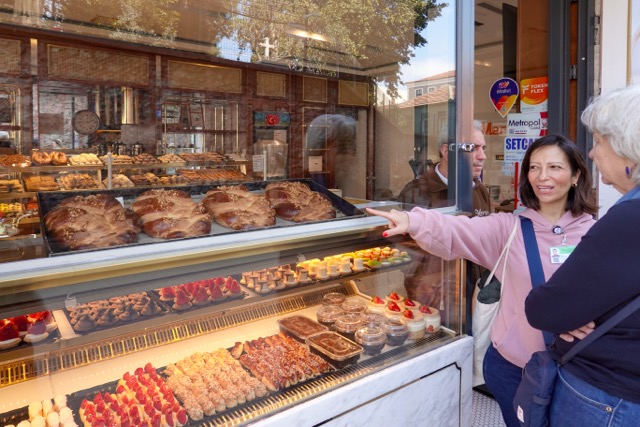
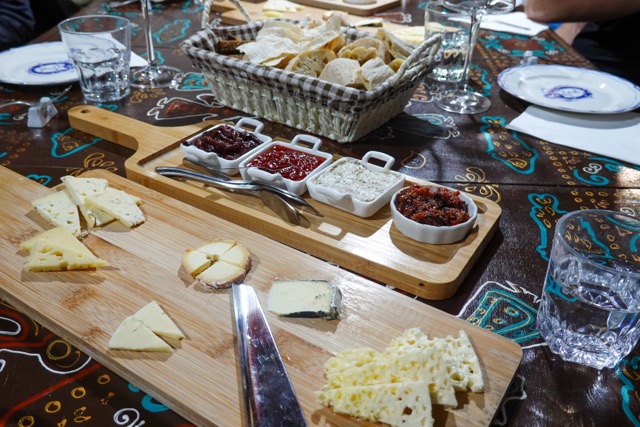
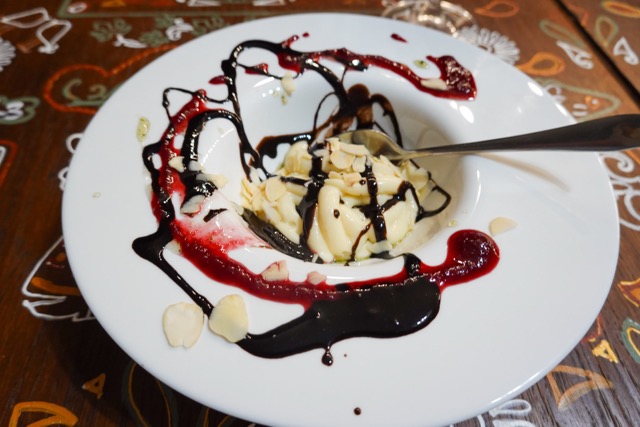
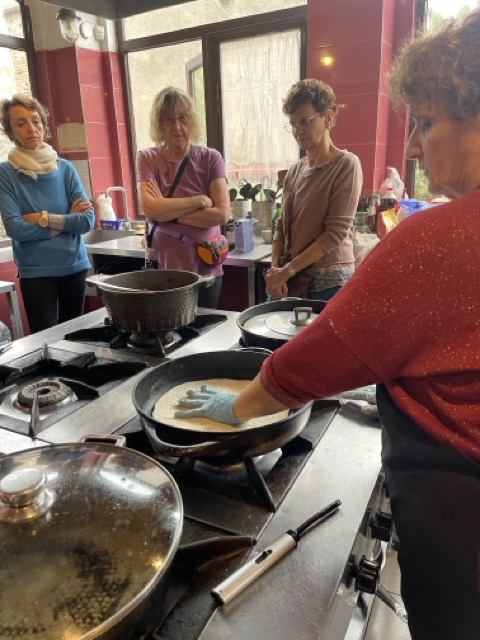
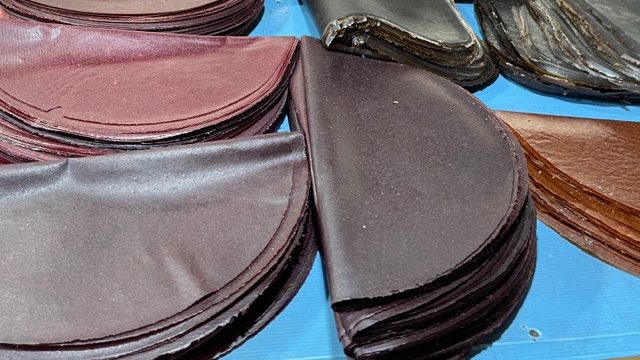
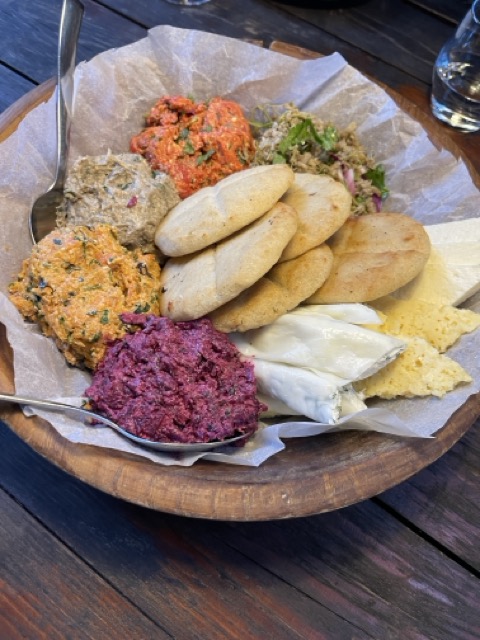
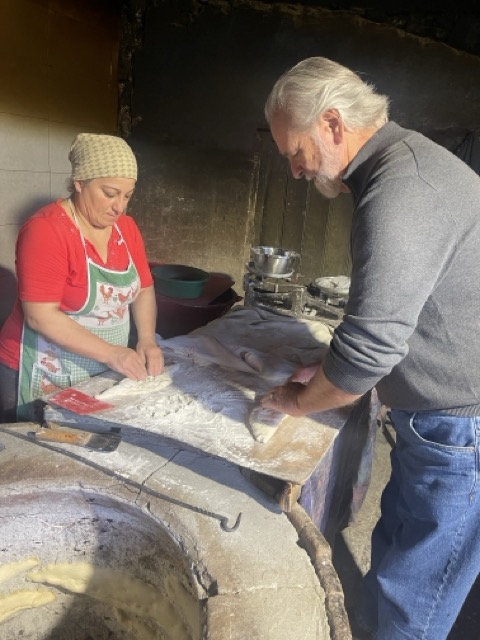
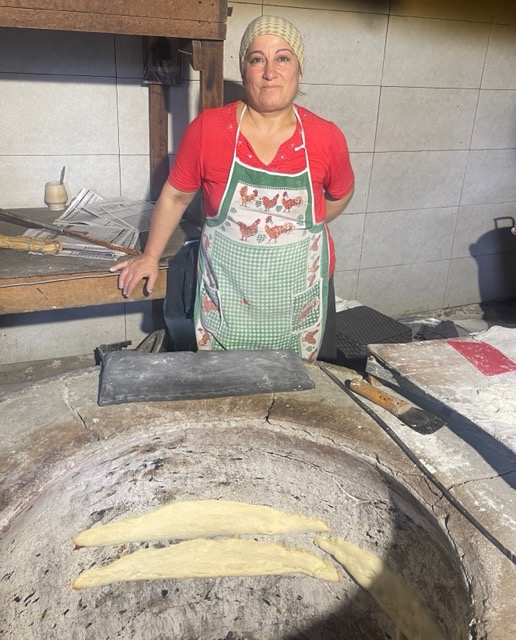
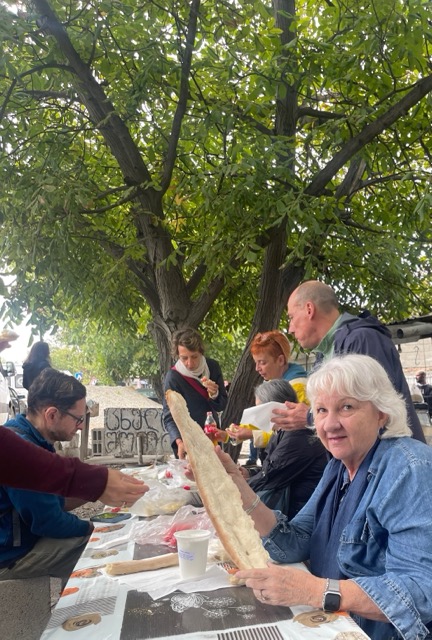
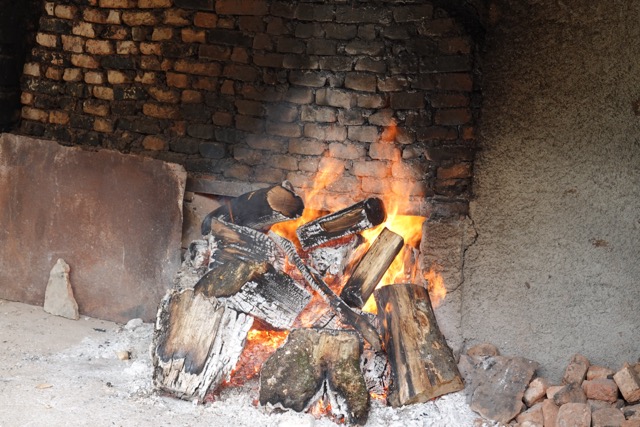
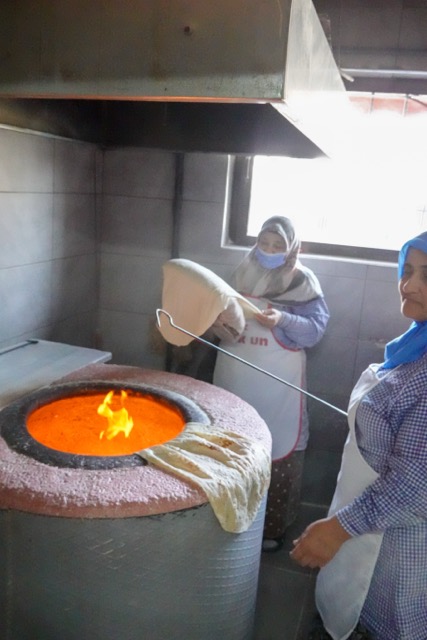
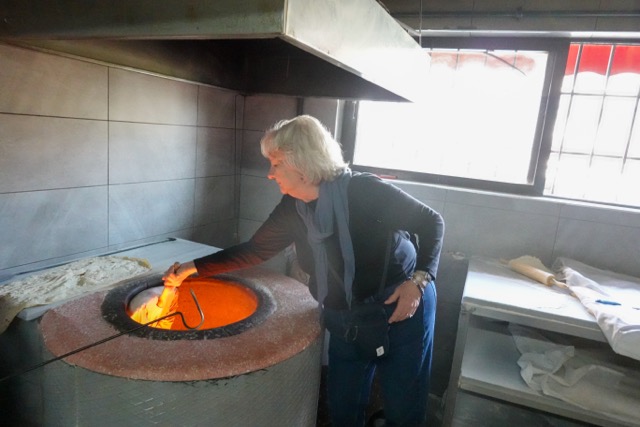
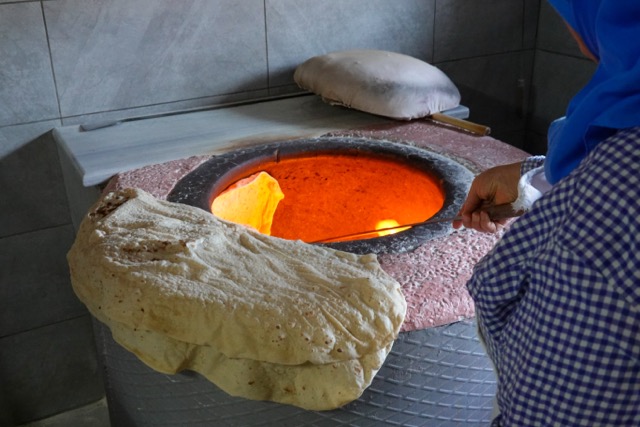
One of my small moments of euphoria came in a café where yufka bread is the specialty of the house. Yufka is an extremely thin flatbread – we might call it lavash – which is cooked in a traditional tandir oven. It’s prevalent in the nomadic tribes of Central Asia because it can be rolled up and stored for travel. The dough is stretched out paper thin, draped across a pillow like implement which is then used to smack it against the inside of the oven where it cooks for a minute or two before being retrieved by a hook. The whole process takes only minutes and is repeated by these artisan bakers hundreds of times a day to supply the demand from their local customers. It’s one of those kitchens you might suspect of existing primarily to entertain the tourists. Except there are no tourists. This is their daily bread, still created the way it has been for millennia. And so it went throughout the day, from chewy ice-cream flavored with mastika to tavuk göğsü, a dessert pudding made with chicken breast, these were the authentic foods of a Turkish neighborhood with not the slightest whiff of commercial tourism. Now we’re traveling!
Back to the Old City
The next day we crossed the Golden Horn to the historic center of empires to revisit some of the most important landmarks anywhere in the world. It was here, ironically, that we met with our greatest disappointment of the trip.
Church to Mosque to Museum to ??
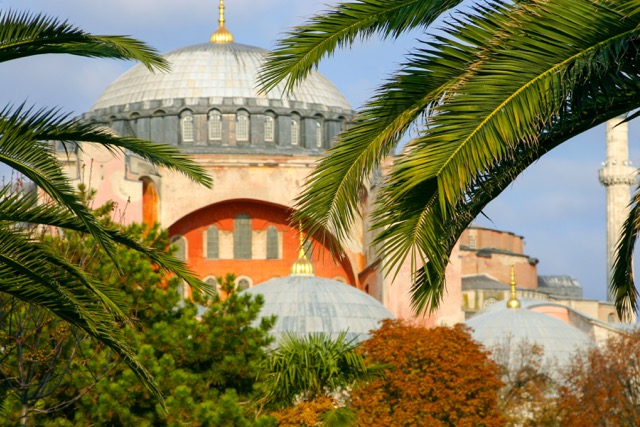
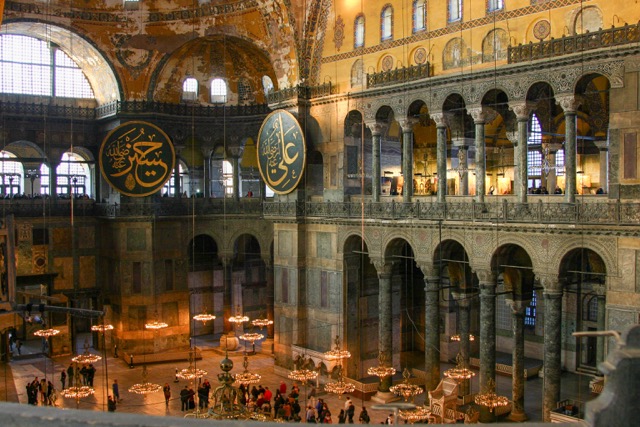
The Hagia Sophia is one of the most remarkable structures anywhere in the world. It was built to be the center of the Christian world in the 6th century by the Roman emperor, Justinian the Great. To my mind, it is the greatest bit of Christian architecture ever constructed. Of course, it’s no longer a church. After eleven centuries of Christendom, Mehmed II turned Christian Byzantium into Islamic Constantinople and with it the Hagia Sophia into a mosque. To their credit, the Ottomans did not tear the thing down and replace it (as is widely practiced by religions of all stripes) but rather recognized the grandeur and beauty they had inherited with their conquest and merely added a few minarets to provide the proper accoutrements. This state of affairs lasted another 600 years until the founding of the republic and the conversion of the church-mosque, into a museum. It was in that state that we first experienced the building back in 2012 and were completely awestruck. And so, it was with great anticipation that we returned.
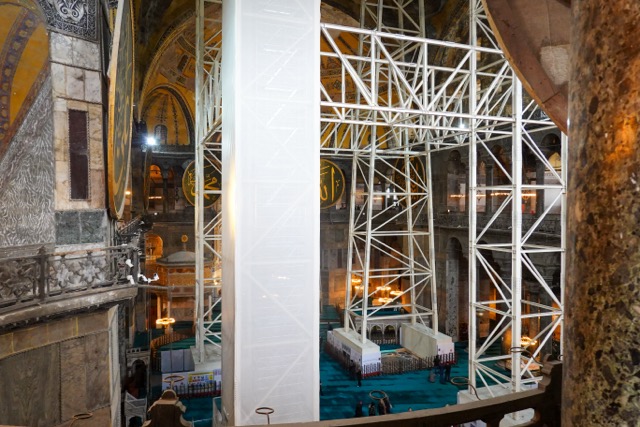
Turkey’s autocratic president, Recep Erdoğan, like the current US president, is determined to roll back history and undo all progress made toward an inclusive, tolerant society. In his case, that means returning to Islamic values and intolerance of others. To that end, he has declared the Hagia Sophia to once again be a mosque, limiting access. In addition, a structural renovation has been undertaken which has no apparent timeline for completion and no clearly defined objective. The result: for 50 euros you are permitted to enter only the upper-level gallery where you may peer into the gloom at enormous steel brace works filling most of the great domed interior. It was a shock. As Gloria, our travel companion said, “they should have just closed it.” I completely concurred and grieved the loss for the rest of the trip.
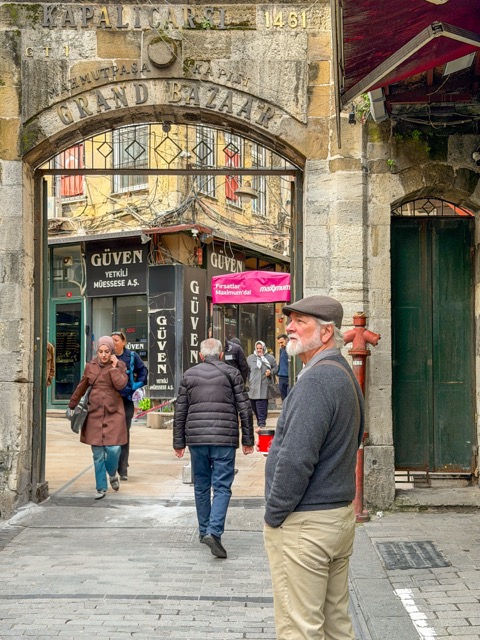
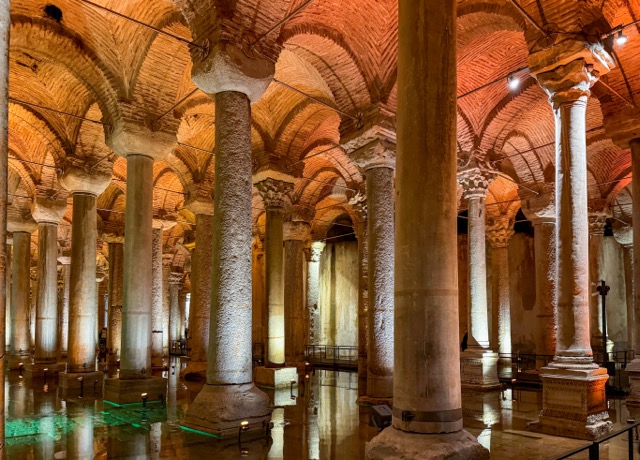
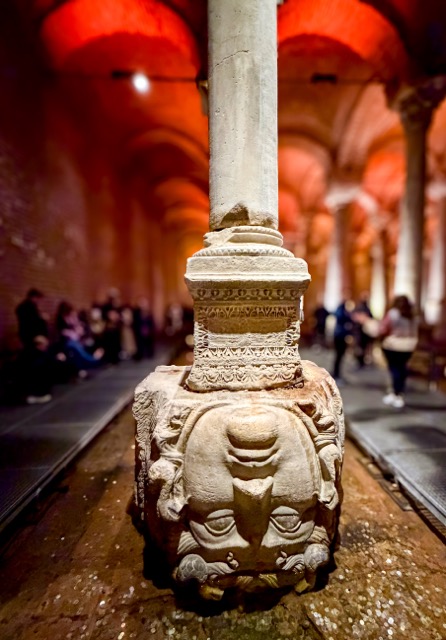
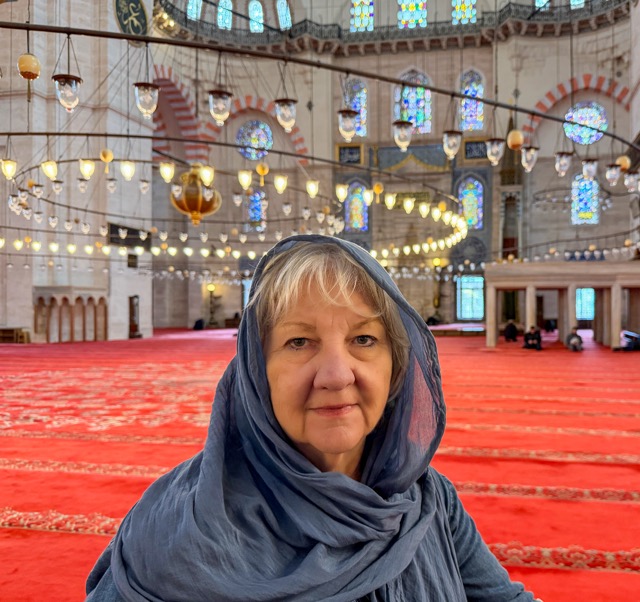
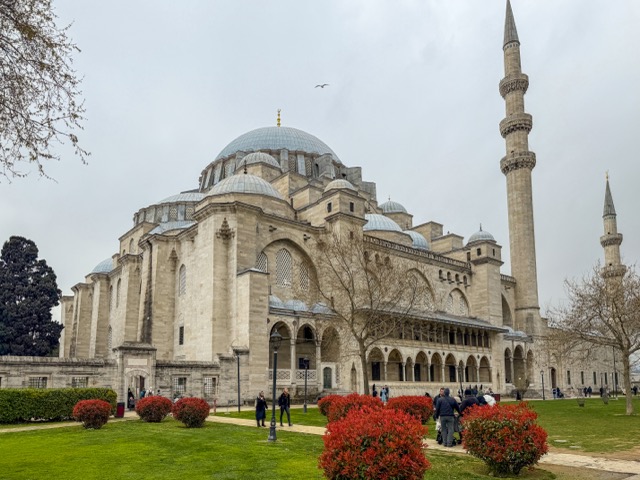
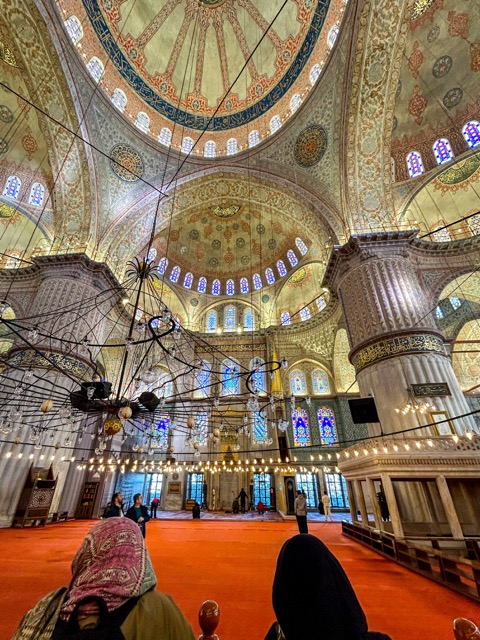
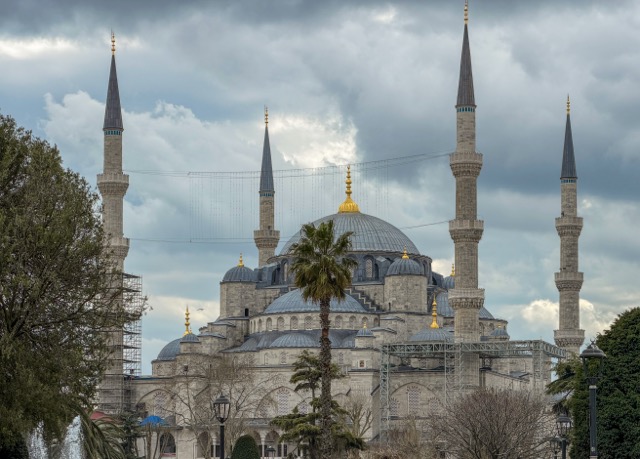
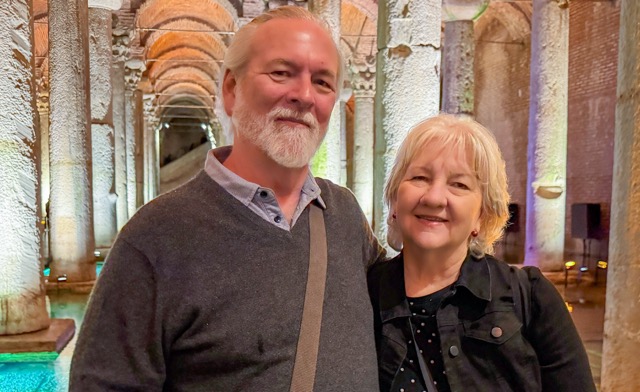
Perhaps that melancholy colored the rest of the sites we visited. The ornamentation of the Blue Mosque felt a little overdone, the awe of the Basilica Cistern faded soon after arrival, the Grand Bazaar seemed surprisingly like a modern commercial mall, and even the great Suleymaniye Mosque while still beautiful, felt a bit anti-climactic.
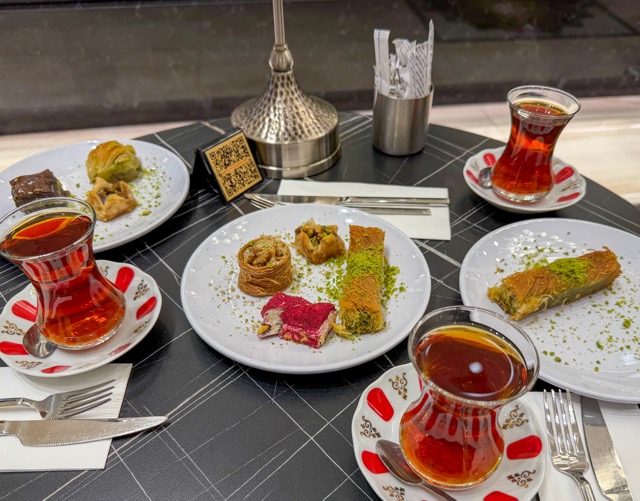
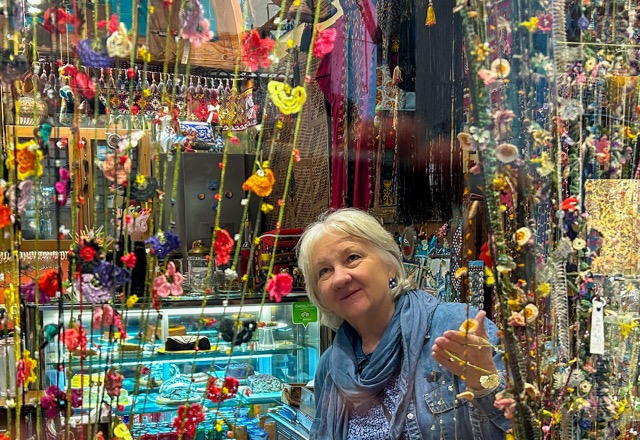
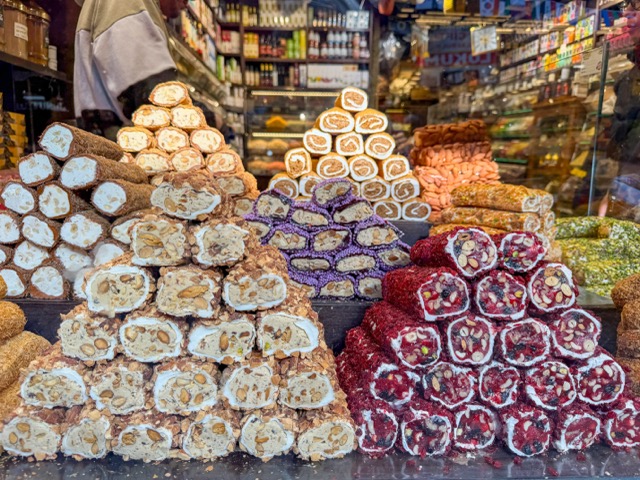
Had I become jaded by the intervening years of travel? Was I a victim of my own travel successes, or was there a more distressing cause: the need for ever greater stimulus to affect emotion – our addiction to the dopamine hit? I’m still a little unsettled by this, but I’ve adopted the most charitable interpretation for the moment. I think our focus has changed. We travel now more to experience other peoples than to collect images of landmarks. Our most cherished experiences come from time spent in places like the Kurtuluş neighborhood where we are privileged to be briefly immersed in a way of being that challenges our assumptions and comfort with the familiar. A place where we’re able to travel one more step toward a more generous understanding of all people.
To this end we travel.
Reflections on the Bosphorus Read More »