
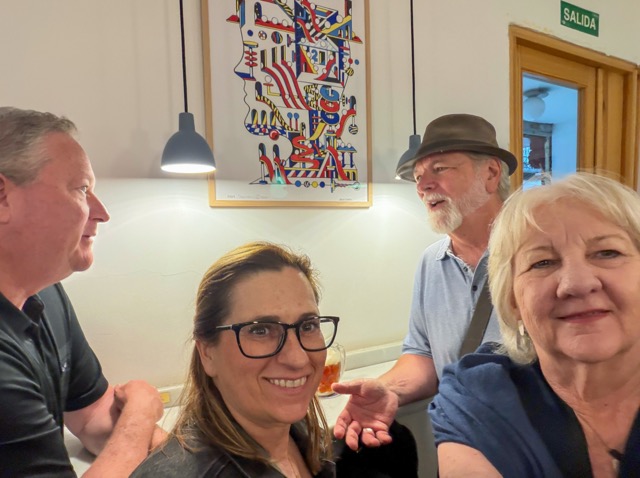
Hosting family and friends is an interesting mix of excitement and responsibility. You want them to fall in love with your hometown the way you did – but you know how much there is to show them, and how little time there is to show it.
When our cousins, Mike and Valerie, came to visit us from Oregon for a week, we realized this wasn’t going to be a slow, meandering holiday. This was going to be Spain: the highlight reel. In some ways, that made it even more special.
Seeing Our Everyday Life Anew – Bonnie
Living in Valencia, it’s easy to forget how remarkable the city feels at first glance. Walking around with Mike and Val’s fresh eyes was a welcome reminder.
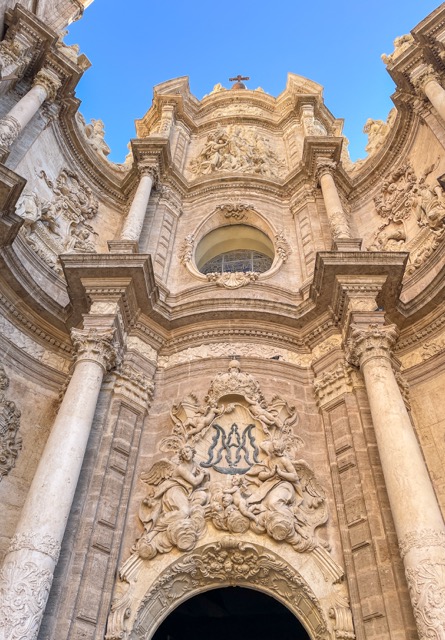
We started close to home. After a breakfast of pan con tomate, we crossed Plaza de la Virgin and slipped into the open door of the Basilica dedicated to Mary. We stood quietly, admiring the extravagant baroque detail, as the cavernous dome echoed with choral music for the Sunday mass.
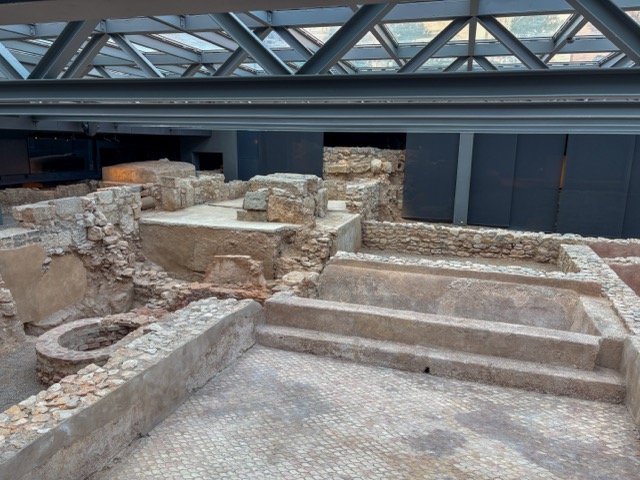
Just across the way, we descended the stairs leading down under the plaza behind the Basilica. Here the Roman ruins at the L’Almoina Archaeology Center reminded us of how many layers Valencia holds beneath its surface. Temples, baths and early Christian buildings dating back 2,000 years are all visible from a modern glass footbridge traversing the extensive archaeological site.
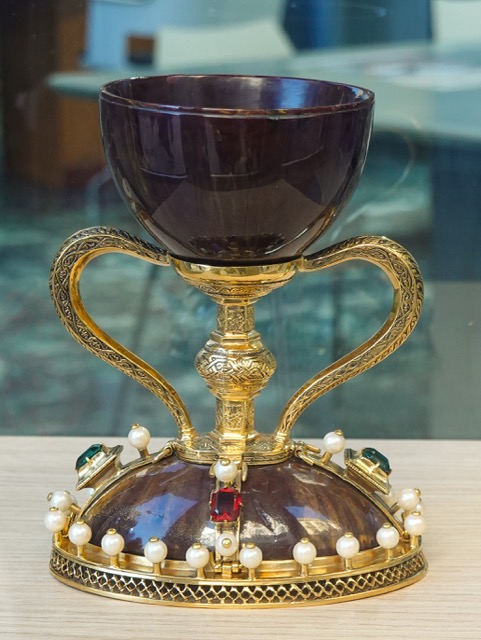
A short walk away, the Valencia Cathedral is a building that grew across centuries, merging Romanesque, Gothic, and Baroque architecture. The cathedral is home to what many believe is the actual Holy Grail – a modest agate chalice displayed with quiet reverence in a side chapel.
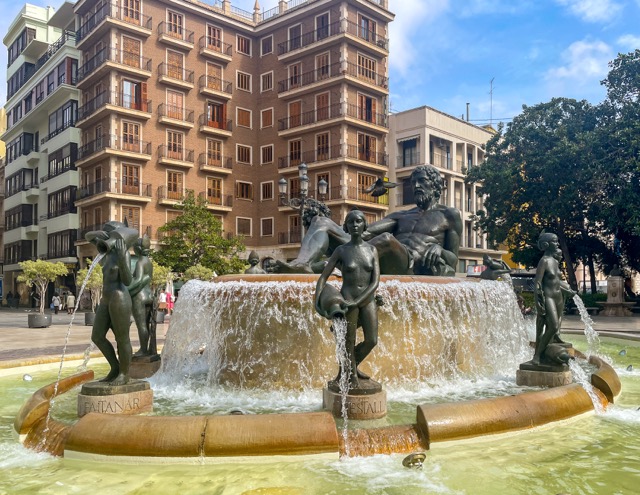
A leisurely walk through Plaza de la Reina led us to St Vicent Martir Street which is built over the original north/west road laid out by the Romans almost two thousand years ago. A few blocks later, we were at Plaza Ayuntamiento where Valencia’s monumental Town Hall and Central Post Office buildings are found. A grand fountain sits in the middle of the large square and shops and cafes line the plaza.
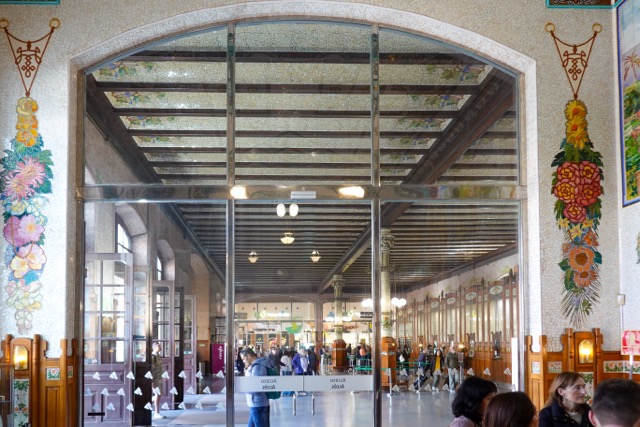
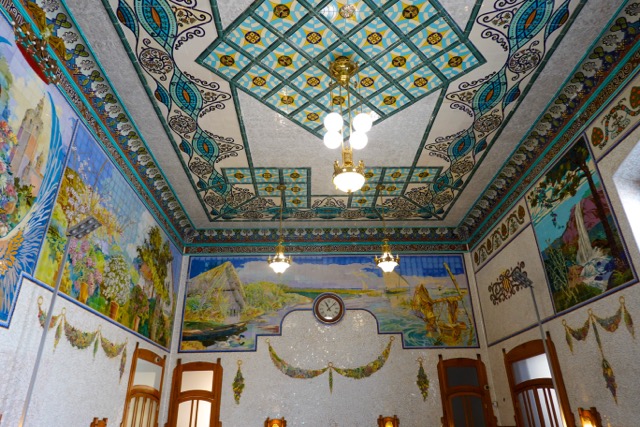
A block or so more, and we’re at Estación del Norte, Valencia’s Art Nouveau train station, facing a facade adorned with a riot of orange blossom mosaics. Its interior is a beautiful combination of stained glass, ceramics, and frescoes. Next door, we strolled around Valencia’s historic bull ring. We had recently done a Hemingway tour of Valencia and were able to share what we had learned with Mike and Valerie.
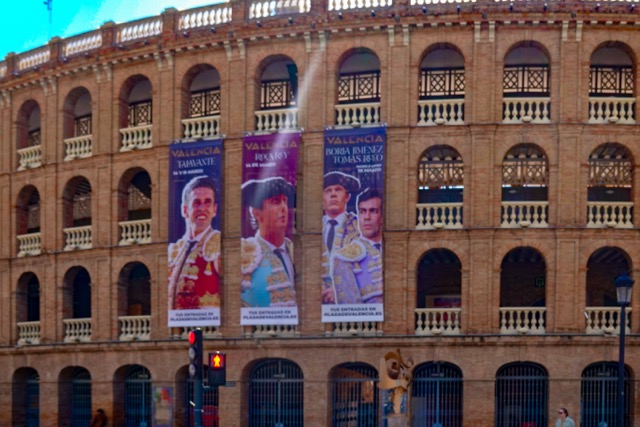
None of this is unusual for us anymore. These are places we walk by daily or at least weekly. But through Mike and Val’s reactions, it all felt new again. That’s one of the pleasures of hosting.
History Around Every Corner – Ed
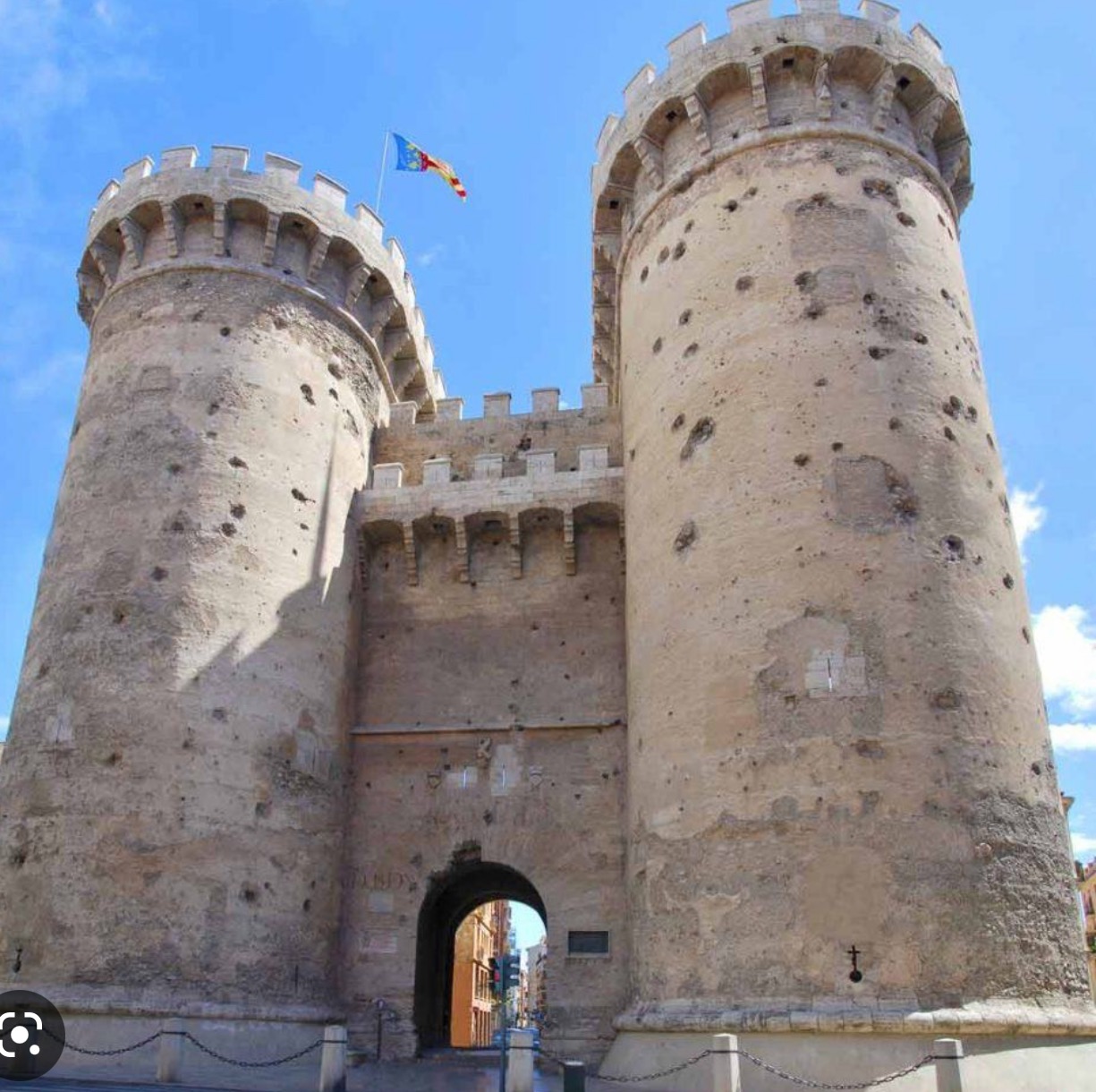
The longer we are in Europe, the more fascinated we’ve become by its history. On some level it’s a search for our own identity. Yes, we are natives of the U.S., but the roots of our cultural heritage, our way of seeing the world, and our sensibilities go back to the development of western civilization and thought in Europe over the past 2,000 years. This heritage is on full display in Spain. And, as we strolled with our cousins around Valencia, Madrid, and Toledo we were accompanied always by the stories and artifacts left by Rome’s empire, the early Christian kingdom of the Visigoths, the 700-year Muslim Umayyad dynasty, and the Catholic Monarchy that followed. Valencia’s Quart Tower, which once guarded an entry to the city, is pock-marked by cannon balls from Napoleon’s siege. Unhealed scars from Franco’s Civil War and subsequent dictatorship are in evidence all around Valencia. In some part, it was a desire to share this historic sense of Spain that shaped our brief stint as tour guides, and why we included a quick trip to Toledo, a UNESCO World Heritage Site since 1986.
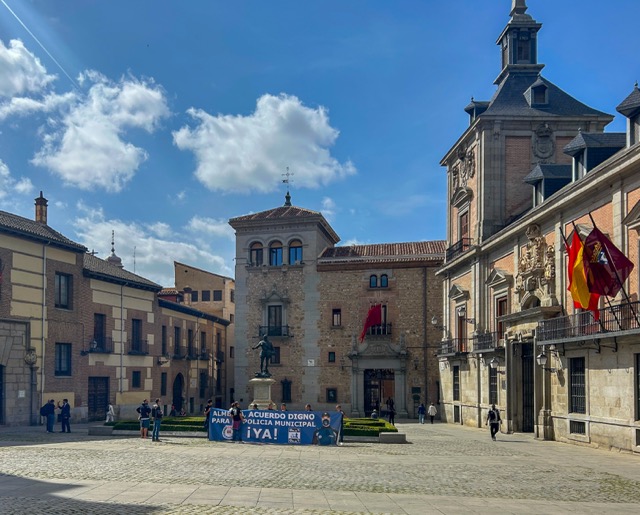
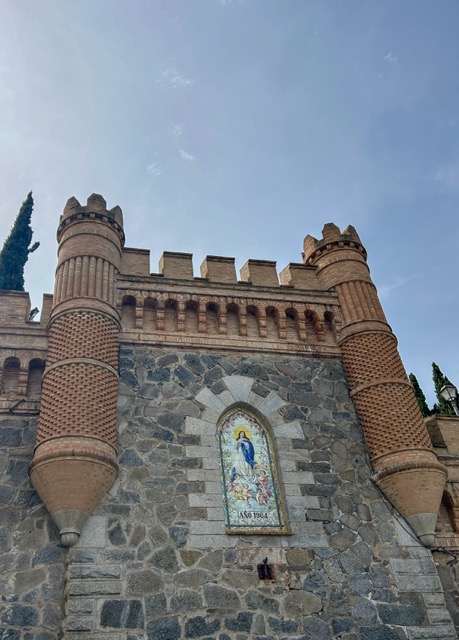
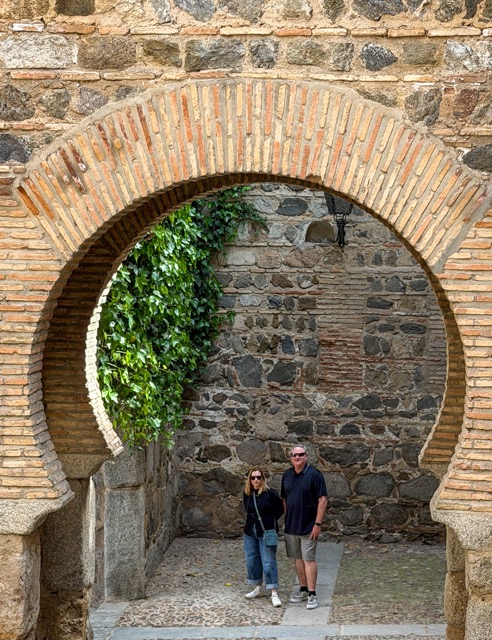
Toledo is that rare historically important European city not swallowed up by modern development. It was spared this common fate by having been deemed a national monument under the Franco regime which was keenly interested in the symbolic preservation of the city as the center of the Catholic church, one of his primary sources of power. In fact, Toledo had been a center of religious thought and study since the 6th century, hosting scholars from Islam, Judaism, and Christianity nearly continuously into the modern era. Unsurprisingly, then, you will find the quintessential example of a Gothic cathedral at the heart of the city sitting on top of a mosque which was built over an even older Visigoth church. The only variation to the story from that of our own Valencia cathedral is there does not appear to have been a Roman temple serving as the bottom layer of the cake. In the earliest days after the conquest of the city by Alfonso VI, the mosque was simply converted into a church. However, in the early 13th century the pope ordered that a new, proper European cathedral be built to replace the mosque-church.
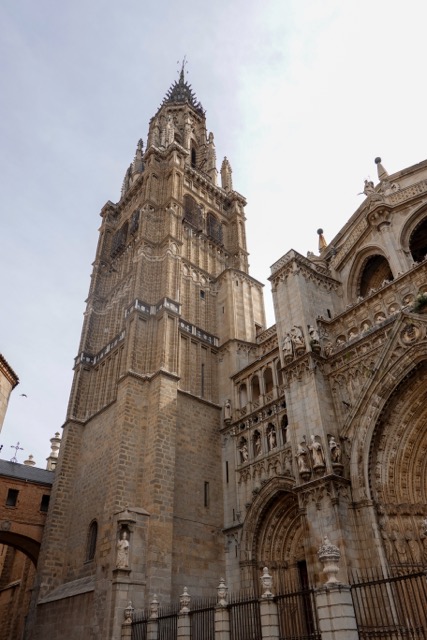
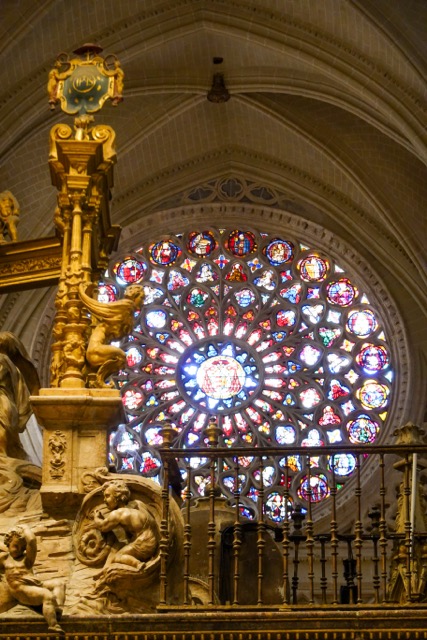
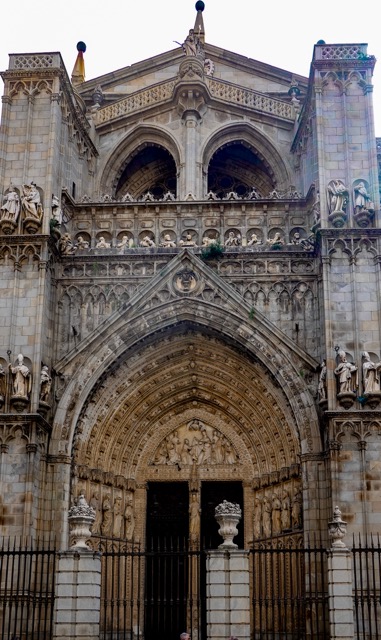
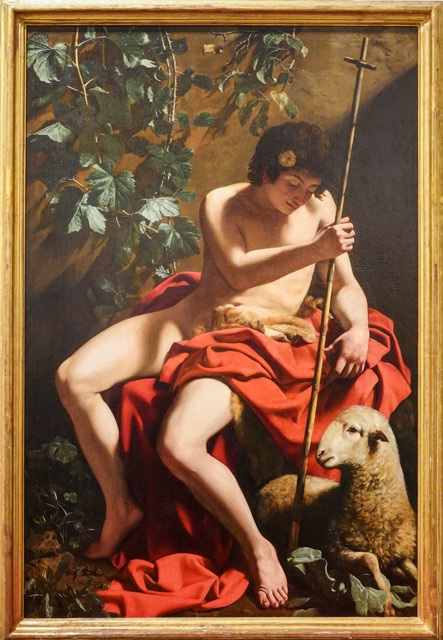
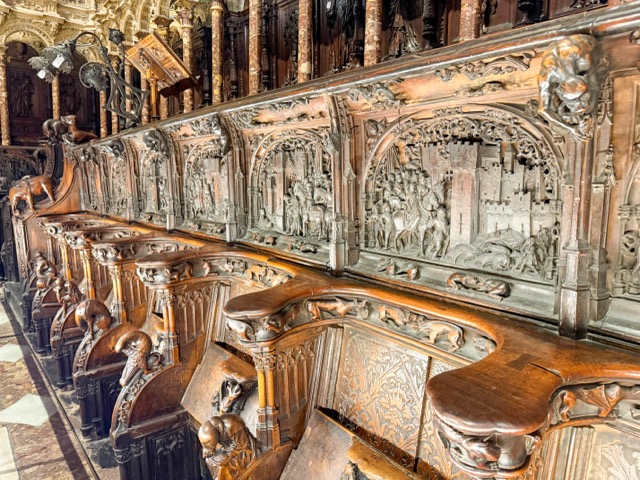
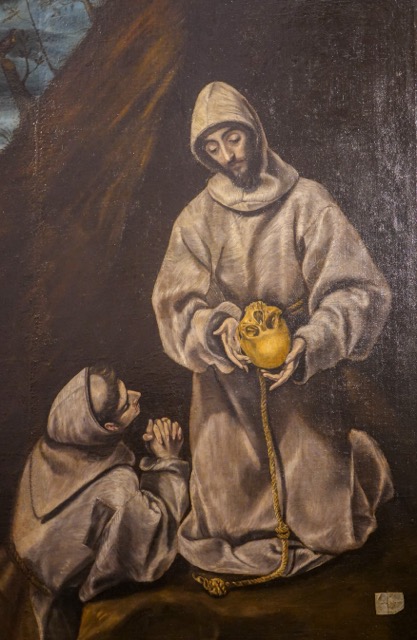
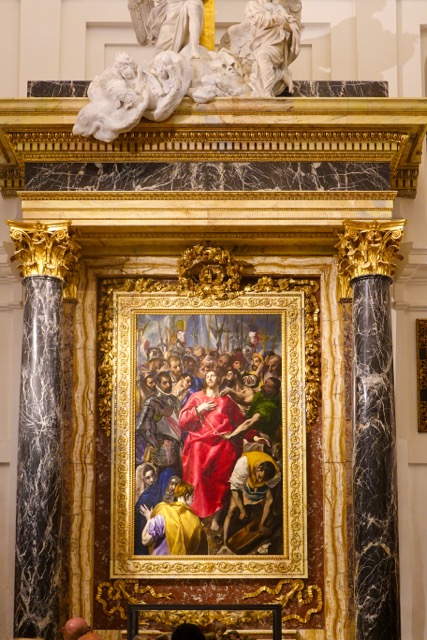
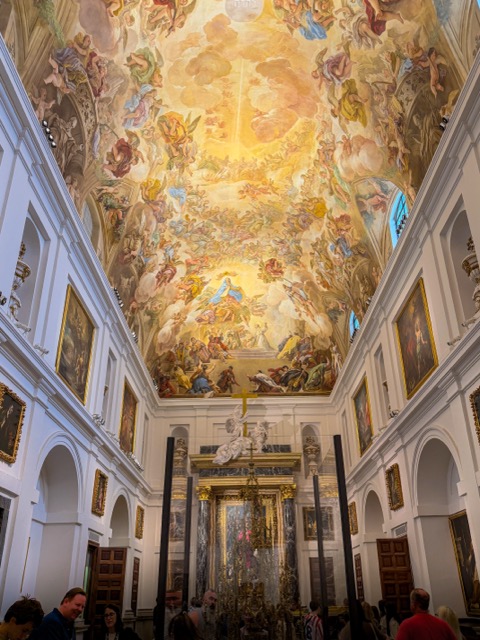
It is a magnificent structure with a dazzling interior and a thrilling collection of paintings that includes works by Titian, Velasquez, Caravaggio, and many others. However, the most extensive are works by El Greco. This was a wonderful discovery for us, having come to Toledo ignorant of the fact that this master, who produced a style of painting in the 16th century that would have been perfectly at home in the 20th, had made the city his home from 1577 till his death in 1614. The best of his work was created here and many of these pieces are in the collection displayed in the cathedral, highlighted by The Disrobing of Christ which is given pride of place and the most spectacular framing I have ever seen. Wow. Had not been expecting that!
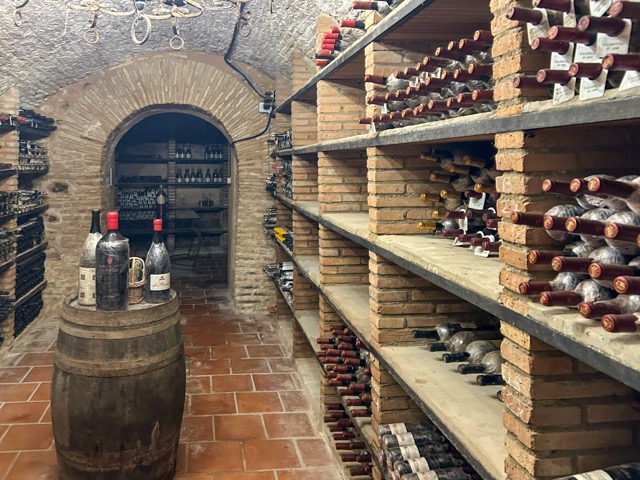
We reluctantly left the cathedral and made our way to lunch which proved to be another opportunity to reach into the past. Adolfo Restaurant occupies a building from the 12th century. In addition, Adolfo are the owners of a wine cellar located in a cave complex from the 9th century that they have been gradually uncovering and excavating. It turns out there is a subterranean element to Toledo that incorporates a variety of myths and legends involving secret Jewish rites, the machinations of the Knights Templar, and even a few Roman gods with their own underground sanctuaries. Before we could be seated for lunch, we were treated to a tour of the wine cellar of which the Adolfo is justly proud.
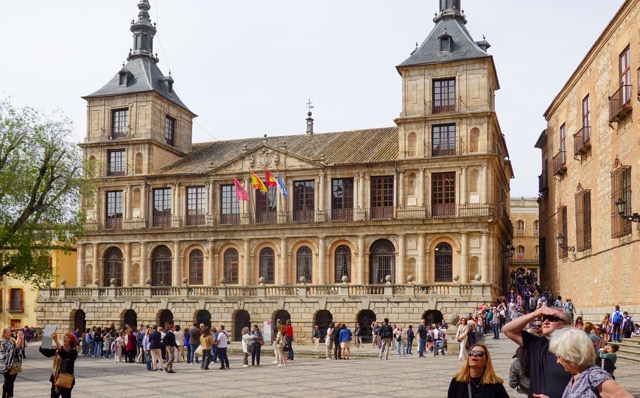
We completed our stroll through this microcosm of Spanish history with a leisurely walk past the great Alcázar (now a museum), passing out through a gate in the city wall, winding our way down the hill, across the Tagus River on the Alcántara Bridge to the base of the great castle built by the Knights Templar where we stopped to gaze back at the ancient capital city.
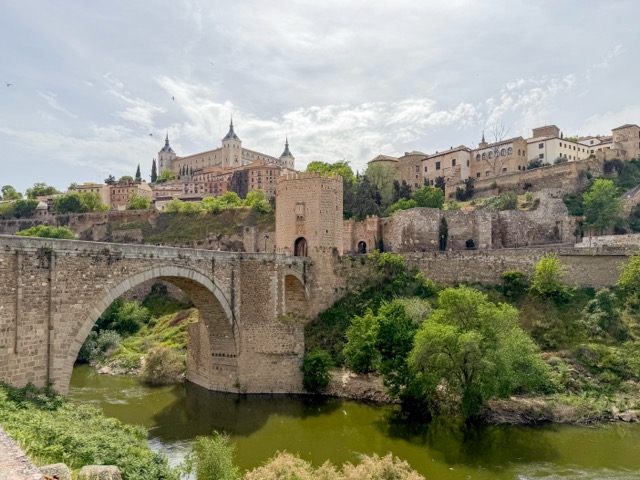
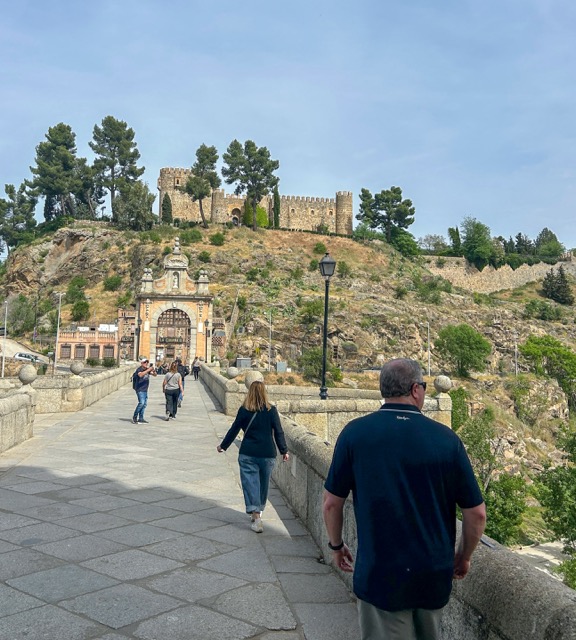
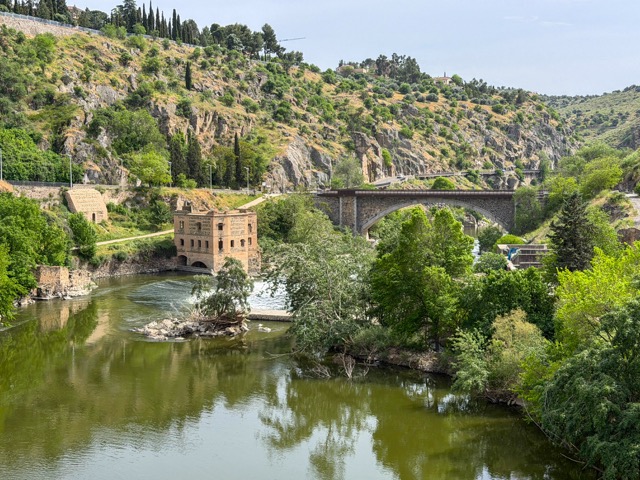
It was a fitting end to the week and a whetting of the appetite for a return visit.
A Very Modern Spain – Bonnie
For all the history, there are just as many moments that challenged expectations.
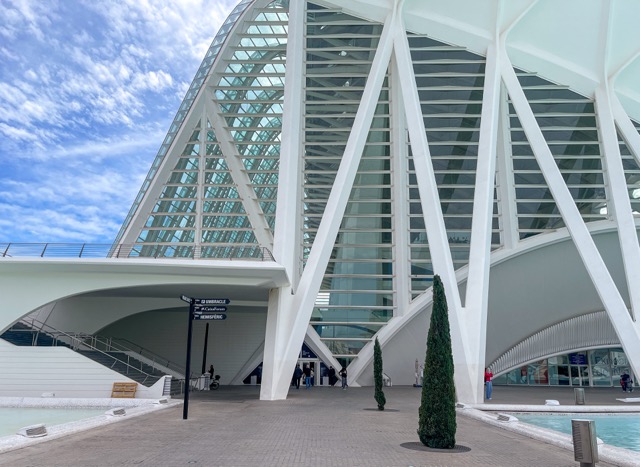
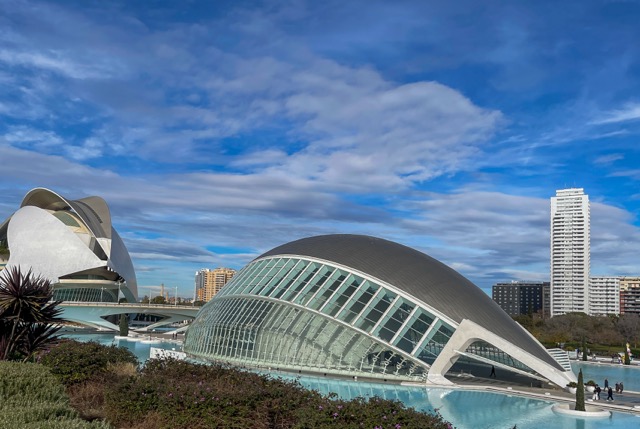
Santiago Calatrava’s City of Arts and Sciences shows off Valencia’s other side. The futuristic complex of glittering white ceramic tile and glass with dramatic curves, angles, and reflecting pools feels like landing on another planet. The contrast with the Roman ruins we stood among that morning was almost surreal and at the same time, intentional. Valencia isn’t content, it seems, to be just one thing.
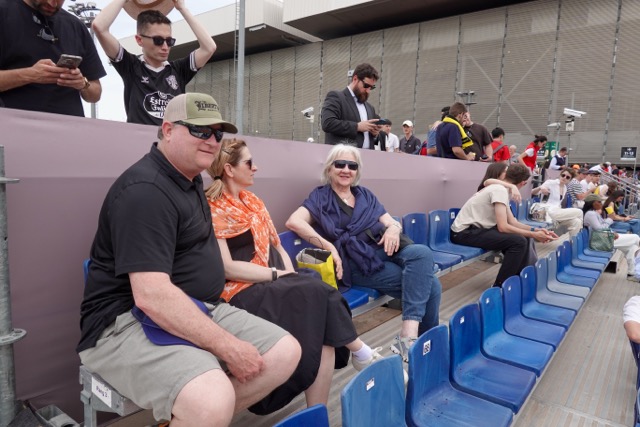
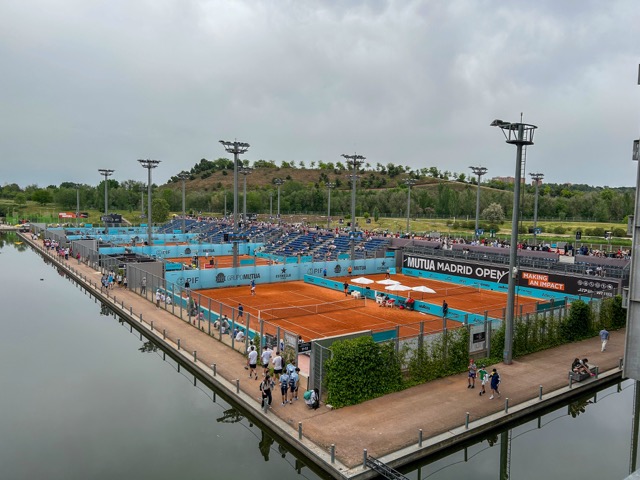
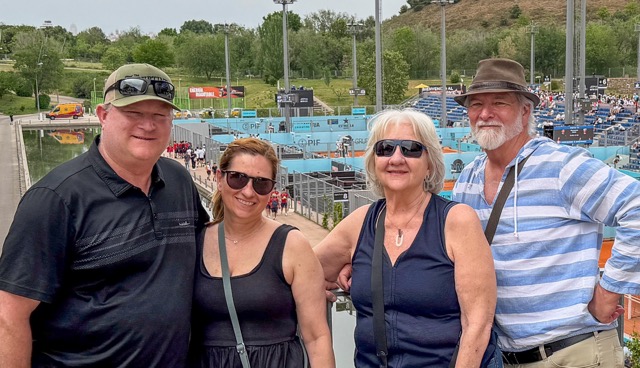
In Madrid, one of the weeks biggest highlights was a day at the Madrid Open. For Mike and Valerie, this was pure joy – world class tennis in a sleek, modern atmosphere. We were happy spectators, though we had a significant advantage in understanding what we were watching: Mike turned out to be a walking tennis encyclopedia, offering running commentary on players, rankings, and historical context that made every minute more interesting. We are not sure we would have appreciated it half as much without him.
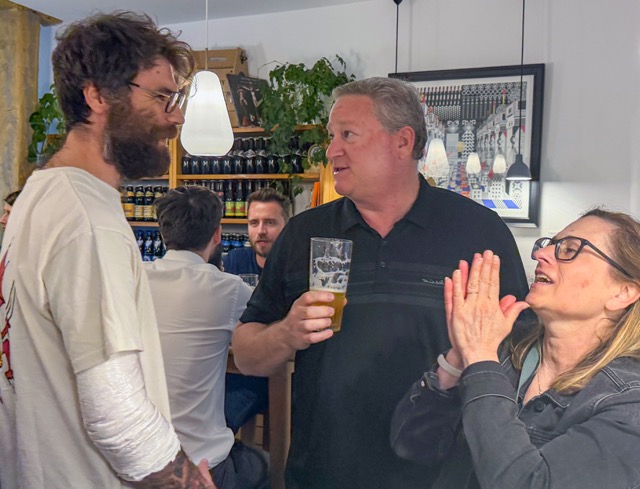
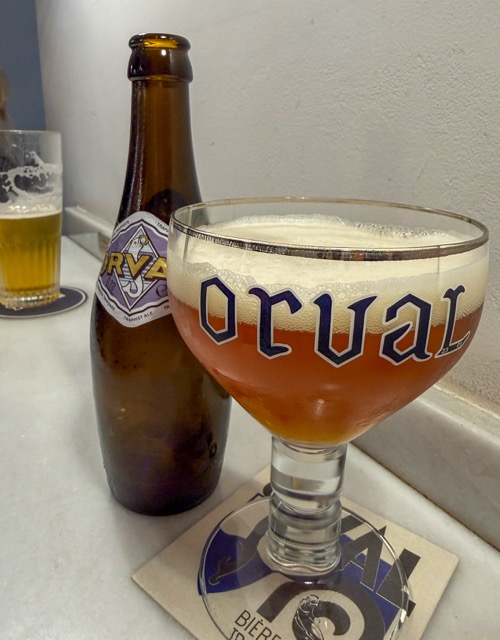
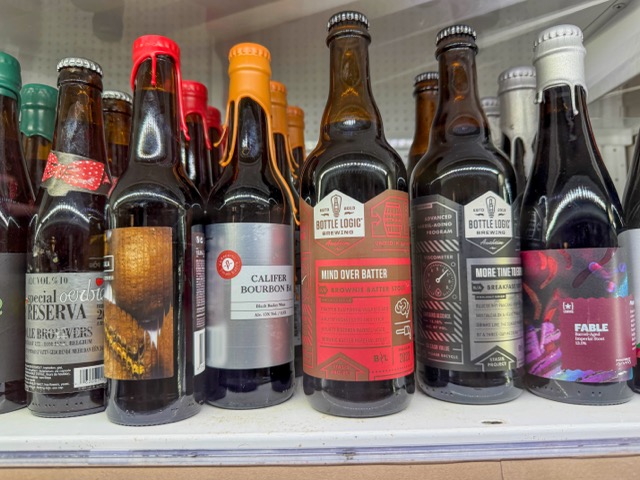
Later, we explored Madrid’s craft beer scene at Be Hoppy and Wild Brew Pizza. Mike was delighted to find familiar American brews alongside intriguing Spanish pours. Ed even found a rare Trappist bottling that turned out to be the hit of the night. These moments added a different layer to the trip – one that goes well beyond any postcard version of Spain.
Culinary Main Streets Tour – Ed
Of course, as good tour guides, carefully curating our guest’s experience of authentic Spanish cuisine was a mandatory assignment. And since it is one of our obsessions, we flew to the task with gusto. Covering the subject with ruthless efficiency, we subjected Mike and Val to a rigorous regime of late lunches and later dinners, multiple bottles of wine from various regions, and tapas of all varieties that we hoped would leave them with a full appreciation of Spain’s food traditions. Beware, those of you who would follow in the cousin’s footsteps – it’s a lot!
The first priority was to experience excellent tapas – the ubiquitous small bites that have come to define Spanish cuisine around the world. One must, however, be discriminating as to quality. Trust me when I tell you that tapas range from barely edible to divine. As it happened, our first night with Mike and Val coincided with a plan by a group of our expat friends to go out carousing (a drag show was involved). So, we arranged for a late-night tapas experience at one of our favorite spots, Clann Bar, where the calamari a la plancha con ajo y perjil is worth flying to Spain for all by itself. Fourteen of us raised our glasses and shared small plates into the wee hours. Welcome to Valencia, cousins!
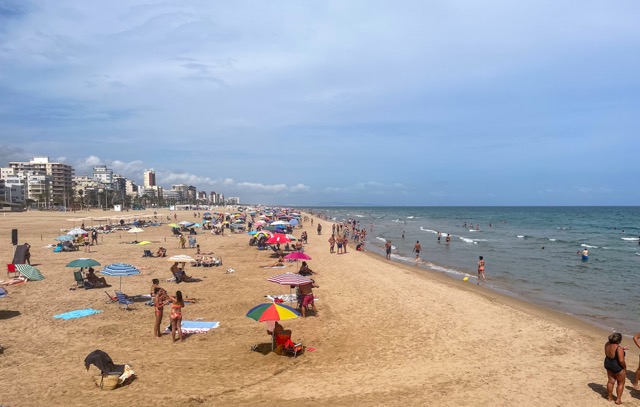
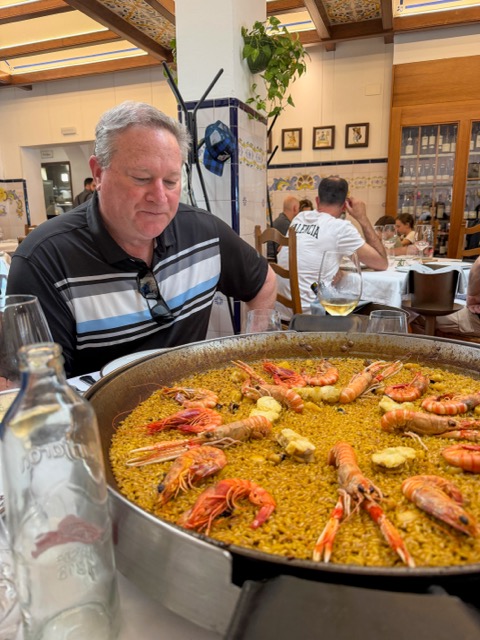
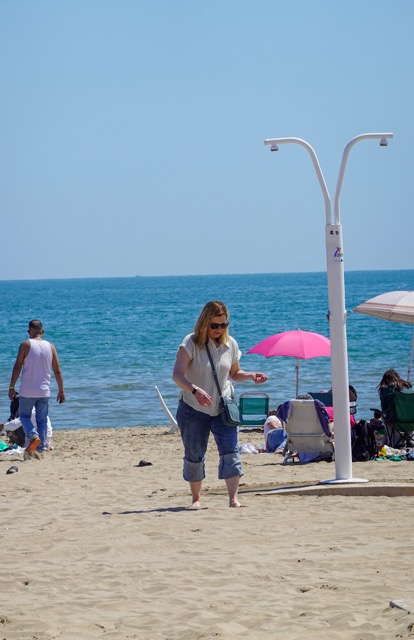
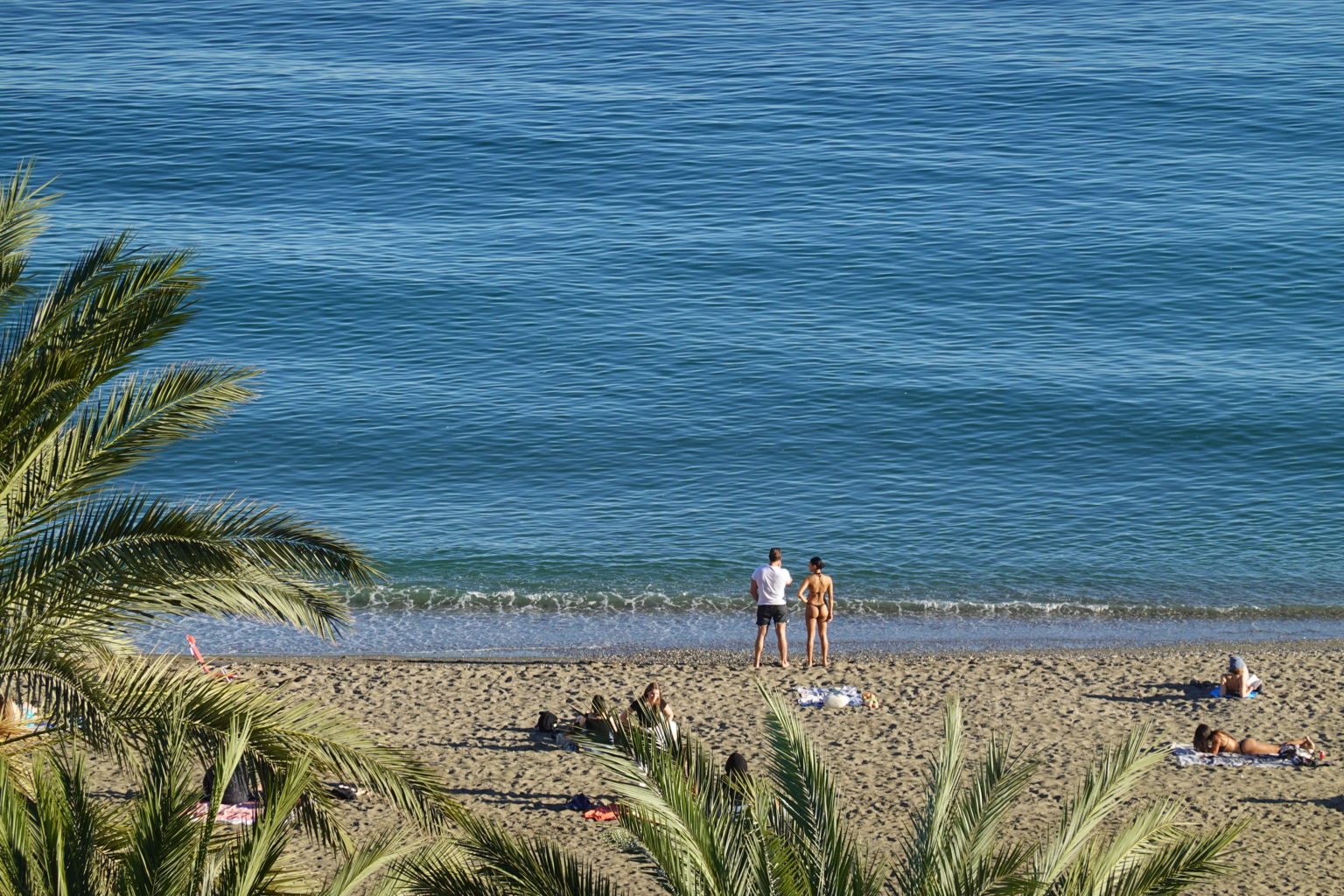
Some of you may know that Valencia is where the great rice dish, paella, originated. So of course, a great paella was the next requirement. We headed off to the beach next day to one of our favorite lunch spots. (Paella is never eaten at dinner by Valencians. They just roll their eyes at all the tourists ordering paella in the evening.) A proper paella, in the Valencian tradition, must have several non-negotiable elements. First, the grain must be from the Albufeira estuary region just south of the city center where the short, fat bomba is the primary cultivar as it has been since the Muslims introduced rice cultivation in the 10th century. Second, paella must be cooked over a wood fire. Really. Valencians insist that only a wood fire imparts the complex combination of flavors to lift the dish to epicurean standards. Let me assure that finding a paella restaurant still using wood fires is not an easy task. And, finally, it must have the intensely flavored caramelized layer of scorched, crispy rice called socarrat lining the bottom of the pan where determined scraping with the serving spoon will yield the most amazing, tasty bits. Casa Carmela across from our primary beach, Playa de la Malva-rosa, has been a mainstay of paella lunches for over a hundred years and checks all of the boxes. After a series of succulent morsels of raw shrimp and fish, two bottles of Albariño, and a satisfying paella mariscos, we all yearned for siesta. Que bueno!
To round out the Valencia portion of our food tour, we took Mike and Val to the Mercat Central where I do our regular grocery shopping, and where tens of thousands of tourists get in the way of that shopping. It was a bit surreal to find myself, after more than three years of complaining about the gawking crowds, simply wandering around the more than 300 stalls and vendors, adding to the irritation of the locals trying to gather their groceries. Regardless, I never get tired of the place.
Content that we had begun the gastronomic portion of our tour well; we headed off to Madrid in search of more elevated experiences. It was an unplanned moment that saw us ducking into Restaurante Botin, just off the Plaza Mayor, at the heart of old Madrid to experience a dining tradition that began in 1725. That’s right, the oldest restaurant in the world (according to Guinness). Somethings get better with age, of course, and this restaurant may be one of them. We all selected from a different section of the menu and every dish was excellent, but Bonnie’s suckling pig was a highlight. Unbelievably moist and tender, with a crisp, burnished copper skin, it has been a house specialty since well before the American revolution.
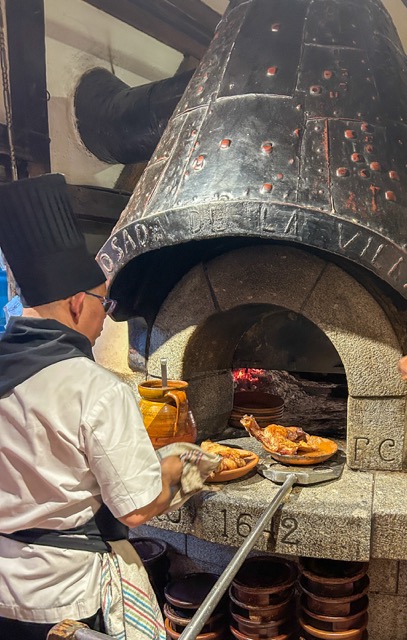
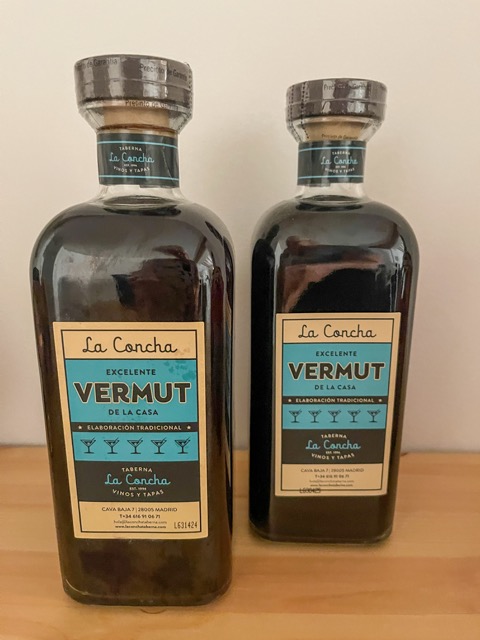
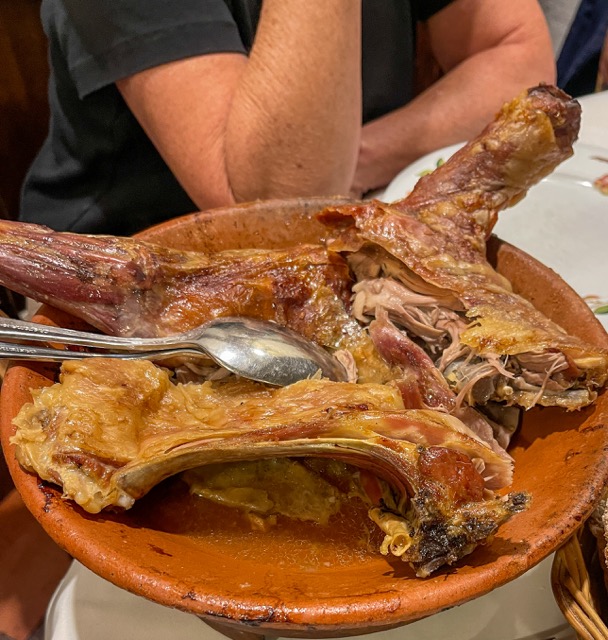
“We lunched upstairs at Botin’s. It is one of the best restaurants in the world. We had roast young suckling pig and drank rioja alta. Brett did not eat much. She never ate much. I ate a very big meal and drank three bottles of rioja alta.”
Ernest Hemingway – “The Sun Also Rises” (1926)
In my opinion, no visit to Spain would be complete without experiencing Flamenco. Now I understand that this is not a universally beloved genre of entertainment, just as, for example blues or opera are not everyone’s idea of a great evening. However, since our first visit to Madrid nearly a decade ago, I have been repeatedly seduced by the passion, romance, and soul searing emotion of Flamenco. The high church of Flamenco in Madrid is the Corral de la Morería where we were not only privileged to see and hear some of the best Flamenco artists in Spain, but also enjoyed a tasting menu prepared by a Michelin starred chef!
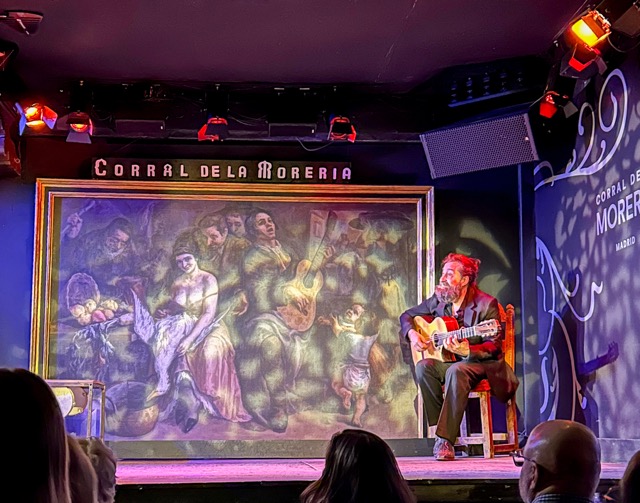
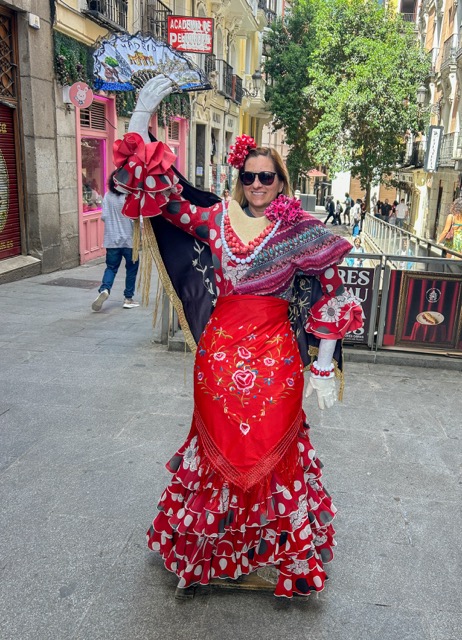
It’s a complex dance and music tradition whose origins can be traced to evening campfires among the Roma of southern Spain. These nomadic people began arriving in the Iberian Peninsula sometime in the 13th or 14th century from Northern India and in Andalucia they encountered the rich musical traditions of the Arabs. New, creative expressions of music began that combined the musical scales and rhythms of India, instruments and songs from Arab-Andalucia, local Sephardic traditions, and North African roots. These elements percolated for centuries before settling into a complex system of rhythm, dance, singing, and dearest to my heart, classical guitar. The elements are simple: a guitar, a small platform to receive the rhythmic steps of the dancer, a singer. The performers stand quietly, contemplating life’s losses and disappointments, reaching for their emotional core. The guitarist begins a haunting prelude that slowly builds until the artists can no longer contain their pain, and raw emotion is released in a controlled wail of sound and motion. That’s Flamenco. And it thrills me every time.
The Pace of It All – Bonnie
Fitting Valencia, Madrid, and Toledo into a single week meant one thing: this trip moved fast.
There’s always a low-grade tension when hosting visitors. The instinct—on both sides—is to see everything, to make the most of limited and expensive vacation time. But living here has gradually taught us that Spain is best experienced slowly: long meals that drift into the afternoon, unplanned detours down unmarked streets, time to simply sit with a glass of something cold and watch the city go by.
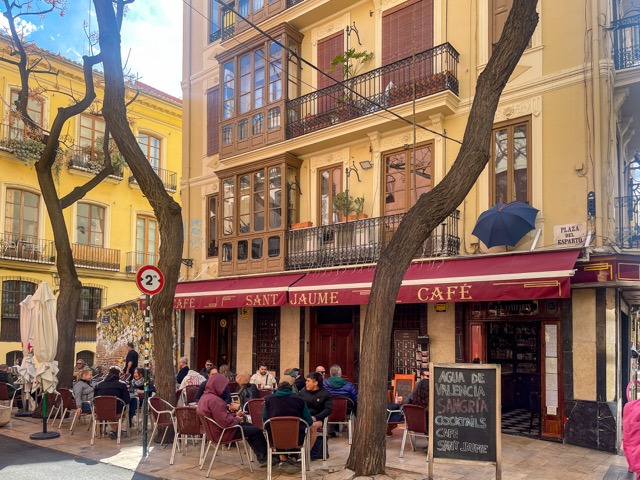
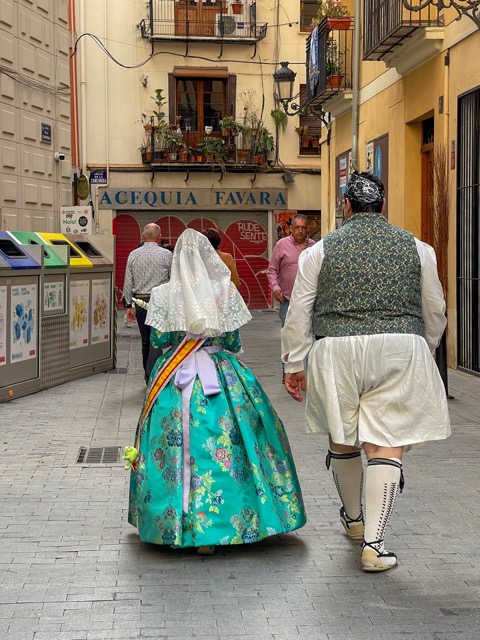
This trip leaned toward the “see it all” end of the spectrum. And that’s okay. It’s the reality of transatlantic travel, and there’s something wonderful about the energy of a week when every day feels full. But it does leave you thinking about what gets missed—the corners you don’t turn, the conversations that don’t happen because you’re checking the time.
Until Next Time
By the end of the week, we’d covered a lot of ground: Roman ruins, royal cathedrals, tennis matches, flamenco, wine cellars, wood-fired paella, and more exceptional meals than we could count.
But like any good trip, it also felt incomplete—in the way that only a place with real depth can feel incomplete. There’s always another neighborhood, another long lunch, another hidden corner just beyond where you went. That’s exactly why we’re hoping this wasn’t a one-time visit.
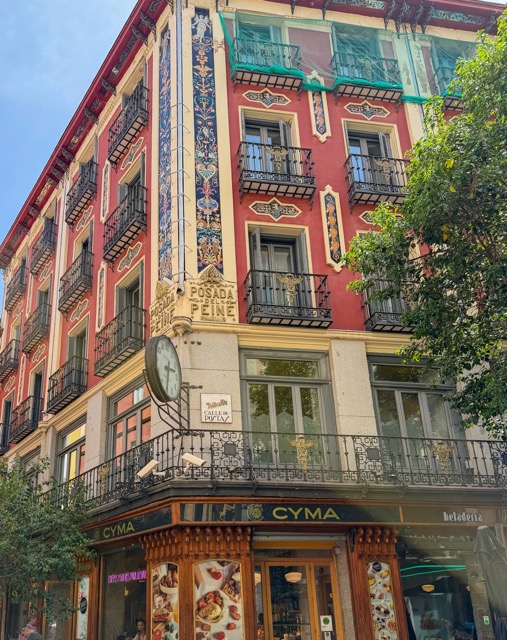
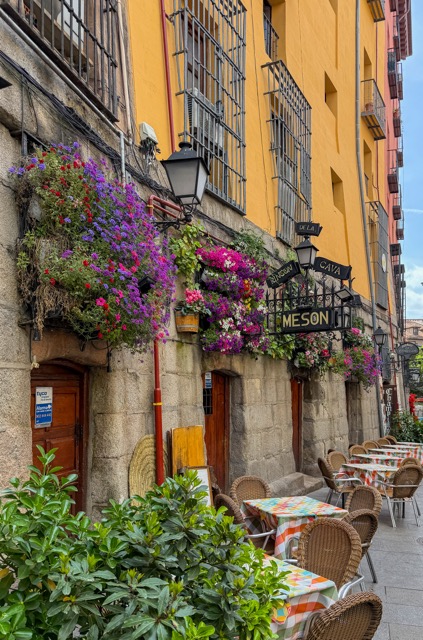
Spain has a way of drawing people back. Next time, maybe we’ll slow it down a bit. Sit longer. Wander further. Let the days get a little less structured. We’ll keep the paella, though.

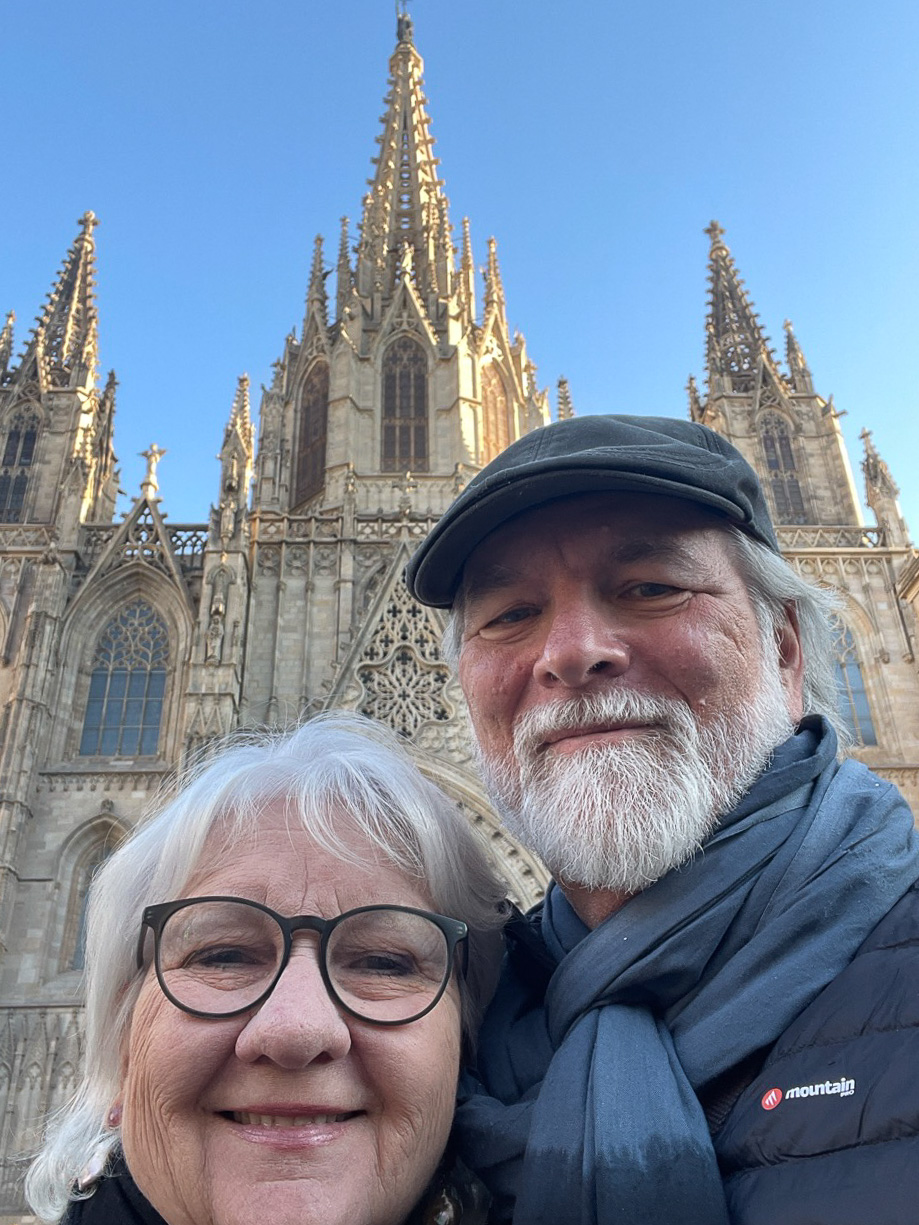
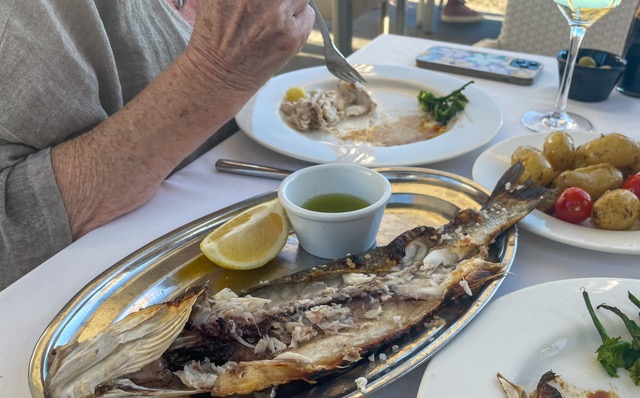
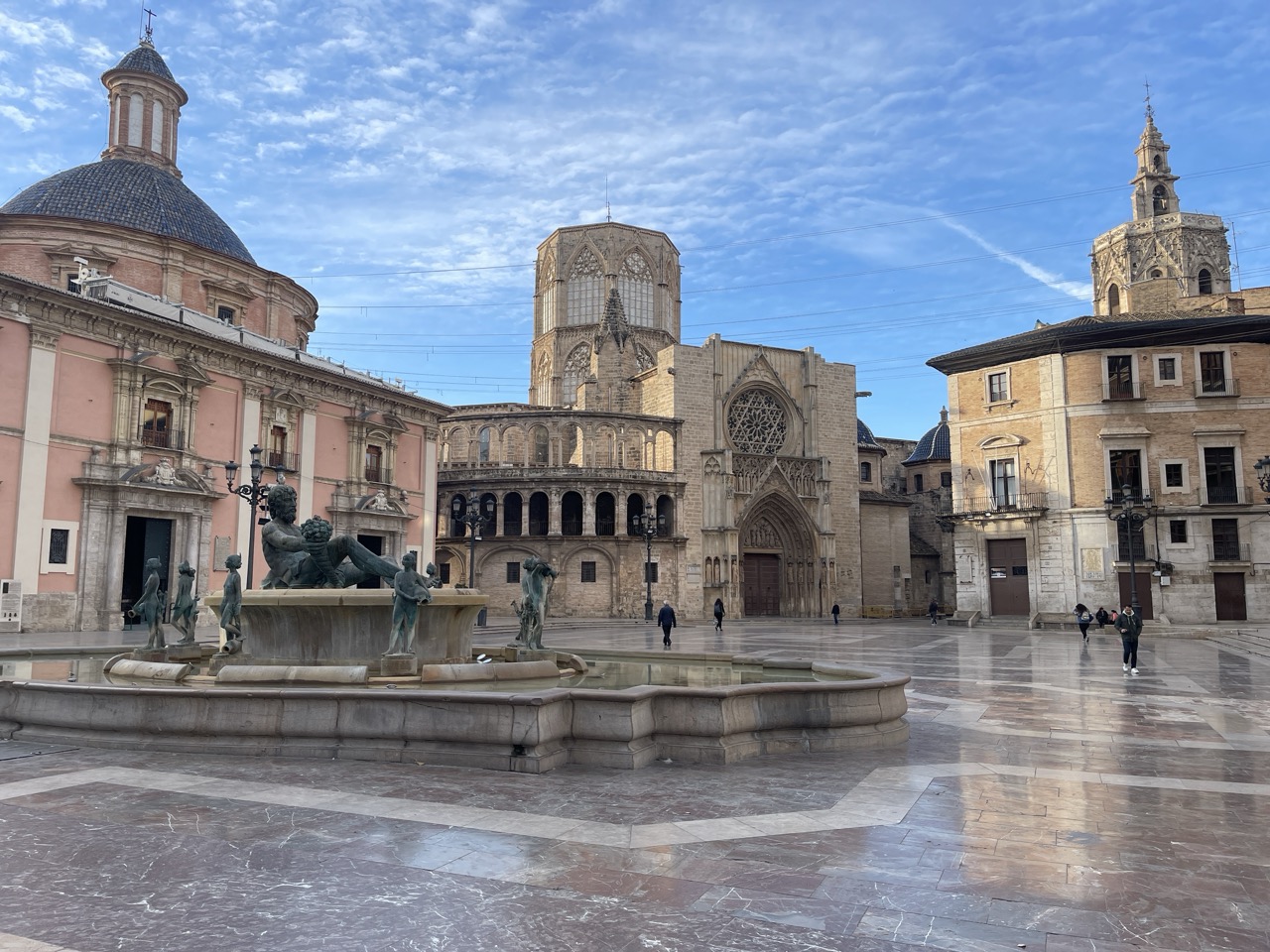
This post brought tears to my eyes with all the memories! What a trip and we were so lucky to have you as the most amazing hosts! You bet we’re coming back, next time for a longer, more leisurely trip. Thank you for enriching our lives. Hasta la proxima!