
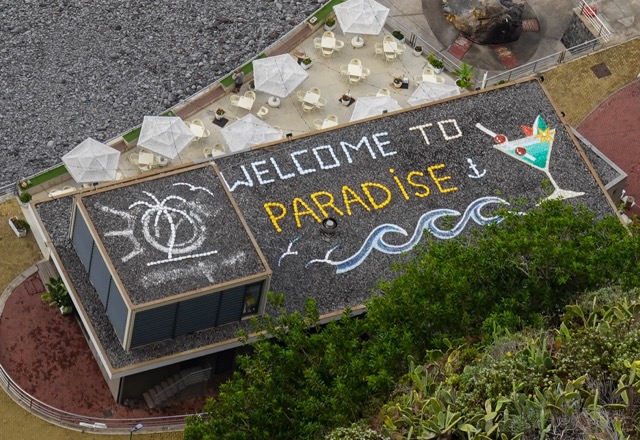
Touchdown in Madeira
It’s a volcano. A vast undersea mountain with only the top rising from the sea, and like most mountains, it’s a rugged, irregular landscape of peaks and gorges that reach right down to the shoreline. So, our introduction to Madeira began with a minor adrenaline rush. As the plane swooped in low over the Atlantic, it felt like we were landing on a cliff edge – which, it turns out, we were. As the 737 settled into the final approach, we looked out the starboard windows to see a massive cliff streaming by seemingly just a few meters off the wing tip. On the port side, there was nothing to see but the vast blue Atlantic. Later, we learned that the Funchal Airport runway is considered one of the most difficult in the world — pilots need special training to receive certification to land there. Thankfully, that little detail was revealed after landing when it was a bit easier to digest.
The drama soon gave way to familiarity. Arriving in Funchal (Madeira’s capital city), we stepped out of the taxi into the soft island air and onto that beautiful, patterned black-and-white stone paving we’d loved in Lisbon and Porto. It was a quiet little “welcome back to Portugal” under our feet.
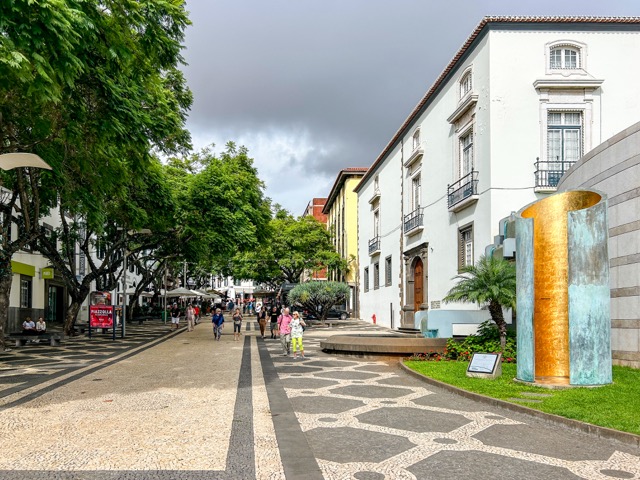
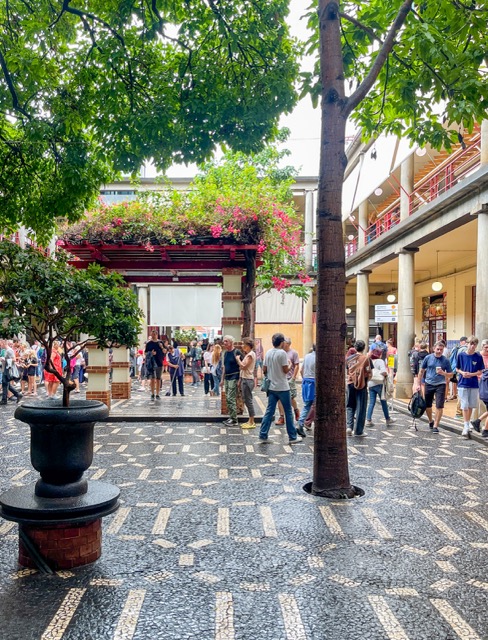
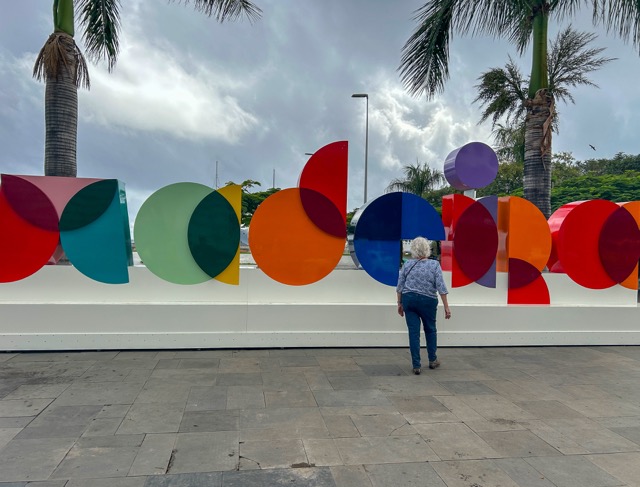
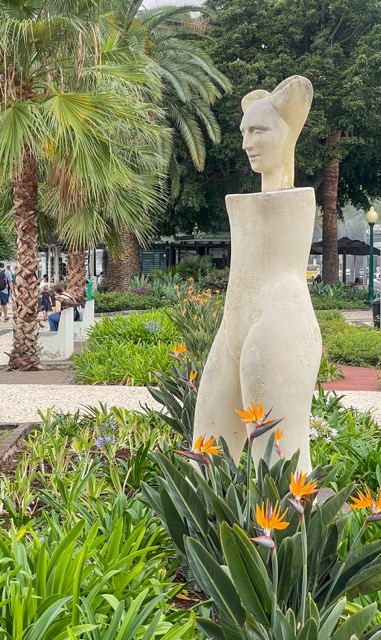
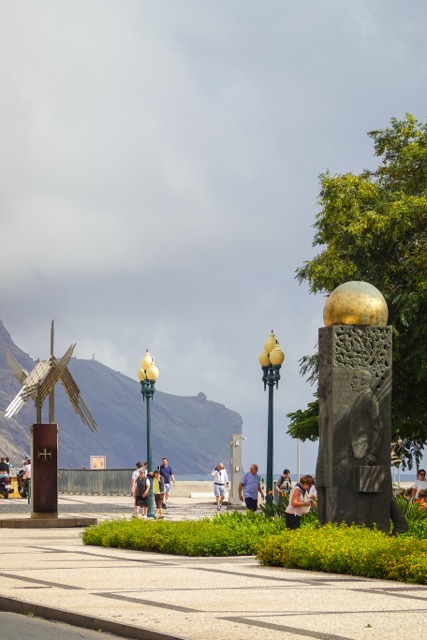
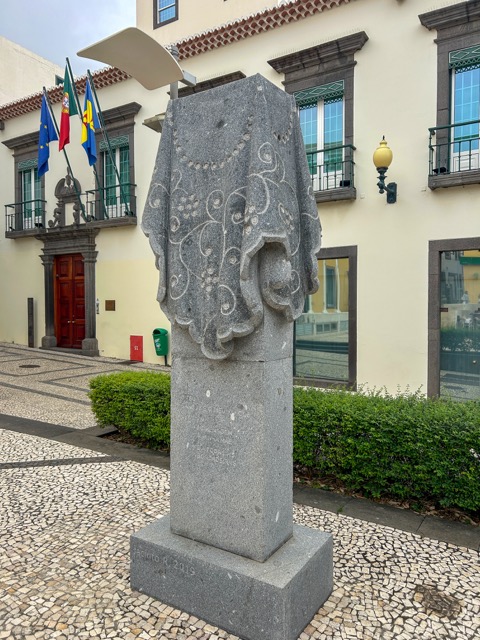
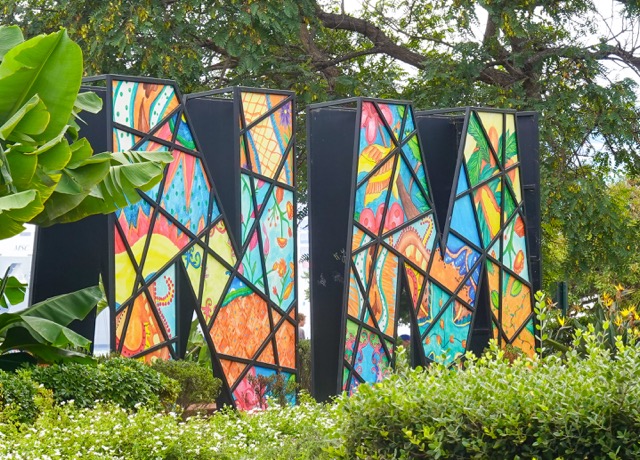
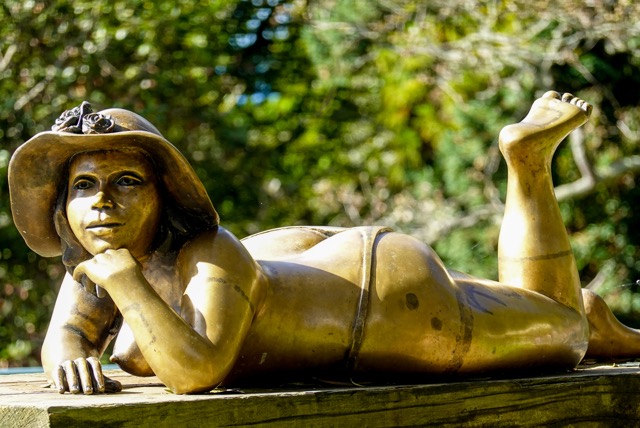
We arrived too early to check in, so we stashed our bags and headed out to explore. Funchal immediately charmed us: cobbled streets, flowering shrubs, the hum of cafés, and a waterfront dotted with public art that felt like an open-air gallery. When we finally checked in later that afternoon, the sea breeze and general vibe of Funchal sealed it: we were going to like it here.
A Market and (of course) a Food Tour
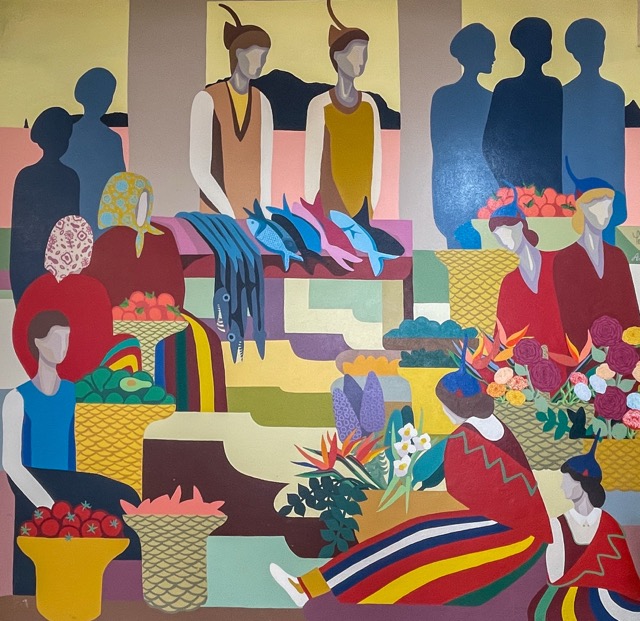
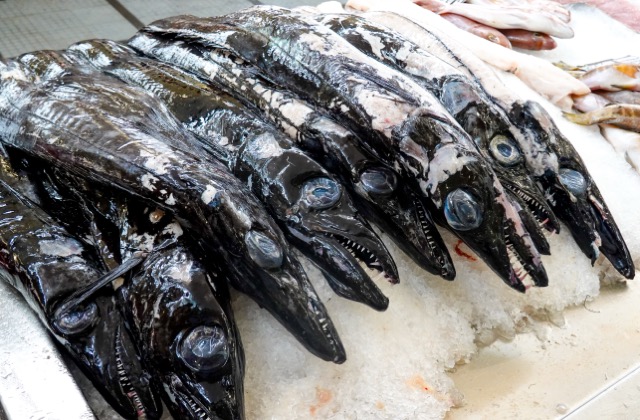
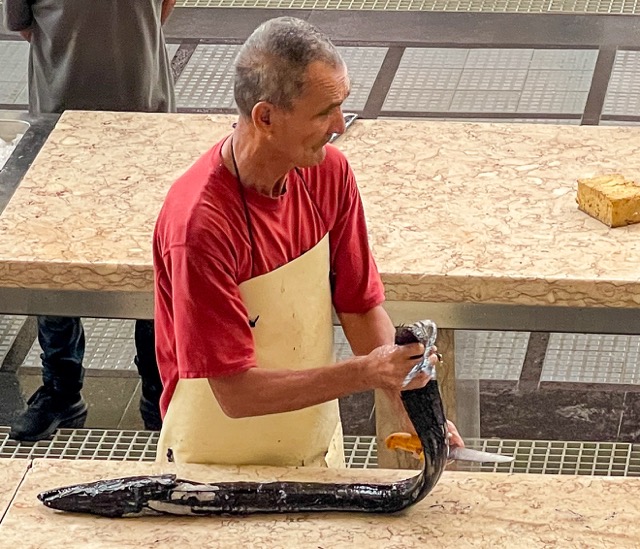
Our first full day in Funchal began at the Mercado dos Lavradores (Farmer’s Market) which turned out to be a feast for the senses in every possible way. Tables overflowing with tropical fruit – bananas, mangoes, dragon fruit, passion fruit, guava, papaya, figs, tangerines, and a few vegetables we couldn’t name. And then, the black scabbard fish (espada) caught us off guard – long, thin, black, and with eyes that looked like a deep-sea monster. The ugliest fish we’ve ever seen. (Also, as we’d soon discover, one of the tastiest.)
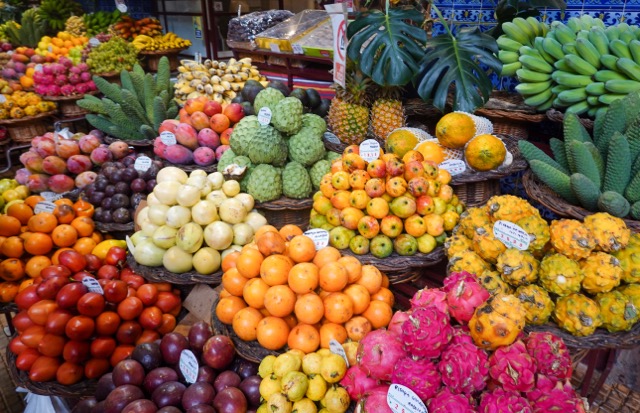
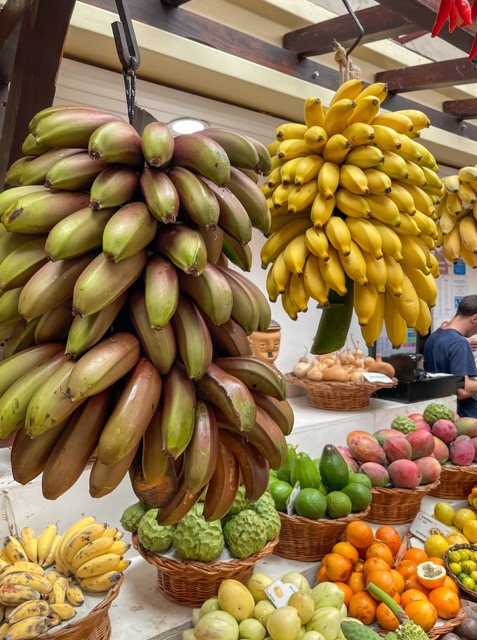
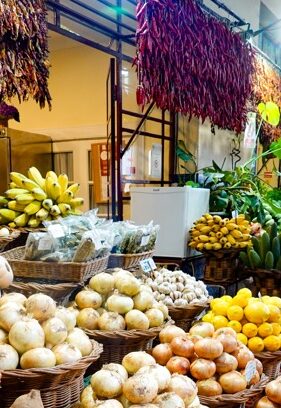
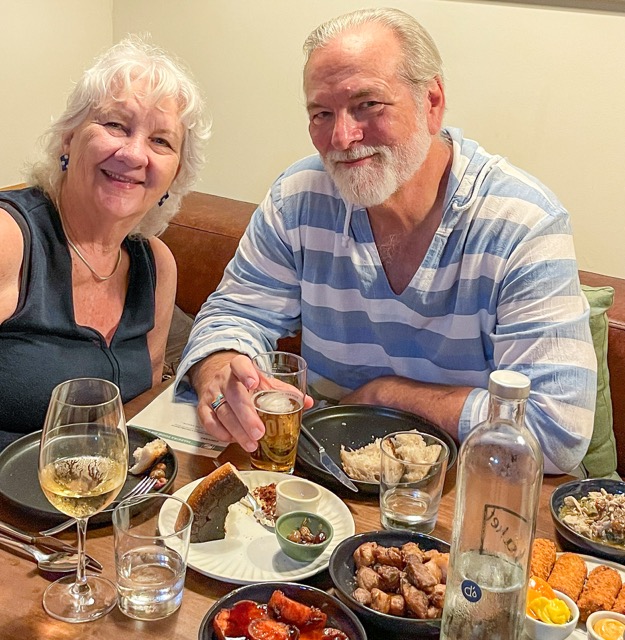
The afternoon was devoted to a food tour that turned into one of the highlights of our trip. It began with a proper lunch:
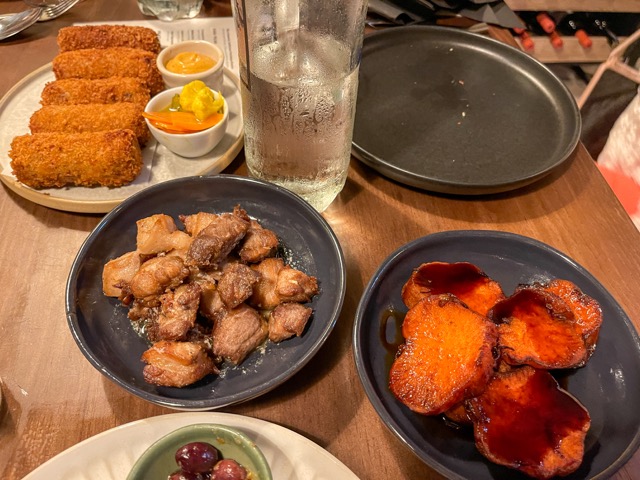
- A perfectly crisp croquet stuffed with savory meat.
- Carne em Vinha d’Alhos, tender marinated cubes of pork.
- Batata-Doce com Mel de Cana, an addictive sweet-potato and molasses combination.
- Atum Salpresado, salty cured tuna with all the rich saltiness of the Atlantic.
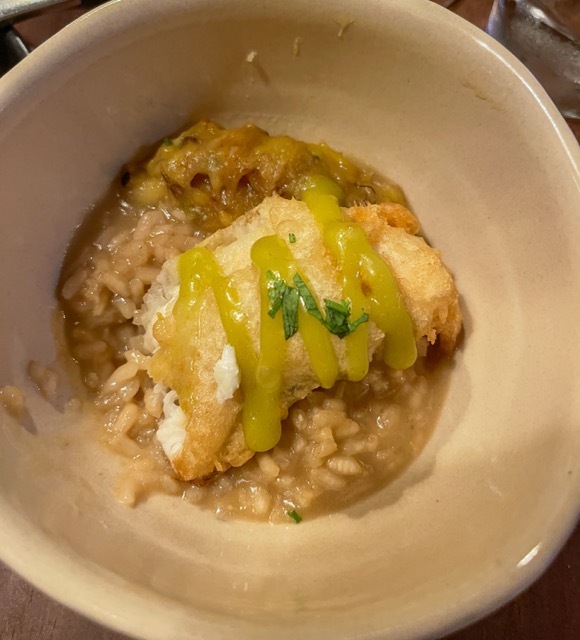
The main course: Arroz de Lima com Espada e Banana — a filet of black scabbard fish over a citrusy rice and topped with a banana concoction. Sounds odd, tastes amazing.
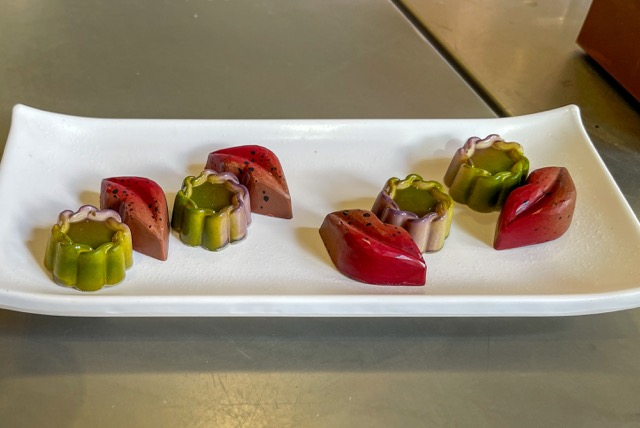
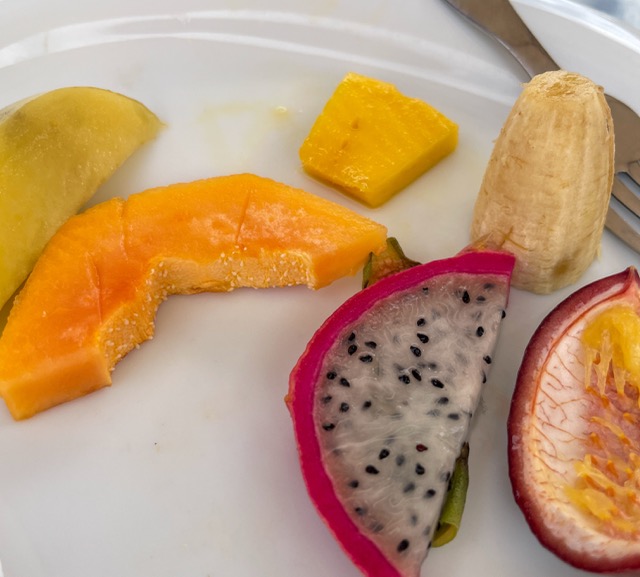
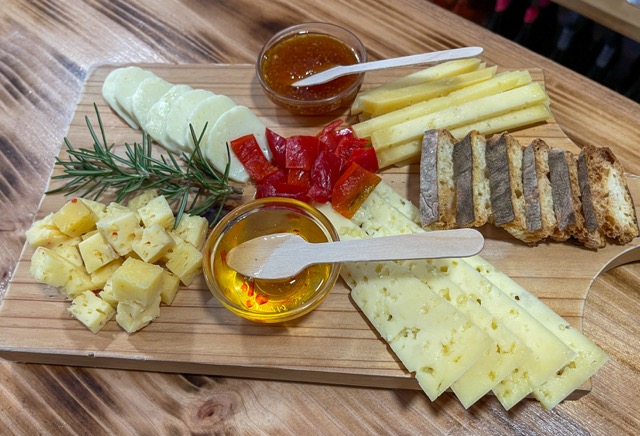
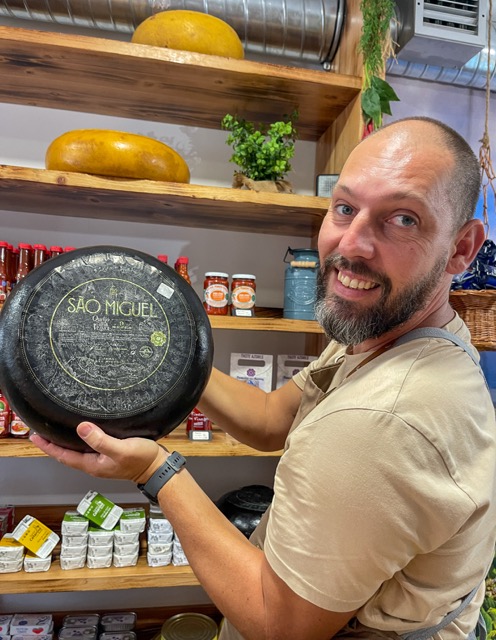
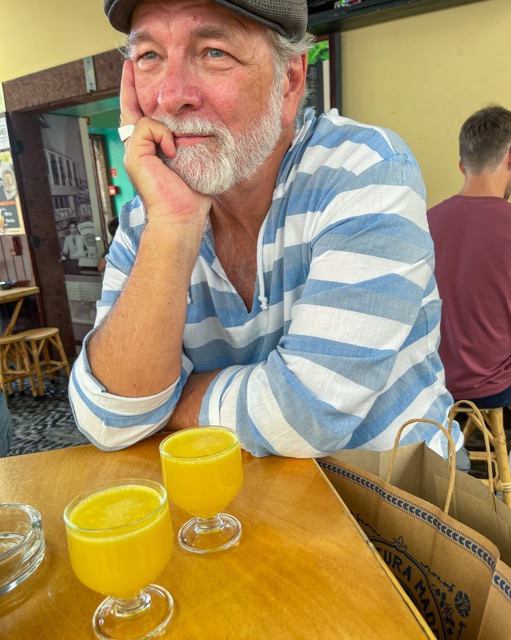
After lunch, we walked (slowly) to our next stop: Uau Cacau, where we sampled artisanal Madeiran chocolates that instantly earned luggage space for the trip home. Then came a tasting of fragrant and colorful tropical fruits and a stop at Fábrica Santo António (a local institution) for traditional Madeiran cookies — crumbly, subtly spiced, old-school good. A cheese and wine tasting at a shop devoted entirely to products from the Azores (note to self: visit the Azores soon!) was our next tasting and that was followed by a final stop for a glass of poncha, the local sugarcane-rum cocktail. By the end of the day, we were equal parts full and blissful — exactly how every food tour should leave you.
The Blandy’s Experience: Stairs and Sips
Sticking with the theme of gastronomic self-indulgence, we had booked the Platinum Tour at Blandy’s, the grand dame of Madeira wine for our second day in Funchal. We thought it would be a gentle walk around the winery and a few tastings — you know, the usual. Instead, it was a full-on education (with a cardio bonus).
The tour led us up flight after flight of old wooden stairs, each level revealing another layer of Madeira’s winemaking process. Our guide unlocked one after another storage room filled with aging barrels — some decades old, their wood darkened with history and sugar. The air smelled faintly of caramel, oak, and patience.
We quickly realized we’d been underestimating Madeira wine our entire lives. Up to this point, we’d used it for cooking (sorry, Madeira) or occasionally sipped it as a sweet after-dinner treat. But Blandy’s changed that narrative completely.
We learned about the different styles of Madeira — from the driest Sercial, served chilled as an aperitif, to the rich Malmsey, that dessert-worthy elixir we already knew. In between are Verdelho and Bual, each with its own unique taste. Who knew there was a whole spectrum of Madeira wines meant to start the evening, not just finish it?
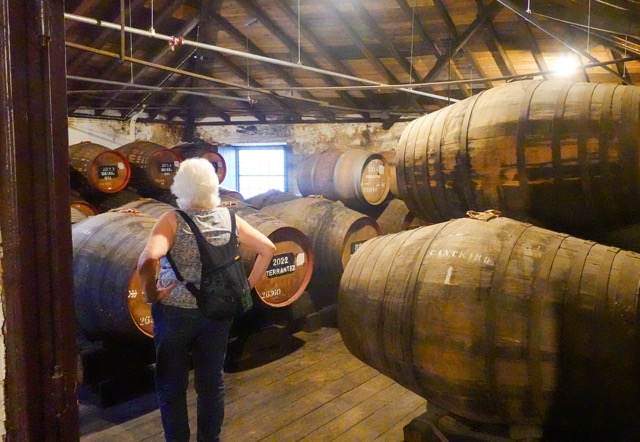
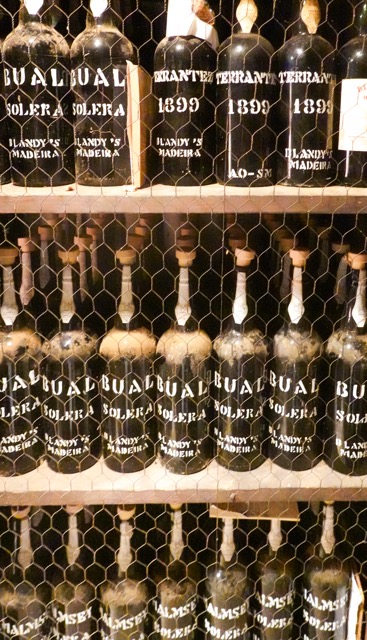
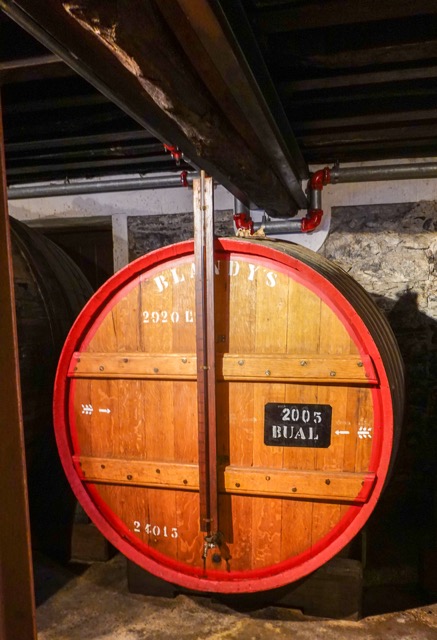
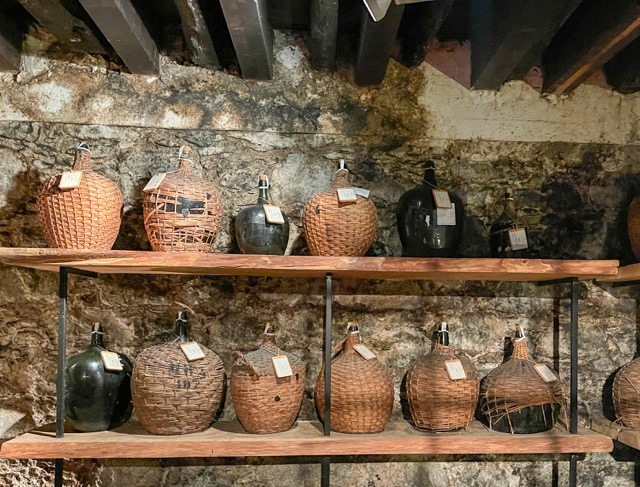
Standing among those timeworn barrels, we could practically taste the island’s story — heat, salt air, and centuries of craftsmanship condensed into amber liquid. By the time we made it back down the stairs (carefully), we had newfound respect for the drink, and a mental note to replace “cooking Madeira” in our pantry with the real thing.
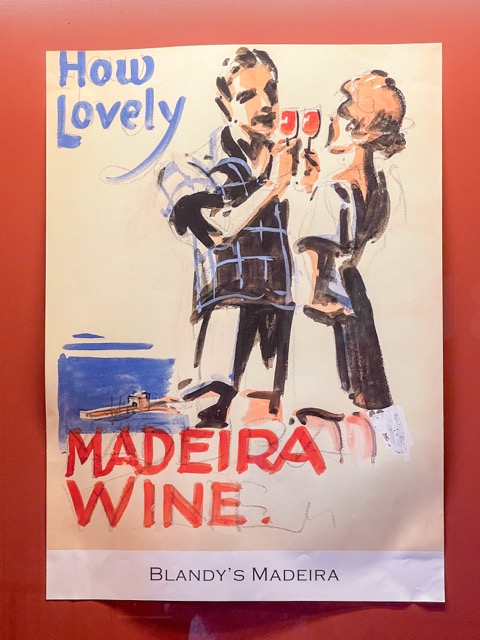
The tasting itself was, naturally, the reward: four glasses lined up from dry to sweet, each one delicious. A fifth glass capped off the experience with one of Blandy’s vintage reserve offerings. We lingered, savoring the shift in flavors — citrus and nut on one end, honey and fig on the other — until we had to leave so the staff could close the place and go home.
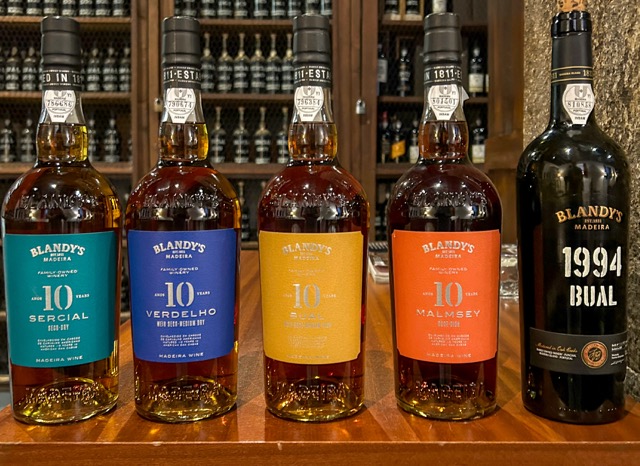
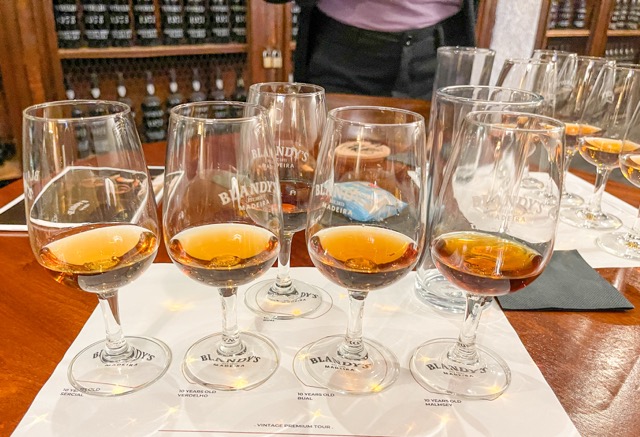
The East-Side Trek
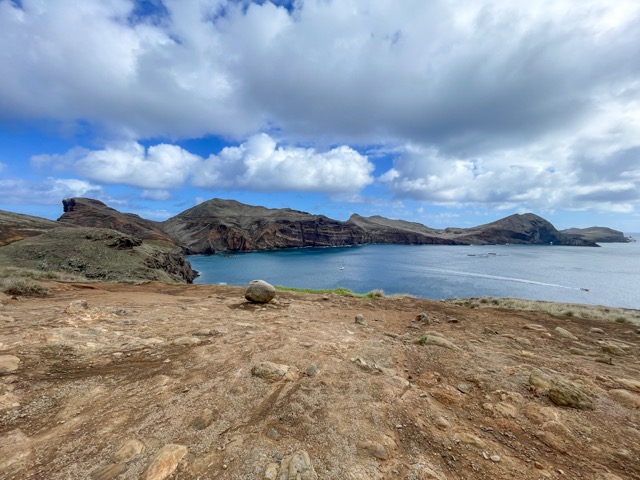
One morning, we set off early to explore Madeira’s east side, a day stitched together by villages, forests, and coastal drama. Our full-day trek around Madeira’s east side took us to ridge lines where the cliffs dropped straight in cobalt water, past waterfalls, and through misty laurel forests. It also highlighted for us one of the wonders of Madeira: the road building. Madeira’s volcanic geology means there are almost no flat surfaces anywhere on the island. A mountain ridge runs through the center of the island with peaks above 6,000 feet. In the face of these challenges, Portugal has built a highway and road network that stitches together the whole island. Some roads seem to spend as much time in tunnels as in the open and there does not seem to be a ridge or valley that they have not found a way to bridge one way or another.
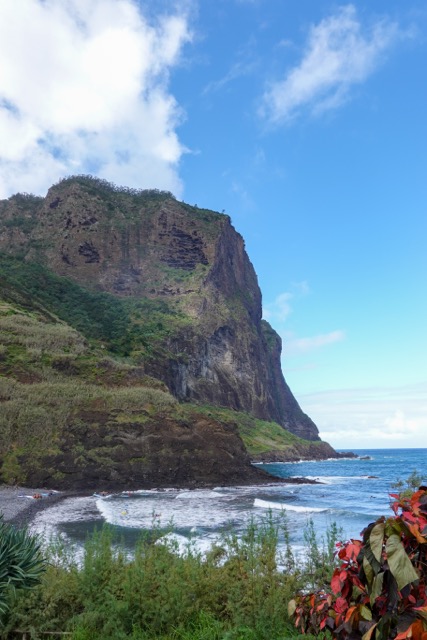
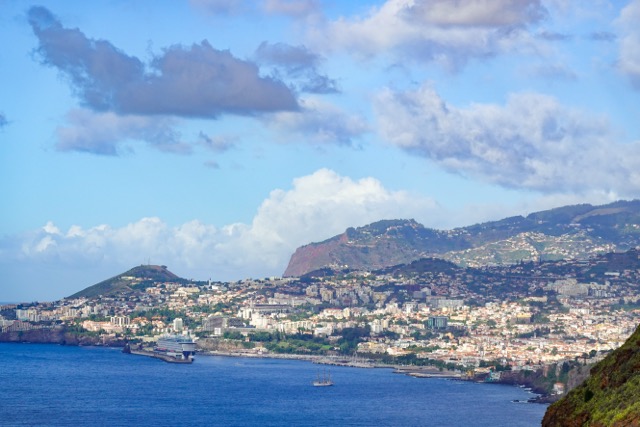
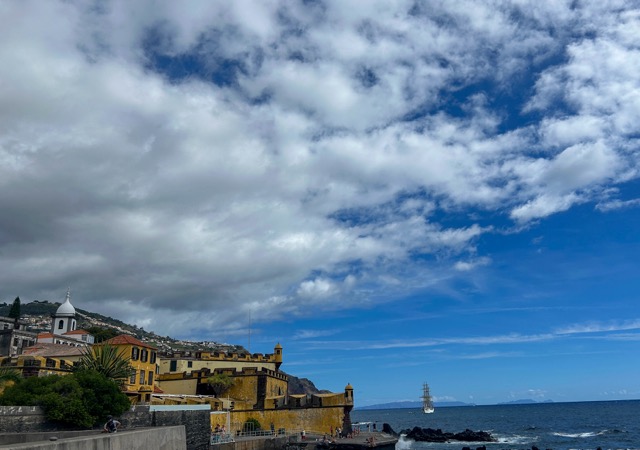
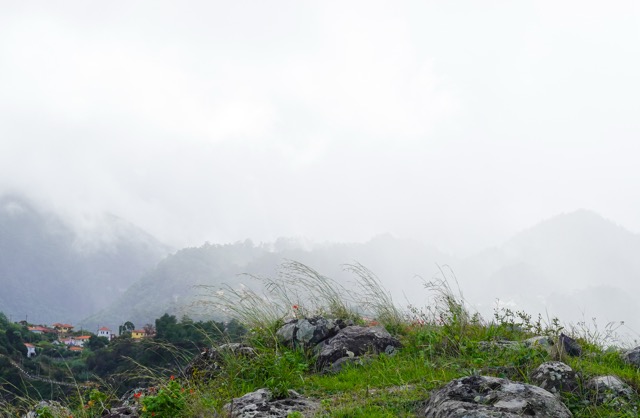
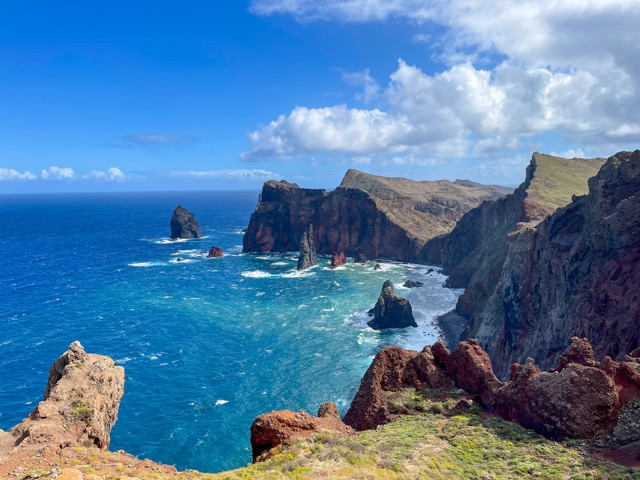
We started the day in Machico, the site where the Portuguese first landed in 1419. It’s a mix of beautiful beaches and lush green mountains.
Perched on the island’s north coast, the Faial Glass Walkway offers stunning views of the north coast and the Atlantic Ocean from its two glass walkways that jut dramatically over the ocean.
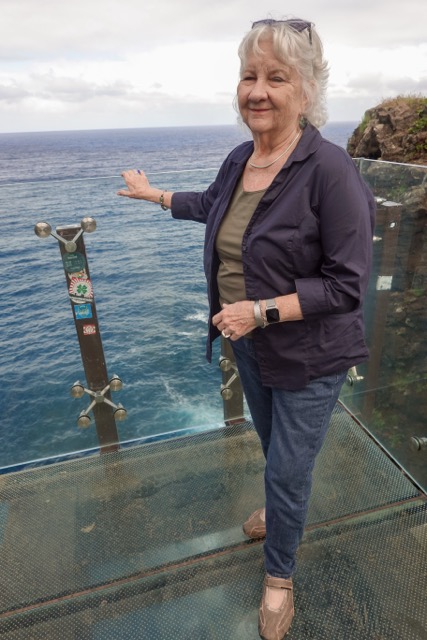
Santana, a postcard village of small, triangular, thatched-roof houses has a quiet and gentle charm with colorful hydrangeas and bougainvillea spilling over stone walls.
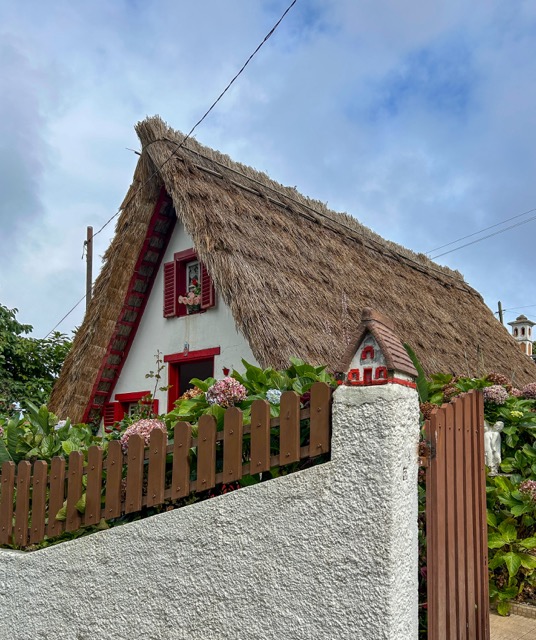
In Porta de Cruz we visited a rum distillery where they process the local sugar cane into an award winning Agricole Rum. That designation distinguishes this product as one created directly from the cane syrup unlike more than 90% of the world’s rum which is distilled from molasses. The difference is very distinctive – a smooth, complex, aromatic rum that could become a habit!
The heart of the Laurissilva forest, a UNESCO World Heritage Site since 1999, has trees that look ancient enough to have seen the first explorers land and the air smells faintly of eucalyptus and rain.
Monte Palace Gardens – Afternoon in the Clouds
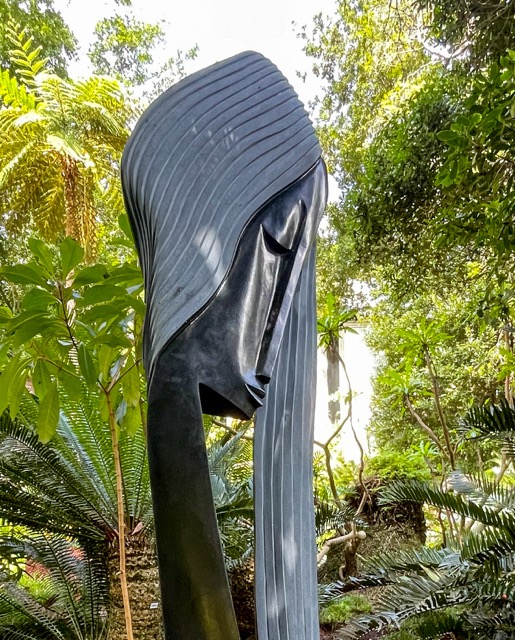
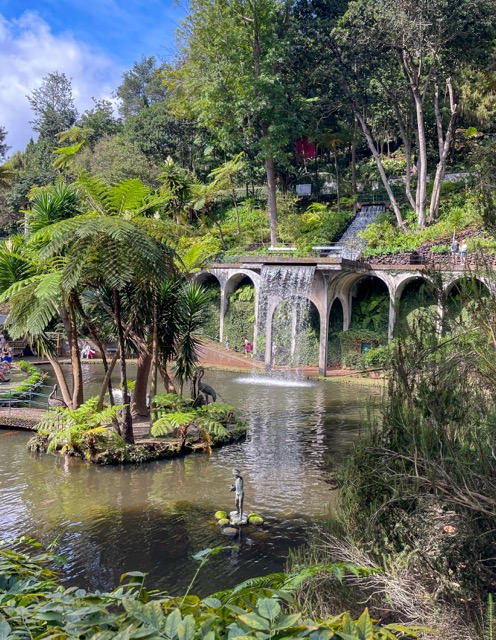
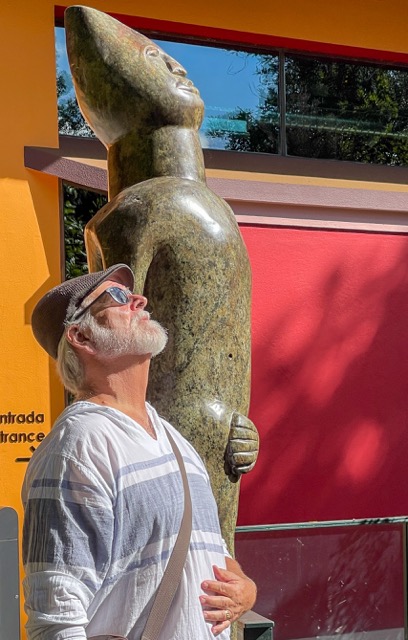
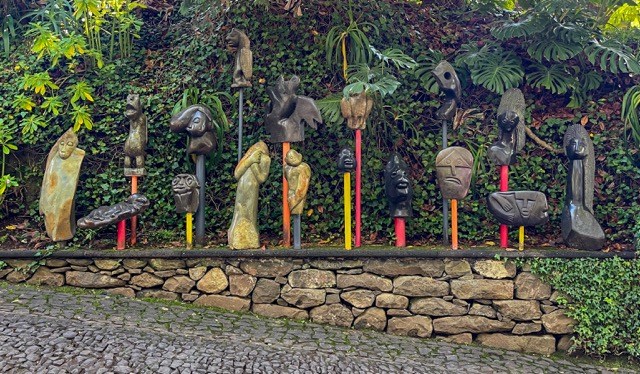
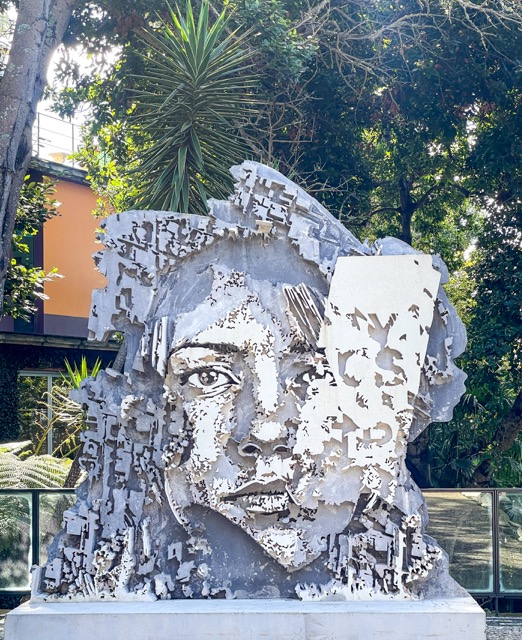
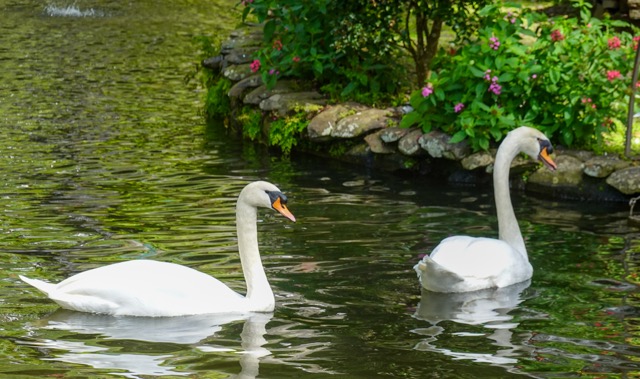
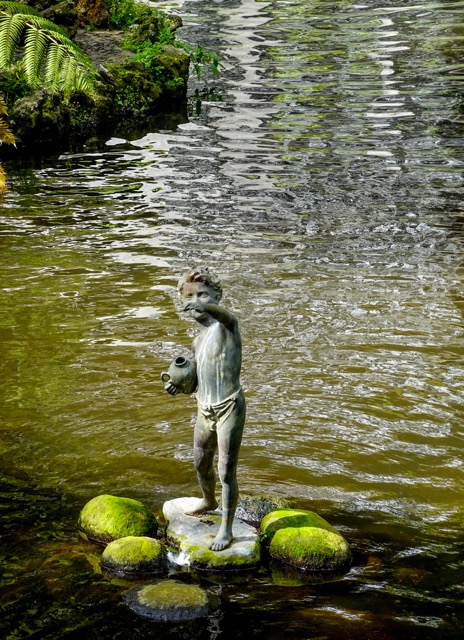
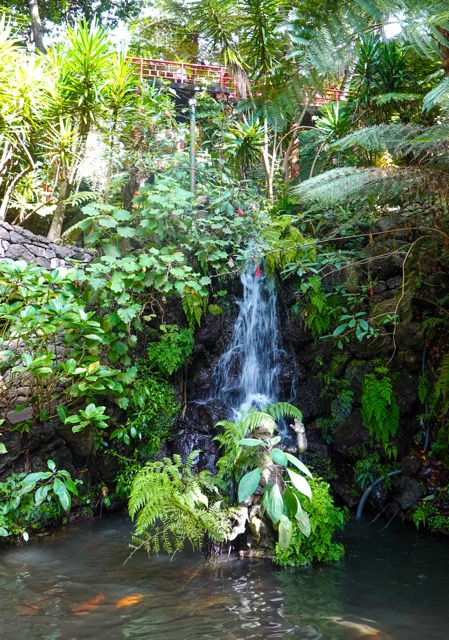
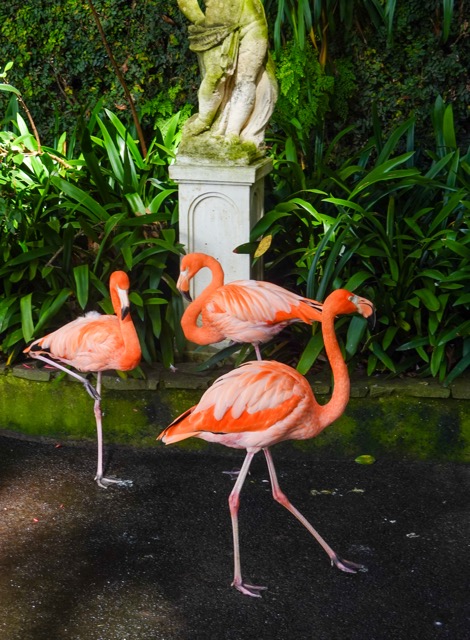
Unfortunately for Ed (but okay by me) the cable gondola was not working for our trip up the hillside the next morning. So, we shared a taxi with a German couple that were heading to the same place. While not high in the air, the on-the-ground approach, turned out to be a windy, twisty, topsy-turvy experience. At the top: the Monte Palace Tropical Garden, a dreamscape of mossy paths, koi ponds, tiled murals, and exotic plants everywhere. The art museum surprised us with contemporary pieces nestled among centuries-old stone. Like all the rest of Funchal, the gardens were created on a hillside with water cascading from all angles and paths that involve steps, switchbacks, bridges and stairways. Everywhere we turned there was art – sculpture, carvings, and ceramic tile panels. The Monte Palace Gardens would be enough to justify a trip to Madeira.
One Last Coffee with the Atlantic
We’d planned to end our trip on the water — a whale-watching excursion to spot the dolphins and pilot and sperm whales that cruise just off Madeira’s coast. But the sea had other ideas: choppy waves, canceled boats, and a brisk Atlantic wind. So, we’ll just have to come back — to finally do that cable-car trek up the mountain, and to set out on calmer seas for a glimpse of those amazing sea creatures. A pretty good excuse, we think, to return to this lovely island that has made our “let’s go back” list. As we looked down from the plane window, the island outlined against the vast blue Atlantic and that infamous runway stretching boldly over the water, we gazed at the green peaks thankful we had been privileged to visit this unique place.

About Us
Welcome to our little corner of the world where we invite you to embark on exciting journeys with us!
We’re Ed and Bonnie, a duo passionate about exploring the world and experiencing its wonders. Our love for travel isn’t just about discovering new places; it’s about sharing those moments with cherished family and friends like you.
Our hope is that you will feel like you’re right there with us, sharing in the excitement and wonder of each destination. Better yet, let’s plan a rendezvous somewhere wonderful! Learn more
What a beautiful trip. Thanks for brining it to us
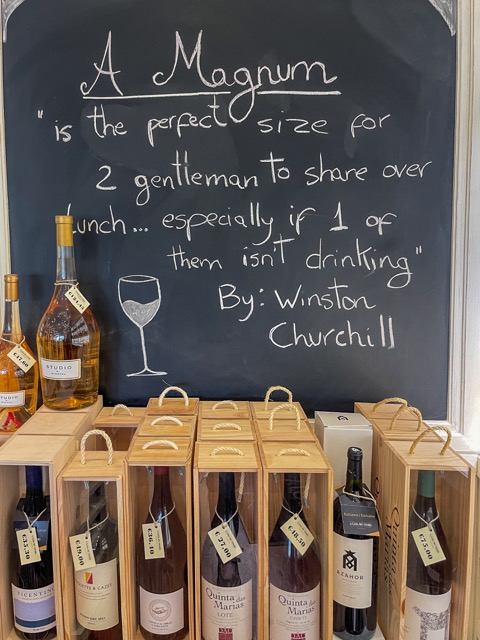
Paradise indeed! Wonderful photos immerse us in that unique and artistic culture, and love the Winston Churchill drinking quote!
Ive not been to Madeira, but your enthusiastic endorsement creates an appetite! You both look Well and Happy: Carpe Diem! Jo
PS Thank You again for the wonderful Cow Girl Creamery Cheeses!!
I was there with you in spirt! Love that place.