You’re going where? Uzbekistan? Where’s that? Why?
The thrill of the unknown gripped me as I arrived in Uzbekistan with the kind of anticipation that comes from venturing somewhere truly off the beaten path. In the months leading up to the trip, I had worked to prepare myself. I read about the history of the Silk Road, traced ancient caravan routes across maps, and watched several Great Courses lectures on Central Asia – but nothing could truly prepare me. There were stories and images that I had never imagined. Yet here I was, touching down in the capital city, Tashkent. How did this happen?
The Message
It started with a message from Maria last September.
“Where are you and Paola going next?” I asked her.
I’d met Maria in Tbilisi in September 2024 on a Culinary Backstreets trip (link) where she was on her annual trip with her childhood friend, Paola. For a week, we explored Georgian food and wine together – bonding over long meals, endless toasts, and conversations that lingered well into the evening. Since then, we’ve stayed in touch through occasional WhatsApp messages, often sharing our mutual disbelief over the political shifts occurring in both Georgia and the United States.
“Uzbekistan,” she replied.
“I want to go!” I replied immediately.
She explained that she was joining a group from the San Diego Diplomacy Council for a weeklong exploration of this Central Asian hub. Visiting Samarkand had been a dream since she was a young girl. It seems a beloved Italian song, Samarcanda by Roberto Vecchioni, was hugely popular in the 1970s and 1980s and remains a classic to this day. Inspired by an ancient Mesopotamian legend, Samarcanda evokes romantic images of distant lands and mysterious journeys. As a young girl, Maria imagined Silk Road caravans, crossing deserts, cities crowned with blue domes, and the legendary trading hub of Samarkand.
A few weeks later, I mentioned the trip to my friend Gloria. Her response was the same as mine, so I shared the itinerary: Tashkent for three days, and a couple days each in Samarkand and Bukhara. I suggested we tack on a few days in Istanbul on the way back to the West, and we were set.
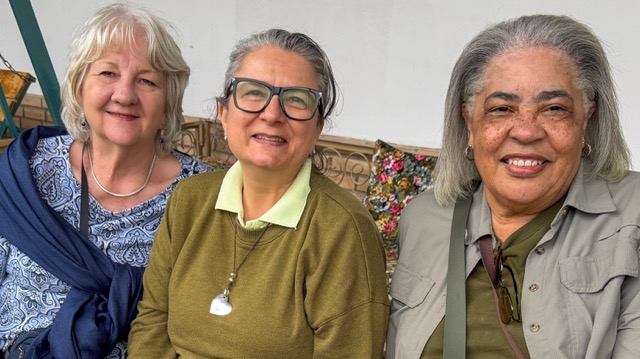
Now here I was stepping out of a Hyatt Regency into the capital city at the heart of Central Asia.
Tashkent: Where Eras Overlap
It’s a modern, evolving capital where everyday life unfolds against a backdrop of Soviet era infrastructure and subtle traces of ancient history. In Tashkent, time doesn’t move in a straight line – it seems to overlap. Centuries exist side by side rather than replacing one another in sequence.
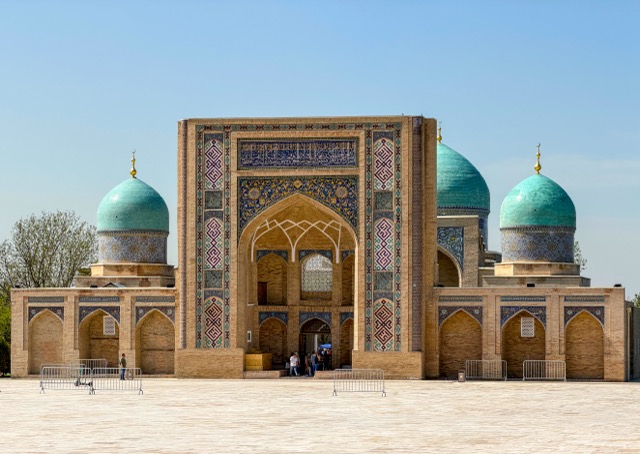
At the Khast Imam Complex, courtyards framed by turquoise domes and intricate tile work create a sense of quiet stillness – ancient and spiritual. Just beyond, the rhythm shifts. Wide avenues and imposing concrete structures, often in the brutalist style, reflect the Soviet rebuilding effort after the devastating 1966 earthquake. And then, without warning, glass towers rise into view and reflect a city that is looking forward as much as it is holding on to its past.
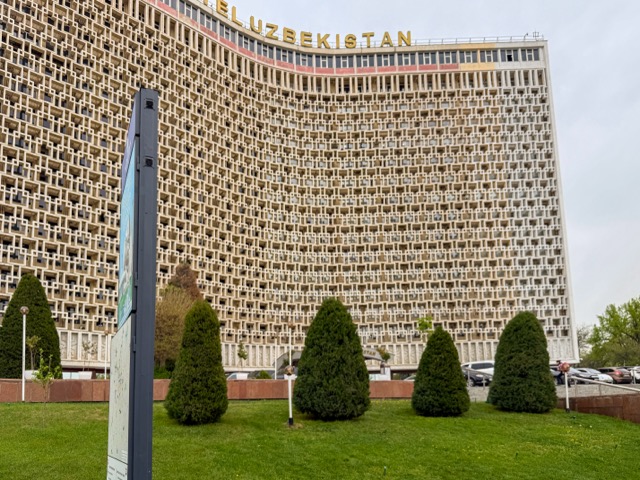
Hotel Uzbekistan, completed in 1974 and showcasing Brutalist architecture, served as the leading luxury hotel during the Soviet era.
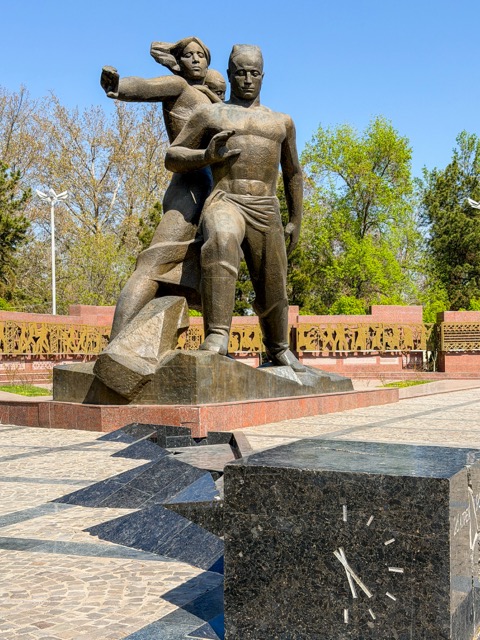
Moment of Courage – this statue commemorates the 1966 earthquake. A black granite cube split by a crack, symbolizing the earthquake, and a bronze sculpture of a man, woman, and child, representing protection and resilience in the face of disaster.
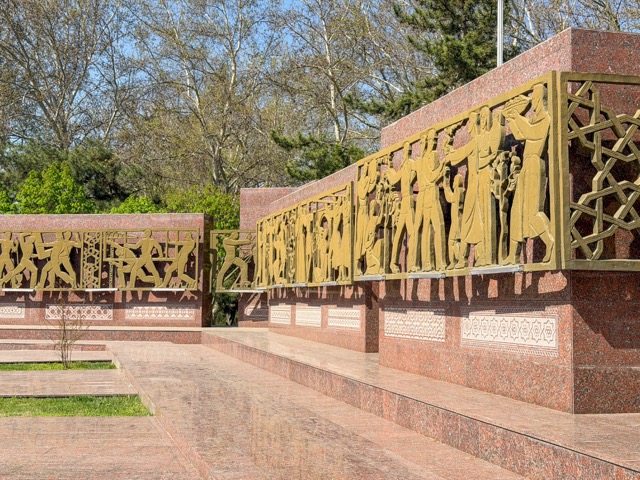
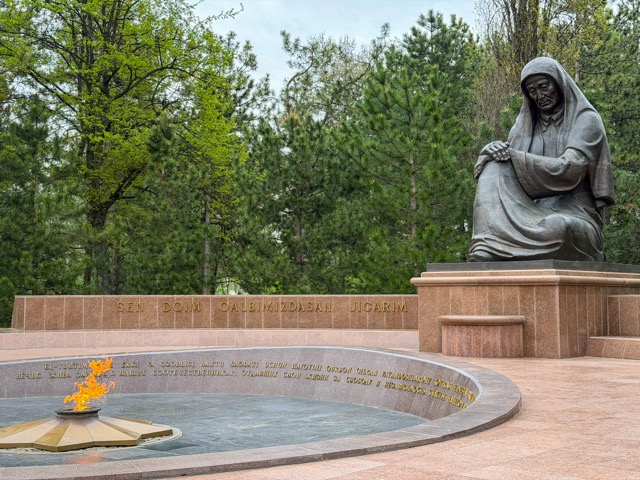
It’s about coexistence. A brutalist façade doesn’t erase the mosque nearby. A modern business center does not diminish the weight of history underneath it. It’s a layered identity where Islamic geometry, Soviet ambition, and contemporary design all speak at once.
Chorsu Bazaar sits at what was once a key intersection of Silk Road trade routes, making it a natural place for merchants. Today, a massive, blue-domed structure built in the 1980s dominates the site. While the structure is relatively new, the tradition of a market at that location stretches back roughly a thousand years.
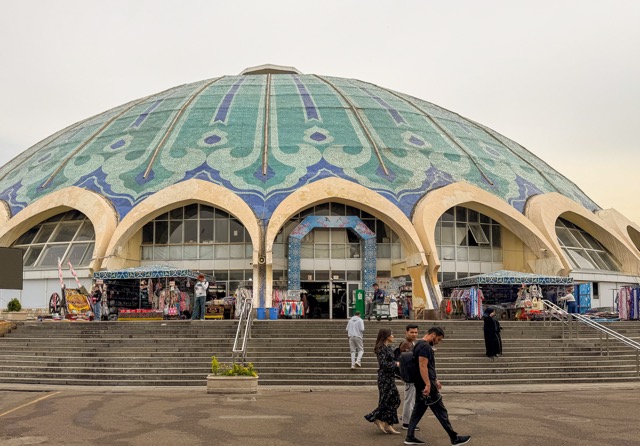
The smell of freshly baked bread is one of the first things I noticed when entering Chorsu Market. Bread is called “non” and is round with a thicker rim and a flatter center that is decorated with traditional patterns.
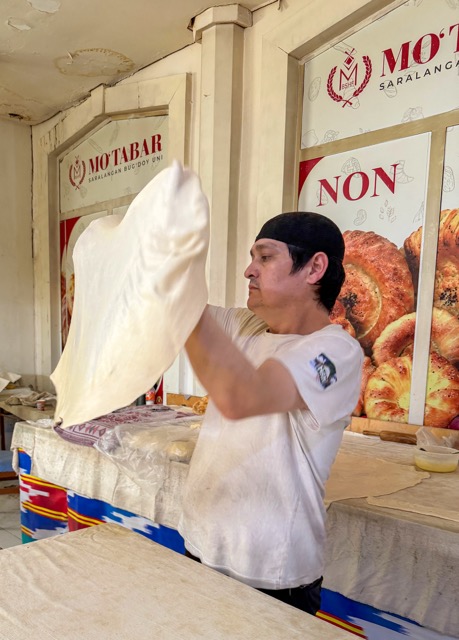
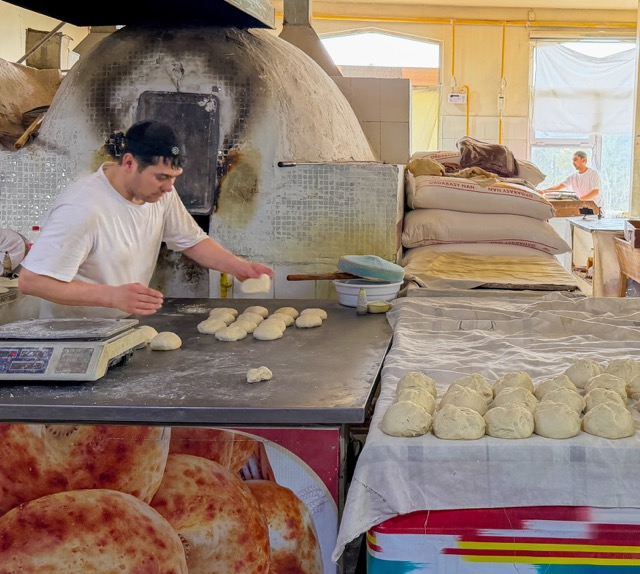
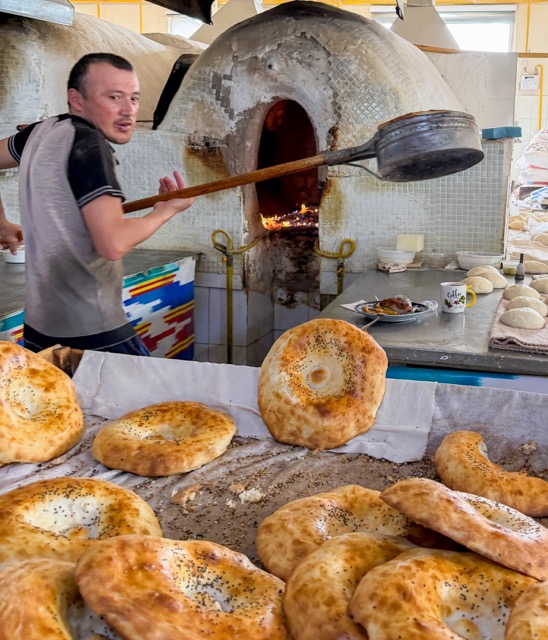
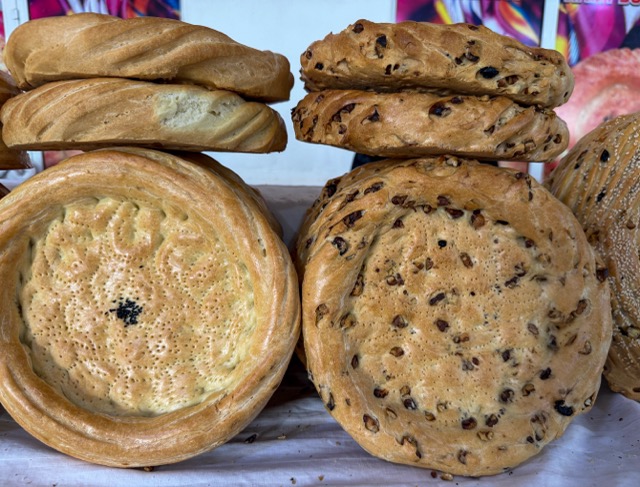
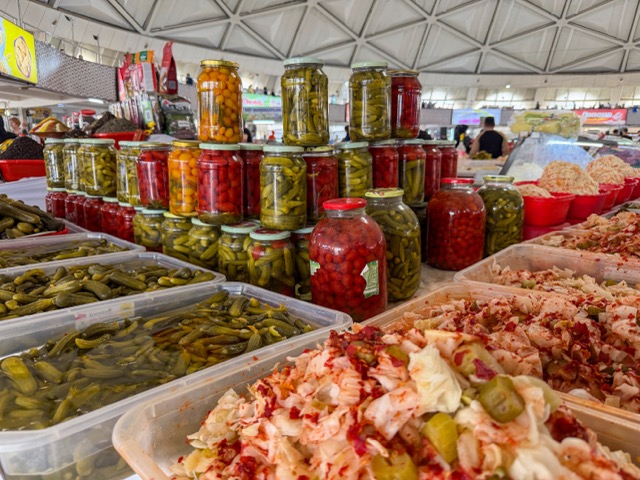
Chorsu Bazaar features pickled foods, particularly kimchi, due to the presence of the Korean community living in Tashkent.
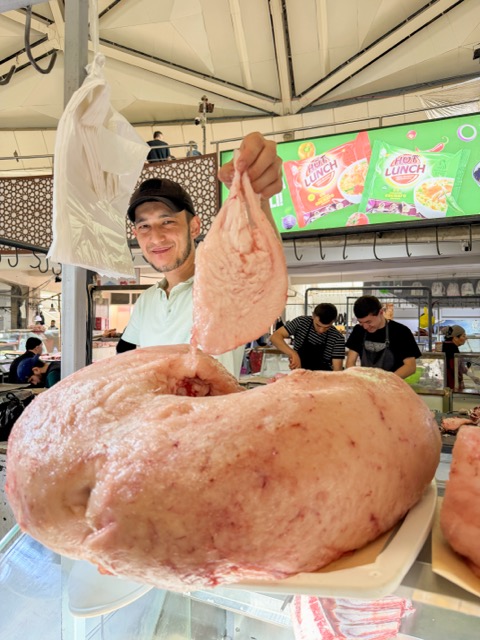
Karakul is a fat-tail sheep that deposits fat in the upper part of its tail as a hedge against starvation, always a possibility in the harsh climate in which it evolved. This tail fat, purchased by the kilogram, is an important ingredient in Uzbek cuisine.
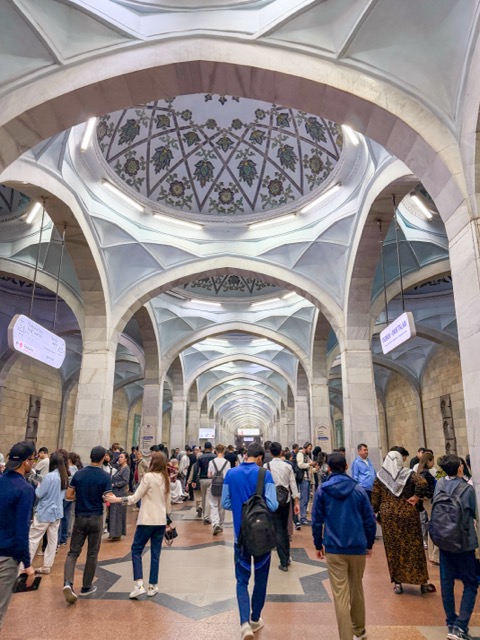
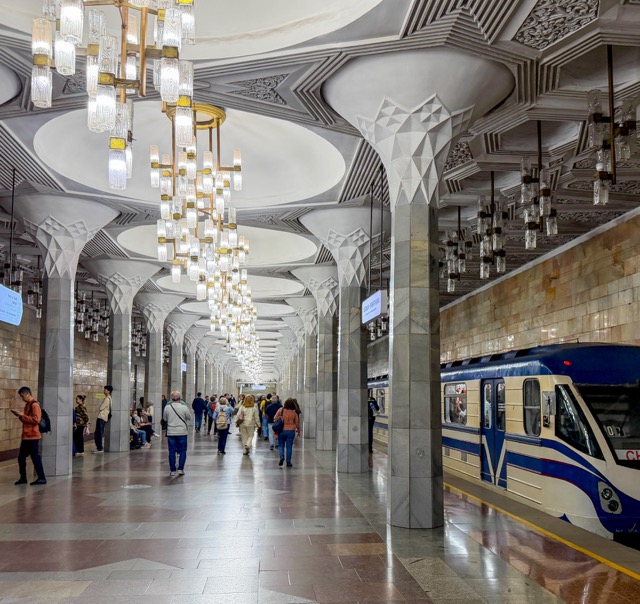
An unexpected highlight was the Tashkent metro. Often described as one of the most beautiful subway systems in the world, each station feels like an underground museum. The stations are visually stunning with marble columns and elaborate chandeliers reflecting Soviet-era artistic ambition. Intricate, colorful mosaics celebrate Uzbek history and culture. Even a short train ride is an architectural tour. It struck me that the Soviets built something beautiful here, even while imposing something heavy. That contradiction kept showing up in Tashkent. It never quite resolved, and I stopped expecting it to.
Samarkand: City of Blue
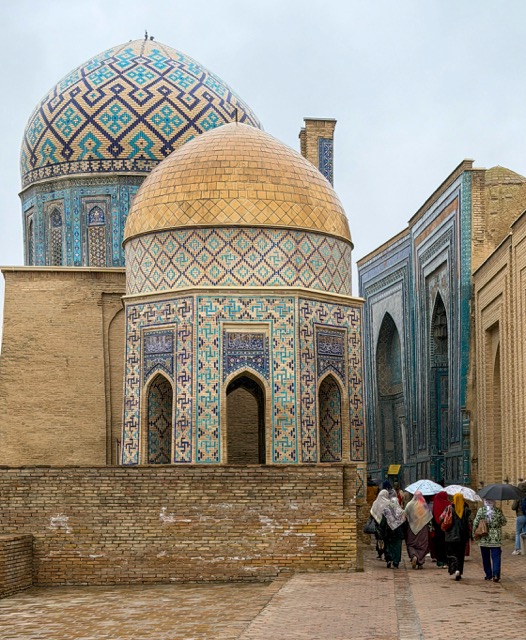
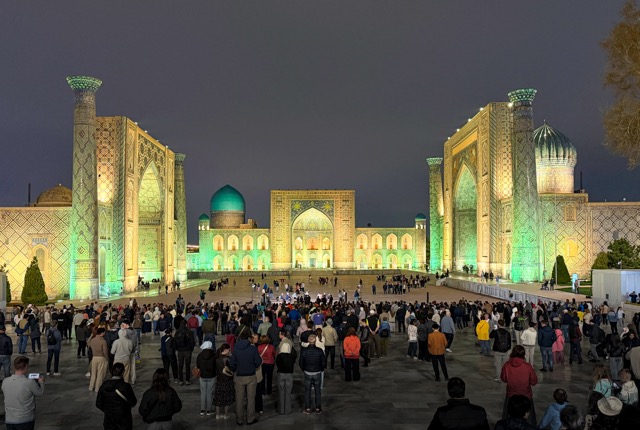
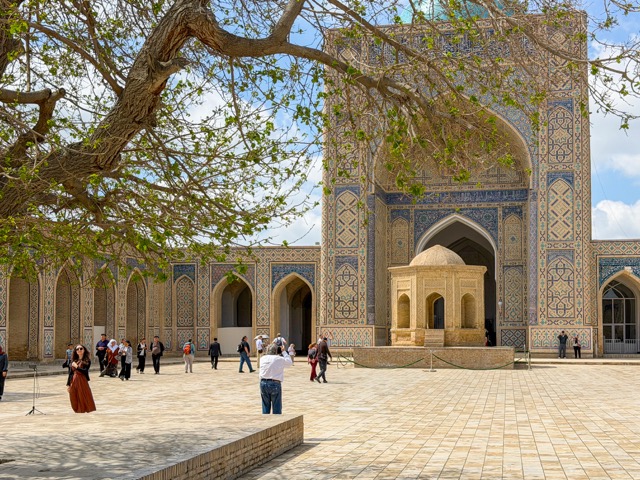
The first sensation is scale. Massive portals that dwarf the human body. Monumental facades feel as if they were built for giants. I found myself slowing down to recalibrate my sense of proportion. Then, there’s the blue. It isn’t a single blue. There is deep lapis to bright turquoise with cobalt lines forming intricate geometric patterns. Up close, I could see the slight irregularities of handmade mosaics. From afar, those same tiles dissolve into vast, unified fields of color. Everything draws your eye upward. Grandeur takes center stage. The unmistakable legacy of empire.
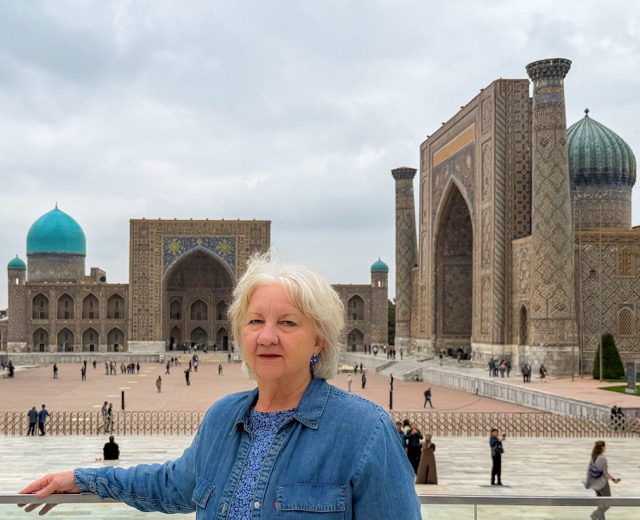
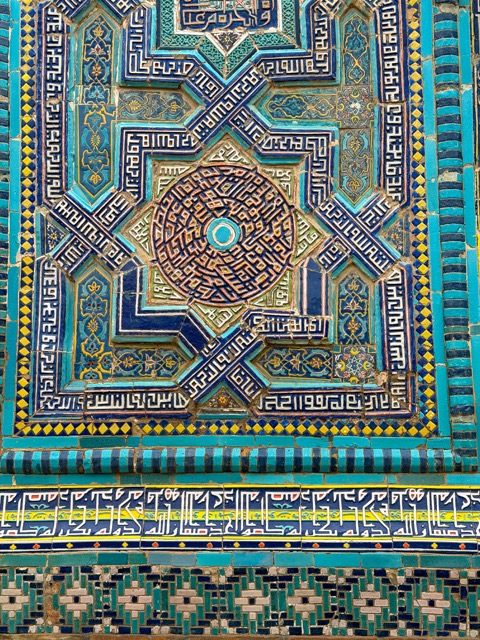
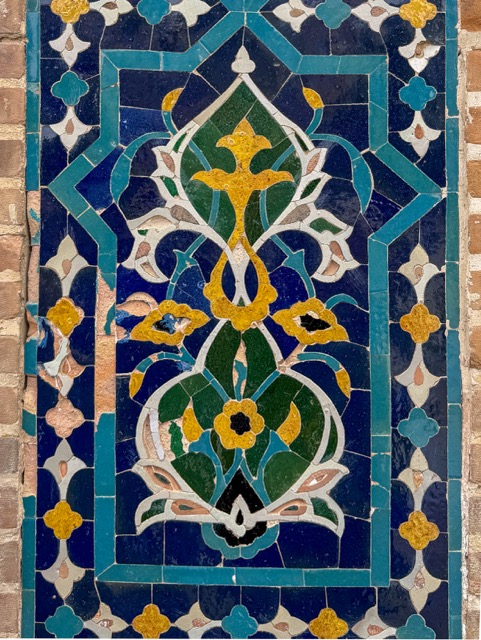
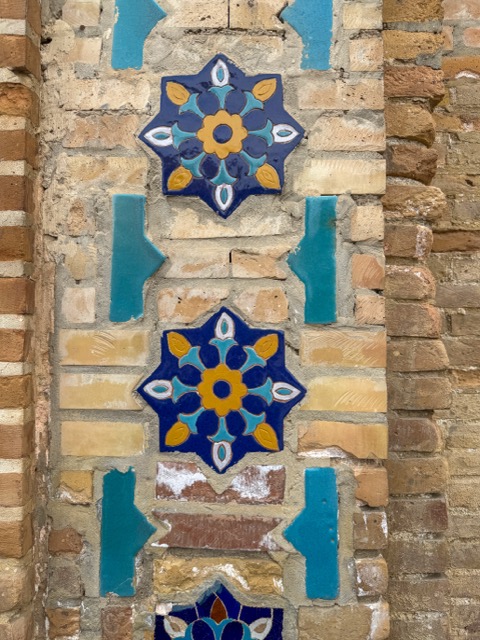
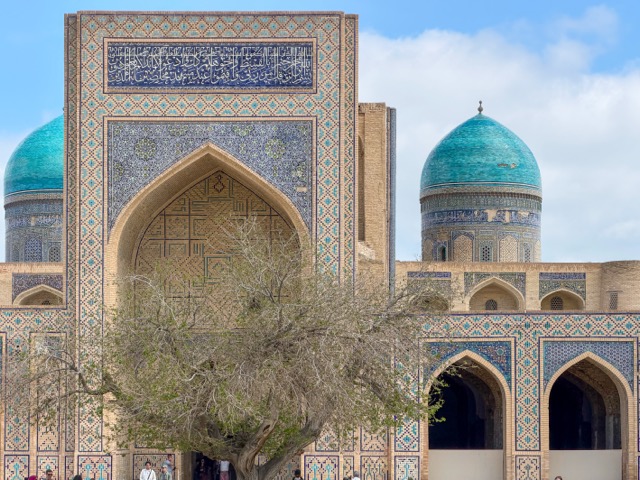
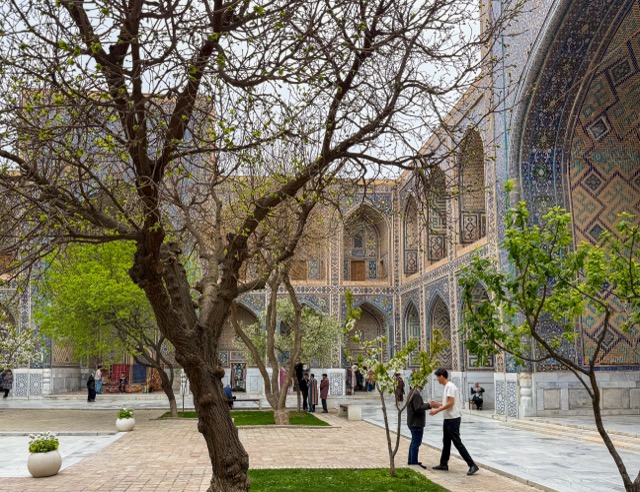
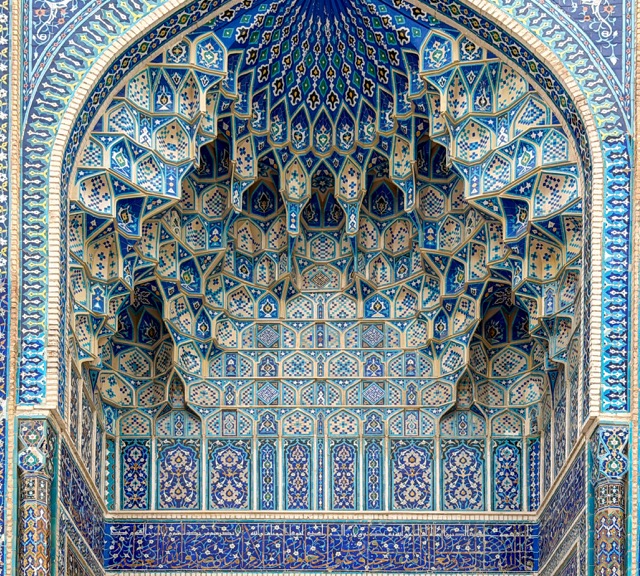
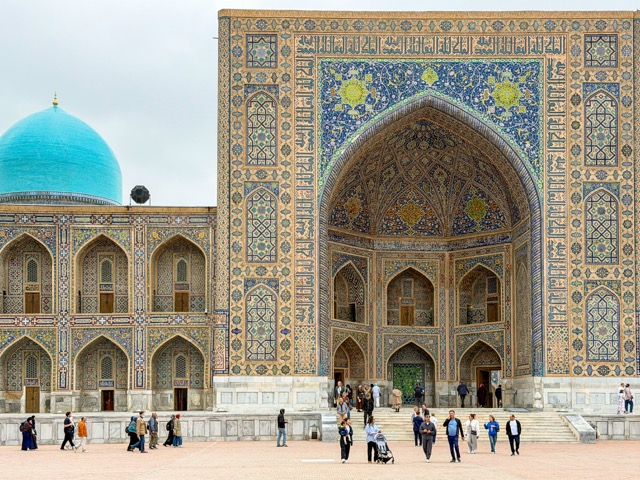
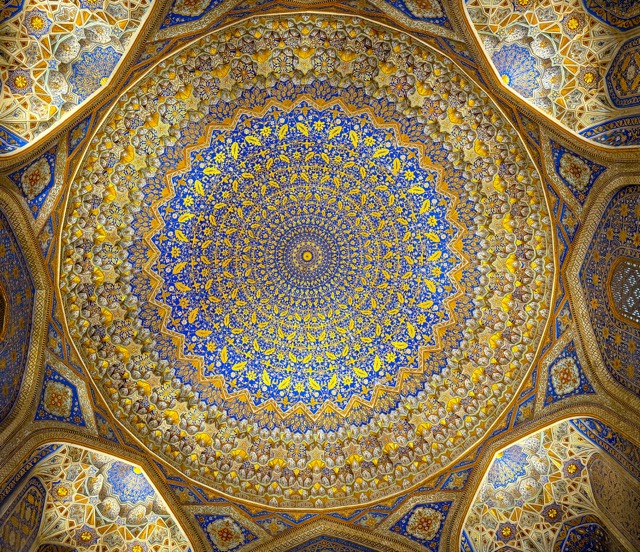
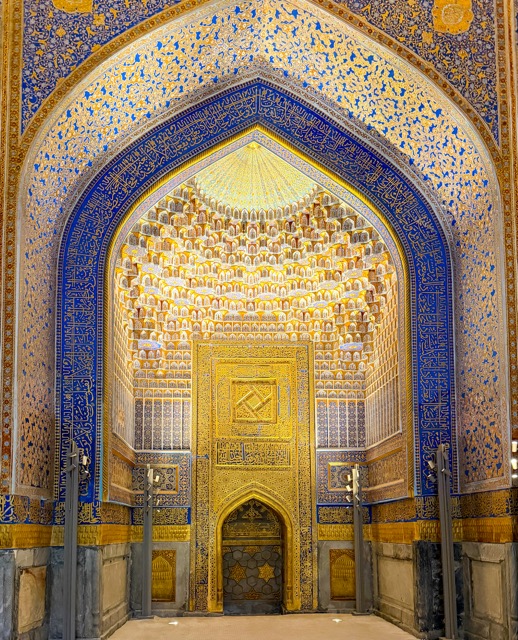
Legend says Alexander the Great declared Samarkand the most beautiful place he had ever seen. It was the capitol of Timur’s empire in the 14th century and one of the great cities of the Silk Road. Just as Maria had imagined, traders, scholars, craftsmen, and travelers passed through Samarkand carrying goods, knowledge, and ideas between East and West.
Pursuit of Knowledge
Between the 13th and 17th centuries, Samarkand was not only a city of trade, but also a city of intellect. Madrasas formed the backbone of higher education- institutions where students gathered from across Central Asia and beyond. In addition to theology, students engaged with mathematics, astronomy, philosophy, literature, and law. Samarkand became a major center of higher learning.
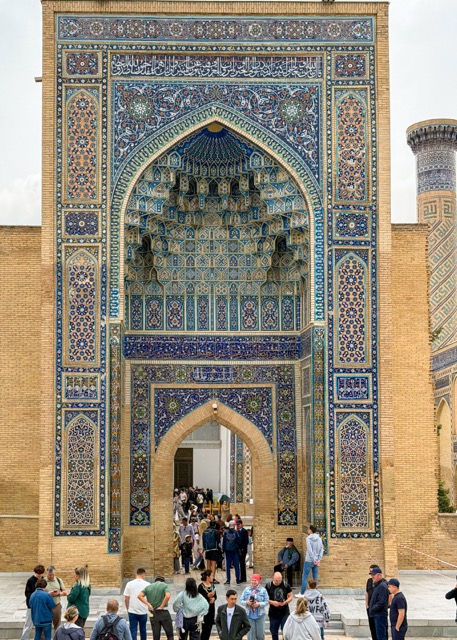
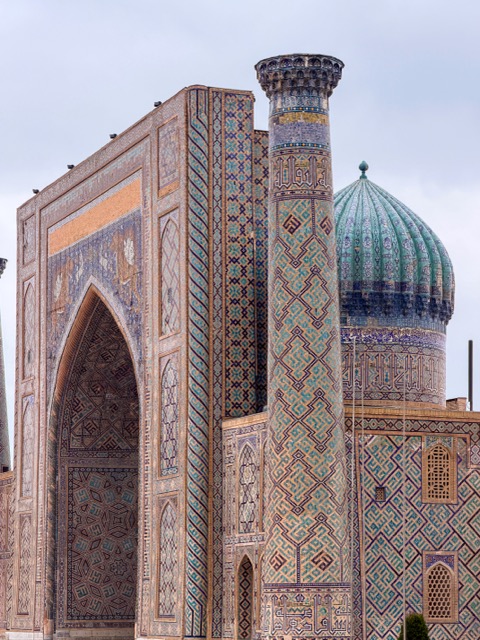
Astronomy reached remarkable heights. Ulugh Beg, grandson of Timur, was not just a ruler of the dynasty his grandfather created, he was one of the most important astronomers and scholars of his time. He founded the Ulugh Beg Madrasa in 1417, the oldest of the three madrasas on the Registan. His observatory, his madrasa, and his scholarly network made Samarkand one of the most sophisticated and intellectual capitals of the 14th and 15th centuries. Europe, by contrast, was experiencing the Late Middle Ages characterized by famine, wars, and the Black Death during this era. With the discovery of the Americas by Europeans, however, the global center of scientific innovation began slowly shifting westward and Central Asia became far less important for trade.
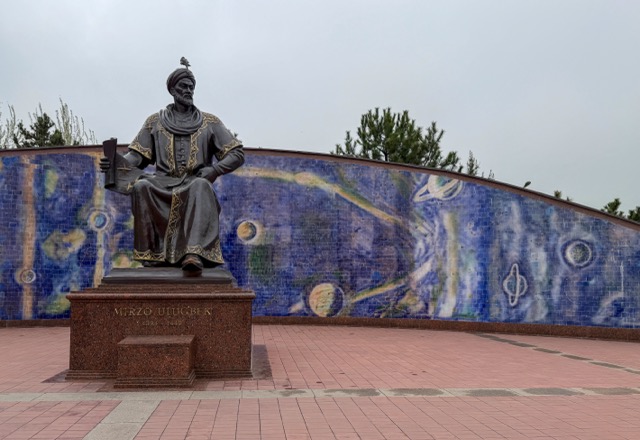
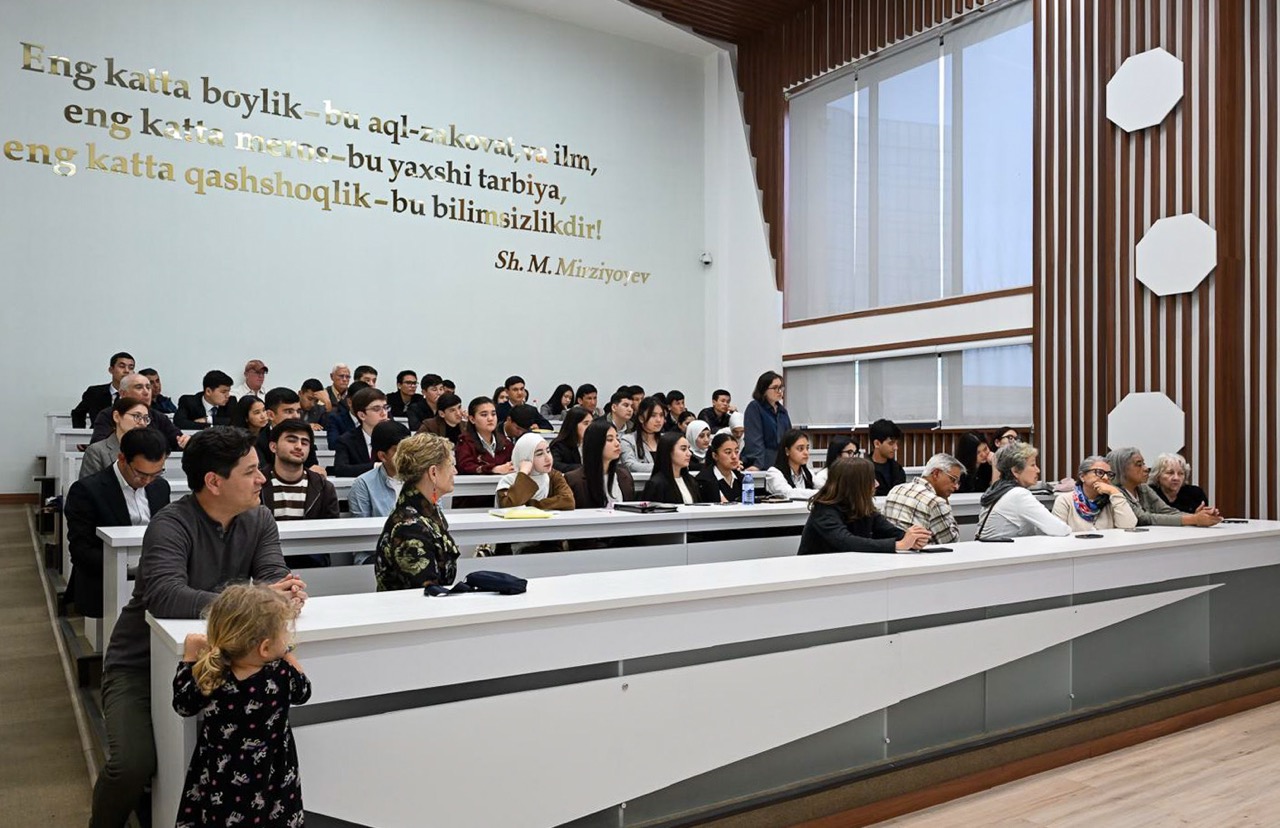
One of the most memorable moments of the trip came during a visit to the Silk Road International University of Tourism and Cultural Heritage with my fellow travelers from the San Diego Diplomacy Council. We spent about an hour with a classroom of students exchanging ideas about tourism, culture, career opportunities, and daily life. Their curiosity and openness made the visit a meaningful cross-cultural exchange. It seems the spirit of the Silk Road isn’t just in the past.
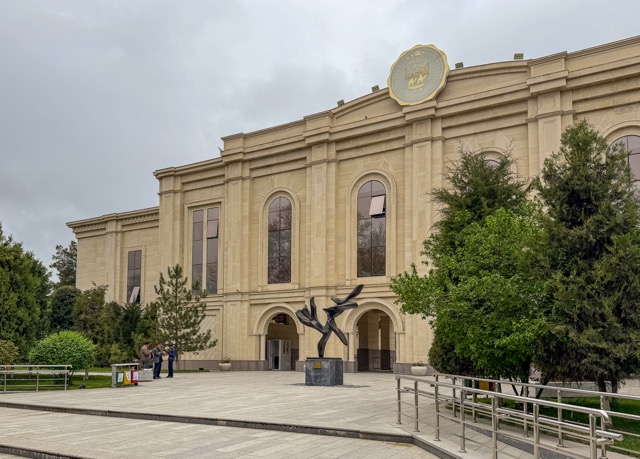
Surrounded by a sea of blue, confronted by the incredible scale, Samarkand feels otherworldly. It’s not just the beauty that captivates. It’s the expression of a world view in which knowledge was paramount, where learning was public and prestigious. I realized that this city was never just a city to be seen. It was a place designed to shape how people learn and think. It was truly an intellectual capital.
Bukhara: A Living Silk Road City
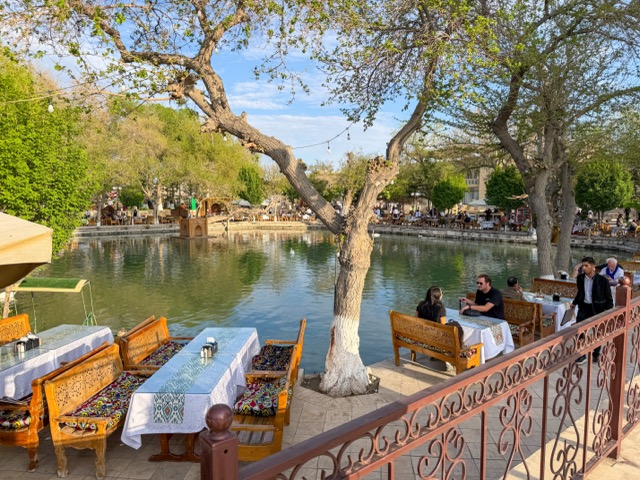
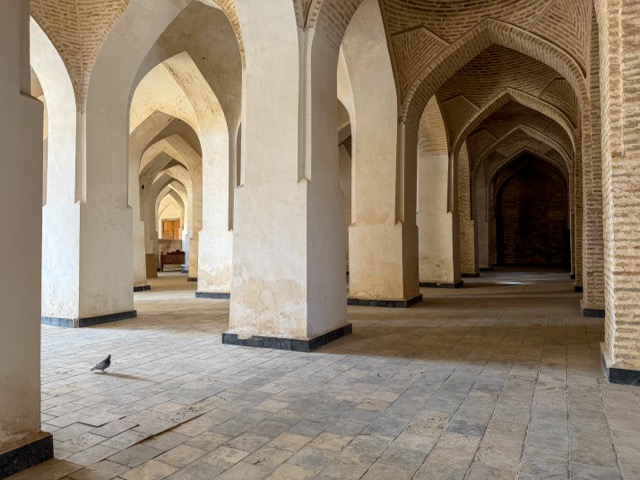
I arrived in Bukhara expecting history. But what I didn’t expect is how alive that history feels. Walking into the old town is less like visiting ancient ruins and more like stepping into a living museum. Lyabi-Houzz, a serene plaza built around a pond and shaded by ancient mulberry trees, is at the heart of the old town. Cafes line the square, and people gather to talk, drink tea, and watch the world go by. Sitting there with my traveling companions, it was easy to imagine merchants and other travelers doing the same centuries ago.
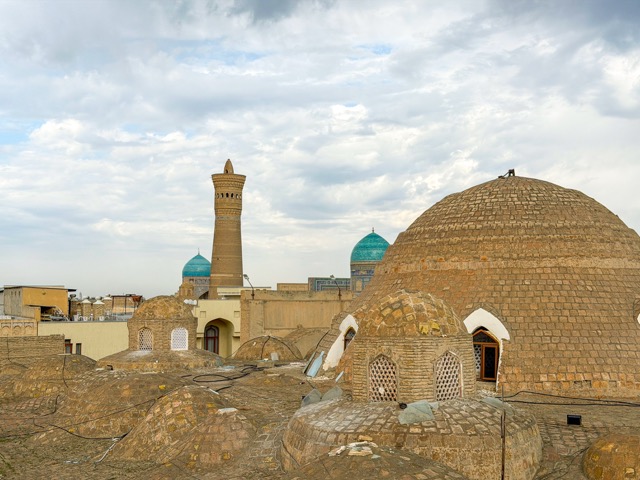
As the city unfolds in warm, sandy hues, narrow alleyways lead to architectural treasures: mosques, madrasas, and hidden courtyards. The Kalyan Minaret, towering above the skyline since the 12th century may have guided caravans approaching the city.
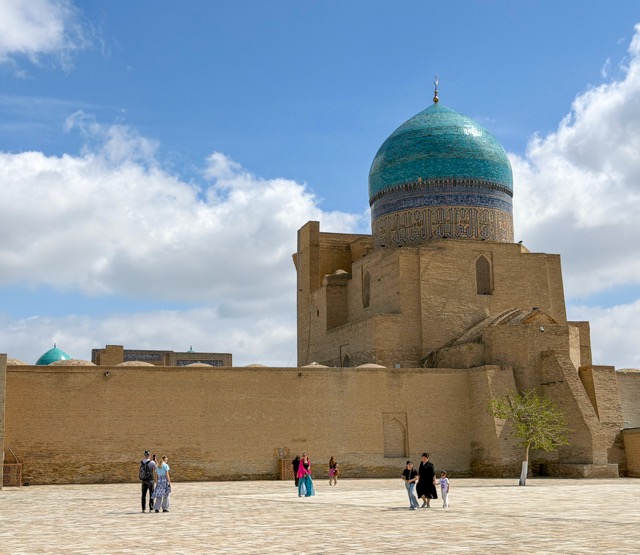
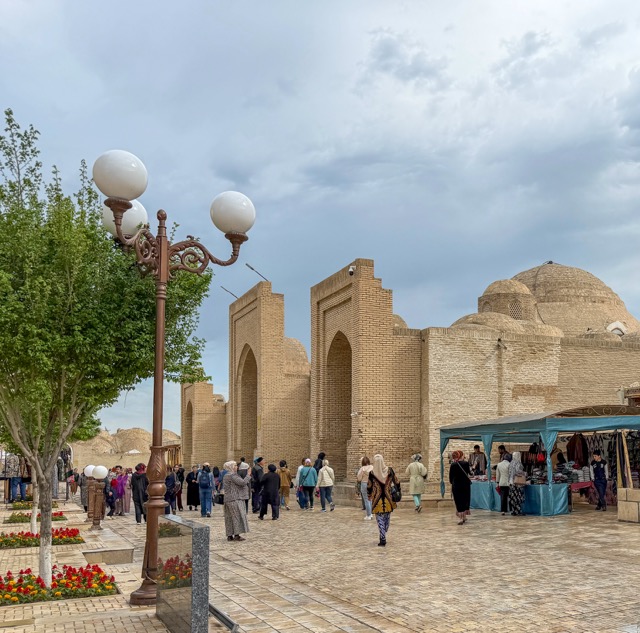
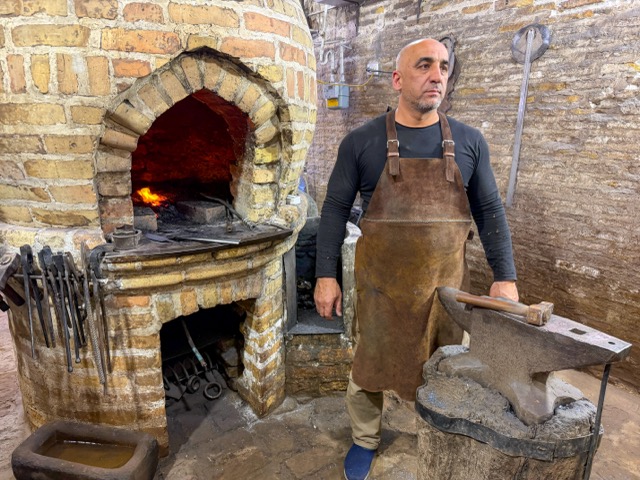
Centuries old workshops house artisans crafting metalwork, textiles, and embroidery and other arts using techniques passed down through generations.
Navrus: A Celebration of Community
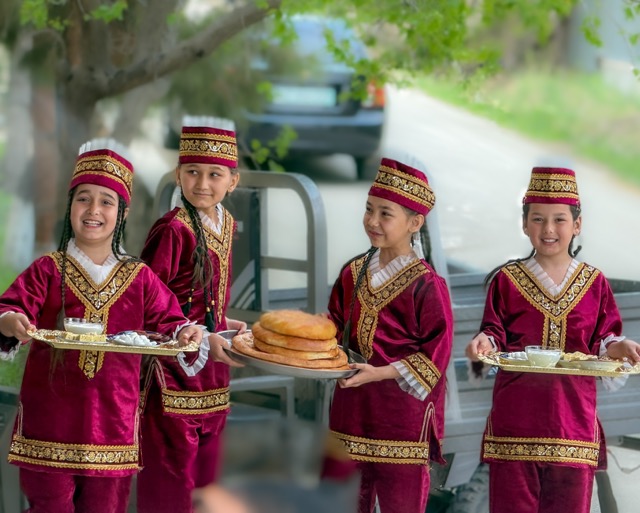
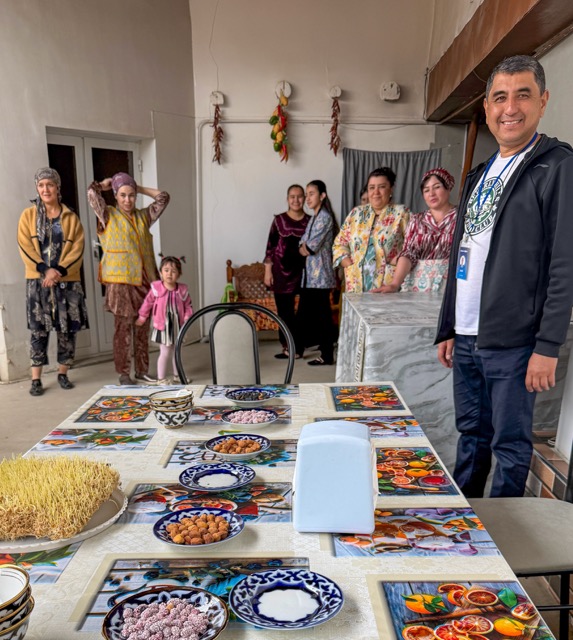
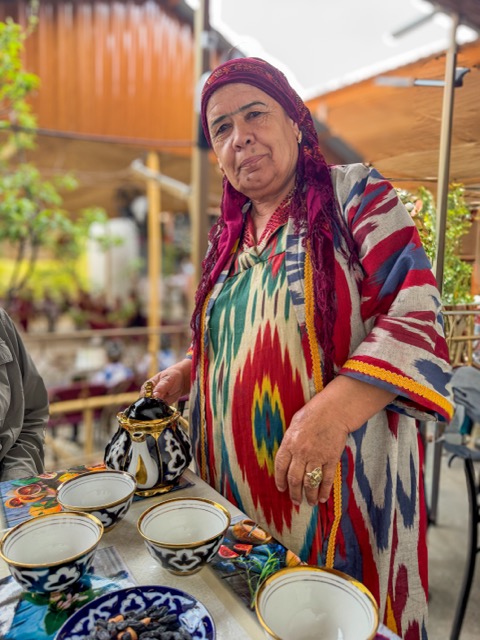
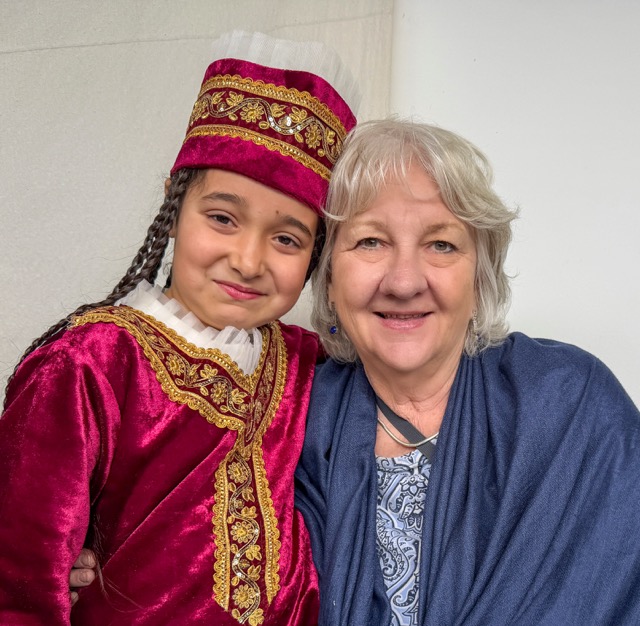
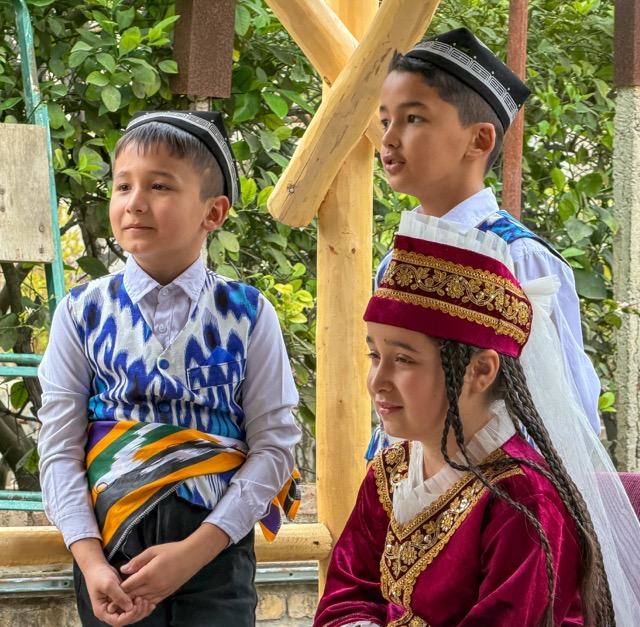
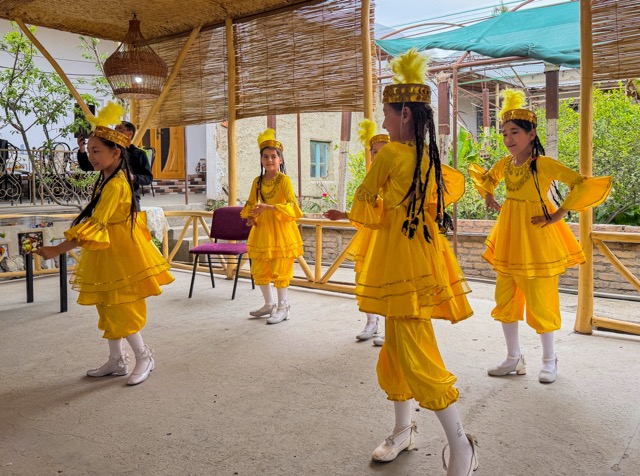
Around the time of the spring equinox, Uzbeks mark the new year with a celebration that predated Islam by thousands of years. Navrus isn’t defined by formal ceremonies. Rather, it’s a time of togetherness. Families and neighbors gather, people dress in colorful clothing, and public squares are full of music and dancing. A highlight of my week in Uzbekistan was joining a Navrus celebration in a small village with a family, their neighbors, and children from the village school. We cooked together, laughed with the children, and shared stories.
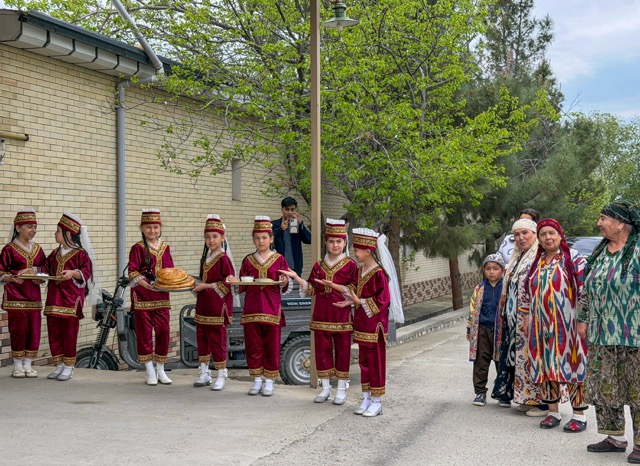
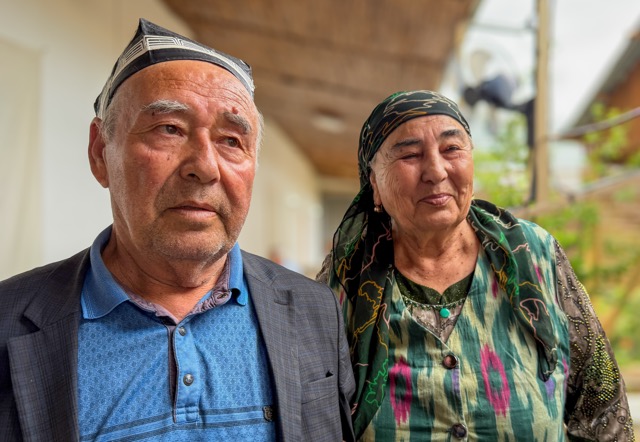
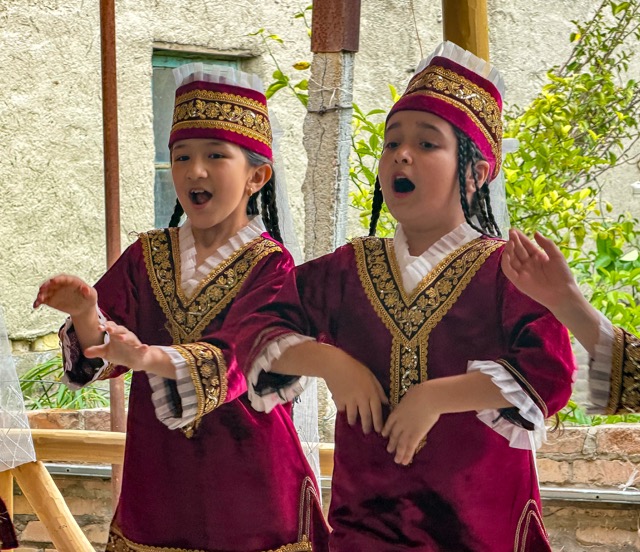
The most iconic Uzbek food prepared for Navrus is sumalak, a dish made from sprouted wheat. Wheat grains are soaked and allowed to sprout symbolizing new life. The sprouts are the crushed to extract a milky juice. This liquid is slowly cooked with flour and oil in a huge cauldron. The mixture is stirred continuously for up to 24 hours. The finished sumulak is thick, smooth, and dark brown with a sweet, malty flavor. The real magic of sumulak is social. Women from the neighborhood gather around the pot and take turns stirring through the night as songs are sung, stories are told, and wishes for the new year are shared.
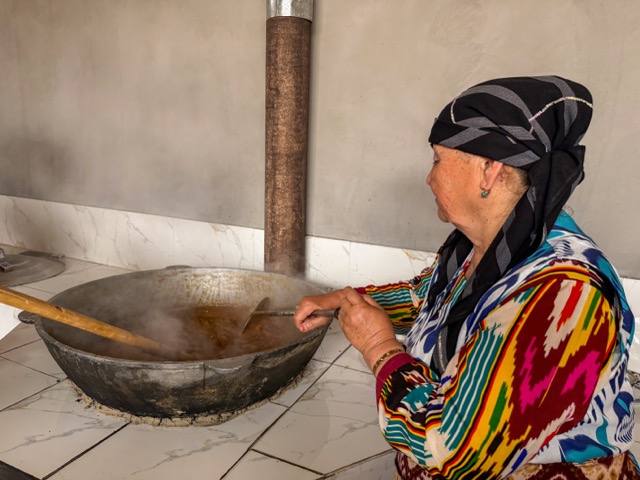
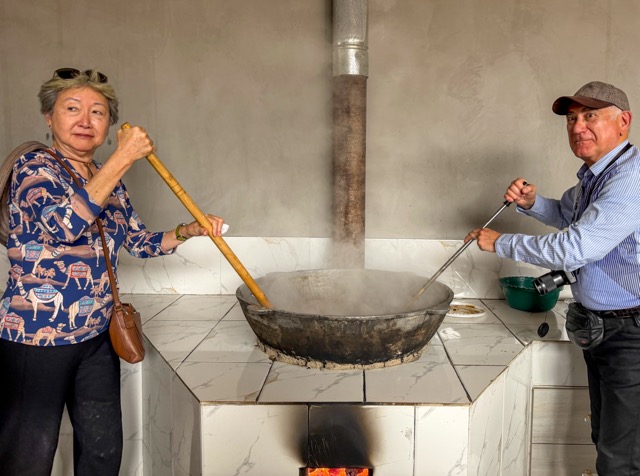
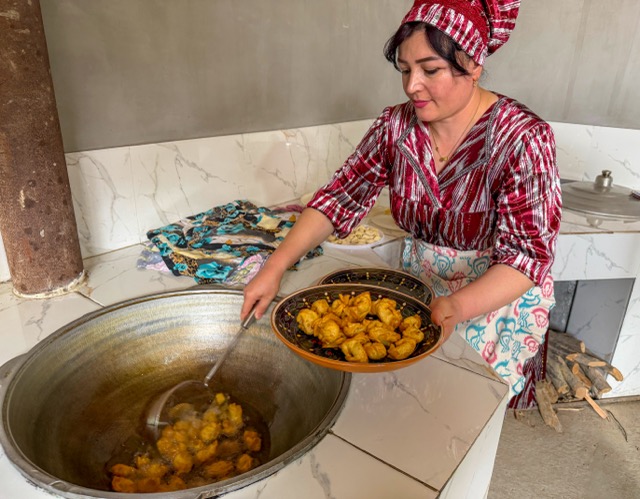
During the celebration we helped prepare other foods as well—dumpling-like pastries filled with meat and freshly baked bread cooked in a clay tandoor oven. The children performed traditional dances, and before long everyone joined in. Eventually we sat down together for a full meal. It was messy, joyful, and unforgettable.
Plov: The Heart of Uzbek Cuisine
No visit to Uzbekistan is complete without tasting plov, the country’s national dish and culinary heart. Legend traces its origins to the campaigns of Alexander the Great, who supposedly ordered that a nourishing meal of rice, meat, and vegetables be created for his soldiers. Whether or not the story is true, plov today is a symbol of hospitality and community.
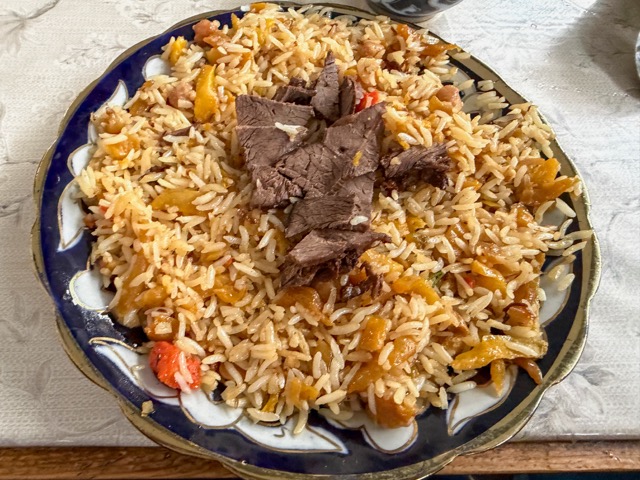
In Tashkent, I sampled a few versions at local restaurants. Then, in Samarkand, I joined a cooking class, learning firsthand how to layer the flavors and cook the rice perfectly in a wide pot called a kazan. Plov reminded me of Middle Eastern pilaf, Indian biryani, and even Spanish paella.
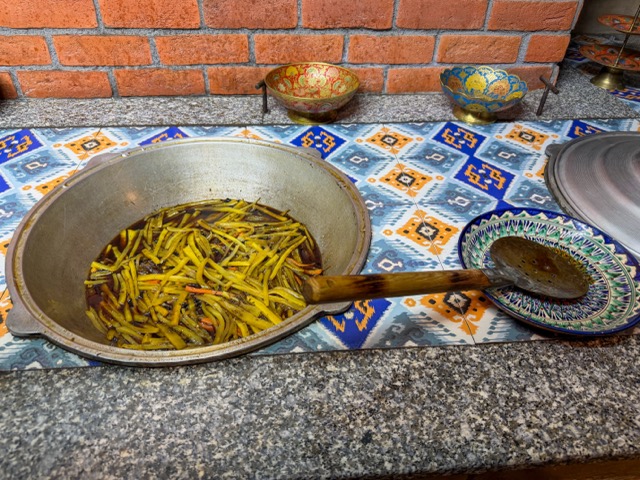
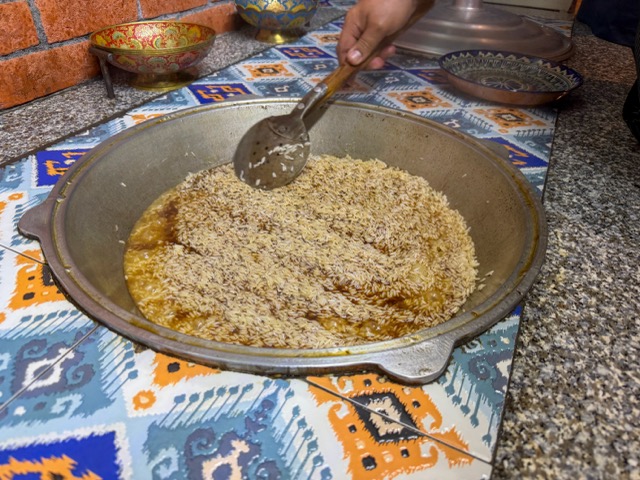
At one point, I spotted a t-shirt that said, “All You Need is Plov.” I didn’t buy it, but I secretly wished I had – it perfectly captured the warmth, humor, and pride of Uzbek culture.
A Different Kind of Muslim Society
Having traveled in other Muslim-majority countries, I arrived with expectations about what I might see and hear. Those expectations were quickly challenged. What I saw instead is a country that is a Muslim-majority society shaped by decades of enforced secularism and a distinct cultural history. For most of the 20th century, Uzbekistan was part of the Soviet Union which officially promoted atheism and tightly controlled religious practice. Even after independence in 1991, that legacy didn’t just disappear. It shaped generations of people who grew up with religion as something private rather than public. Western style clothing is the norm and during my entire visit I never once heard the call to prayer.
Strong pre-Islamic and Silk Road influences are also a factor. Cities like Samarkand and Bukhara were major Silk Road hubs – cosmopolitan and diverse. And Uzbekistan’s modern government actively promotes a secular identity with an emphasis on national culture over religious identity. The result is a society that feels distinct from many other parts of the Muslim world.
What Uzbekistan Left Me With
By the end of my trip, I felt as though I had traveled not just through Uzbekistan, but through time. The mix of history, culture, and food left a mark on me. Like Maria, I came seeking adventure and discovery. I left with something deeper – an appreciation for centuries old stories, warm-hearted hospitality, and the simple joy of sharing a meal – especially if it involves a plate of plov.
Author’s note
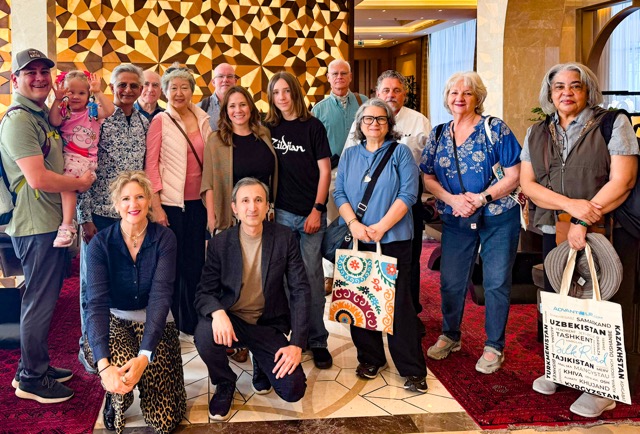
The Silk Road isn’t just ancient history. Connections are still being made today. I want to acknowledge and thank the San Diego Diplomacy Council and my new friends – Lulu and Joel, Tim and Paula, Jeff, Raj, Floyd, Heidi, Ryan, Luca & Pearl, Gloria, and, of course, Maria. And a special thanks to Zahid our amazing guide.

About Us
Welcome to our little corner of the world where we invite you to embark on exciting journeys with us!
We’re Ed and Bonnie, a duo passionate about exploring the world and experiencing its wonders. Our love for travel isn’t just about discovering new places; it’s about sharing those moments with cherished family and friends like you.
Our hope is that you will feel like you’re right there with us, sharing in the excitement and wonder of each destination. Better yet, let’s plan a rendezvous somewhere wonderful! Learn more