
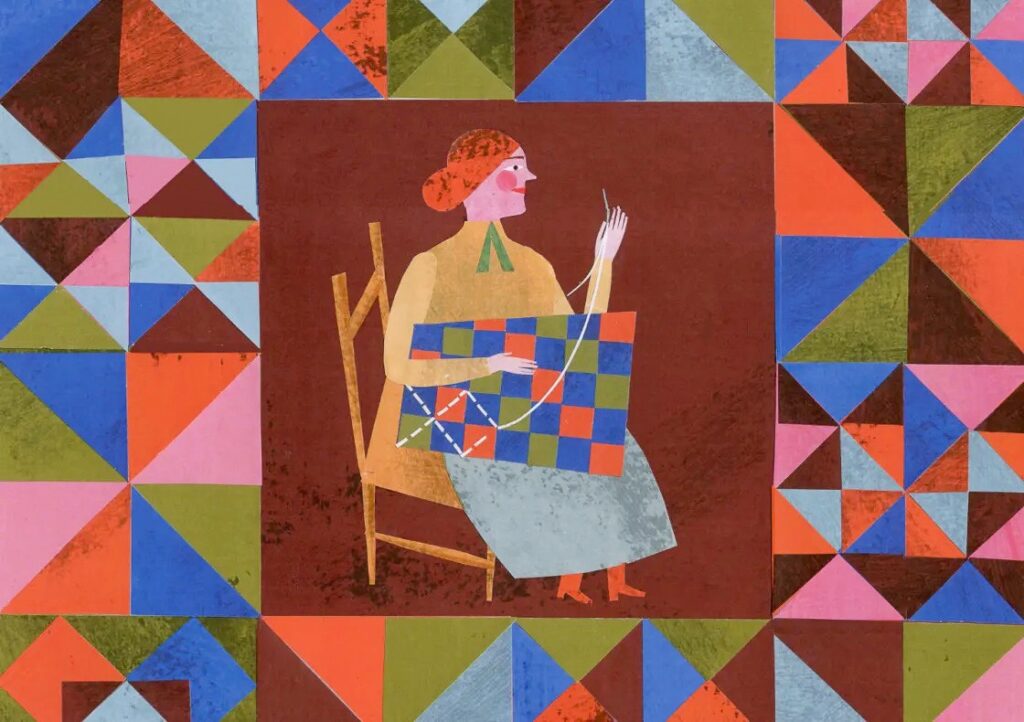
Finding Inspiration in London
I discovered Selvedge a few months ago, a British magazine dedicated to textiles, craftsmanship, fashion, and global textile culture. It reignited something I’d been missing. I’ve been neglecting my studio lately and a Quilt Jamboree felt like exactly the push I needed. Besides, it was the perfect excuse to escape Valencia’s heat and see live theatre on the West End. Since it’s just a two-hour flight to London, we’ve committed to making that pilgrimage at least once a year.
The East End Calls
London’s Museum of the Home was the venue for the workshop and that was a bonus. Located in the Shoreditch neighborhood in the East End, this would be a new area of London for us to explore. It did not disappoint. From the moment we arrived, it was obvious: this was a different London. The East End pulses with an energy you don’t feel in Central London. Gritty industrial history—warehouses, railway arches, immigrant working-class neighborhoods—sit alongside a vibrant creative scene.
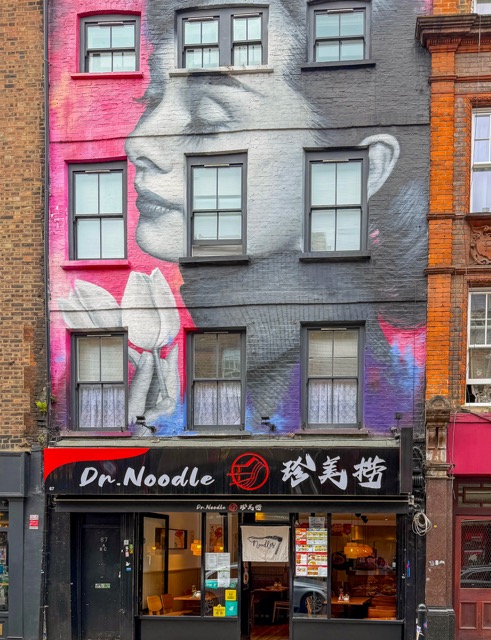

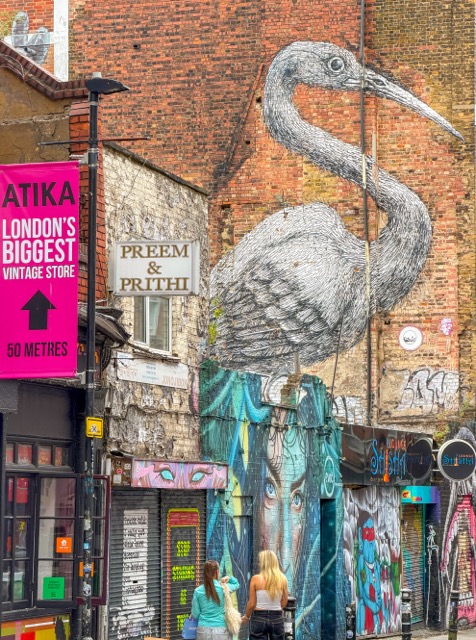
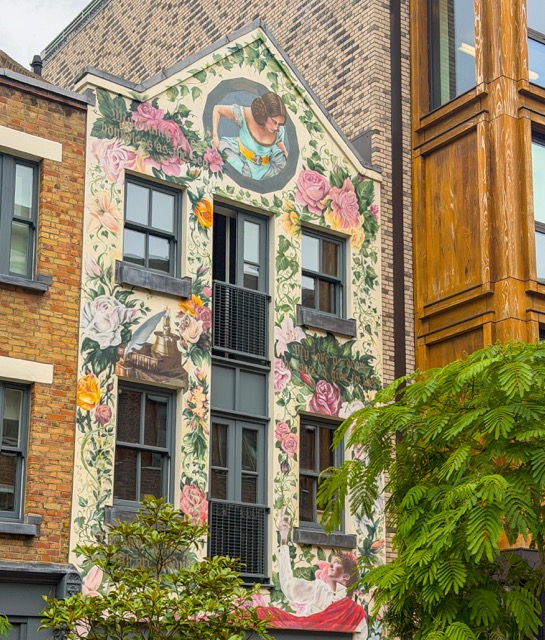
Stories at the Jamboree
At the Quilt Jamboree, I listened to the stories of several well-known quilters. Jessie Cutts spoke about working intuitively, without a predetermined pattern—an approach that immediately resonated with me. Ellie Beaven described the entire arc: growing plants on her Galician property, extracting natural dyes, and using them in her work. Julius Arthur drew inspiration from growing up in the Cotswolds, landscape informing every design. What struck me most wasn’t just the technical skill—it was the deeply personal way each quilter had found their own entry point into the work. No two approaches were the same.
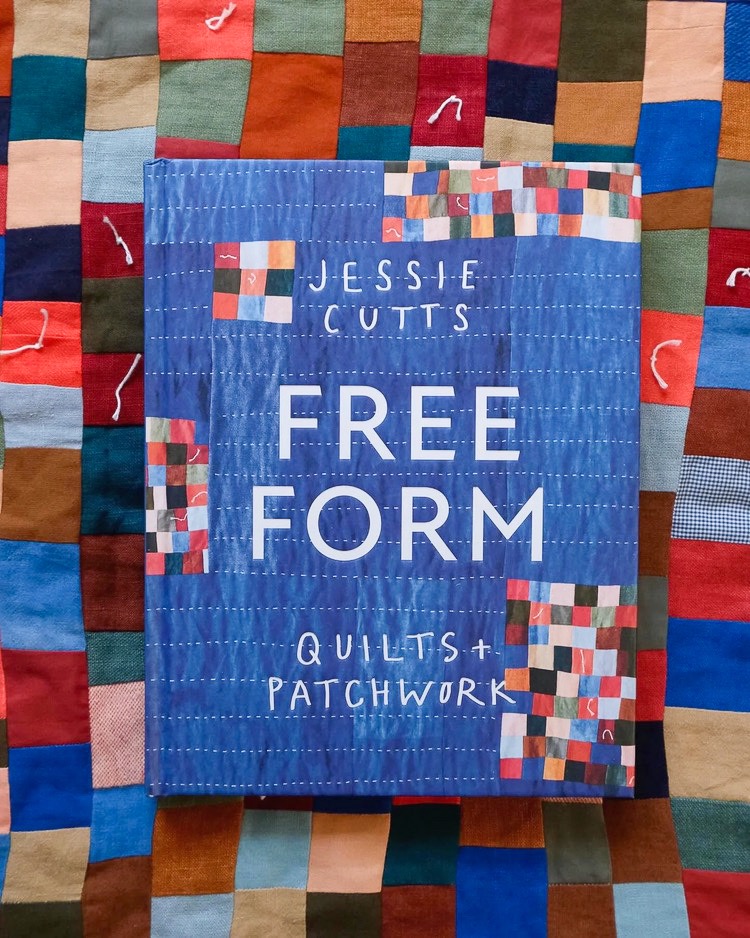
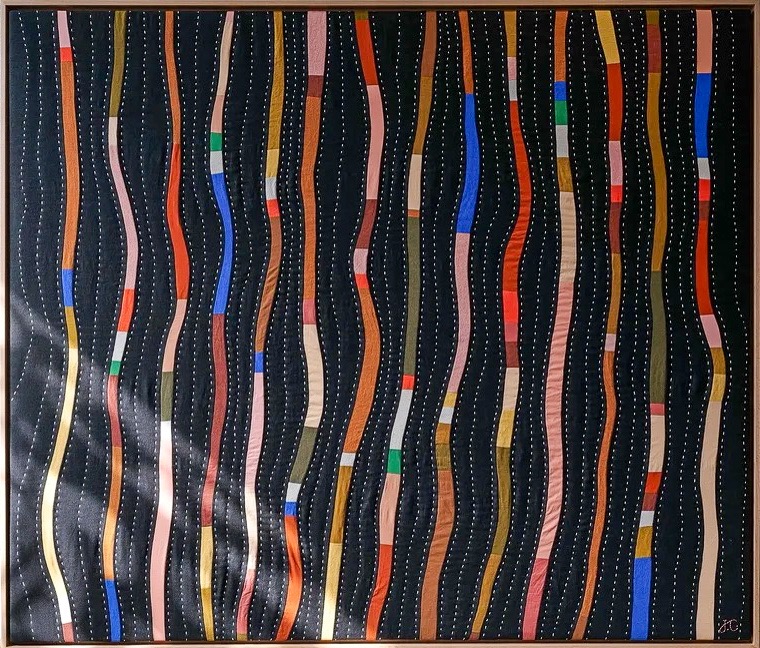
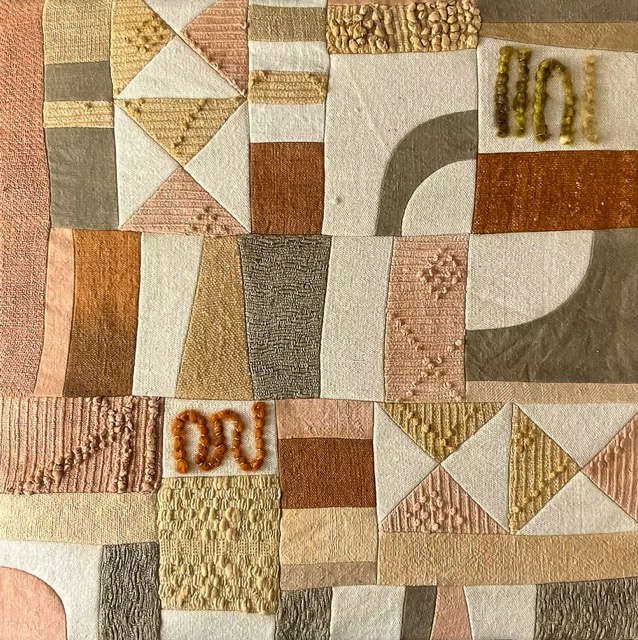
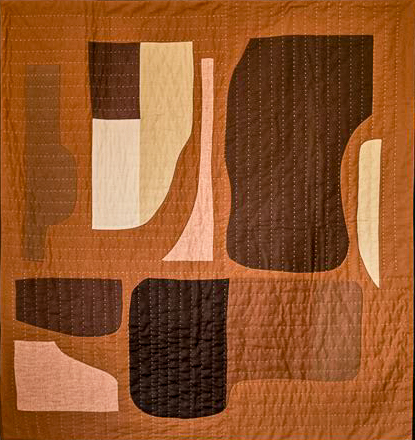
After the Quilt Jamboree, we celebrated with dinner at Cinnamon Bazaar; an Indian dining experience is a London ritual we never miss. Then we headed off to the Noël Coward theatre for Cyrano de Bergerac (Ed will tell you about that experience). But a real discovery was waiting for us the next day, in the East End.
Makers & Markets
We spent our second day at Spitalfields Market and Brick Lane. Spitalfields is that rare thing—a market that’s both genuinely local and genuinely polished. You’ve got independent designers and artisans mixed in with mainstream shops and tourist draws, but it works without feeling staged.
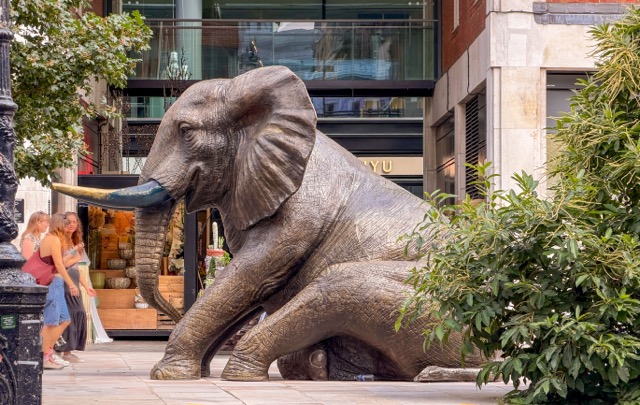
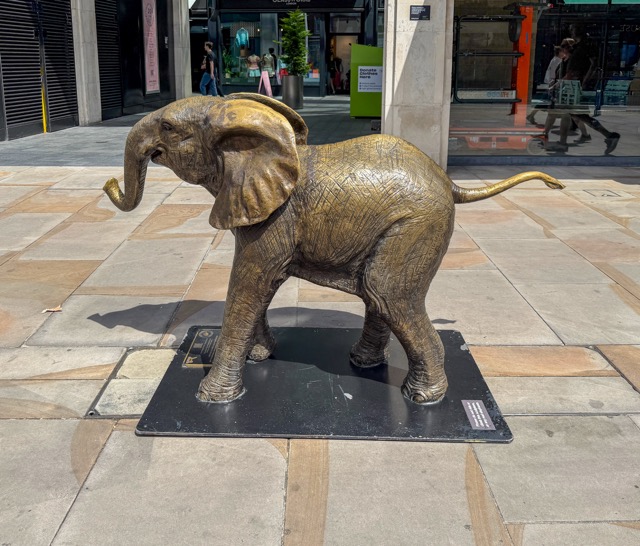
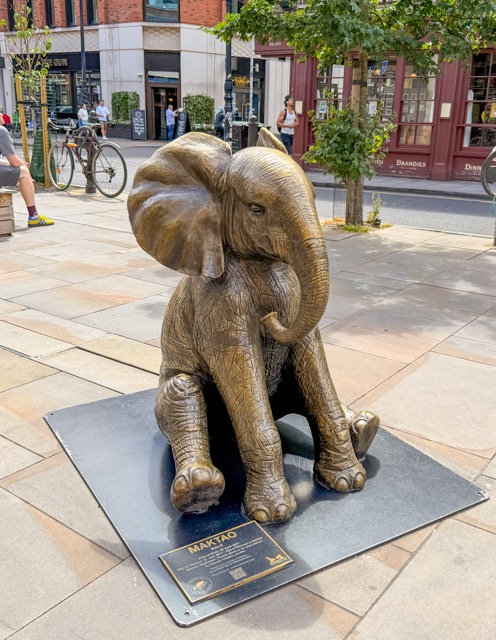
These elephant statues on Brushfield Street in Spitalfields are promoting the Sheldrick Wildlife Trust. The installation, called the “Herd of Hope,” features 21 life-sized bronze elephant sculptures created by artists Gillie and Marc. Each sculpture represents a real orphaned elephant rescued and raised by the Sheldrick Wildlife Trust’s Orphans’ Project.
Ritual and Hospitality
Brick Lane has been a neighborhood of immigrants for centuries and when I learned that there are many people from Bangladesh living there today, I decided we must have a Bangladeshi lunch. On the spot research revealed that one of the best in the area was just a four-minute walk. Graam Bangla is a tiny and humble restaurant on Brick Lane loved by locals. It seems I’d selected the right place for our first Bangladeshi meal.
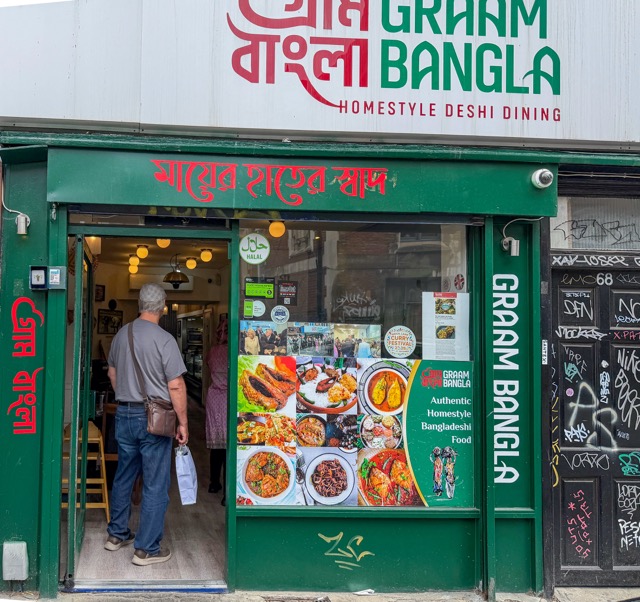
As we were seated, a lovely woman swathed in a pink sari asked if it was our first time. Having answered in the affirmative, she did something I hadn’t expected. She led us to the kitchen counter and asked us to taste—progressively spicier offerings on tiny spoons—to understand not just our tolerance but our worthiness to eat there. This was something deeper than the usual restaurant transaction. We’d been invited into her care.
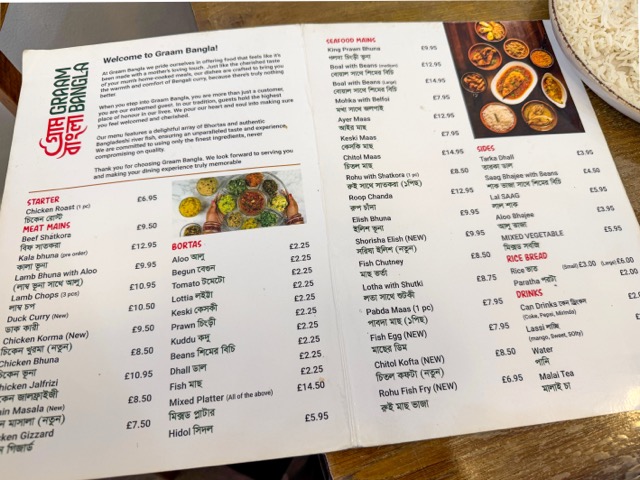
Our hostess guided us through the menu with the thoughtfulness of someone sharing family recipes. Under the Bortas section, she recommended Lottia—a classic Bangladeshi starter of sun-dried fish rolled into piquant balls with aromatic spices and chilies, each bite rich and intensely savory. Then came Aloo Chingri, shrimp and potatoes in a spiced tomato sauce fragrant with turmeric and garlic. And Kala Bhuna, beef that had been braised so slowly the sauce had turned glossy and nearly black, thick and deeply concentrated. Each dish represented hours of technique. Rice and paratha—unleavened, crisp, and flaky flatbread—were our accompaniments.
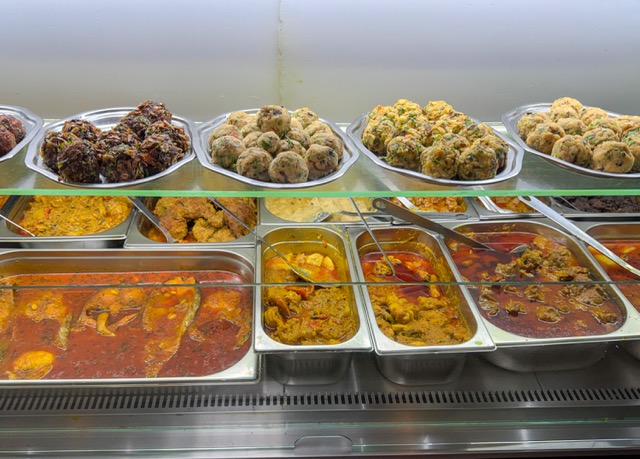
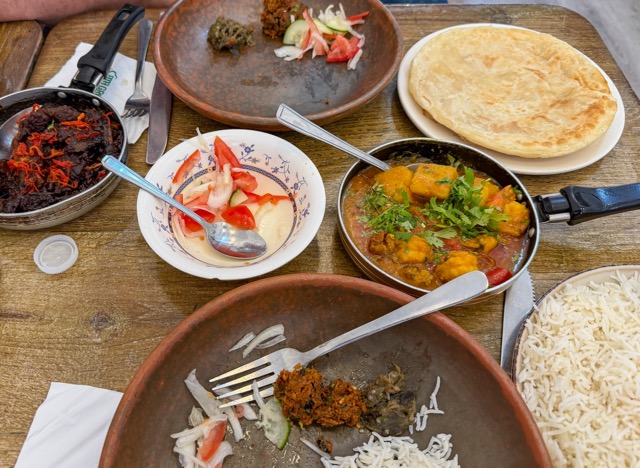
This was craft—culinary craft—as genuine as anything I’d seen at the Jamboree. I don’t remember seeing a Bangladeshi restaurant in Valencia, but I plan to look for one.
Trading Slow for Intentional
We broke one of our cardinal rules—stay three to four days minimum. Normally this would feel like a failure. But two days in the East End, moving from inspiration to discovery to ritual, compressed something that might have taken twice as long elsewhere.
Sometimes intensity is what you need. Sometimes a city that challenges you to move fast forces you to pay closer attention to what matters—the quilters’ stories, the rituals of hospitality, the creative spirit embedded in every neighborhood. We returned to Valencia with exactly the inspiration I came seeking.

About Us
Welcome to our little corner of the world where we invite you to embark on exciting journeys with us!
We’re Ed and Bonnie, a duo passionate about exploring the world and experiencing its wonders. Our love for travel isn’t just about discovering new places; it’s about sharing those moments with cherished family and friends like you.
Our hope is that you will feel like you’re right there with us, sharing in the excitement and wonder of each destination. Better yet, let’s plan a rendezvous somewhere wonderful! Learn more
The quilts are stunning!
I just wanted to say that a friend made an “adoption” donation in my name for the Sheldrick wildlife trust and I enjoyed following “my” orphan so much that I did the same for my Mom on Mother’s Day.
You two are such an inspiration to seek out and experience the unknown. <3